
Planting
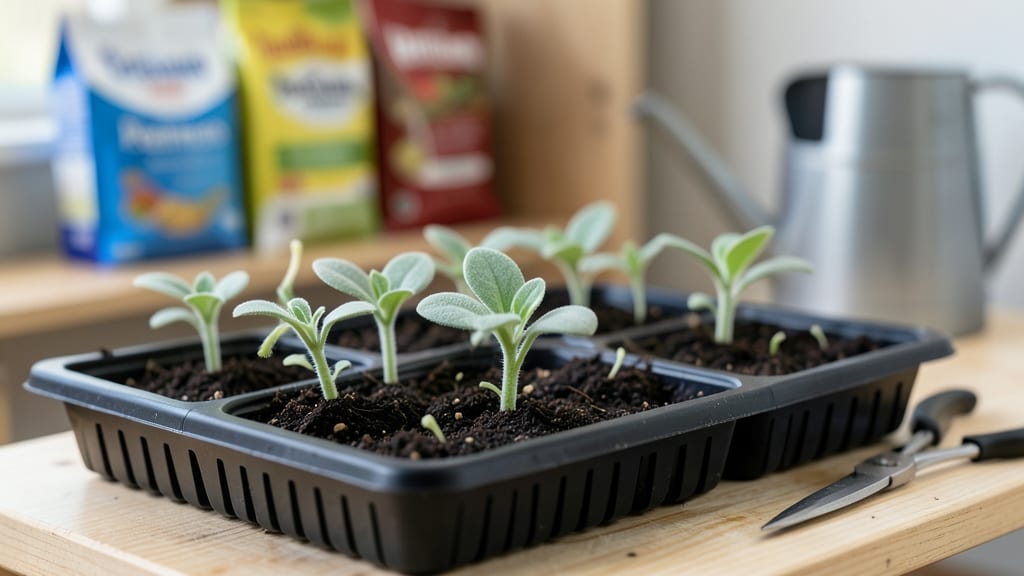
Sowing flower seeds indoors can turn a dim winter window into a nursery for fast-growing blooms that outshine anything from a store.
I’ve started thousands of seeds, and the difference between weak, leggy seedlings and stocky, vibrant starts comes down to three things: soil warmth, consistent moisture, and the right timing. Most beginners overthink it—you don’t need fancy setups, just a few key tools and patience.
The secret to fast germination lies in mimicking spring conditions indoors. Use a seed-starting mix (not garden soil), keep it warm with a heat mat if needed, and water gently from the bottom to avoid disturbing seeds.
Most annuals sprout in 5-14 days when conditions are right—my cosmos and zinnias often pop up in under a week. The trick is consistency: too much water drowns them, too little leaves them parched.
By the time you’re ready to transplant, you’ll have sturdy seedlings with true leaves, not just the first tiny sprouts. They’ll handle outdoor moves better and bloom earlier than store-bought plants. The payoff? A garden bursting with color by midsummer, all from seeds you nurtured yourself. Ready to get started?
This method works for almost any flower seed—just adjust timing based on your last frost date. Beginners often rush the process, but taking it slow ensures stronger plants. Let’s make sure your first batch is a success!
📚 In This Guide
- What you need
- Instructions
- Tips and common mistakes
- Wrapping up and next steps
What you need
- ● Seed trays or seedling pots: 4–6" deep, with drainage holes (2–4 trays or 12–24 pots, depending on seed quantity). Pro tip: Biodegradable pots save transplant stress!
- ● High-quality seed-starting mix: Lightweight, sterile, and well-draining (1–2 bags, ~1–2 cubic feet per tray). Skip garden soil—it’s too dense!
- ● Flower seeds: Choose fast-germinating varieties like marigolds, zinnias, or snapdragons (packets usually contain 50–100 seeds).
- ● Watering can or spray bottle: Fine mist setting to avoid displacing seeds.
- ○ Clear plastic domes or plastic wrap: To retain humidity (optional but highly recommended for slow germinators).
- ● Grow lights or sunny windowsill: 12–16 hours of light daily (LED grow lights are ideal; south-facing windows work in a pinch).
- ● Plant labels: Wooden sticks or plant markers to track varieties.
- ○ Heat mat (optional): Speeds germination for cool-weather seeds (70–75°F range).
- ● Fertilizer (diluted): Balanced liquid fertilizer (5-5-5 or 10-10-10) for post-germination feeding.
- ● Tweezers: For delicate seed placement (e.g., tiny seeds like calendula).
- ● Fan (small desktop): Encourages strong stems by simulating airflow (place on low after germination).
Step-by-Step instructions for sowing flower seeds indoors
Here's how to get those delicate sprouts popping fast—no guesswork, just proven timing.
Prepare Containers and Seed Mix
Fill your 4-inch deep seed trays with sterile seed-starting mix—never garden soil. This stuff is light and airy, letting roots spread without smothering. Press it down gently so the surface is firm but not packed. You want it settled enough that seeds won't float when you water, but loose enough for tender roots to push through.
I like to add a thin layer of perlite to the bottom first—just ½ inch—to boost drainage. This prevents soggy soil, which is the #1 killer of new seedlings. Moisten the mix until it feels like a wrung-out sponge: damp but not dripping. If it's too dry, water trickles right through; too wet, and you'll have mold before germination.
Plant Seeds at the Right Depth
Check your seed packet—most flowers need to be planted at a depth of twice their diameter. Tiny seeds like snapdragons go in ⅛ inch deep, while larger ones like marigolds need ¼ inch. I use a toothpick to make small holes for precision. Drop seeds in gently—no need to press them down.
Cover them lightly with a sprinkle of mix, then mist the surface with a spray bottle until evenly damp. Here's the trick: don't water from above after germination. Once those first leaves appear, bottom-watering keeps the soil surface dry and prevents fungal diseases. You'll know it's right when the soil looks slightly damp but not glistening.
Create the Perfect Germination Environment
Cover the tray with clear plastic wrap or a humidity dome to trap warmth and moisture. Flowers germinate fastest at 70-75°F, so I place mine on a seedling heat mat if my home runs cooler. Check daily—condensation will form on the plastic, which is perfect. Remove it once 50% of seeds sprout to prevent damping-off.
Most flower seeds sprout in 7-14 days, but some like sweet peas take 2-3 weeks. Don't give up if nothing appears after 2 weeks—some seeds need extra time. The moment you see those first green shoots, move trays to bright light immediately. Without enough light, seedlings stretch toward the window and become weak.
Provide Light and Air for Strong Growth
Place your trays under grow lights (14-16 hours daily) or in the brightest window you have. South-facing windows work best, but if your seedlings stretch toward the light, they're not getting enough. I keep lights 2-3 inches above the plants and raise them as they grow. You'll see strong seedlings have thick stems and dark green leaves.
Once the first true leaves appear (not the initial seed leaves), thin to your strongest seedlings. Use clean scissors to snip at soil level—don't pull, or you'll disturb the roots of the remaining plants. This step is crucial: crowded seedlings compete for nutrients and light, leading to weak, leggy growth.
Tips & tricks for perfect indoor flower seed starting
Let me save you from the heartbreak of waiting weeks for nothing—these little tricks make all the difference when coaxing those stubborn seeds to sprout.
Soil Moisture Secret: The "wrung-out sponge" test in Step 1 is your golden rule. Too much moisture creates a fungal paradise, while too little means seeds dry out before sprouting. I like to water from the bottom occasionally after germination—just place the tray in a shallow dish of water for 10 minutes, then let it drain completely. This keeps the surface dry while roots stay hydrated.
Depth Precision: That toothpick trick in Step 2 isn't just for fun—it ensures consistent planting depth. For seeds smaller than ⅛ inch, I use the eraser end of a pencil to create tiny divots. Pressing seeds too firmly can damage their delicate shells, while planting too shallow makes them vulnerable to drying out. A gentle drop is all they need.
Light Timing: Those 14-16 hours of light aren't just about duration—they're about intensity. If your seedlings are stretching toward the light (a condition called etiolation), you're not providing enough brightness. I keep my grow lights just 2-3 inches above the seedlings and adjust the height as they grow. You'll know you've got it right when the stems stay thick and the leaves are a vibrant green, not pale and elongated.
Heat Hack: That 70-75°F range is critical, but achieving it doesn't require fancy equipment. Place your seed trays on top of your refrigerator or near a sunny window during the day. If your home runs cooler, a simple seedling heat mat (available for under $20) works wonders. The key is consistency—fluctuating temperatures can delay or even prevent germination entirely.
Pro Tips for Sowing Flower Seeds Indoors
- Let me save you from the heartbreak of waiting weeks for nothing—these little tricks make all the difference when coaxing those stubborn seeds to sprout.
- Soil Moisture Secret: The "wrung-out sponge" test in Step 1 is your golden rule.
- Depth Precision: That toothpick trick in Step 2 isn't just for fun—it ensures consistent planting depth.
Frequently asked questions
Got questions about sowing flower seeds indoors? You’re not alone!
Here are answers to the most common concerns—from timing to troubleshooting—so you can grow confidently.
When is the best time to start sowing flower seeds indoors?
Start seeds 6–8 weeks before your last frost date (check your USDA zone!). Cool-season flowers (like pansies or snapdragons) can go in earlier, while heat-lovers (like petunias) need warmth—wait until 2–3 weeks before transplanting outside. Pro tip: Use a seed-starting calendar for precision!
Do I need grow lights, or will natural sunlight work?
Natural light is ideal, but most homes lack the 12–16 hours/day seedlings need. If your windowsill is dim, supplement with LED grow lights (6–12 inches above seedlings) for strong, leggy-free growth. Place lights on a timer for consistency—no guesswork!
Why aren’t my seeds germinating? Troubleshooting tips?
Common culprits: too cold (use a heat mat if needed), too dry (keep soil moist but not soggy), or old seeds (test viability with a damp paper towel). Check seed packets for depth/light needs—some (like poppies) need light to sprout! Patience pays off—germination can take 5–30 days depending on the flower.
Can I reuse containers or soil from last year?
No!
Old soil may harbor diseases or pests. Use sterile, seed-starting mix (not garden soil) and clean containers with soap/water or disinfect with a 10% bleach solution. Recycle plastic pots by washing them, but avoid wood or fabric that traps moisture. Fresh starts = happier plants!
What’s the easiest flower to grow from seed indoors for beginners?
Try marigolds, zinnias, or sunflowers—they’re fast, forgiving, and germinate reliably. Calendula (pot marigold) is another winner with vibrant blooms. Avoid fussy flowers like orchids or delphiniums until you’ve mastered the basics. Start simple, then level up!
What if my seedlings get leggy or weak?
Leggy seedlings = not enough light or overcrowding. Rotate trays daily for even growth and fertilize lightly with diluted seedling formula (half-strength) after true leaves appear. If they flop, bury stems deeper when transplanting—they’ll root from nodes!
Wrapping up and next steps
Sowing flower seeds indoors is a rewarding way to jumpstart your garden and enjoy vibrant blooms sooner! 🌱 With the right tools, patience, and care, you’ll unlock the secrets to fast germination and strong seedlings.
Whether you’re a beginner or a seasoned gardener, every little effort—like maintaining warmth, moisture, and light—makes a big difference.
Now that you’re armed with tips and answers to common questions, it’s time to roll up your sleeves and get planting. Start small, track your progress, and soon you’ll be transplanting those sturdy seedlings into your garden. Happy growing—your future flowers will thank you! 🌸