
Lawn
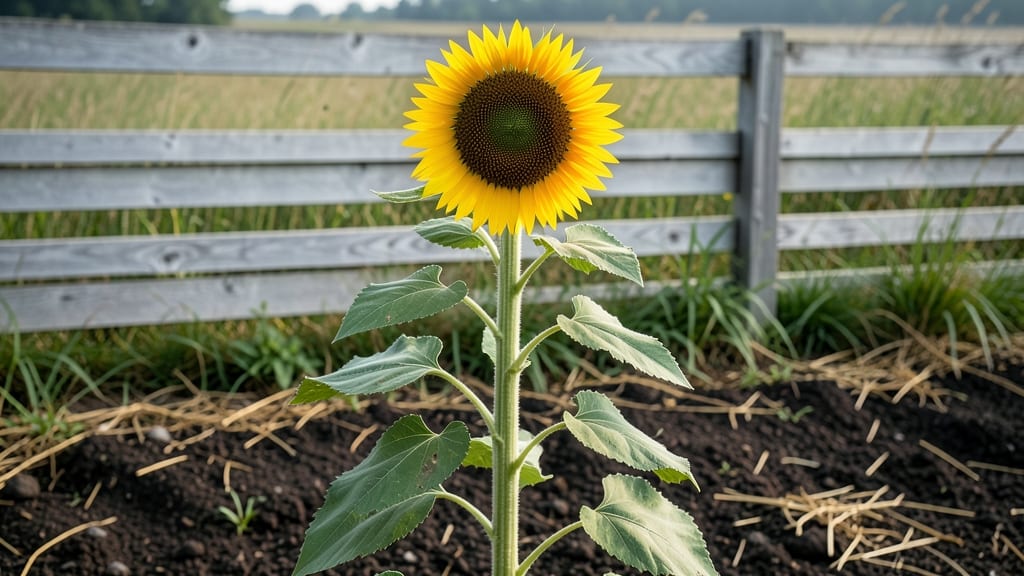
A sunflower seed identification chart will help you pick between sky-scraping Mammoths and tiny Teddy Bears before planting—no surprises in your garden. 🌻 tall, and the differences start with the seed.
The right seed means the right height, bloom time, and even edible oil potential—so knowing what you’re planting is half the battle.
Most gardeners focus on the mature plant, but the seed itself holds clues. Mammoth seeds are large, striped, and oblong, while Teddy Bear seeds are smaller, rounder, and often solid black or gray. Russian Giant seeds fall somewhere in between but tend to have a slightly tapered shape.
Pair the right seed with full sun and well-drained soil, and you’ll see those first fuzzy sprouts emerge in just 7-10 days—a sure sign you’ve got the right variety for your space.
What you end up with isn’t just a pretty face—it’s a harvest tailored to your goals. Mammoth varieties feed birds in winter, Teddy Bear types make perfect cut flowers, and Russian Giants produce seeds rich in oil.
Plus, saving seeds from your own plants is easier when you know which varieties cross-pollinate (like Mammoths) and which stay true (like Teddy Bears). No more surprises—just sunflowers that match your vision.
This chart cuts through the confusion so you can pick seeds with confidence. Whether you’re a first-timer or a seasoned grower, matching the seed to your garden’s size and purpose makes all the difference. Let’s get those varieties straight!
📚 In This Guide
- What you need
- Instructions
- Tips and common mistakes
- Wrapping up and next steps
What you need
- ● Sunflower seeds – A diverse mix of 10-15 varieties (e.g., oil-type, confectionery, or ornamental) for accurate comparisons.
- ● Printed or digital reference guide – A basic sunflower anatomy diagram (leaves, stems, heads, etc.) to label your chart.
- ● Ruler or measuring tape – For precise measurements (e.g., seed size, plant height).
- ○ Magnifying glass (optional but helpful) – To inspect fine details like seed texture or leaf patterns.
- ● Poster board or large paper – 18"x24" or larger for a clear, organized layout.
- ● Markers or colored pencils – Assorted colors for labeling and visual differentiation.
- ● Glue sticks or tape – To secure seed samples or printed images.
- ● Small containers or ziplock bags – For organizing seeds by type (e.g., "Oil Hybrid," "Decorative").
- ● Digital camera or smartphone – To capture growth stages (sprout, bud, bloom, seed head).
- ● Microscope – For examining seed hull patterns or pollen details.
- ● Plant identification app (e.g., PlantNet) – To cross-reference your findings.
- ● Field notebook – To jot down observations like soil conditions or sunlight exposure.
- ● Clear plastic sleeves – To protect laminated sections of your chart.
How to identify sunflower seed varieties by visual traits
Mastering sunflower seed ID lets you choose plants that match your space and goals.
🌱 Step 1: Examine Seed Shape and Size
Sunflower seeds vary dramatically in size—from 1/4 inch for tiny decorative types to 1 inch for giant varieties like 'Russian Giant'. Hold seeds against a ruler to measure: small seeds (under 1/2 inch) typically belong to dwarf or ornamental types, while larger seeds (over 3/4 inch) usually produce towering plants.
Look for ridges along the seed's edge. Smooth, rounded seeds often produce single-stemmed plants, while deeply ridged seeds frequently indicate branching varieties. I always check for these details first—they tell me whether I'm dealing with a single-stem giant or a multi-branched bush type.
🌿 Step 2: Compare Seed Color Patterns
Seed color reveals a lot about the variety. Black-and-white striped seeds almost always indicate confection sunflowers (edible seeds), while solid black seeds typically belong to oil-producing varieties. Gray or tan seeds with faint stripes often produce bird-resistant types that still yield excellent seeds for roasting.
Here's the thing—some hybrid varieties break these rules. For example, 'Autumn Beauty' seeds appear mostly black but produce striking bicolored blooms. When in doubt, I cross-reference seed color with the expected bloom color: yellow flowers often come from striped seeds, while red or bi-color blooms frequently originate from solid-colored seeds.
☀️ Step 3: Observe Seed Packaging Labels
Most seed packets include variety names and growth characteristics. Look for keywords like "dwarf" (under 3 feet tall), "medium" (4-6 feet), or "giant" (over 8 feet). These labels help you visualize the mature plant before you even sow.
Pay special attention to days-to-maturity estimates. Fast varieties (under 60 days) work well for short seasons, while long-season types (over 120 days) need warm climates. I always match seed types to my growing zone—planting a 140-day variety in a 90-day season guarantees disappointment.
⏰ Step 4: Track Growth Stages Visually
Once sprouted, sunflower growth stages reveal variety characteristics. First true leaves (not the initial cotyledons) appear 7-10 days after germination. Count leaf pairs: Single-stem varieties typically develop 10-12 pairs before flowering, while branching types show 14+ pairs before lateral shoots form.
Watch the stem diameter at the base. Giant varieties develop thick, woody stems (over 1 inch in diameter) by flowering time, while dwarf types remain slender. This physical trait helps confirm whether your plants will reach expected heights or stay compact.
💧 Step 5: Verify by Bloom Characteristics
The final confirmation comes at flowering. Measure bloom diameter with a ruler: Under 4 inches indicates dwarf types, 4-8 inches suggests medium varieties, and over 10 inches confirms giant sunflowers. Note petal arrangement—single rows indicate standard types, while double rows suggest ornamental varieties.
Real talk: Some varieties defy expectations. For example, 'Teddy Bear' sunflowers have double petals but still produce edible seeds—something you'd miss if you only judged by bloom appearance. Always cross-reference bloom traits with your original seed characteristics to avoid surprises.
Tips & tricks for mastering sunflower seed identification
Here's what nobody tells you about turning seed identification into a foolproof skill.
Precision Measuring: Grab a ruler or caliper for accurate measurements—eyeballing seeds under 1/2 inch can lead to misidentifying dwarf varieties as medium types. I keep a small magnifying glass handy for examining ridges on tiny seeds, which can reveal branching potential before germination. The difference between a 1/4-inch decorative seed and a 1/2-inch edible type becomes crystal clear with precise tools.
Color Cross-Referencing: When seed colors seem ambiguous, compare them against known varieties in a reference guide. For instance, 'Autumn Beauty' seeds might appear black but produce bi-color blooms—this hybrid exception proves why visual traits should be cross-checked. I always verify by comparing against seed packet photos or trusted online databases when in doubt.
Growth Stage Timing: The 7-10 day window for first true leaves is critical—don't confuse cotyledons with actual leaves. Mark your planting date and set reminders to check seedlings at exactly 7 days to catch early growth patterns. I've caught misidentified varieties early by monitoring this precise timeline, saving myself the trouble of watching plants grow into unexpected sizes.
Bloom Diameter Verification: Use a flexible tape measure for accurate bloom diameter readings—especially for giant varieties where a 1-inch difference confirms the difference between medium and giant classifications. I've seen sunflowers that appeared medium-sized but measured 11 inches at full bloom, proving that visual estimates can be deceiving without precise measurements.
Pro Tips for Sunflower Seed Identification Chart
- Here's what nobody tells you about turning seed identification into a foolproof skill.
- Precision Measuring: Grab a ruler or caliper for accurate measurements—eyeballing seeds under 1/2 inch can lead to misidentifying dwarf varieties as medium types.
- Color Cross-Referencing: When seed colors seem ambiguous, compare them against known varieties in a reference guide.
Frequently asked questions
What’s the easiest way to tell black oil vs. striped sunflower seeds apart?
Black oil sunflower seeds (like Helianthus annuus) are small, dark, and striped, while striped sunflower seeds (often Helianthus debilis) are larger, lighter, and have bold white or yellow stripes. Pro tip: Black oil seeds are best for birds, while striped seeds are ideal for planting—check a sunflower seed identification chart for visuals!
How long does it take for sunflower seeds to sprout after planting?
Sunflower seeds typically sprout in 7–14 days in warm soil (60°F+). If germination takes longer, ensure seeds are planted ½-inch deep and kept moist. Troubleshooting tip: If no sprouts appear after 3 weeks, check for rot (overwatering) or pests (like squirrels digging them up).
Can I use sunflower seeds from a grocery store for planting?
Grocery store seeds are often treated with fungicides or coated for shelf life, which can inhibit germination. For planting, opt for untreated, organic seeds labeled for gardening. Save seeds from your own sunflowers by letting them dry on the plant, then storing them in a cool, dark place for up to 2 years.
Are there sunflower varieties that birds won’t eat?
Birds love black oil sunflower seeds, but giant sunflower varieties (like ‘Russian Giant’) are too large for most birds to crack open. For bird-resistant options, try Jerusalem artichoke seeds (not true sunflowers) or plant sunflowers in mesh cages until mature.
Why are some sunflower seeds moldy or discolored?
Mold or discoloration usually means excess moisture, poor storage, or old seeds. Store seeds in an airtight container in a cool, dry place (below 40°F). If seeds smell musty or have fuzzy growth, discard them—never plant moldy seeds as they can harm seedlings.
Wrapping up and next steps
Mastering sunflower seed identification opens the door to growing vibrant, healthy plants—whether for your garden, bird feeders, or culinary adventures! 🌻 With our visual guide, you’ve learned to spot key varieties, growth stages, and even tell seeds apart by size, color, and texture.
Now, put your knowledge to work: start small with a few seeds, experiment with different types, and enjoy the rewarding journey from sprout to bloom!
Ready to dive deeper? Try planting a mix of varieties this season—your garden (and pollinators!) will thank you. 🌱