
Pests
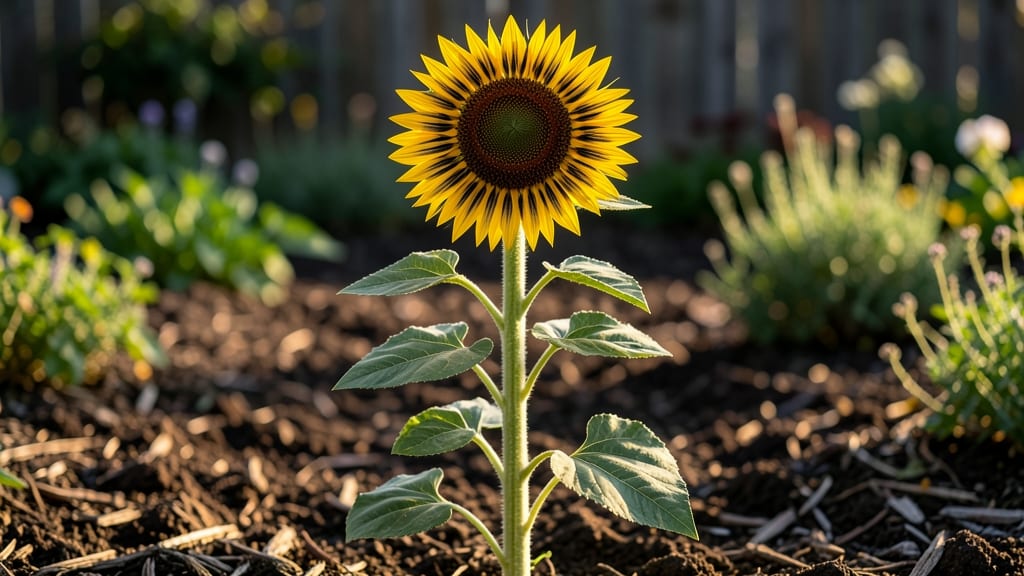
Growing the Giant Grey Stripe sunflower means adding a towering, cold-resistant statement piece to your Ozark garden—its striking striped blooms can reach 10 to 12 feet tall and thrive where other varieties wilt.
I planted mine last spring after years of struggling with sunflowers that flopped in our cool mountain summers, and this variety finally delivered the drama I wanted without the fuss.
The key isn’t just the seeds; it’s the way they transform a space with their sheer height and bold, velvety petals that catch every sunset.
This sunflower loves deep, well-draining soil mixed with compost—think of it as giving your plants a rich, fluffy blanket to grow into. Plant seeds ½ inch deep after the last frost, spacing them 18 to 24 inches apart so their roots have room to stretch deep.
Water consistently but avoid soggy soil, and watch as those first leaves unfurl into sturdy, glossy greens that promise a summer of shade and beauty. The best part? They’re tough enough to handle our Ozark winds and still stand proud.
By midsummer, you’ll have a living canopy that hums with pollinators and casts cool shadows on hot afternoons. The blooms aren’t just pretty—they’re edible, too, with seeds perfect for bird feeders or roasting. Plus, they self-seed like crazy, so you’ll likely wake up to baby sunflowers popping up next year.
Just keep an eye out for sunflower moths or rust, and you’ll enjoy these giants for seasons to come.
Whether you’re using them as a privacy screen, a focal point in a pollinator garden, or just to wow your neighbors, these sunflowers deliver year after year with almost no effort.
The Ozark climate actually works in their favor—they handle our cooler nights and still soar skyward when others lag behind. Ready to grow your own sunflower skyline?
📚 In This Guide
- What you need
- Instructions
- Tips and common mistakes
- Wrapping up and next steps
What you need
- ● Sunflower seeds: 1 lb of Helianthus annuus ‘Giant Grey Stripe’ seeds (ensure they’re cold-hardy and non-GMO for best results).
- ● Well-draining soil: 10+ cubic yards of amended garden soil (mix in compost or aged manure for nutrient-rich conditions).
- ● Organic mulch: Straw or wood chips (3–4 inches thick) to retain moisture and suppress weeds.
- ● Watering system: Drip irrigation or a hose with a spray nozzle (for consistent moisture, especially during germination).
- ● Garden trowel or transplanting spade (for sowing seeds or transplanting seedlings).
- ● Garden gloves (to protect hands while handling soil and plants).
- ● Measuring tape or ruler (to space seeds 12–18 inches apart for optimal growth).
- ● Fertilizer: Balanced organic fertilizer (e.g., 5-5-5 or compost tea) for early growth.
- ● Pest deterrents: Neem oil or diatomaceous earth (to ward off pests like sunflower moths or beetles).
- ● Support stakes: Tall bamboo stakes or trellis (if you’re growing them near fences or for vertical interest).
- ● Row covers: Lightweight fabric (to protect young seedlings from late frosts).
Step-by-step guide to growing sunflower 'Giant Grey Stripe' in the Ozarks
Here's how I've successfully grown these towering beauties in our cool mountain climate.
🌱 Step 1: Choose the Right Location and Soil Prep
Sunflowers need plenty of space to grow—aim for 6 feet of clearance all around each plant. In the Ozarks, I always plant mine in full sun where they'll get at least 6 hours of direct sunlight daily. The soil should be well-draining but rich in organic matter, so I mix in 2-3 inches of compost before planting. These sunflowers are cold-hardy, but they still need fertile soil to reach their full 10-12 foot height.
Test your soil's drainage by digging a hole, filling it with water, and watching how quickly it drains. If water pools after 30 minutes, amend with sand or more compost. I like to plant mine in early spring, about 2-3 weeks after the last frost date for our area. The cooler spring temperatures actually help them grow stronger stems for their massive height.
🌱 Step 2: Plant Seeds at Proper Depth and Spacing
Direct sow seeds ½ inch deep and 6 inches apart in rows that are 2-3 feet apart. These sunflowers grow large, so proper spacing prevents overcrowding and disease. I plant 4 seeds per spot, then thin to the strongest seedling once they're 3-4 inches tall. The giant grey stripe variety produces striking bicolor blooms, but they need room to develop properly.
Water the soil thoroughly before planting to help seeds settle at the right depth. After planting, give them a gentle watering to keep the soil moist but not soggy. I find that planting in the late afternoon gives seeds a better chance to establish before evening temperatures drop. These sunflowers are tough, but consistent moisture during germination (about 10-14 days) gives them the best start.
☀️ Step 3: Provide Consistent Care Through the Growing Season
Once established, sunflowers are drought-tolerant, but they'll grow taller and stronger with regular watering. Aim for 1 inch of water per week, delivered at the base of the plant rather than overhead. The Ozarks can have unpredictable summer rains, so I check soil moisture by sticking my finger 2 inches deep—if it feels dry, that's when I water.
These sunflowers benefit from a light application of balanced fertilizer (10-10-10) when they're about 1 foot tall, then again when they start flowering. I avoid heavy fertilization later in the season as it can lead to weak stems that may not support the heavy blooms. Watch for Japanese beetles and sunflower moths—they love these plants. I handpick pests in the morning when they're sluggish and drop them in soapy water.
✂️ Step 4: Enjoy the Canopy and Prepare for Next Season
The real magic happens when these sunflowers reach their full height. They create an incredible living canopy that provides shade and habitat for birds and pollinators. I let mine grow to full height—around 10-12 feet—before considering any cutting back. The dried seed heads are beautiful in winter arrangements and provide food for birds.
After the first frost blackens the foliage, cut the stems down to 6 inches tall and leave the roots in the ground. The deep taproots will decompose naturally, adding nutrients to the soil. In spring, I'll notice new growth from the base, proving these sunflowers are truly cold-hardy. For next year, I might try planting a few in containers to see how they perform with more controlled watering.
Tips & tricks for growing Giant Grey Stripe sunflowers
These simple strategies will help you cultivate sunflowers that reach their full 10-12 foot potential in the Ozarks' unique climate.
Sunlight Strategy: While the instructions call for at least 6 hours of sunlight, I've found that extending this to 8 hours in the Ozarks actually helps these sunflowers develop stronger stems for their massive height. The cooler mountain climate means they need more light to compensate for shorter summer days. Position them where they'll get morning sun and afternoon light without afternoon shade from nearby trees.
Soil Preparation Tip: The 2-3 inches of compost recommendation is excellent, but I always add a handful of coarse sand to improve drainage in our clay-heavy Ozark soils. This prevents waterlogging while maintaining moisture retention. You can test your soil's readiness by doing the water test mentioned in the instructions—if water drains within 30 minutes, you're good to go. If not, keep amending until you achieve that ideal drainage.
Germination Timing: Planting in the late afternoon as suggested gives seeds a better chance to establish before evening temperatures drop, but I've found that planting on a cool, cloudy day actually improves germination rates. The seeds won't dry out as quickly, and the cooler temperatures help prevent fungal issues during that critical 10-14 day germination period. Just make sure to keep the soil consistently moist during this time.
Watering Wisdom: The 1 inch per week watering guideline works well, but I adjust based on the Ozarks' unpredictable summer rains. After the plants reach 1 foot tall, I switch to deep watering every 5-7 days rather than daily shallow watering. This encourages deep root development that can support those towering stems. Always water at the base to prevent fungal diseases that can occur when water sits on the leaves.
Pro Tips for Sunflower Giant Grey Stripe
- These simple strategies will help you cultivate sunflowers that reach their full 10-12 foot potential in the Ozarks' unique climate.
- Sunlight Strategy: While the instructions call for at least 6 hours of sunlight, I've found that extending this to 8 hours in the Ozarks actually helps these sunflowers develop stronger stems for their massive height.
- Soil Preparation Tip: The 2-3 inches of compost recommendation is excellent, but I always add a handful of coarse sand to improve drainage in our clay-heavy Ozark soils.
Frequently asked questions
How cold can Sunflower Giant Grey Stripe tolerate?
The Giant Grey Stripe is one of the hardiest sunflowers, surviving light frosts down to 15–20°F (-9 to -7°C). Young seedlings may need protection if temps drop below freezing, but established plants thrive in Ozark winters. Start seeds indoors 4–6 weeks before last frost for a head start! Pro tip: Use row covers if early spring freezes are forecasted.
Are these sunflowers prone to pests in the Ozarks?
While generally pest-resistant, Giant Grey Stripe can attract sunflower moths, beetles, or aphids—especially in humid Ozark summers. Monitor leaves for chewed edges or sticky residue. Spray with neem oil or introduce ladybugs for natural control. Birds love the seeds! Install netting if you want to harvest them.
How long does it take to reach full height?
From seed to towering 12–14 feet, these giants grow 3–4 inches per week under ideal conditions. In the Ozarks, expect full height by late summer (August–September), depending on planting time. For faster growth, ensure full sun (6+ hours/day) and well-drained soil—they’re thirsty but hate soggy roots!
Can I grow Giant Grey Stripe in containers?
While possible, these sunflowers are not ideal for containers due to their massive size. A 20+ gallon pot with 12+ inches of depth is the minimum, and you’ll need to stake or prune aggressively. For Ozark gardens, in-ground planting is far easier—and more rewarding!
What’s a good alternative if I want a shorter sunflower?
If Giant Grey Stripe is too tall, try these Ozark-friendly alternatives:
- ‘Moulin Rouge’ (5–6 ft, vibrant red blooms)
- ‘Teddy Bear’ (3–4 ft, compact and child-friendly)
- ‘Autumn Beauty’ (4–5 ft, multi-colored petals)
Wrapping up and next steps
The Sunflower Giant Grey Stripe is a cold-hardy, pest-resistant superstar for Ozark gardens, offering both beauty and practicality. Its towering height and striking foliage create a stunning canopy while deterring pests naturally—no chemicals needed!
Whether you're a seasoned gardener or just starting out, this variety is a game-changer for year-round growth and resilience.
Ready to transform your garden? Start by planting a few seeds this season—your future shade-loving blooms (and happy pollinators!) will thank you. 🌻🌿