
Flowers
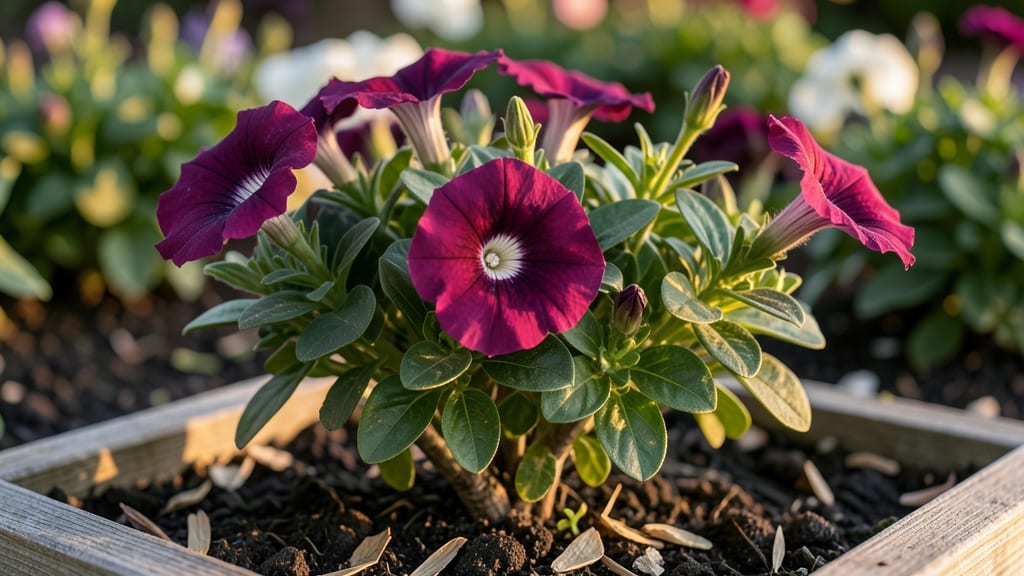
Starting to flower isn’t just luck—it’s all about timing, biology, light, and a few simple cuts that trick your plants into blooming when you want. I learned this the hard way after my roses sat stubbornly green through June, while my neighbor's burst into color weeks earlier.
The secret isn't magic—it's understanding how plants read their environment.
Most flowering plants wait for daylight length, temperature shifts, or maturity before they'll produce buds. Roses need 6-8 hours of direct sun daily and cooler nights to trigger blooms, while tomatoes respond to consistent warmth and pruning.
The 3 simple cuts I use—removing spent blooms, thinning crowded stems, and pinching back leggy growth—keep them focused on producing flowers instead of leaves. It's science with a pair of pruners.
You'll see the difference within 2-4 weeks: tighter growth, more buds, and flowers that last longer. My marigolds now bloom from May until frost, and my tomatoes produce clusters instead of single fruits.
The key is watching your plants and adjusting—more light for leggy growth, less water for stress-bloomers, or a late-season pruning to coax one last flush of color.
Works for perennials, annuals, and even houseplants like African violets. The same principles apply whether you're chasing summer blooms or winter color. Here's how to make it happen in your garden—no guesswork, just results.
📚 In This Guide
- What you need
- Instructions
- Tips and common mistakes
- Wrapping up and next steps
What you need
- ● Pruning shears or sharp bypass pruners – Look for clean, stainless steel blades (4–6" length) to avoid crushing stems.
- ● Rubbing alcohol (70% isopropyl) or hydrogen peroxide (3%) – 1 small bottle (8 oz) for sterilizing tools.
- ○ Garden gloves (optional but recommended) – Nitrile-coated for grip and protection.
- ● Healthy flowering plants – Choose perennials (e.g., roses, lavender, hydrangeas) or annuals (e.g., petunias, geraniums) with at least 2–3 mature stems.
- ● Hand pruners (backup) – For smaller stems or tight spaces.
- ● Sharpie or permanent marker – To label cuts if tracking progress.
- ● Balanced fertilizer (10-10-10 or 20-20-20) – 1 small bag (5–10 lbs) for post-cut feeding.
- ● Watering can with a fine rose nozzle – For gentle hydration after pruning.
- ● Know your plant’s growth cycle – Research whether your plant blooms on new wood (cut back hard) or old wood (light trims only).
- ● Pick the right season – Prune after flowering (for spring/summer bloomers) or in early spring (for fall/winter bloomers).
- ● Sunlight & warmth – Ensure your plants get 6+ hours of sun daily for best regrowth.
How to encourage year-round blooms with strategic pruning
Three targeted cuts will transform your plants into nonstop flowering machines—here's how to do it right.
Identify the Right Time for First Cuts
Wait until plants show at least 3-4 sets of true leaves and have established a sturdy stem. This ensures they've built enough energy reserves to support both foliage and flowers. I always check for new leaf pairs—that's your signal the plant is strong enough for the first cut.
Don't rush this step. If you prune too early, you'll stunt growth and delay flowering. Instead, watch for vigorous new growth at the stem tips—this means your plant is ready for the first pruning to encourage branching and more flower sites.
Make the First Cut to Encourage Branching
Use clean, sharp pruners to cut just above a leaf node where two leaves meet the stem. This forces the plant to send out new side shoots from dormant buds below the cut. I aim for a 45-degree angle to prevent water from pooling on the wound.
The goal is to remove about 1/3 of the plant's top growth in one cut. You'll see new shoots emerge from the nodes within 10-14 days. These secondary stems will become your new flowering sites, creating a bushier, more productive plant.
Deadhead Spent Blooms for Continuous Production
As flowers fade and seed pods form, snip them off just above the next set of leaves using your pruners. This prevents the plant from wasting energy on seed production. I deadhead every 3-5 days during peak bloom periods to keep flowers coming.
Watch for new flower buds forming at the leaf axils within 5-7 days after deadheading. This is your confirmation that the plant is redirecting energy to new blooms instead of seeds. The more you deadhead, the longer your plant will keep flowering.
Apply a Light Fertilizer After Each Major Cut
After making your first pruning cut and whenever you deadhead, feed the plant with a balanced, water-soluble fertilizer diluted to half-strength. This gives the plant the nutrients it needs to recover quickly and produce new growth.
I use a 10-10-10 formula every 2-3 weeks during active growth. The key is to fertilize right after pruning—this timing helps the plant bounce back faster and supports the development of new flower buds.
Tips & tricks for perfect year-round blooms
These simple yet transformative techniques will help you maintain vibrant, continuous flowers throughout the year with minimal effort.
Timing is Everything: The 3-4 sets of true leaves guideline in Step 1 is non-negotiable for healthy regrowth. I've found that plants with slightly larger leaves (about 2-3 inches long) at this stage tend to recover even better from pruning. This gives you a visual confirmation that the plant has enough energy reserves to support both foliage and flower production. Don't be tempted to prune earlier—patience here ensures stronger subsequent growth.
Precision Cutting Technique: When making your first cut in Step 2, focus on that 45-degree angle above the leaf node. This isn't just about aesthetics—it creates a larger surface area for faster healing while preventing water from collecting on the cut. I like to use my thumb to gently press the stem down while cutting to ensure I'm making the cut at exactly the right angle. The resulting wound will heal more quickly, reducing the risk of infection and allowing the plant to redirect energy to new growth.
Deadheading Discipline: The 3-5 day deadheading schedule in Step 3 might seem frequent, but it's crucial for continuous blooming. I've noticed that plants deadheaded every 4 days consistently produce more flowers than those done weekly. The key is to do this first thing in the morning when the flowers are fully open—this gives the plant the entire day to recover and start forming new buds. Use clean, sharp pruners each time to prevent spreading disease between cuts.
Fertilizer Timing Strategy: The 10-10-10 formula recommendation in Step 4 works well, but I've found that applying fertilizer immediately after pruning (within 30 minutes) gives the best results. This timing capitalizes on the plant's natural growth hormones that are activated by the pruning process. For container plants, I'll often water thoroughly first to prevent fertilizer burn, then apply the diluted solution to the soil surface rather than pouring it directly on the roots.
Pro Tips for Starting To Flower
- These simple yet transformative techniques will help you maintain vibrant, continuous flowers throughout the year with minimal effort.
- Timing is Everything: The 3-4 sets of true leaves guideline in Step 1 is non-negotiable for healthy regrowth.
- Precision Cutting Technique: When making your first cut in Step 2, focus on that 45-degree angle above the leaf node.
Frequently asked questions
Got questions about coaxing your plants into a year-round flowering frenzy? You’re not alone! Here are some of the most common queries—and their straightforward answers—to help you master the art of starting to flower with confidence.
How do I know if my plant is ready to start flowering?
Look for signs like new growth slowing down, leaves turning slightly lighter, and small buds forming at the stem’s base. For photoperiod-dependent plants (like cannabis or poinsettias), check if they’ve been exposed to 12+ hours of darkness daily for 2–4 weeks. If it’s a stress-induced bloomer (e.g., African violets), watch for root-bound conditions or temperature drops.
How long does it take for a plant to start flowering after the cut?
Timing varies by plant type! Most light-sensitive species (e.g., cannabis, tomatoes) show buds in 2–6 weeks. For stress-induced bloomers (like orchids or succulents), expect flowers in 4–8 weeks. Patience is key—consistency in light/dark cycles or pruning is more important than rushing. Pro tip: Keep a journal to track progress!
What if my plant won’t flower after the cut? Troubleshooting tips?
Start with the basics: light (12+ hours of darkness for short-day plants), temperature (cool nights can trigger blooms), and nutrients (switch to a low-nitrogen, high-phosphorus fertilizer). Rule out pests or disease, and check if your plant is genetically prone to flowering (some varieties are stubborn!). If all else fails, try light pruning to encourage new growth.
Can I force flowering in any plant, or are some just no-gos?
While most annuals, perennials, and many houseplants can be tricked into blooming, some tropicals (like jasmine) or biennials (e.g., foxgloves) need cold stratification or seasonal cues. Research your plant’s native growing conditions—if it thrives in short days, darkness is your best friend! For stubborn cases, ask a local nursery for species-specific hacks.
Do I need special tools or lights to start flowering?
Not always! For natural light lovers, a simple blackout curtain or moving the plant to a darker room works. If using artificial light, a 12-hour red/blue LED grow light (like a T5 or smart bulb) is ideal. Avoid cheap white LEDs—they won’t trigger flowering. Budget tip: Start with a $20 timer plug to automate light cycles!
Wrapping up and next steps
Watching your plants start to flower is like unlocking a secret garden—magical and rewarding! 🌸 With just three simple cuts, you’ve unlocked year-round blooms, proving that patience and a little pruning know-how go a long way.
Now that you’re armed with the right tools, techniques, and tips, it’s time to get growing.
Your next step? Grab those shears and give it a try—whether it’s a favorite annual, a stubborn shrub, or a new experiment. Celebrate each bloom as proof that your efforts are paying off. Happy pruning, and may your garden always be in full, glorious flower! 🌺