
Flowers
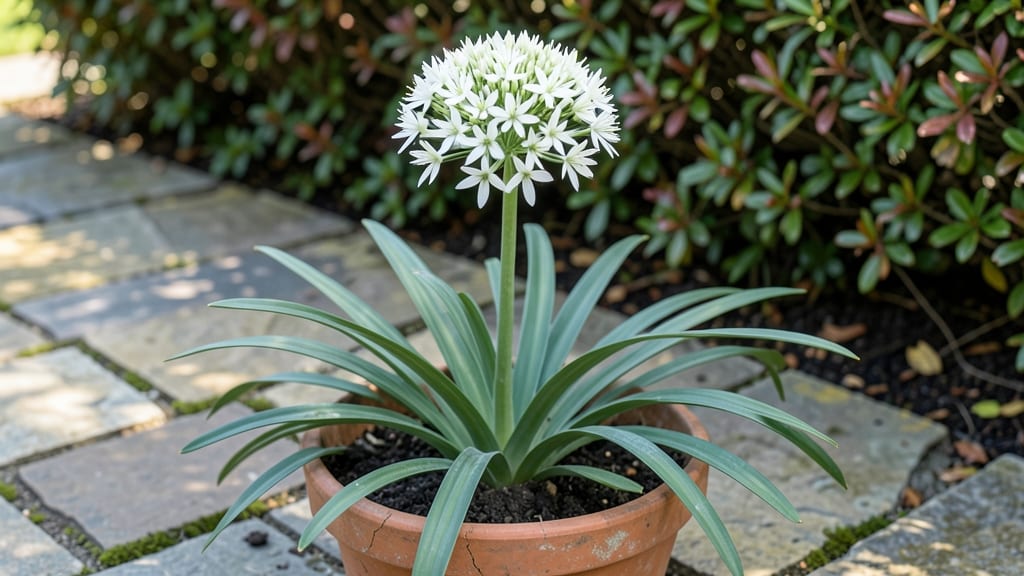
The Star of Bethlehem flower delivers shockingly lush blooms with almost no fuss—once you know its secrets. 🌱 I’ve grown these delicate white stars for years, and they’ve taught me that beauty doesn’t always require backbreaking work.
Their grass-like foliage and star-shaped flowers thrive even when you forget to prune, making them perfect for busy gardeners or anyone who wants low-maintenance elegance.
These hardy perennials love well-draining soil and bright but indirect sunlight, though they’ll tolerate partial shade in hotter climates. Water them once a week during dry spells, but don’t drown them—they hate soggy roots.
The best part? They bloom from late spring through summer, sometimes reblooming in fall with minimal care. Even experienced gardeners are surprised by how resilient they are.
You’ll end up with clusters of fragrant white flowers that look like tiny stars scattered across your garden bed. The foliage stays tidy, and the plants spread slowly over time, filling gaps without taking over.
Once established, they’re nearly indestructible, bouncing back from neglect and even light frost. That’s the magic of the Star of Bethlehem—effortless charm that keeps giving.
Whether you’re planting in full sun or dappled shade, these flowers adapt beautifully. They’re ideal for borders, rock gardens, or even container pots. The key is patience—give them a year to settle in, and they’ll reward you with years of blooms.
Ready to add some starry magic to your garden?
📚 In This Guide
- What you need
- Instructions
- Tips and common mistakes
- Wrapping up and next steps
What you need
- ● Star of Bethlehem bulbs: 10–20 bulbs (depending on desired coverage). Choose plump, firm bulbs (1.5–2 inches in diameter).
- ● Well-draining potting mix: 1–2 bags (5–10 gallons) of a cactus/succulent blend or add 20–30% perlite/pumice to regular soil.
- ● Containers or garden bed: For pots: 6–12-inch diameter containers (1–2 per bulb) with drainage holes.
- ● For in-ground planting: Full sun to partial shade (4+ hours of sunlight daily).
- ○ Gravel or pebbles: Small bag (5–10 lbs) for top-dressing (optional but recommended for drainage).
- ● Garden trowel or bulb planter (for digging).
- ● Watering can or hose with gentle spray (avoid overwatering!).
- ○ Pruning shears (for deadheading spent blooms—optional but helpful).
- ○ Fertilizer (optional): Balanced 10-10-10 or slow-release bulb food (1–2 applications per year).
- ○ Mulch (optional): Lightweight material like straw or bark chips (1–2 inches) to retain moisture.
Step-by-Step guide to cultivating Star of Bethlehem flowers
Mastering this elegant perennial takes patience and precision—but the results are worth every effort.
🌱 Step 1: Select and Prepare the Planting Site
Star of Bethlehem (Ornithogalum umbellatum) thrives in well-draining soil with a pH between 6.0 and 7.5. Choose a location with partial shade to full sun—morning sunlight with afternoon shade prevents leaf scorch, especially in hotter climates. Here's the thing: this plant despises soggy roots, so avoid low-lying areas where water pools.
Test your soil's drainage by digging a 6-inch deep hole. Fill it with water and time how long it takes to drain completely. If it takes longer than 2 hours, amend the soil with 2-3 inches of coarse sand or perlite to improve aeration. I like to work in a 2-inch layer of compost as well—just enough to enrich without compacting the soil.
☀️ Step 2: Plant at the Right Depth and Spacing
Plant your Star of Bethlehem bulbs in early fall or late winter, about 4-6 weeks before your last frost date. The bulbs should be placed 4-6 inches deep and 6-8 inches apart—deeper planting prevents frost heave, while proper spacing allows roots to establish without competition. Real talk: overcrowding leads to weak stems and fewer blooms.
Use your finger to create a small hole, then place the bulb with the pointed end facing upward. Cover it with soil and firm gently around the base. Water deeply right after planting to encourage root growth. You'll see new shoots emerge within 3-4 weeks—that's your signal everything is working.
💧 Step 3: Water and Fertilize for Optimal Growth
Water your Star of Bethlehem deeply once a week during the growing season, ensuring the soil is moist but not waterlogged. The top 2 inches of soil should feel slightly damp to the touch. Overwatering causes bulb rot, which is irreversible. I use a drip irrigation system or soaker hose to deliver water directly to the roots without wetting the foliage.
Fertilize lightly in early spring with a balanced, slow-release fertilizer (10-10-10 ratio). Apply ½ teaspoon per plant and water it in. Avoid high-nitrogen fertilizers—they promote leafy growth at the expense of flowers. You'll notice the first flower stalks emerging in late spring, typically 8-10 weeks after planting.
✂️ Step 4: Prune and Maintain for Year-Round Blooms
Once flowering is complete, cut back the bloom stalks at the base with clean, sharp shears. Don’t prune the leaves—they photosynthesize and feed the bulb for next year’s blooms. Here's the method I rely on: leave the foliage until it turns yellow-brown and wilts naturally. This ensures the bulb stores enough energy for next season.
In late summer or early fall, apply a 2-inch layer of mulch around the base of the plant. This protects the bulbs from temperature fluctuations and retains moisture. Star of Bethlehem is relatively low-maintenance, but I still check for pests like aphids or slugs—a quick spray of neem oil keeps them at bay without harming the plant.
Tips & tricks for perfect Star of Bethlehem cultivation
Between us, these little details make all the difference between a struggling patch of Star of Bethlehem and a thriving, blooming garden staple.
Soil Preparation: Don't skip the drainage test in Step 1—this is non-negotiable. If your soil drains slower than 2 hours, mix in that 2-3 inches of coarse sand or perlite right up to the bulb's planting depth. I've seen bulb rot ruin entire plantings because of ignored drainage warnings. Think of it as creating a tiny desert environment for your bulbs.
Planting Timing: The 4-6 week window before your last frost date matters more than you might think. Plant too early, and the bulbs may sprout prematurely in cold soil. Too late, and they won't establish roots before winter. I always check my local frost date calendar and mark the window with colored tape on my calendar—it's that critical. The 3-4 week shoot emergence time is your confirmation everything's on track.
Watering Wisdom: That once-a-week deep watering in Step 3 is about consistency, not quantity. Use your finger to check the top 2 inches of soil—it should feel like a wrung-out sponge, not a swamp. I've learned the hard way that morning watering prevents fungal issues, while evening watering invites slugs. And never, ever let water pool around the base—this plant's bulbs will rot faster than you can say "spring blooms."
Flower Maintenance: When those bloom stalks appear after 8-10 weeks, resist the urge to cut them back immediately. Let them go to seed naturally once for the first year—this establishes your plant's genetic line. After that, you can cut them back at the base to encourage more blooms next season. The key is leaving that foliage until it turns yellow-brown naturally—this is how the bulb stores energy for next year's show.
Pro Tips for Star Of Bethlehem Flower
- Between us, these little details make all the difference between a struggling patch of Star of Bethlehem and a thriving, blooming garden staple.
- Soil Preparation: Don't skip the drainage test in Step 1—this is non-negotiable.
- Planting Timing: The 4-6 week window before your last frost date matters more than you might think.
Frequently asked questions
Got questions about growing and caring for the Star of Bethlehem flower? Here are some of the most common ones—and their answers!
How do I encourage more blooms on my Star of Bethlehem?
The Star of Bethlehem thrives in well-draining soil and partial shade. To boost blooms, ensure it gets morning sun and afternoon shade, especially in hot climates. Deadhead spent flowers regularly to redirect energy to new growth. Pro tip: A light layer of mulch helps retain moisture and nutrients, which can lead to more vibrant blooms!
When is the best time to plant Star of Bethlehem?
Plant bulbs in early fall (September-October) for spring blooms, or in late winter (February-March) in warmer climates. This gives roots time to establish before the growing season. Avoid planting in extreme heat or frost, as it can stress the bulbs.
Can I grow Star of Bethlehem in containers?
Choose a wide, shallow container with drainage holes to mimic its natural habitat. Use a mix of potting soil and sand or perlite for aeration. Place the container where it gets partial shade, and water moderately—let the top inch of soil dry out between waterings. Just avoid overcrowding; space bulbs 3-4 inches apart!
Are Star of Bethlehem flowers toxic to pets?
Yes, Star of Bethlehem contains toxic alkaloids that can cause nausea, vomiting, or diarrhea if ingested by pets. Keep it out of reach of cats and dogs. If you suspect poisoning, contact your vet or the ASPCA Poison Control immediately. Safety first!
What should I do if my Star of Bethlehem isn’t blooming?
Check these common culprits:
- Lack of sunlight: Move to a brighter spot (but avoid harsh afternoon sun).
- Overwatering: Ensure soil drains well—soggy roots can stunt blooms.
- Old bulbs: Dig up and divide bulbs every 3-4 years to rejuvenate growth.
- Nutrient deficiency: Add a balanced fertilizer in early spring.
Wrapping up and next steps
The Star of Bethlehem flower is a true gem for gardeners seeking beauty with minimal fuss—its striking blooms and resilience make it a standout choice for year-round interest. Whether you're drawn to its Ornithogalum varieties or its easy-care nature, this flower proves that stunning gardens don’t require constant upkeep.
Now that you’re armed with the right tips, why not take the next step?
- 🌱 Plant one (or a few!) in your garden—even a small patch can transform your space.
- 📸 Share your progress with fellow plant lovers online or in local gardening groups.
- 💡 Experiment with companion plants to create a vibrant, low-maintenance display.
Your green thumb is ready—let the Star of Bethlehem shine! 🌟