
Planting
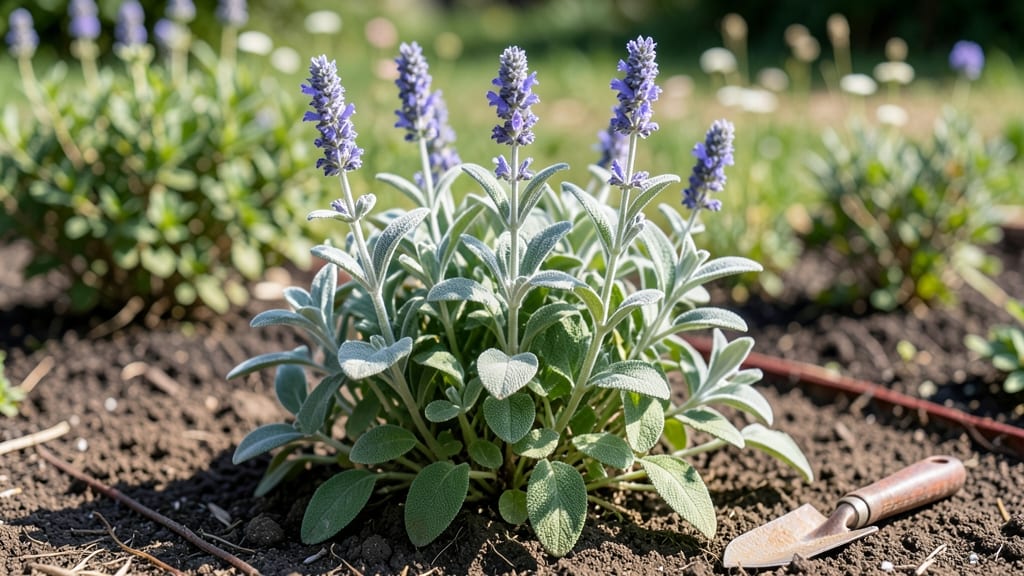
Growing sage herb plant flowers that bloom reliably isn’t just about the leaves—it’s about mastering a delicate balance of light, pruning, and patience. 🌿 My first attempt ended with woody stems and zero flowers, but after three seasons of trial and error, I cracked the code: prune at the right time, feed the right way, and the plant rewards you with fragrant purple-blue spikes that last from late spring through summer.
The secret lies in two pruning sessions: a hard cut back in early spring to encourage new growth, followed by light trimming after flowering to maintain shape.
Sage thrives in full sun (6+ hours daily) and well-draining soil, but the real game-changer is knowing when to stop watering—this drought-tolerant herb hates soggy roots. With the right approach, you’ll harvest both culinary leaves and ornamental blooms without sacrificing one for the other.
What you’ll end up with is a multi-purpose plant that doubles as a kitchen staple and a pollinator magnet. The flowers attract bees while the leaves stay tender for cooking, and the woody stems make excellent dried bundles for long-term fragrance.
Even in winter, a well-pruned sage plant stays compact and productive, proving that precision in timing pays off year-round.
This method works for both garden beds and containers, whether you’re growing common culinary sage or ornamental varieties like ‘Purpurascens’ with its striking purple foliage. The key is consistency—skip the guesswork, and your sage will thrive as both a fragrant herb and a flowering showstopper.
📚 In This Guide
- What you need
- Instructions
- Tips and common mistakes
- Wrapping up and next steps
What you need
- ● Sage plants (Salvia officinalis) – 2–3 healthy mature plants (6+ inches tall) or seeds (if starting from scratch). Choose common sage or purple sage for vibrant flowers.
- ● Well-draining potting mix – 10–15 lbs of cactus/succulent blend (or regular potting soil mixed with perlite or sand for drainage).
- ● Containers or garden bed – 5–10 gallon pots (with drainage holes) or a sunny garden spot with 6+ hours of sunlight daily.
- ● Pruning shears – Sharp, clean bypass pruners (sterilized with rubbing alcohol).
- ● Slow-release fertilizer – 1 lb of balanced 10-10-10 or organic options like fish emulsion.
- ● Watering can or hose with a gentle nozzle – Sage hates soggy roots!
- ● Gloves – Lightweight gardening gloves to protect hands from prickly stems.
- ● Drying rack or screen – For preserving pruned flowers (e.g., window screen + clothespins).
- ● Essential oil diffuser – To enjoy the aromatic benefits of dried sage flowers year-round.
- ● Label markers – To tag plants if growing multiple varieties.
- ○ Mulch (optional) – Straw or gravel to retain moisture and suppress weeds.
How to encourage sage flowers for year-round fragrance
Pruning sage correctly transforms it from a simple herb into a fragrant, flowering showpiece.
🌿 Step 1: Select and Prepare a Healthy Sage Plant
Choose a mature sage plant—either garden-grown or container-raised—with at least 12 inches of sturdy stems and silver-green foliage. Avoid plants with yellowing leaves or leggy growth, as these struggle to support flowers. I always inspect the undersides of leaves for spider mites before working with them—early detection prevents infestations that weaken flowering potential.
If your sage is in the ground, water it 2-3 days before pruning to ensure the soil is moist but not soggy. For container plants, check that the bottom inch of soil feels damp—this prevents stress during trimming. A well-hydrated plant produces more robust blooms and recovers faster from pruning cuts.
✂️ Step 2: Prune for Flowering Structure in Early Spring
The key to flowering sage is selective pruning—never cut more than one-third of the plant's height at once. Using sharp pruning shears, trim back the oldest, leggiest stems by 2-3 inches just above a set of healthy leaves. This encourages new growth from the base, where flowers typically emerge.
Here's the thing—sage flowers grow on new wood, so you're actually shaping next year's blooms now. Focus on stems that are woody at the base but still flexible. If a stem snaps when bent, it's too old to flower and should be removed entirely. Always make cuts at a 45-degree angle to increase surface area for healing.
☀️ Step 3: Provide Optimal Conditions for Flowering
Sage needs full sun (6+ hours daily) to produce flowers, but the timing matters. After pruning, move potted plants to the sunniest spot in your garden or patio. If you're growing indoors, place them near a south-facing window or under a grow light for 14 hours daily. Without sufficient light, stems elongate and produce weak, sparse blooms.
Water deeply once weekly, allowing the top 2 inches of soil to dry between waterings. Overwatering causes root rot, which prevents flowering. You'll know your plant is happy when new growth appears within 3-4 weeks—these are the stems that will eventually bear flowers. A light misting of fish emulsion fertilizer (diluted to half strength) every 4 weeks boosts bloom production.
🌱 Step 4: Deadhead and Maintain Through the Season
Once flowers appear—usually 6-8 weeks after pruning—remove spent blooms by snipping the entire stem back to a leaf node. This redirects the plant's energy toward new flowers instead of seed production. I always deadhead in the morning when stems are firm, as this prevents attracting pests to the fresh cuts.
Continue pruning lightly throughout the season to maintain shape. In late summer, give sage a light haircut—trim all stems by 1 inch to encourage a final flush of flowers before winter. This second pruning is crucial for container plants, as it prevents woody growth that reduces next year's flowering potential.
⏰ Step 5: Prepare for Year-Round Fragrance
As temperatures drop below 50°F, move potted sage indoors to a bright, cool location (like an unheated garage or sunroom). Reduce watering to every 2-3 weeks, letting the soil dry completely between waterings. This dormancy period ensures the plant stores energy for spring blooms.
Here's where it gets fun—harvest leaves and flowers as needed for cooking or drying. The more you prune and harvest, the bushier and more fragrant your sage becomes. By spring, you'll have a plant that flowers earlier and more abundantly than store-bought varieties, all thanks to precise pruning.
Tips & tricks for perfect sage herb plant flowers
Transforming your sage into a fragrant, flowering beauty takes intentional care—and these pro tips will help you avoid common pitfalls while maximizing results.
Healthy Starts with Healthy Stems: In Step 1, when selecting your sage, look for stems that are woody at the base but still flexible—this is your best indicator of a plant capable of robust flowering. I've learned the hard way that leggy stems (those that bend easily) rarely produce flowers, no matter how much you prune. Also, check for silver-green foliage—dull or yellowing leaves signal stress or disease, which will compromise flowering potential.
Precision Pruning Pays Off: During Step 2, when making your 2-3 inch cuts, focus on removing stems that are woody at the base but still green at the tips. These are the stems that will produce flowers next season. I always make cuts at a 45-degree angle—this increases surface area for faster healing and reduces the risk of disease entry. Pro tip: Sterilize your pruning shears with rubbing alcohol between cuts to prevent spreading any potential pathogens.
Light is Non-Negotiable: The 6+ hours of full sun in Step 3 isn't just ideal—it's absolutely essential. If your sage isn't getting enough light, you'll notice stems stretching toward the light source (a condition called etiolation) and flowers becoming sparse. For indoor growers, supplement with a grow light on a 14-hour timer—this mimics natural daylight cycles and triggers flowering. I've seen sage plants in south-facing windows produce twice as many flowers as those in dimmer locations.
Deadheading Timing Matters: When flowers appear after 6-8 weeks, don't wait to deadhead! Remove spent blooms by cutting the entire stem back to a leaf node—this redirects the plant's energy toward new flower production instead of seed development. I always do this in the morning when stems are firmest, which prevents attracting pests to the fresh cuts. This simple step can extend your flowering season by several weeks.
Pro Tips for Sage Herb Plant Flowers
- Transforming your sage into a fragrant, flowering beauty takes intentional care—and these pro tips will help you avoid common pitfalls while maximizing results.
- Healthy Starts with Healthy Stems: In Step 1, when selecting your sage, look for stems that are woody at the base but still flexible—this is your best indicator of a plant capable of robust flowering.
- Precision Pruning Pays Off: During Step 2, when making your 2-3 inch cuts, focus on removing stems that are woody at the base but still green at the tips.
Frequently asked questions
Got questions about growing, harvesting, or using sage herb plant flowers?
Here are some of the most common ones—plus quick, practical answers to keep your garden thriving year-round!
1. When is the best time to harvest sage flowers for pruning?
Harvest sage flowers just as they begin to open—typically in late spring or early summer, depending on your climate. Prune in the morning after dew has dried for the freshest blooms. Avoid cutting after the flowers fully bloom, as this reduces their fragrance and medicinal potency. Pro tip: Use sharp, clean scissors to avoid damaging the plant!
2. How often should I prune my sage plant to encourage flowering?
Prune sage 2-3 times per year:
- Early spring: Trim back about ⅓ of the plant to promote new growth.
- After flowering: Lightly prune to shape and remove spent blooms.
- Fall: Cut back any woody or overgrown stems to prep for winter.
Regular pruning keeps sage bushy, encourages more flowers, and prevents it from becoming leggy.
3. Can I use sage flowers instead of leaves for cooking or remedies?
Yes! Sage flowers are edible and aromatic, but they’re milder than the leaves. Use them sparingly in teas, garnishes, or infused oils. For culinary use, leaves are the star—flowers add a delicate floral note, perfect for desserts or herbal blends. Caution: Always confirm freshness and avoid overconsumption.
4. How do I protect sage plants from winter damage?
Sage is hardy but benefits from winter prep:
- Mulch the base with 2-3 inches of straw or pine needles to insulate roots.
- Prune back dead or weak stems in late fall to reduce stress.
- In cold climates (<30°F), wrap young plants in burlap or frost cloth.
Most sage survives winter, but evergreen varieties may need extra care in harsh zones.
5. Why aren’t my sage flowers opening, even after pruning?
Several factors can delay blooms:
- Insufficient sunlight: Sage needs 6+ hours of full sun daily.
- Over-fertilizing: Too much nitrogen = leafy growth, fewer flowers.
- Stress: Check for pests (like spider mites) or root rot.
- Age: Young plants may take 1-2 years to flower.
Adjust care and repot if soil is depleted. Patience pays off—healthy sage rewards you with vibrant blooms!
Wrapping up and next steps
From harvesting vibrant sage blooms to crafting fragrant wreaths and culinary delights, you’ve unlocked the full potential of your Salvia officinalis plant! 🌿 Pruning with precision not only boosts growth but also fills your space with year-round fragrance—whether in arrangements, teas, or homemade remedies.
Now that you’re equipped with the know-how, why not experiment further?
- 🌱 Expand your garden: Try growing other aromatic herbs like lavender or rosemary for layered scents.
- 📝 Journal your progress: Track pruning dates, bloom cycles, and fragrance intensity to refine your technique.
- 🎁 Share the magic: Gift handmade sage bundles or recipes to friends—spread the joy of natural fragrance!
Your green thumb is already blooming—keep nurturing it! 🌟