
Flowers
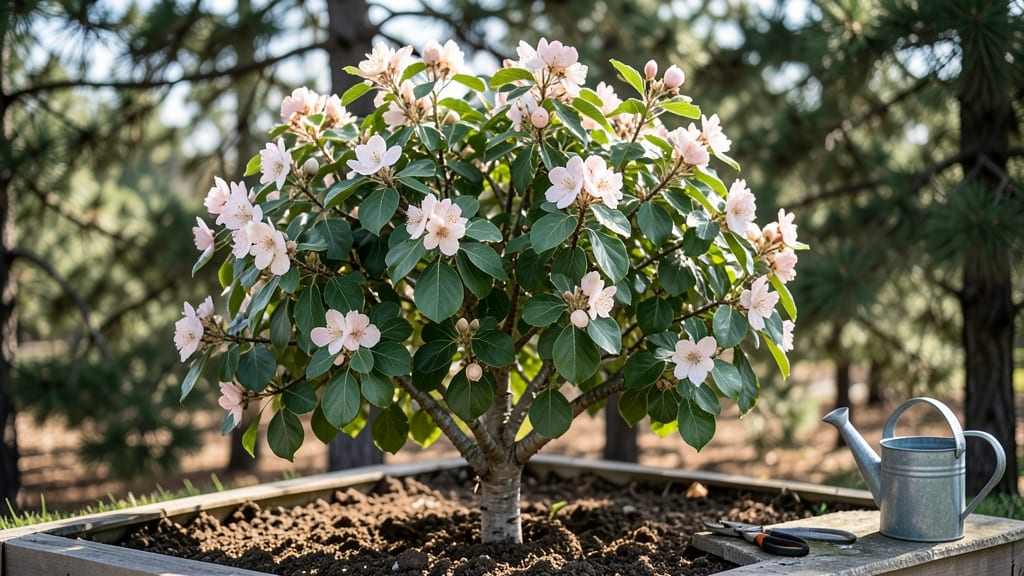
The delicate ornamental pear flower transforms your yard into a fragrant spring paradise, and these trees keep stealing the show with glossy foliage that blazes gold in fall—just like mine did five years after I planted it. 🌸 season, and now it’s the centerpiece of my backyard.
The trick isn’t just planting—it’s knowing when to prune to keep that lush canopy dense and disease-free.
These trees thrive in full sun but handle partial shade, and they’re not fussy about soil as long as it drains well. Most varieties grow 20-40 feet tall, so choose your spot wisely—think mature size now to avoid future headaches.
The real magic happens in pruning: three simple cuts in late winter can double your blooms next spring while keeping the tree healthy and shaped just right.
By summer, you’ll have a canopy that outshines anything at the nursery, with fragrant white flowers in spring and fiery fall color that lasts weeks. The best part? Once established, they need almost no care beyond an annual pruning session. Even my black thumb keeps this tree looking effortlessly elegant.
Whether you’re starting from a bare-root sapling or pruning an existing tree, these techniques work for all common varieties like ‘Aristocrat’ or ‘Chanticleer.’ Let’s get your ornamental pear looking like a million bucks—literally, since it’ll be worth more than any other tree on your block.
📚 In This Guide
- What you need
- Instructions
- Tips and common mistakes
- Wrapping up and next steps
What you need
- ● Ornamental Pear Tree: 1 nursery-grown sapling (3–5 ft tall) or bare-root tree (for dormant planting)
- ● Varieties: ‘Bradford,’ ‘Aristocrat,’ or ‘Chanticleer’ (disease-resistant picks!)
- ● Soil Amendments: 5 lbs compost or well-rotted manure
- ● 1 lb balanced fertilizer (10-10-10 or organic alternative)
- ● 1 bag garden loam (if native soil is clay-heavy)
- ● Planting Supplies: 1 shovel
- ● 1 garden trowel
- ● 2–3 mulch chips (3–4 inches thick, e.g., pine bark)
- ● Pruning Tools: 1 pair bypass pruners (for small branches)
- ● 1 loppers (for thicker branches, 1.5–2.5 inches)
- ● 1 pruning saw (for stubborn limbs)
- ○ Safety Gear (Optional but Recommended):strong> 1 pair gloves (cut-resistant for pruning)
- ● 1 safety goggles (to shield from debris)
- ○ Seasonal Extras: 1 tree wound dressing (for large cuts, optional)
- ● 1 spray bottle (for watering seedlings or cuttings)
- ● Location: Full sun (6+ hours/day) and well-draining soil (pH 6.0–7.5). Avoid low spots where water pools!
- ● Timing: Planting: Early spring or fall (avoid frost)
- ● Pruning: Late winter (dormant season) or post-bloom (summer)
- ● Knowledge: Basic pruning techniques (or a YouTube tutorial—we won’t judge!)
How to cultivate stunning ornamental pear trees for year-round interest
Here's how to coax those iconic white blooms and lush foliage into your landscape.
🌱 Step 1: Choose the Perfect Planting Site and Soil
Ornamental pears thrive in full sun to partial shade—at least 6 hours of direct sunlight daily. I always plant mine where they'll get morning sun and afternoon shade in hotter climates. The soil should drain well but retain moisture; amending heavy clay with 2-3 inches of compost makes a world of difference.
Dig a hole twice as wide as the root ball but only as deep. The top of the root flare should sit 1-2 inches above ground level—this prevents water pooling around the trunk. Gently loosen the roots if they're circling before placing in the hole. Backfill with native soil, tamping lightly to remove air pockets.
☀️ Step 2: Establish Proper Watering and Mulching Routines
Water deeply 2-3 times per week for the first year, keeping the soil 2-3 inches moist at all times. You'll know it's right when water runs out the drainage holes but doesn't puddle. After establishment, water once weekly unless you're in extreme heat, then increase to twice weekly.
Spread 3 inches of mulch around the base, keeping it 6 inches away from the trunk. I use shredded bark mulch because it breaks down slowly and improves soil structure over time. Replenish mulch annually to maintain that 3-inch layer—this conserves moisture and regulates soil temperature.
✂️ Step 3: Apply the Three Pruning Hacks for Year-Round Beauty
First, do a late-winter cleanup (just as buds swell) to remove dead, crossing, or weak branches. Cut back to the nearest outward-facing bud using clean, sharp pruners. This opens the canopy to sunlight and air, preventing fungal issues. I always sterilize my tools with rubbing alcohol between cuts to avoid spreading disease.
Next, after flowering, perform light structural pruning to maintain an open center. Remove no more than 25% of the canopy at one time—this keeps the tree healthy while encouraging new growth. The goal is to create a vase-like shape that lets light penetrate to the inner branches, which is where those stunning fall colors develop.
Finally, in early summer, trim any suckers at the base and any water sprouts growing vertically. These energy vampires drain the tree and disrupt its natural form. Pinch back new growth by ⅓ to encourage bushier, more compact branches that support heavier blooms next season.
Tips & tricks for perfect ornamental pear flower cultivation
Here's what nobody tells you about keeping your ornamental pear looking spectacular year after year.
Sunlight Strategy: Those 6 hours of daily sunlight are non-negotiable for those iconic blooms, but I've found morning sun with afternoon shade works best in hot climates. If your tree gets afternoon sun, watch for leaf scorch—it'll show up as crispy brown edges. A light shade cloth during peak summer afternoons can save your tree's foliage while still letting it get enough light for flowering.
Root Care Secret: That 1-2 inch elevation above ground level for the root flare isn't just about drainage—it's about preventing disease. I've seen too many trees develop cankers from water pooling at the trunk. After planting, create a shallow berm around the base to gently slope water away from the trunk. This simple trick keeps roots healthy and happy.
Watering Wisdom: The 2-3 inches of moist soil isn't about keeping the ground soggy—it's about consistent moisture. I use a moisture meter to check depth, and I've found that watering in the morning gives roots all day to absorb moisture before evening evaporation. You'll know you're doing it right when water runs out drainage holes but doesn't puddle.
Pruning Timeline: That late-winter cleanup right as buds swell is your secret weapon for next year's blooms. I mark my calendar for February in colder zones and January in warmer areas—just when those fat buds appear. The key is to make cuts at a 45-degree angle just above an outward-facing bud. This creates the perfect conditions for new growth that'll support heavier flower clusters.
Pro Tips for Ornamental Pear Flower
- Here's what nobody tells you about keeping your ornamental pear looking spectacular year after year.
- Sunlight Strategy: Those 6 hours of daily sunlight are non-negotiable for those iconic blooms, but I've found morning sun with afternoon shade works best in hot climates.
- Root Care Secret: That 1-2 inch elevation above ground level for the root flare isn't just about drainage—it's about preventing disease.
Frequently asked questions
Got questions about growing and caring for ornamental pear flowers? You’re not alone! Here are some of the most common queries—plus quick, practical answers to keep your tree thriving year-round.
How fast do ornamental pear trees grow?
These fast-growing trees can add 3–5 feet per year under ideal conditions (full sun, well-drained soil, and regular watering). In their first decade, they can reach 20–30 feet tall—so plan for long-term space if planting near structures or sidewalks. Dwarf varieties grow slower (1–2 feet/year) but still deliver stunning blooms!
When is the best time to prune ornamental pear flowers?
Prune late winter or early spring (before buds swell) to shape the tree and remove dead/diseased branches. Avoid pruning in fall—it can stimulate new growth that won’t harden off before winter. For year-round canopy magic, light pruning after flowering (summer) can encourage bushier growth, but keep it minimal to avoid stressing the tree.
Why aren’t my ornamental pear flowers blooming?
Common culprits include over-pruning (removing too many branches), poor sunlight (they need 6+ hours of direct sun), or nutrient deficiencies (test soil pH; they prefer 6.0–7.0). Young trees (under 3 years) may also take time to bloom. Try a balanced fertilizer in early spring to boost flowering potential!
Are ornamental pear trees messy? Do they drop fruit or leaves?
Yes! While their snow-white spring blooms are stunning, they produce small, inedible pears that litter lawns in fall. The fruit is messy but harmless—just rake them up if you dislike cleanup. For a cleaner look, choose ‘Arnold’ or ‘Chanticleer’ cultivars, which have fewer fruit drops. Evergreen varieties (like Pyrus calleryana ‘Fastigiata’) shed fewer leaves overall.
What’s a good alternative if I want less maintenance?
If ornamental pears feel high-maintenance, try these low-fuss, ornamental bloomers:
- Crabapple trees (e.g., ‘Red Jewel’): Similar blooms, fewer fruit drops, and disease-resistant varieties.
- Serviceberry (Amelanchier): Edible berries, spring flowers, and fall color—plus, they’re drought-tolerant.
- Hawthorn: Thrives in urban areas, supports pollinators, and has thornless cultivars available.
Wrapping up and next steps
Transforming your outdoor space with ornamental pear flowers is a rewarding journey that blends beauty and practicality! 🌸 These stunning trees offer year-round interest, from delicate blooms to vibrant fall foliage, while their low-maintenance nature makes them perfect for gardeners of all levels.
With the right pruning techniques—like selective thinning, structural shaping, and rejuvenation cuts—you’ll keep your tree thriving and picture-perfect for seasons to come.
Ready to dive in? Start by gathering your tools and choosing a sunny spot in your yard. Then, roll up your sleeves and give your ornamental pear the care it deserves—your future canopy will thank you! 🌿