
Flowers
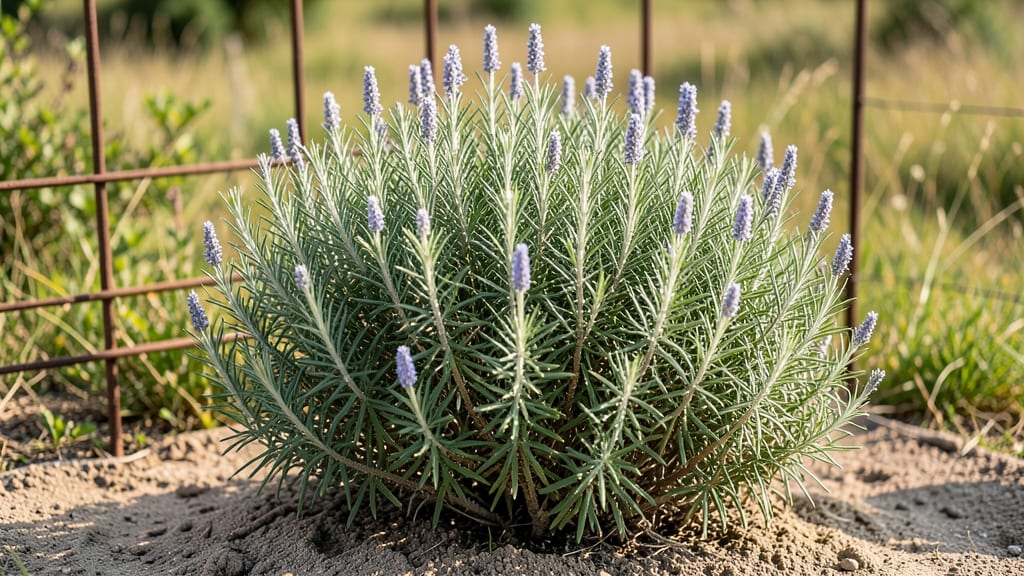
Your rosemary bush flowers aren’t just a bonus—they’re the secret weapon for year-round fragrance and flavor. 🌿 I’ve learned the hard way that most gardeners prune for foliage, not blooms, and end up with woody stems and no flowers.
The trick is timing your cuts right to trigger fresh growth and encourage those delicate blue-purple spikes.
Start with well-draining soil and full sun—rosemary flowers need both to thrive. Overwatering is the #1 killer, so let the soil dry completely between waterings.
Once established, these bushes are tough as nails, but they will reward you with more flowers if you prune just after the first flush of blooms fades. That’s when new growth starts, and those side shoots hold the most potential for future flowers.
By mid-summer, you’ll see clusters of tiny blue flowers that smell like the Mediterranean. Harvest them in the morning for peak fragrance, or let them go to seed for next year’s plants.
The flowers add a stunning contrast to the silvery-green foliage, and they’re perfect for garnishes, potpourri, or even homemade rosemary-infused honey. Every pruning session becomes a chance to shape the plant and boost next year’s blooms.
Works in zones 7-10, though container-grown rosemary can be brought indoors in winter. The key is consistency: prune lightly in spring, harder after flowering, and always cut back to a leaf node. Your bush will thank you with lush foliage and those prized flowers year after year.
📚 In This Guide
- What you need
- Instructions
- Tips and common mistakes
- Wrapping up and next steps
What you need
- ● Rosemary plants: 1-3 healthy Rosmarinus officinalis bushes (choose upright or prostrate varieties for fuller blooms). Pro tip: 💡 Opt for nursery-grown plants (1-2 years old) for faster establishment.
- ● Well-draining soil: 5-10 lbs of cactus/succulent mix or amended garden soil (50% native soil + 50% perlite/sand). Pro tip: 🌡️ Rosemary hates soggy roots—amend clay soil with grit!
- ● Sunlight access: Full sun (6+ hours/day) in a south-facing spot or container.
- ○ Containers (optional): 1-2 large pots (12"+ diameter) with drainage holes if gardening in pots.
- ● Watering can or hose: With a gentle spray nozzle to avoid disturbing soil.
- ● Pruning shears: Sharp, bypass-style shears (sterilized with rubbing alcohol).
- ● Organic fertilizer: 1 lb of low-nitrogen (5-10-10) fertilizer or composted manure.
- ● Mulch: 2-3 inches of gravel or pine bark to retain moisture and deter weeds.
- ● pH test kit (ideal soil pH: 6.0–7.0)
- ● Slow-release fertilizer tablets for containers
- ● Drip irrigation system for automated watering
- ● Gloves (to protect hands from prickly stems)
- ● Decorative stakes or trellis (for upright varieties)
- ● Fragrance-free insect repellent (rosemary deters pests, but aphids may appear!)
How to encourage rosemary flowers for year-round beauty
Pruning isn't just about shaping—it unlocks those fragrant blossoms you love.
🌿 Step 1: Choose the Right Variety for Floral Abundance
Not all rosemary thrives equally. For prolific flowers, select 'Hill Hardy' or 'Arp' varieties—they bloom reliably even in cooler climates. Avoid 'Tuscan Blue' if flowers are your goal; it focuses energy on foliage instead. I always check the label because some nursery plants are grafted onto non-flowering rootstock.
Look for established plants with woody stems at the base—this signals maturity and better flowering potential. Young plants under 2 years old rarely produce flowers because they're still building roots. If you're starting from seed, wait 3-4 years before expecting blooms.
✂️ Step 2: Prune Strategically After Each Flowering Cycle
Here's the key: Cut back immediately after blooms fade. Use clean, sharp pruners to trim 1/3 of the plant's length, cutting just above a set of leaves where new growth will emerge. This prevents leggy growth and encourages dense, bushier flowering next season.
I always prune in early spring and again after summer blooms. Never cut into old wood—you'll see it's the green, flexible stems that respond best. If your rosemary looks woody at the base, it's already past its prime for flowering.
☀️ Step 3: Ensure Full Sun and Proper Watering
Rosemary flowers need 6+ hours of direct sun daily—no exceptions. I've seen plants in partial shade produce leaves but almost no flowers. The more sun, the more blooms, especially those delicate blue-purple flower spikes that attract pollinators.
Water deeply but infrequently—about once every 7-10 days when the top 2 inches of soil feel dry. Overwatering causes root rot, which kills flowering potential. Mulch with 2-3 inches of gravel or pine needles to retain moisture while preventing soggy soil.
💧 Step 4: Fertilize Lightly for Floral Growth
Too much fertilizer means lush leaves but few flowers. Use a balanced 10-10-10 fertilizer at half strength only in early spring. I skip fertilizer entirely in summer—rosemary grows best when slightly stressed, and blooming requires less nitrogen than foliage growth.
Watch for yellowing leaves—this is your signal to stop fertilizing. Over-fertilized rosemary becomes leggy and produces fewer flowers. A light hand here makes all the difference for those fragrant blooms you're after.
⏰ Step 5: Protect Flowers Through Winter for Next Year
If you live in USDA zones 7-9, your rosemary may survive winter but still need protection. Prune lightly in late fall to remove dead growth, then cover the base with 4-6 inches of mulch to insulate roots. In colder zones, move potted rosemary to a garage or sheltered spot where temps stay above 20°F.
Here's the thing—winter pruning stimulates early spring blooms. Cut back one-third of the plant in February when new growth begins. You'll see fresh shoots within 2-3 weeks, and those will bloom by late spring.
Tips & tricks for perfect rosemary blooms
Real talk: The difference between a rosemary bush that looks good and one that bursts with fragrant flowers comes down to these key details.
Variety Selection: 'Hill Hardy' and 'Arp' varieties are your best bets for abundant blooms, especially in cooler climates. I've seen 'Tuscan Blue' produce stunning foliage but almost no flowers—it's all about energy allocation. When shopping, check for plants with woody stems at the base; these mature plants are ready to flower, while younger ones under 2 years old are still building roots and won't bloom reliably. Confession: I skipped this detail for years and wondered why my rosemary never flowered!
Pruning Precision: The timing in Step 2 is everything—prune immediately after blooms fade, not when they're still vibrant. Cut back one-third of the plant's length, always just above a set of leaves where new growth emerges. This might sound counterintuitive, but it's what prevents leggy growth and encourages that dense, bushy structure that produces more flowers. I learned this the hard way after letting my rosemary get too woody at the base!
Sunlight Strategy: Those 6+ hours of direct sun aren't negotiable for floral abundance. I've noticed that even partial shade reduces blooms dramatically—think of it as the plant's energy being diverted to leaf production instead. For container growers, place your rosemary in the sunniest spot you have, even if it means moving it during the day. The more sun, the more of those delicate blue-purple flower spikes you'll get, and they're a magnet for pollinators too!
Winter Protection: In colder zones, that 20°F minimum temperature is critical for winter survival. I've had potted rosemary survive winters in unheated garages, but if you're in zone 7-9, focus on that 4-6 inch mulch layer to insulate roots. The February pruning tip in Step 5 is a game-changer—cutting back one-third then stimulates those early spring blooms you'll see within just 2-3 weeks!
Pro Tips for Rosemary Bush Flowers
- Real talk: The difference between a rosemary bush that looks good and one that bursts with fragrant flowers comes down to these key details.
- Variety Selection: 'Hill Hardy' and 'Arp' varieties are your best bets for abundant blooms, especially in cooler climates.
- Pruning Precision: The timing in Step 2 is everything—prune immediately after blooms fade, not when they're still vibrant.
Frequently asked questions
When do rosemary bush flowers bloom, and how can I encourage more blooms?
Rosemary typically blooms in spring or early summer, though some varieties (like Rosmarinus officinalis) may produce sporadic flowers year-round. To encourage blooms, prune lightly after flowering to promote new growth. Avoid heavy pruning in late summer—this can stunt fall/winter blooms. Pro tip: Deadhead spent flowers to redirect energy to new buds!
How long does it take for a rosemary bush to flower after planting?
Patience is key! Most rosemary bushes take 1–2 years to mature enough for flowers, depending on growing conditions. Young plants (under 1 year) focus on root/foliage growth, so prioritize well-draining soil and full sun to speed up the process. Dwarf varieties may bloom faster than tall, woody types.
Can I grow rosemary flowers indoors, or is it strictly an outdoor plant?
While rosemary thrives outdoors, you can grow it indoors—but flowers are rare. Choose a sunny windowsill (6+ hours of light) or use grow lights. Use a small pot with drainage and prune regularly to maintain shape. For flowers, outdoor culture is ideal. Bonus: Indoor rosemary still offers fragrant leaves for cooking!
Are rosemary flowers edible, and do they attract bees?
Yes! Rosemary flowers are edible and add a delicate, floral note to dishes (think garnishes or herbal teas). They’re also a bee magnet, supporting pollinators. Just ensure your plant isn’t sprayed with pesticides. Caution: Avoid overharvesting—leave some blooms for bees and seed production.
Why isn’t my rosemary flowering, even though it has lots of green growth?
Lack of blooms often stems from over-fertilizing (too much nitrogen = leafy, not flowery) or poor sunlight (6+ hours of direct sun is critical). Check your soil—rosemary prefers dry, slightly alkaline conditions. If your plant is leggy, prune back by 1/3 to encourage bushier, flower-producing growth. Troubleshoot: Move to sunnier spot and reduce fertilizer.
Wrapping up and next steps
Growing rosemary bush flowers is a rewarding journey that brings year-round fragrance and beauty to your garden—with just a little pruning precision! Whether you’re a seasoned gardener or a beginner, these fragrant blooms are well worth the effort. 🌿✨
Now that you’re armed with the right tools, techniques, and answers to common questions, it’s time to roll up your sleeves and transform your space into a rosemary paradise.
Start by selecting a sunny spot, give your plants the love they deserve, and soon you’ll be enjoying lush, fragrant bushes that thrive all year long. Happy gardening!