
Shrubs
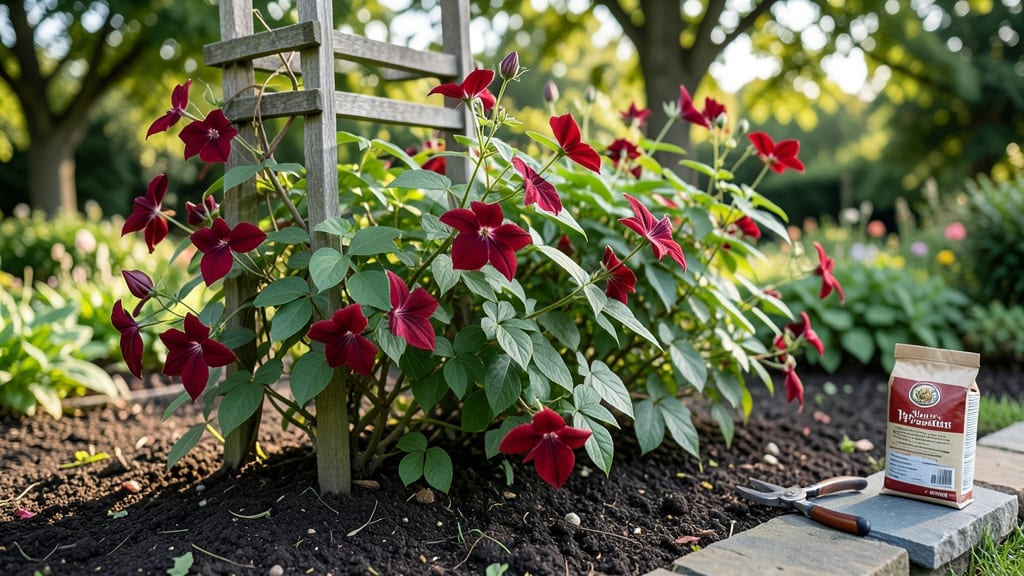
Nothing transforms a garden like red-flowered clematis climbing a trellis or arbors—bold blooms that turn walls into living art. 🌿 I still remember the first time I saw one in full bloom: deep crimson petals against lush green vines, catching every afternoon sunbeam like a spotlight.
These aren’t just climbers; they’re statement pieces that elevate any space from ordinary to showstopping.
The beauty of red clematis lies in their versatility—whether you drape them over a pergola, weave them through a border, or train them up a simple wooden trellis.
They pair perfectly with silver foliage plants like lamb’s ear or dusty miller, creating striking contrast, and their late-summer blooms provide color when many gardens fade. Even their seed heads add winter interest, keeping the drama going year-round.
Imagine your patio transformed: vibrant red blooms spilling over an entryway, or a vertical garden on a balcony that draws every passerby’s gaze. The key is choosing the right support—something sturdy enough to handle their weight—and giving them partial shade to prevent scorching.
With minimal effort, you’ll have a garden feature that feels like a luxury resort retreat.
Best of all, red clematis thrive in most climates, making them a foolproof choice for both new and experienced gardeners. Whether you’re designing a formal garden or a casual backyard retreat, these climbers deliver dramatic color with surprisingly little maintenance. Let’s bring that vertical magic to your space!
📚 In This Guide
- What you need
- Instructions
- Tips and common mistakes
- Wrapping up and next steps
What you need
- ● Red-flowered clematis plants: Choose Clematis varieties like ‘Nelly Moser,’ ‘Jackmanii,’ or ‘The President’ (3–5 plants for full coverage). Opt for container-grown (1–2 gallon pots) or bare-root (dormant season) options.
- ● Well-draining potting mix: 5–10 gallons (or enough to fill your planting area). Mix 1 part compost with 2 parts garden soil for optimal fertility.
- ● Support structure: Trellis or arbor: 6–10 ft tall (wooden, metal, or PVC). Ensure it’s sturdy—clematis vines can weigh 20+ lbs when blooming!
- ● Twine or soft plant ties: 1–2 rolls (3/8" wide) to gently secure vines during growth.
- ● Organic mulch: 2–3 inches of wood chips or shredded bark to retain moisture and suppress weeds.
- ● Garden trowel or spade: For digging planting holes (12–18" deep and wide).
- ● Pruning shears: Sharp, bypass-style (for clean cuts).
- ● Gloves: Heavy-duty gardening gloves (clematis can be thorny!).
- ● Watering can or hose: With a gentle spray nozzle (avoid blasting roots).
- ○ pH test kit (optional): To check soil acidity (clematis prefers 6.0–7.0).
- ● Sunlight: 6+ hours of direct sun daily (morning sun + afternoon shade works in hot climates).
- ● Moisture-retentive soil: Clematis hates soggy roots—ensure good drainage or plant on a slight slope.
- ● Proximity to a support: Plant within 6–12 inches of your trellis or arbor for easy training.
- ● Patience: Vines may take 1–2 years to fully establish and bloom!
Step-by-Step guide to planting and caring for red flowered clematis
Here's how to establish your climbing star—with minimal fuss and maximum impact.
🪴 Step 1: Choose the Perfect Planting Location
Clematis thrives where it gets at least 6 hours of sunlight daily, though morning sun plus afternoon shade works best in hot climates. I always plant mine near a sturdy trellis, fence, or arbor where vines can climb upward—never in full afternoon sun without shade, or the roots will cook while the foliage burns.
Dig a hole twice as wide as the root ball but only as deep as the container's drainage holes. This prevents the crown from sitting too deep, which causes rot. If your soil drains poorly, mix in 2-3 inches of coarse sand or perlite at the bottom of the hole—clematis roots need oxygen.
☀️ Step 2: Plant with Proper Support and Soil Prep
Place the clematis in the hole so the top of the root ball sits 2-3 inches below soil level. The reason? It keeps roots cool while allowing the crown to stay exposed for better air circulation. Backfill with a mix of native soil and 50% compost, tamping gently to remove air pockets.
Install your trellis or support structure immediately—clematis vines grow fast, and waiting means wrestling with tangled stems later. I use 3-4 feet of sturdy lattice or wire mesh for the first year, then expand as the plant matures. Water deeply after planting to settle the soil around roots.
💧 Step 3: Water Deeply and Mulch for Root Health
Water once a week for the first month, soaking the soil to a depth of 12 inches—this encourages deep root growth. After that, aim for 1-2 inches of water weekly, but never let the soil stay soggy. Clematis roots rot faster than they thrive in waterlogged conditions.
Spread 2-3 inches of mulch (like shredded bark or straw) around the base, keeping it 6 inches away from the stem. This locks in moisture and regulates soil temperature. I always check mulch levels in late winter—if it’s broken down, I top it up to protect roots from freeze-thaw cycles.
✂️ Step 4: Prune for Seasonal Blooms and Shape
Pruning depends on your clematis type, but Group 3 varieties (the most common red-flowered types) bloom on both old and new wood. I prune in early spring before new growth starts, cutting back last year’s stems to 2-3 feet tall. This removes dead wood and encourages strong new shoots.
Throughout the season, pinch back tips of new growth to encourage bushier vines. Remove any weak or crossing stems to improve airflow—this prevents fungal diseases like powdery mildew. Never prune in fall, as new growth won’t harden off before winter.
Tips & tricks for perfect red flowered clematis growth
Here's what I've learned after years of growing these stunning climbers—tricks that'll make your red clematis thrive like a pro's.
Sunlight Strategy: In Step 1, those 6 hours of sunlight are non-negotiable, but here's the secret: if your afternoon sun is intense, create a DIY shade cloth using lightweight fabric draped over a trellis frame. This lets light through while preventing leaf scorch. I've seen dramatic differences in plant health when I add this simple protection during peak summer afternoons.
Root Ball Depth: When planting in Step 2, that 2-3 inch depth below soil level is crucial—but here's what nobody tells you. If your container has no drainage holes, create them yourself with a drill before planting. Without proper drainage, even the best soil mix will lead to root rot. I've had to replant too many clematis because of this oversight.
Watering Wisdom: The 12-inch deep watering in Step 3 is perfect, but timing matters too. Water in the morning so leaves dry quickly, reducing fungal risks. I set a timer for my irrigation system to deliver that 1-2 inches weekly, and my plants stay healthier through summer heat. Never water at night—that's when fungal diseases like powdery mildew get their start.
Pruning Precision: For Step 4's early spring pruning, here's my pro trick: mark last year's stems with colored tape before cutting. This helps you visualize where to cut back to those 2-3 feet. I also keep my pruners clean with rubbing alcohol between cuts to prevent spreading diseases. And remember—those crossing stems you remove? Compost them immediately, not in your garden bed.
Pro Tips for Red Flowered Clematis
- Here's what I've learned after years of growing these stunning climbers—tricks that'll make your red clematis thrive like a pro's.
- Sunlight Strategy: In Step 1, those 6 hours of sunlight are non-negotiable, but here's the secret: if your afternoon sun is intense, create a DIY shade cloth using lightweight fabric draped over a trellis frame.
- Root Ball Depth: When planting in Step 2, that 2-3 inch depth below soil level is crucial—but here's what nobody tells you.
Frequently asked questions
Got questions about growing red flowered clematis? You’re not alone! Here are some of the most common queries—plus quick, practical answers to help you cultivate stunning vertical drama in your garden.
What’s the best time to plant red flowered clematis?
Plant in early spring or early fall when the soil is cool but workable. Avoid extreme heat or frost—root systems need time to establish before winter. If planting in containers, spring is ideal to give vines a full season to grow. Pro tip: Soak roots in water for 1-2 hours before planting to reduce transplant shock!
How do I prune red clematis for maximum blooms?
Pruning depends on your variety! Group 1 (early spring bloomers): Prune right after flowering. Group 2 (repeat bloomers): Lightly trim in early spring, then again after summer blooms. Group 3 (late summer/fall bloomers): Prune in early spring to encourage new growth. Never cut back more than 1/3 of the plant at once!
Why aren’t my red clematis flowers opening?
Common culprits include over-pruning, lack of sunlight (6+ hours daily), or nutrient deficiencies. Check for pests like spider mites or aphids too! Boost blooms by fertilizing with a balanced formula in spring, then switch to a low-nitrogen, high-phosphorus feed when buds form.
Can I grow red clematis in containers? If so, what’s the best setup?
Choose a large container (15+ gallons) with drainage holes and a well-draining potting mix. Use a trellis or obelisk for support, and opt for Group 1 or 3 varieties (they’re more compact). Water consistently—containers dry out faster—and fertilize monthly during growing season. Pro tip: Mulch the soil surface to retain moisture!
What are some low-maintenance alternatives to red clematis?
If you want bold color with less upkeep, try:
- Campsis radicans (Trumpet Vine): Fast-growing, drought-tolerant, and thrives in poor soil.
- Ipomoea (Morning Glory): Annual vines with vibrant blooms (great for trellises!).
- Wisteria: Fragrant and dramatic, but needs more space and pruning.
- Cobaea scandens (Cup-and-Saucer Vine): Unique flowers, heat-tolerant, and easy to train.
Wrapping up and next steps
Transforming your outdoor space with red flowered clematis is easier—and more rewarding—than you think! These stunning climbers bring bold color, vertical interest, and effortless elegance to walls, trellises, and arbors. Whether you're a seasoned gardener or just starting, their low-maintenance charm makes them a perfect addition to any landscape.
Ready to plant your passion? Start by choosing the right variety for your climate, then grab your gloves and get growing! 🌸 With the right support and care, your clematis will reward you with breathtaking blooms year after year.