
Flowers
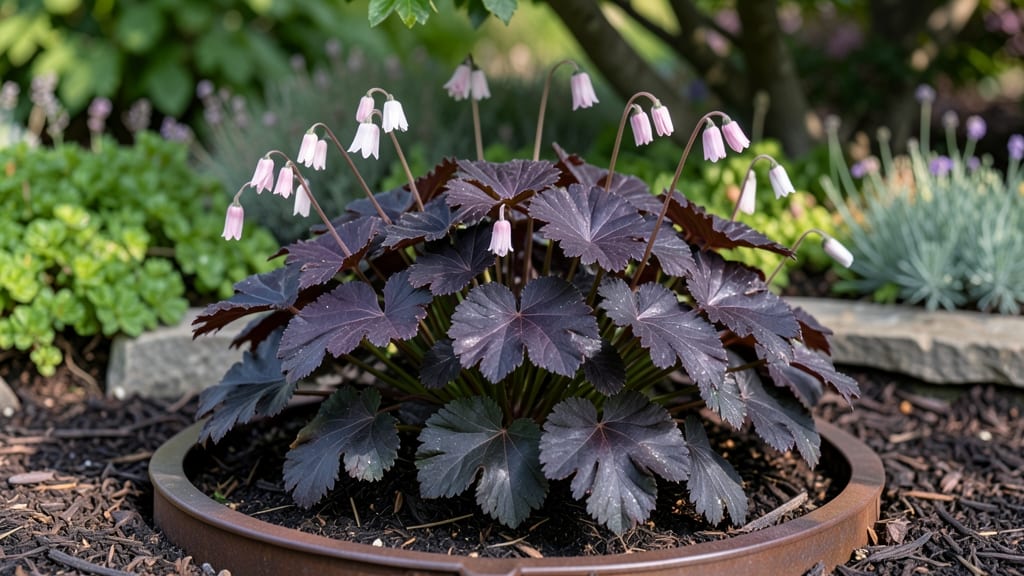
Purple bells flowers create a dreamy, fragrant canopy that turns any container into a living centerpiece. 🌿 I fell in love with them after seeing how Heuchera and Campanula varieties transform shady corners into jewel-toned sanctuaries—velvety foliage and delicate bell-shaped blooms that last all season.
These plants thrive in pots, hanging baskets, and window boxes where their cascading growth adds vertical interest. The secret to their success? Well-draining soil, consistent moisture, and a spot with morning sun or dappled shade.
Pair them with silver foliage plants like lamb's ear or dusty miller to make their purple hues pop even more.
You’ll end up with a container garden that smells like a spring meadow and stays vibrant from early summer through fall. The flowers attract hummingbirds, while the foliage provides year-round color—even when blooms fade. Perfect for small spaces, balconies, or as striking accents in larger garden beds.
Whether you're creating a cottage-garden look or a modern minimalist arrangement, purple bells adapt beautifully. They also work as edging plants for borders or as a fragrant living wall. Here’s how to make them the star of your container displays!
📚 In This Guide
- What you need
- Instructions
- Tips and common mistakes
- Wrapping up and next steps
What you need
- ● Purple Bells Flower Plants (Heuchera): 3–5 mature plants (6–8" pots) for a full, lush look
- ● Varieties: ‘Palace Purple,’ ‘Plum Pudding,’ or ‘Berry Smoothie’ (ensure they’re container-friendly)
- ● Containers: 1–3 12–14" wide containers (with drainage holes!)
- ● Well-draining soil mix: 2 parts potting soil + 1 part perlite or orchid bark (sterilized)
- ● Fertilizer: Balanced 10-10-10 liquid fertilizer (or slow-release granules)
- ○ Mulch (optional but recommended): 1–2" of cocoa hulls or shredded bark (retains moisture + prevents weeds)
- ● Basic gardening tools: Trowel or small shovel
- ● Gloves (to protect hands from soil)
- ● Watering can with a rose nozzle (gentle watering = happy roots!)
- ● Pruning shears (for shaping or removing dead leaves)
- ● Container saucers or trays (to catch water runoff)
- ○ Decorative elements (optional): Moss, pebbles, or small rocks for a finished look
- ● Stakes or rings (if growing taller varieties like ‘Lavender Lace’)
- ● A sunny to partially shaded spot (6+ hours of light for vibrant foliage)
- ● Moderate watering schedule: Keep soil consistently moist but not soggy (containers dry out faster!)
- ● Zone 3–9 hardiness (check your USDA zone—purple bells are cold-hardy!)
How to create a thriving purple bells flower display in containers
Here's the container gardening method I've perfected for cascading purple bells—fragrant, full, and perfect for balconies or patios.
🪴 Step 1: Select the Right Containers and Drainage
Choose hanging baskets (12-16 inches in diameter) or window boxes (12-18 inches long) for the best cascading effect. Purple bells need plenty of drainage—ensure each container has at least 4 drainage holes spaced evenly. I like to add a 1-inch layer of hydroponic clay pebbles at the bottom before filling with soil. This prevents root rot while keeping the soil loose and airy.
For a 4-plant display, use containers that are at least 10 inches deep—shallower pots restrict root growth and lead to leggy, weak plants. If using a single large container, space plants 12-18 inches apart to allow for full, bushy growth without competition.
🌱 Step 2: Prepare Soil and Plant with Precision
Fill your containers with a well-draining potting mix—I blend 50% premium potting soil with 30% perlite and 20% compost for optimal aeration and nutrients. Moisten the mix until it’s evenly damp but not soggy—squeeze a handful; water should bead on the surface but not drip.
Remove plants from their nursery pots and loosen the roots gently with your fingers. Dig a hole twice as wide as the root ball and place the plant so the top of the root ball sits ½ inch below the container’s rim. This prevents soil from washing away during watering. Press the soil lightly around the roots to eliminate air pockets, then water deeply until it drains from the bottom.
☀️ Step 3: Position for Sunlight and Airflow
Purple bells thrive in morning sun with afternoon shade, especially in hot climates. A south- or east-facing balcony is ideal—4-6 hours of direct sun per day keeps the blooms vibrant without scorching the leaves. If your space gets intense afternoon heat, move containers to a slightly shaded spot after 12 PM.
Good airflow is key—space containers 6-12 inches apart to prevent fungal diseases like powdery mildew. If growing in a hanging basket, rotate it weekly so all sides get even light exposure. You’ll notice stronger stems and more uniform blooms within a few weeks of consistent positioning.
💧 Step 4: Water and Feed for Continuous Blooms
Water when the top 1-2 inches of soil feel dry—stick your finger in the soil; if it’s dry past your first knuckle, it’s time to water. Deep watering (until water runs out the drainage holes) encourages roots to grow downward, making plants more stable. Avoid overhead watering, which can damage delicate flowers and promote mildew.
Feed every 2-3 weeks with a balanced, water-soluble fertilizer (10-10-10) during the growing season (spring to fall). I mix ½ teaspoon per gallon of water to avoid over-fertilizing, which can burn roots. Stop fertilizing in late summer to encourage hardening off before winter dormancy.
✂️ Step 5: Prune and Maintain for Long-Lasting Beauty
Deadhead spent blooms weekly by pinching off the flower stem just above a set of leaves. This redirects the plant’s energy into new growth and more flowers instead of seed production. I also trim any leggy or overgrown stems back by ⅓ in early summer to encourage bushier growth.
In late fall, reduce watering and stop fertilizing entirely. If temperatures drop below 20°F, move containers to a protected indoor space (like a garage or shed) or wrap them in burlap for winter. With proper care, your purple bells will reward you with prolonged blooms and a fragrant display year after year.
Tips & tricks for perfect purple bells flower displays
A few strategic moves will help your purple bells thrive and cascade beautifully—these are the secrets I've learned after years of trial and error.
Container Depth Matters: When using those 12-16 inch hanging baskets, fill them only about 80% full with soil. Purple bells need room to cascade, and overfilling restricts root growth. I always leave about 2 inches of space between the soil surface and container rim to prevent soil from spilling out when watering. This also helps maintain proper airflow around the base of the plants.
Soil Mix Precision: The 50-30-20 blend of premium potting soil, perlite, and compost is non-negotiable for purple bells. If you're short on perlite, substitute with coarse sand or vermiculite—but never skip the compost. I've found that adding a handful of worm castings to the mix gives an extra nutrient boost without over-fertilizing. This helps maintain the vibrant purple hue of the blooms throughout the season.
Sunlight Strategy: Those crucial 4-6 hours of morning sun are essential, but I've discovered a trick for hot climates: place a reflective surface (like a white tray or aluminum foil) under the containers. This bounces extra light onto the plants, helping them achieve the same vibrant color even with slightly less direct sunlight. Just be sure to move containers away from the reflective surface before afternoon shade begins.
Winter Protection: When temperatures drop below 20°F, don't just move your containers indoors—prepare them first. Gently brush off any accumulated soil or debris from the drainage holes, then wrap the entire container (including the hanging basket or window box) in burlap. This protects not just the plants but also the container itself from cracking. I also remove any dead foliage before winterizing to prevent pests from hiding in the debris.
Pro Tips for Purple Bells Flowers
- A few strategic moves will help your purple bells thrive and cascade beautifully—these are the secrets I've learned after years of trial and error.
- Container Depth Matters: When using those 12-16 inch hanging baskets, fill them only about 80% full with soil.
- Soil Mix Precision: The 50-30-20 blend of premium potting soil, perlite, and compost is non-negotiable for purple bells.
Frequently asked questions
Got questions about cultivating purple bells flowers (Heptacodium miconioides) in containers? You’re not alone! Here are some of the most common inquiries—plus quick, practical answers to keep your fragrant canopy thriving.
How often should I water my purple bells flowers in containers?
Water deeply when the top 1–2 inches of soil feel dry, typically 1–2 times per week in summer and every 10–14 days in winter. Containers dry out faster—check soil moisture with your finger! Overwatering is the #1 killer, so ensure pots have drainage holes to prevent root rot.
How long does it take for purple bells flowers to bloom?
Patience is key! Mature plants (3–5+ years old) produce their signature lavender-pink bell-shaped flowers in late summer/fall. Young plants may take 5–7 years to bloom. Focus on container care (sunlight, soil, pruning) to encourage faster growth and flowering.
Can purple bells grow in full sun or do they need shade?
They’re adaptable but thrive in partial shade (morning sun + afternoon shade), especially in hot climates. In cooler regions, they tolerate full sun (6+ hours/day) but may need extra water. Avoid harsh afternoon sun in containers—it can stress roots and scorch leaves.
What’s the best way to prune purple bells flowers in containers?
Prune in late winter or early spring to shape the plant and remove dead/diseased branches. Cut back 1/3 of the oldest stems to encourage new growth and blooms. Avoid heavy pruning in fall—it can delay spring recovery. Use clean, sharp shears and sterilize them with rubbing alcohol to prevent disease.
Are there good alternatives to purple bells flowers for containers?
If purple bells are too slow-growing for your space, try these fragrant, container-friendly alternatives:
- Japanese anemone (Anemone × hybrida) – Late-summer blooms, shade-tolerant.
- Dwarf lilac (Syringa meyeri) – Compact, fragrant, and low-maintenance.
- Clematis (Clematis spp.) – Vining, colorful, and thrives in containers with support.
- Weigela (Weigela florida) – Fast-growing with trumpet-shaped flowers.
Why are my purple bells leaves turning yellow or dropping?
Yellow leaves often signal overwatering, underwatering, or nutrient deficiencies. Check your container’s drainage—if water pools, repot with well-draining soil mix (50% potting soil + 50% perlite/sand). Dropping leaves can also mean root bound or heat stress. Move to partial shade and fertilize lightly with a balanced 10-10-10 formula in spring.
Wrapping up and next steps
Purple bells flowers—with their vibrant blooms, sweet fragrance, and adaptability—are the perfect way to bring color and charm to small spaces. Whether you’re a seasoned gardener or just starting, these beauties prove that stunning gardens can thrive in containers with the right care. 🌸
Now that you’re armed with tips on light, soil, and maintenance, why not take the next step? Grab a pot, pick your favorite purple bells variety, and let your green thumb shine! Share your progress or blooms with fellow plant lovers—your container garden could inspire someone else’s next project.