
Companion Plants
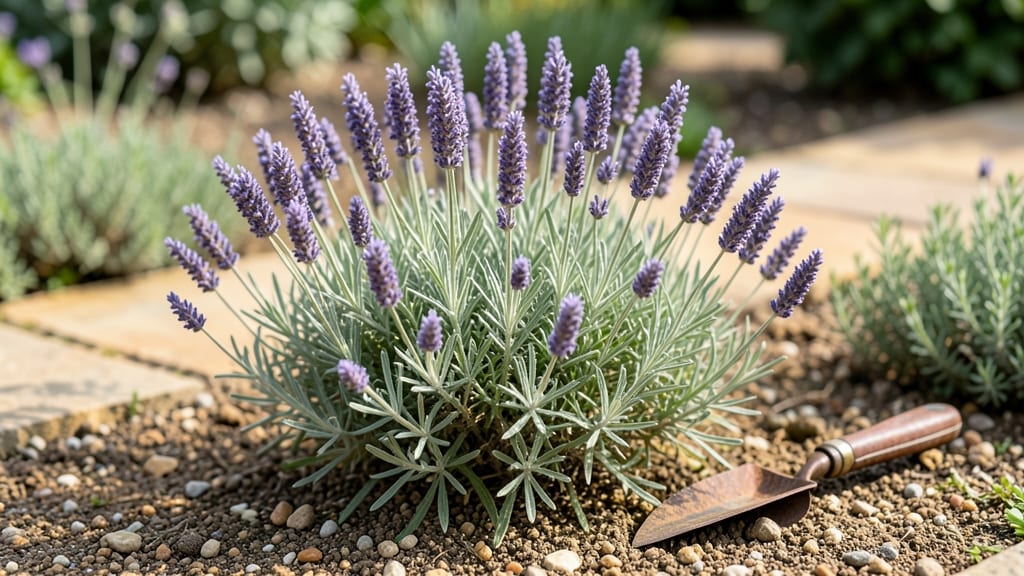
Purple and white flowering plants create a dramatic yet serene garden canopy that feels like a breath of fresh air. 🌸 I fell in love with this color combo after transforming a shady patio corner into a lush, low-maintenance display—lavender, hydrangeas, and white roses now steal every compliment.
The secret lies in their natural harmony: purples deepen whites, while whites brighten purples, creating a balanced, eye-catching effect that never feels overwhelming.
This pairing works in containers, borders, or mixed beds, and the best part? Many of these plants thrive with minimal fuss. Lavender and catmint need almost no care once established, while hydrangeas and roses reward you with blooms all summer long.
For a foolproof start, combine white impatiens with purple petunias in a hanging basket—they’ll spill over edges like a waterfall of color without requiring deadheading.
You’ll end up with a garden that feels polished yet effortless, blooming from spring through fall. The contrast between velvety purple blooms and crisp white petals creates a striking visual, while the fragrance of lavender and roses adds an extra layer of sensory delight.
Even in small spaces, this combo delivers maximum impact with minimal work.
Works equally well in sunny borders or shaded containers, and most plants in this palette tolerate average garden soil. The key is spacing—plant purples slightly ahead of whites to let them anchor the design while the whites brighten the back. Ready to create your own bold, low-maintenance statement garden?
📚 In This Guide
- What you need
- Instructions
- Tips and common mistakes
- Wrapping up and next steps
What you need
- ● Flowering plants: Choose 3-5 varieties (e.g., Petunia, Lantana, Salvia, Verbena, or Dianthus) with purple and white blooms. Opt for container-friendly sizes (4-6 inches tall at planting).
- ● Containers: 1-3 pots (12-18 inches in diameter) with drainage holes. Materials: terracotta, ceramic, or fiberglass.
- ● Potting soil: 1 bag (1-2 cubic feet) of well-draining, moisture-retentive mix (e.g., 60% potting soil + 30% perlite + 10% compost).
- ● Slow-release fertilizer: 1 packet (10-20-10 NPK ratio) or organic granules (e.g., osmocote).
- ● Watering can: 1 gallon-sized with a rose attachment for gentle watering.
- ● Garden trowel or small shovel for transplanting.
- ● Pruning shears (sterilized) for trimming dead blooms.
- ○ Mulch (optional): 1 bag of cocoa hulls or orchid bark to retain moisture.
- ○ Support stakes (optional): 2-3 bamboo or plastic stakes (for trailing plants like Petunias).
- ○ Decorative elements (optional): 1-2 pieces (e.g., pebbles, mosaic tiles, or solar lights) for container styling.
How to create a striking purple-and-white container display
Let’s turn your patio into a showstopper with layered color and texture.
🪴 Step 1: Choose the Right Containers and Drainage
Start with 10-12 inch diameter containers for each of your 4 plants—this gives roots room to spread while keeping the display compact. I like terracotta or fiberglass pots because they hold moisture well but still allow airflow. Make sure each has at least 3 drainage holes at the bottom to prevent soggy roots, which can rot stems and stunt blooms.
Here’s the thing—if your pots don’t have holes, drill them yourself. A ¼-inch bit works perfectly. Place a 1-inch layer of gravel or pebbles at the bottom before adding soil. This extra layer prevents clogging and keeps water flowing freely. Trust me, skipping this step leads to waterlogged soil and unhappy plants.
🌱 Step 2: Layer Soil and Plant Anchor Specimens
Fill each container with 2 gallons of lightweight potting mix—nothing heavier than that. I mix in a handful of slow-release fertilizer (about 1 tablespoon per pot) to give your plants a nutrient boost right from the start. Press the soil down gently so it’s firm but not packed. You want roots to have room to grow, but not so loose that they dry out too fast.
For your 4 plants, I recommend starting with two tall anchor specimens—think purple salvia or white dusty miller—placed toward the back of the container. These will create height and draw the eye. Dig a hole twice as wide as the root ball and just as deep. Gently remove the plant from its nursery pot, loosen the roots if they’re circling, and place it in the hole. Fill in with soil, pressing lightly to remove air pockets.
☀️ Step 3: Add Mid-Height and Spiller Plants
Now for the two remaining plants—these should be mid-height fillers like purple verbena or white petunias, placed slightly in front of the anchors. These will fill out the middle layer and keep the display lush. Dig another hole, this time slightly shallower than the root ball to encourage outward growth. Water the plant lightly before placing it in the hole to help settle the soil around the roots.
For the final touch, add a trailing plant like purple nasturtium or white sweet potato vine along the edges of the container. These will spill over beautifully and soften the edges. Plant them near the rim so their vines can cascade down. Water everything deeply after planting to help the soil settle and remove any air gaps.
💧 Step 4: Water, Mulch, and Position for Success
Give your new display a deep watering right after planting—enough so water runs out the drainage holes. This helps the soil settle and ensures the roots make good contact. Let the soil dry out slightly between waterings (about 1 inch down) to prevent root rot, but never let it get bone-dry. Purple and white blooms need consistent moisture to stay vibrant.
Top the soil with ½ inch of mulch—I like orchid bark or shredded pine—to keep moisture in and weeds out. This also gives your container a polished look. Place your containers in a spot with at least 6 hours of sunlight daily. Most purple-and-white bloomers thrive in full sun, but a few (like white impatiens) can handle partial shade. Watch your plants closely—they’ll tell you what they need!
✂️ Step 5: Maintain and Encourage More Blooms
Deadhead spent blooms weekly to encourage more flowers. Simply pinch off the faded blossoms with your fingers or snip them just above a set of leaves. This keeps your display looking fresh and prompts new growth. I also fertilize every 2-3 weeks with a balanced liquid fertilizer (like 10-10-10) during the growing season to keep the color popping.
Here’s the moment that matters: Rotate your containers every few days so all sides get even light. You’ll notice one side of the plant leaning toward the sun? That’s your cue to turn it. This keeps your display symmetrical and ensures even growth. With a little care, your purple-and-white container will be the talk of the neighborhood all season long.
Tips & tricks for perfect purple-and-white container displays
Here's what nobody tells you about creating a container garden that pops with color and thrives all season.
Container Selection Matters: Terracotta pots work beautifully for purple-and-white displays because they wick away excess moisture, preventing soggy roots that can stunt blooms. If you choose fiberglass instead, make sure to place them in a spot where they won't get too hot in direct afternoon sun—this can cause soil to dry out too quickly. For extra stability, especially with trailing plants, choose containers with weighted bases or place them on saucers to prevent tipping when vines cascade over the edges.
Layering Secret: When planting your 4 plants in each container, think vertically first. The anchor plants (like purple salvia) should go in the back, with mid-height fillers (purple verbena) slightly forward, and trailing plants (white sweet potato vine) along the edges. This creates a natural waterfall effect that draws the eye. Pro tip: Use a small garden trowel to create a slight depression around each plant's root ball—this helps direct water straight to the roots during watering.
Sunlight Strategy: The 6 hours of sunlight mentioned is your minimum, but most purple-and-white bloomers actually crave full sun (8+ hours) for maximum color intensity. If your patio gets afternoon shade, position containers to catch morning sun instead—it's less intense and won't scorch delicate petals. For containers with trailing plants, rotate them weekly so all sides get equal light exposure, preventing lopsided growth.
Maintenance Hack: Keep a small pair of scissors or your fingers handy for weekly deadheading. The key is to remove spent blooms just above a set of leaves—this redirects the plant's energy toward new flower production rather than seed development. For containers with multiple plant types, use matching-colored pruning shears to keep your gardening tools organized and visible for quick access.
Pro Tips for Purple And White Flowering Plants
- Here's what nobody tells you about creating a container garden that pops with color and thrives all season.
- Container Selection Matters: Terracotta pots work beautifully for purple-and-white displays because they wick away excess moisture, preventing soggy roots that can stunt blooms.
- Layering Secret: When planting your 4 plants in each container, think vertically first.
Frequently asked questions
Got questions about growing purple and white flowering plants in containers? You’re not alone! Here are some of the most common queries—and their answers—to help you create a stunning, low-maintenance display.
What are the easiest purple and white flowering plants for beginners?
Start with Petunias, Lobelia, or Salvia—they’re hardy, thrive in containers, and bloom prolifically. For low-light spots, try African Violets or Begonias. All love well-draining soil and regular watering (but avoid soggy roots!).
When is the best time to plant them in containers?
For annuals (like petunias), plant after the last frost in spring (around mid-May in most zones). Perennials (e.g., Lavender) can go in early spring or fall. Pro tip: Wait until nighttime temps stay above 50°F (10°C) to avoid frost damage.
How often should I water purple and white flowering plants in pots?
Check soil moisture daily in hot weather—containers dry out fast! Water when the top inch feels dry, aiming for 1–1.5 inches of water per week. Use a self-watering pot or mulch (like pebbles) to retain moisture. Overwatering is worse than underwatering—yellow leaves? You’re likely drowning them.
Can I mix purple and white flowers with other colors in one container?
Try pairing purples with blues (like Lobelia) or yellows (e.g., Marigolds) for contrast. For a monochromatic look, add silver foliage (e.g., Dusty Miller) to highlight the whites. Just ensure all plants have similar light and water needs—no sun-lovers with shade-dwellers!
What pests should I watch for, and how do I treat them?
Common culprits: Aphids (tiny green/black bugs), Spider mites (webby threads), and Whiteflies (fluffy white pests). Blast them off with water first, then use neem oil or insecticidal soap for stubborn infestations. Prevention tip: Space plants for airflow and remove dead blooms regularly.
How do I overwinter purple and white flowering plants in pots?
Most annuals (like Petunias) won’t survive winter—pull them up and compost. For perennials (Lavender, Salvia), move pots to a sheltered, unheated garage or wrap them in burlap. Reduce watering to once a month and protect from freezing temps. In spring, trim dead growth and fertilize lightly.
Wrapping up and next steps
From clematis to petunias, purple and white flowering plants bring vibrant energy to containers while requiring minimal fuss. Their striking contrast and adaptability make them perfect for gardeners of all levels—whether you're a seasoned pro or just starting out. 🌸
Ready to transform your space? Start small: pick one plant from this list, grab a container, and let nature do the rest. Before you know it, you’ll be flaunting a show-stopping floral display that turns heads—and maybe even inspires your neighbors to get gardening too!
Next step: Sketch your container setup or snap a photo of your favorite spot to plan your purple-and-white paradise!