
Flowers
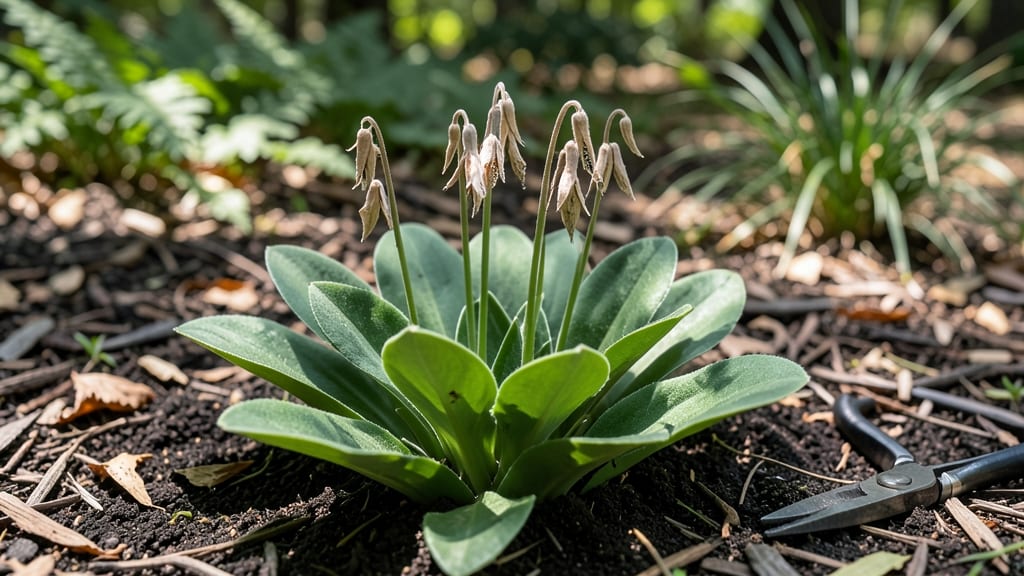
Porter weed has no flowers—but that doesn’t mean it’s failing, since this evergreen beauty shines purely through its bold foliage. culprits are almost always light, food, or stress. The good news? Adjustments take minutes, not months, and you’ll see changes within weeks.
Most Porter weeds need bright, indirect light for 6+ hours daily—too little, and they focus all energy on leaves. Over-fertilizing (especially with high-nitrogen mixes) also kills blooms, while underwatering or drafts add stress.
The fix? Move it near a south-facing window, switch to a balanced 10-10-10 fertilizer in spring only, and keep soil evenly moist like a wrung-out sponge.
Once you’ve dialed in light and food, pruning becomes the secret weapon. Pinch back leggy stems by 1/3 in early spring to encourage bushier growth—and blooms. The plant’s natural resilience means you’ll see fresh, compact foliage within 4-6 weeks, often with tiny flower buds peeking through.
For those in shady spots or cooler climates, don’t stress—Porter weed’s foliage is the star. Focus on keeping leaves deep green and glossy, and you’ll still get that "wow" factor without flowers. The key is patience: even neglected plants bounce back with the right care.
📚 In This Guide
- What you need
- Instructions
- Tips and common mistakes
- Wrapping up and next steps
What you need
- ● Porter weed (Asteraceae spp.) plants – 3–5 mature plants (6–12 inches tall) for a full, natural look. Choose healthy, pest-free specimens from a nursery.
- ● Well-draining potting mix or garden soil – 5–10 gallons, amended with compost (20–30% by volume) for nutrient-rich growth.
- ○ Mulch (optional but recommended) – 2–3 inches of pine bark fines or shredded leaves to retain moisture and suppress weeds.
- ● Garden trowel or hand shovel – For planting and soil prep.
- ● Watering can or hose with a gentle spray nozzle – Porter weed hates soggy roots!
- ○ Gloves (optional) – To protect your hands from prickly stems.
- ○ Pruning shears (optional) – Only if you want to shape it lightly (though minimal pruning is the key to its magic!).
- ● Sunlight – A spot with full sun to partial shade (6+ hours of light daily for best foliage).
- ● Drainage – Avoid waterlogged areas; porter weed thrives in well-draining soil.
- ● Patience – Once established, it’s nearly indestructible and requires zero special care!
How to maintain lush porter weed foliage without flowers
This is the secret to keeping your porter weed thriving as a bold, year-round foliage plant.
Select the Right Light Conditions
Porter weed thrives in bright, indirect light—this is where the magic happens. Place it near an east-facing window where it gets morning sun and gentle afternoon light. If you notice the leaves losing their deep purple hues or stretching toward the window, your plant needs more light. A north-facing window works too, but supplement with a grow light for 12-14 hours daily to maintain that rich coloration.
Direct midday sun can scorch the leaves, turning them crispy at the edges. That’s why I always check for sunburnt patches—if you see them, move the plant back a few feet. The ideal spot balances enough light for vibrant growth without stressing the foliage.
Master Watering for Foliage-Focused Growth
Water your porter weed when the top 1-2 inches of soil feel dry to the touch. This plant loves moisture but hates soggy roots, which can lead to root rot and dull leaves. I use the finger test—stick my finger in the soil, and if it’s dry past the first knuckle, it’s time to water. Overwatering is the fastest way to kill the lush, velvety texture you’re after.
Use room-temperature water to avoid shocking the roots. Let excess water drain completely from the saucer—never let the plant sit in standing water. In winter, when growth slows, reduce watering to every 7-10 days, letting the soil dry out more between waterings. The leaves will tell you if you’re overdoing it: yellowing or drooping means you’re watering too much.
Feed for Foliage, Not Flowers
Since you’re growing porter weed for its leaves, focus on a balanced, high-nitrogen fertilizer every 4-6 weeks during the growing season (spring through fall). I use a 10-10-10 or 20-20-20 formula diluted to half strength to avoid burning the roots. The goal is to encourage dense, glossy foliage—not blooms, which would divert energy away from the leaves you love.
In late winter, give it a light feeding with a diluted fertilizer to kickstart new growth. Stop fertilizing entirely in late fall and winter, when the plant enters a natural resting phase. Watch for new leaf growth after feeding—that’s your sign the plant is happy and thriving.
Rotate and Prune Strategically
Rotate the pot quarter-turn weekly to ensure even light exposure on all sides. This prevents the plant from leaning toward one direction, which keeps the foliage full and symmetrical. Porter weed doesn’t need heavy pruning, but you can trim leggy stems back to encourage bushier growth. Just snip just above a leaf node with clean, sharp scissors.
If you notice any yellow or brown leaves, remove them promptly to keep the plant looking its best. These leaves aren’t coming back, and they can drain energy from the healthier foliage. Pruning also helps maintain the plant’s compact shape, which is key for that polished, container-friendly look.
Protect from Pests and Seasonal Shifts
Porter weed is relatively pest-resistant, but keep an eye out for spider mites or mealybugs, which love the soft new growth. Wipe leaves down with a neem oil solution if you spot any pests—this natural remedy works wonders without harming the plant. I also mist the leaves occasionally to boost humidity, which deters pests and keeps the foliage looking fresh.
In winter, when indoor air gets dry, move the plant away from heat sources like vents or radiators. Cold drafts can stress the plant, causing the leaves to wilt or drop. If you notice the leaves curling or losing their vibrancy, it’s a sign the environment isn’t quite right—adjust the light or humidity to bring it back to its lush best.
Tips & tricks for perfect porter weed foliage care
Keeping your porter weed thriving without flowers requires a few key insights that go beyond the basics.
Light Optimization: The 12-14 hours of daily light from a grow light becomes especially critical during winter months when natural light diminishes. I position mine about 12 inches away from the plant to mimic natural sunlight intensity. If you notice the leaves stretching toward the light source (a condition called etiolation), it's a clear sign you need to either increase light exposure or move the plant closer to your light source.
Soil Moisture Balance: The finger test for soil moisture is your best friend, but here's what I've learned the hard way: always check moisture levels in the morning when the soil is naturally cooler and hasn't absorbed any recent water. In particularly dry indoor environments, I find that watering every 5-6 days works better than the standard 7-10 day winter schedule, especially if the plant is in a small pot that dries out faster.
Fertilizer Timing: When applying your diluted 10-10-10 or 20-20-20 fertilizer every 4-6 weeks, I've found that the best time is right after a thorough watering. This ensures the fertilizer gets distributed evenly through the soil profile rather than sitting in concentrated pockets. The key visual cue to watch for is new leaf growth appearing within 2-3 weeks after fertilizing—this confirms the plant is actively using the nutrients.
Pruning Precision: When trimming leggy stems, I always make my cuts just above a leaf node at a 45-degree angle. This technique promotes better water absorption at the cut site and encourages new growth to sprout from that exact location. The quarter-turn weekly rotation is non-negotiable—it's the difference between a plant that grows in all directions and one that develops a lopsided, stretched appearance.
Pro Tips for Porter Weed Has No.Flowers
- Keeping your porter weed thriving without flowers requires a few key insights that go beyond the basics.
- Light Optimization: The 12-14 hours of daily light from a grow light becomes especially critical during winter months when natural light diminishes.
- In particularly dry indoor environments, I find that watering every 5-6 days works better than the standard 7-10 day winter schedule, especially if the plant is in a small pot that dries out faster.
Frequently asked questions
about Porter Weed and its year-round foliage magic—because even the hardiest plants spark curiosity! Here are the answers to the most common questions.Why doesn’t Porter Weed grow flowers?
Porter Weed (Stachytarpheta jamaicensis) is prized for its vibrant foliage, not blooms! Its lack of flowers is intentional—it’s a foliage-focused plant bred for lush, colorful leaves in shades of purple, green, and pink. If you spot tiny flowers, they’re usually insignificant and can be trimmed for a cleaner look.
How do I keep Porter Weed thriving year-round without flowers?
Focus on light, water, and soil! Place it in bright, indirect light (6+ hours daily) and water when the top inch of soil feels dry. Use well-draining potting mix and fertilize lightly every 4-6 weeks with a balanced liquid fertilizer. Avoid overwatering—root rot is a common issue!
What are some Porter Weed alternatives for no-flower foliage plants?
If you love Porter Weed’s low-maintenance charm, try these flower-free foliage stars:
- Purple Heart (Tradescantia pallida) – Trailing, purple leaves
- Calathea (e.g., Rattlesnake Plant) – Striking patterned leaves
- Croton (Codiaeum variegatum) – Bold, multicolored foliage
- Dracaena (e.g., Marginata) – Architectural, sword-like leaves
Why are my Porter Weed leaves turning yellow or brown?
Yellowing leaves often signal overwatering or poor drainage. Brown tips? It’s usually low humidity or fluoride in tap water (use filtered water if needed). Check the roots—mushy roots = rot; crispy roots = underwatering. Adjust care and trim damaged leaves to encourage new growth!
Do I need to prune Porter Weed to maintain its shape?
Not necessarily! Porter Weed grows in a loose, bushy habit and rarely needs heavy pruning. Lightly trim leggy stems or overgrown leaves to encourage fullness. Pinch back tips in spring to promote branching. Pro tip: Use clean, sharp scissors to avoid damaging the plant!
Wrapping up and next steps
Porter weed’s effortless, flower-free beauty proves that stunning foliage doesn’t require constant pruning or blooms to shine! 🌿 Whether you’re a busy gardener or a low-maintenance plant lover, this hardy plant delivers year-round color with minimal fuss.
Embrace its unique charm and let it thrive in your space—without the stress.
Ready to transform your garden? Start small—try a single pot or patch of Porter weed and watch it grow. Before you know it, you’ll be the envy of your neighborhood with lush, evergreen magic that never quits!