
Flowers
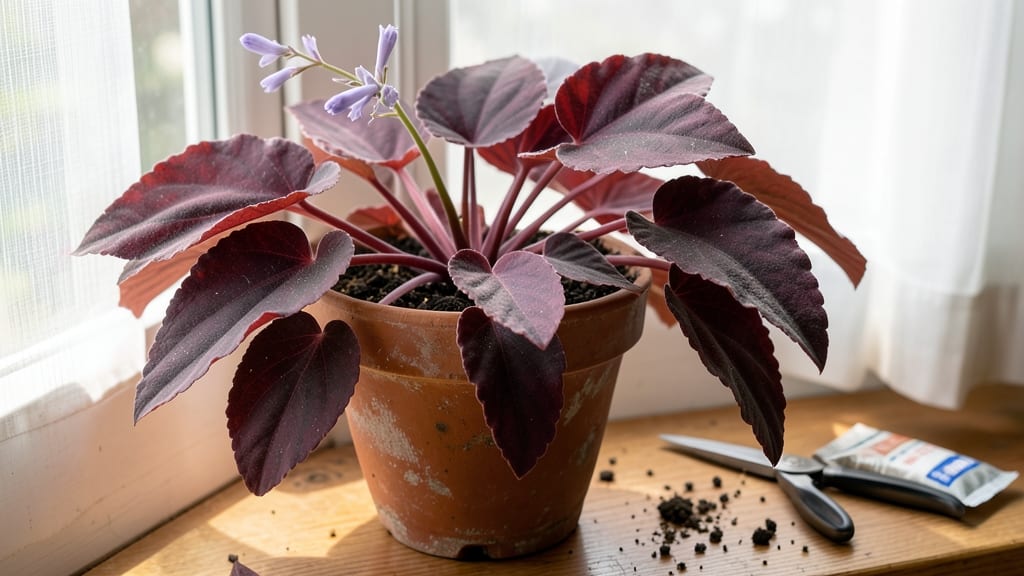
Purple heart flower care starts with three simple trims that keep it thriving for years. 💜 I’ve turned this striking plant from a finicky houseguest into the star of my porch—no green thumb required.
The secret lies in understanding its love for bright light, occasional water, and strategic pruning that encourages bushier growth.
This plant handles both indoors and out, as long as you meet its basic needs: 6+ hours of sunlight daily, well-draining soil, and water only when the top inch feels dry.
Overwatering is the #1 killer, but once you get the rhythm, it’s foolproof—even for those who’ve killed every other plant.
After just three light trims (early spring, midsummer, and late fall), you’ll see a denser, more vibrant plant with deeper purple foliage. The before-and-after is shocking—what was once a leggy mess becomes a lush, compact showstopper that blooms sporadically all year.
Whether you’re growing it in a hanging basket or a sunny windowsill, the same rules apply. The only real mistake? Waiting too long to prune. Let’s fix that—your purple heart’s transformation starts now.
📚 In This Guide
- What you need
- Instructions
- Tips and common mistakes
- Wrapping up and next steps
What you need
- ● Purple Heart plant – Start with a healthy cutting (4-6 inches long) or a mature plant from a nursery.
- ● Well-draining potting mix – Use a blend of cactus/succulent soil (50%) + perlite or coarse sand (30%) + peat moss or coconut coir (20%).
- ● 6-8 inch pot – Ensure it has drainage holes (terracotta or ceramic works best).
- ● Watering can with a narrow spout – Helps avoid overwatering.
- ● Pruning shears or sharp scissors – Sterilize with rubbing alcohol before use.
- ● Humidity tray or pebble tray – Boosts moisture in dry climates.
- ● Slow-release fertilizer – Look for a balanced 10-10-10 or 20-20-20 formula.
- ● Grow lights (LED or fluorescent) – If natural light is limited (12-14 hours/day).
- ● Moss pole or trellis – Encourages vertical growth and lush foliage.
- ● Glove or towel – Purple Heart sap can stain skin!
- ● Bright, indirect light – A south- or west-facing window is ideal. No direct sun!
- ● Warmth (65–85°F) – Avoid drafts or cold windowsills.
- ● Patience – Purple Heart grows fast but thrives with consistent (not excessive) care.
Step-by-step guide to maintaining purple heart flowers
Here's how to keep your purple heart plants thriving with minimal effort—just focus on these three key trims.
🌿 Step 1: Establish the Right Growing Conditions
Purple heart (Tradescantia pallida) loves warmth and bright light, but it won't tolerate freezing temperatures. Place your plant in a spot with at least 4-6 hours of direct sunlight daily—a south or west-facing window works best. If your home has low light, supplement with a grow light 6-12 inches away for 12-14 hours a day.
This plant thrives in 65-85°F temperatures. If you live in a cooler climate, bring it indoors before nighttime temps drop below 50°F. Purple heart is drought-tolerant once established, but it needs well-draining soil. Use a cactus or succulent mix to prevent root rot—this is the foundation for healthy growth.
✂️ Step 2: First Trim for Bushier Growth
When your purple heart reaches 6-8 inches tall, it's time for the first trim. Pinch back the top 2-3 inches of the main stems just above a leaf node. This encourages branching, giving you that lush, full look. Use clean, sharp scissors or pruning shears to make a clean cut—never tear the stems.
Watch for new side shoots emerging within 2-3 weeks. These will develop into thicker, bushier growth. Here's the thing—if you skip this step, your plant will grow tall and leggy, with sparse foliage. I always trim mine in early spring to kickstart fresh growth before the growing season peaks.
🌱 Step 3: Mid-Season Maintenance Trim
About 6-8 weeks after the first trim, perform a second cut to maintain shape and encourage even growth. Trim back any leggy stems or overgrown sections to half their length, cutting just above a leaf node. This keeps the plant compact and prevents it from becoming top-heavy.
Remove any yellow or brown leaves during this trim—they drain energy from the plant. You'll notice new, vibrant purple foliage emerging within 10-14 days. This is the moment that matters: a well-timed mid-season trim keeps your purple heart looking fresh all summer long.
🪴 Step 4: Fall Cleanup and Winter Prep Trim
As temperatures drop in fall, give your purple heart a final trim to prepare for dormancy. Cut back all stems by one-third, focusing on removing any weak or damaged growth. This helps the plant conserve energy over winter. Purple heart can survive indoors with minimal light, but it goes semi-dormant in cooler months.
Reduce watering to every 2-3 weeks once growth slows. You'll see the leaves turn slightly paler in winter—that's normal. In early spring, resume regular care and watch for new growth within 3-4 weeks. This final trim ensures your plant comes back stronger next season.
Tips & tricks for perfect purple heart flower care
Here's what nobody tells you about keeping your purple heart thriving with minimal fuss—these are the secrets I've learned after watching my own plants go from leggy to lush.
Lighting Strategy: That 4-6 hours of direct sunlight is non-negotiable, but here's the thing—morning sun is gentler than afternoon heat. If you're using a grow light for the 12-14 hours, position it 8-10 inches away for the first 6 hours, then move it back to 12 inches for the remaining time. This mimics natural light cycles and prevents leaf burn.
Pruning Precision: When you're doing that first trim at 6-8 inches tall, look for the leaf node that's just below where the stem starts to get thicker—this is where new growth will sprout most vigorously. I always make my cuts at a 45-degree angle to increase surface area for faster healing. And never use your fingers to pinch! Sharp scissors prevent crushing the stem.
Seasonal Transition Tip: The fall cleanup trim is where most people mess up. Instead of cutting back by one-third randomly, focus on removing stems that are growing toward the center of the plant. This opens up airflow and prevents fungal issues. I also like to do this on a cloudy day—the plant handles stress better when it's not battling bright light.
Pro Tips for Purple Heart Flower Care
- Here's what nobody tells you about keeping your purple heart thriving with minimal fuss—these are the secrets I've le...
- Lighting Strategy: That 4-6 hours of direct sunlight is non-negotiable, but here's the thing—morning sun is gentler t...
- Pruning Precision: When you're doing that first trim at 6-8 inches tall, look for the leaf node that's just below whe...
Frequently asked questions
Got questions about keeping your Purple Heart (Tradescantia pallida) thriving? You’re not alone!
Here are answers to the most common concerns—from pruning to pests—so you can enjoy lush, trailing beauty all year.
How often should I trim my Purple Heart flower?
Trim your Purple Heart every 4–6 weeks to encourage bushier growth and prevent legginess. Focus on cutting back long stems by 1/3 to maintain shape. Pro tip: Pinch new growth tips in spring to promote fuller foliage!
Can Purple Heart survive indoors without direct sunlight?
Yes! While it loves bright, indirect light, Purple Heart can tolerate lower light (like a north-facing window) but may grow slower and lose vibrant color. Rotate the pot occasionally for even exposure. Troubleshoot: Yellow leaves? It’s begging for more light!
What should I do if my Purple Heart has brown spots or pests?
Brown spots often signal overwatering or fungal issues—let the soil dry slightly between waterings. For pests (like spider mites or mealybugs), wipe leaves with soapy water or use neem oil. Preventative tip: Mist leaves weekly to deter pests!
Is Purple Heart toxic to pets or kids?
Yes, Purple Heart is mildly toxic if ingested, causing mouth irritation or stomach upset. Keep it out of reach of curious pets or children. Opt for pet-safe alternatives like Spider Plant (Chlorophytum comosum) if needed.
Can I grow Purple Heart outdoors in winter?
If you live in USDA zones 9–11, it thrives outdoors year-round. In colder climates, bring it indoors before temps drop below 40°F (4°C). Winter hack: Place it near a sunny window to stretch out the growing season!
What’s a good alternative if Purple Heart is too high-maintenance?
Try these low-maintenance, trailing plants:
- String of Pearls (Senecio rowleyanus) – Drought-tolerant & unique
- Pothos (Epipremnum aureum) – Hardy & fast-growing
- Peperomia Prostrata – Compact & colorful
Wrapping up and next steps
Caring for your purple heart flower is simpler than you think—just three strategic trims a year can keep it thriving with vibrant foliage! Remember to prune in early spring, mid-summer, and late fall, while ensuring it gets bright light and well-draining soil.
With these small efforts, your plant will reward you with lush, colorful growth for seasons to come.
Now that you’re armed with the know-how, roll up your sleeves and give your purple heart some love! 🌿 Ready to see those leaves pop even brighter? Check out our guide on troubleshooting common issues to keep your plant happy all year.