
Flowers
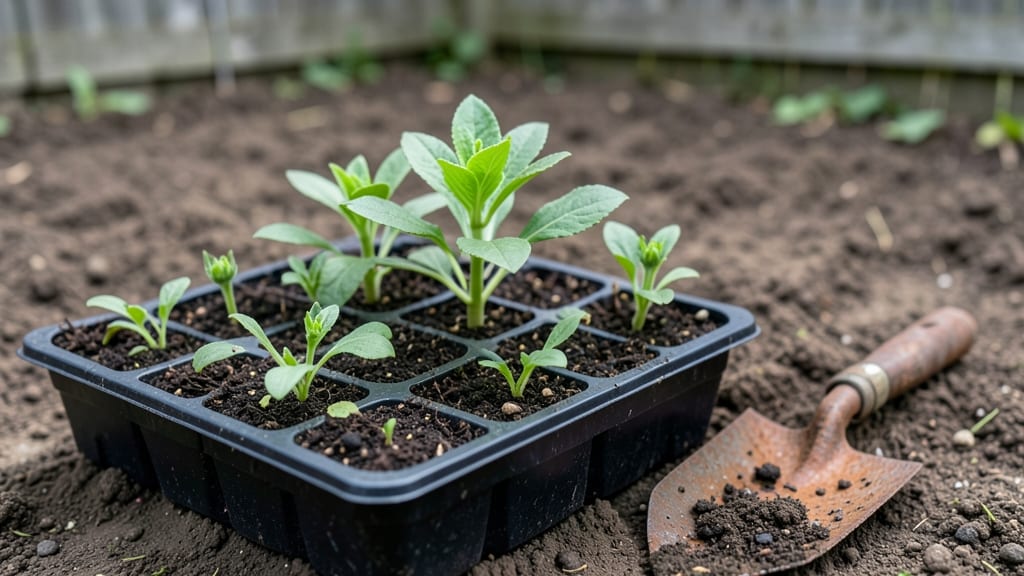
Planting flower seeds outdoors transforms a blank patch into a riot of color—but timing and technique make all the difference. I learned that the hard way with my first batch of sunflowers, which sprouted too late for full summer blooms.
The secret isn’t just dropping seeds in dirt; it’s about matching varieties to your sunlight, prepping soil just right, and keeping moisture consistent until those first green shoots appear.
Start with seeds suited to your zone and sunlight conditions—think marigolds for full sun or snapdragons for partial shade. You’ll need a trowel, gloves, and a watering can, plus a simple soil mix: native soil amended with compost works best.
Plant seeds at twice their width (so tiny petunia seeds go just ¼ inch deep) and space them according to their mature size—crowding leads to leggy, weak stems.
After planting, water gently but thoroughly to settle soil around seeds, then keep it evenly moist (not soggy) until germination. Most annuals pop up in 7–14 days, but patience is key—especially in hot or dry spells.
Once sprouts emerge, thin them to the strongest plants, giving each room to grow without competing for nutrients.
Seasonal timing matters too: cool-season flowers like pansies thrive when planted in early spring or fall, while heat-lovers like zinnias wait until soil warms to 60°F. Avoid common pitfalls like planting too deep (seeds rot) or skipping mulch (soil dries out too fast).
With these steps, you’ll go from empty beds to blooming borders in weeks—not months.
📚 In This Guide
- What you need
- Instructions
- Tips and common mistakes
- Wrapping up and next steps
What you need
- ● Flower seeds: Choose seeds suited for your climate (e.g., marigolds, sunflowers, or zinnias). Aim for 1-2 packets (typically 50-100 seeds per packet).
- ● Well-draining potting soil or garden soil: 1-2 bags (10-20 lbs each) for planting beds or containers.
- ● Planting containers or garden bed: For containers: 1-2 pots (5-10 inches deep) with drainage holes.
- ● For in-ground planting: A 6-inch deep trench or hole per seed.
- ● Watering can or hose with a gentle spray nozzle: Essential for consistent moisture.
- ○ Gloves (optional but recommended): Protects hands from soil and thorns.
- ● Hand trowel or small shovel: For digging holes or mixing soil.
- ● Seedling trays (if starting indoors): Useful for delicate seeds like petunias.
- ● Mulch or compost: Helps retain moisture and enrich soil (apply 1-2 inches after planting).
- ● Plant labels: Write seed names/dates to track growth.
- ● Fertilizer (balanced, 10-10-10 or organic): Sprinkle lightly after germination.
- ● Shade cloth or row covers: Protects young seedlings from harsh sun or pests.
How to plant flower seeds outdoors for reliable blooms
Here's the straightforward method I use every spring—no fuss, just consistent results.
Prepare the Soil and Planting Site
Choose a location that gets at least 6 hours of direct sunlight daily. Most annual flowers thrive in full sun, but check your specific varieties—some like marigolds or zinnias need even more. Clear the area of weeds and loosen the top 6 inches of soil with a garden fork. This helps roots penetrate easily without compacted soil blocking their path.
Work in 2-3 inches of compost or well-rotted manure into the top layer. This improves drainage and provides nutrients for the seedlings. I like to sift the compost through my fingers to break up clumps—you want it evenly distributed, not in pockets. If your soil feels heavy or clay-like when squeezed, add sand or perlite to lighten it up.
Sow Seeds at the Right Depth and Spacing
Read the seed packet for depth—most flower seeds should go in ¼ to ½ inch deep. Tiny seeds like petunias or snapdragons need barely any covering, while larger ones like sunflowers can go deeper. Use your finger or a small stick to make holes, then drop 2-3 seeds per spot—you’ll thin them later. Planting too many seeds in one hole leads to weak, crowded seedlings that compete for light.
Space seeds according to their mature size. Delicate flowers like cosmos can start 12 inches apart, while larger ones like hollyhocks need 18-24 inches. Mark rows with small sticks or a twig line to avoid overcrowding as they grow. After planting, gently pat the soil down with your hand—just enough to cover the seeds without pressing too hard.
Water and Protect Until Germination
Water the area lightly but thoroughly right after planting. Use a gentle spray or a watering can with a fine rose attachment to avoid displacing seeds. The soil should feel moist but not soggy—you’re aiming for dampness, not a puddle. Overwatering can wash seeds away or cause them to rot before they sprout.
Cover the rows with 1-2 inches of mulch or straw to retain moisture and protect seeds from birds or wind. Remove the mulch once seedlings emerge—usually in 7-14 days, depending on the flower type. Keep the soil consistently moist during germination, but avoid soaking it. You’ll know it’s right when the surface stays slightly damp but doesn’t glisten.
Tips & tricks for planting flower seeds outdoors
Here’s what I’ve learned after years of planting flowers—these small details make all the difference between patchy blooms and a thriving garden.
Sunlight Check: That 6-hour minimum of direct sunlight is non-negotiable for most annual flowers. I test locations by placing a white plate where you plan to plant—if it’s shaded for more than 4 hours during peak sun (10 AM–2 PM), move to a sunnier spot. Marigolds and zinnias actually need 8+ hours to reach their full potential, so check your seed packets for specific needs.
Soil Prep Secret: When working in 2-3 inches of compost, don’t just sprinkle it on top. Mix it into the top 6 inches of soil to create a loose, nutrient-rich layer where roots can easily spread. I use a small hand fork to gently loosen the soil without disturbing the deeper layers—this prevents compaction while keeping weeds at bay.
Planting Precision: For those ¼ to ½ inch deep holes, I use the tip of my finger as a guide—it’s the perfect size for most seeds. When planting 2-3 seeds per spot, I mark the location with a toothpick before making the hole. This prevents overcrowding later, and you’ll know exactly where to thin seedlings once they sprout. For tiny seeds like petunias, I press them gently into the soil rather than covering them.
Germination Guard: That 1-2 inches of mulch isn’t just about moisture—it’s also a bird deterrent. I use straw instead of wood chips because it breaks down faster, and I avoid piling it directly against stems. Once seedlings appear (usually within 7-14 days), I remove the mulch to prevent rot and give the young plants room to stretch toward the sun.
Pro Tips for Planting Flower Seeds Outdoors
- Here’s what I’ve learned after years of planting flowers—these small details make all the difference between patchy blooms and a thriving garden.
- Sunlight Check: That 6-hour minimum of direct sunlight is non-negotiable for most annual flowers.
- Soil Prep Secret: When working in 2-3 inches of compost, don’t just sprinkle it on top.
Frequently asked questions
Got questions about planting flower seeds outdoors? You’re not alone—even seasoned gardeners have doubts! Here are answers to the most common queries to help you grow confidently.
When is the best time to plant flower seeds outdoors?
The ideal time depends on your climate and flower type. For most annuals, plant after the last frost when soil is at least 60°F (15°C). Check seed packets for specific guidelines—some flowers (like snapdragons) tolerate cooler soil, while others (like marigolds) thrive in warm conditions. Pro tip: Use a soil thermometer to avoid guesswork!
How long does it take for flower seeds to germinate?
Germination time varies widely—from 3–5 days for fast growers like zinnias to 2–3 weeks for slower seeds like delphiniums. Keep soil moist (not soggy) and warm, and place seeds in a sunny spot (or under grow lights). If nothing sprouts after twice the expected time, they may need fresh planting or better conditions.
What if my seeds aren’t sprouting? Troubleshooting tips?
Don’t panic! First, check moisture—seeds need consistent dampness (like a wrung-out sponge). If soil is too cold, try a clear plastic dome or row cover to trap heat. Poor soil? Amend with compost or use a seed-starting mix. Last resort: Test seed viability by soaking a few in water—if they sink, they’re likely still good!
Can I plant flower seeds directly in the ground, or should I start indoors first?
Direct sowing works for hardy annuals (like cosmos or sunflowers) and perennials, but delicate or slow-growing seeds (e.g., petunias, orchids) thrive indoors 6–8 weeks before the last frost. Use biodegradable pots to transplant easily. Rule of thumb: If your growing season is short, start indoors!
How do I protect my flower seeds from pests or animals?
Use row covers, chicken wire, or mesh to deter critters like rabbits and squirrels. For insects, try neem oil or diatomaceous earth around seed trays. Prevention tip: Plant seeds in protected microclimates (e.g., under shrubs) or use repellent plants like marigolds nearby to confuse pests.
Still stumped? Drop your question in the comments—we’re happy to help your garden bloom!
Wrapping up and next steps
Planting flower seeds outdoors is a rewarding journey that brings vibrant colors and life to your garden—and you’ve got everything you need to succeed! 🌸 With the right sunlight, soil prep, and patience, your garden will soon burst with blooms.
Now that you’re armed with tips and answers to common questions, take the first step today—grab those seeds, head outside, and let nature do its magic!
Next up:
- 📅 Mark your calendar for planting dates (check seed packets for best times!).
- 🌱 Start small—even a single pot or patch will give you instant gratification.
- 📸 Document your progress—before you know it, you’ll have a stunning photo album of your garden’s growth!