
Flowers
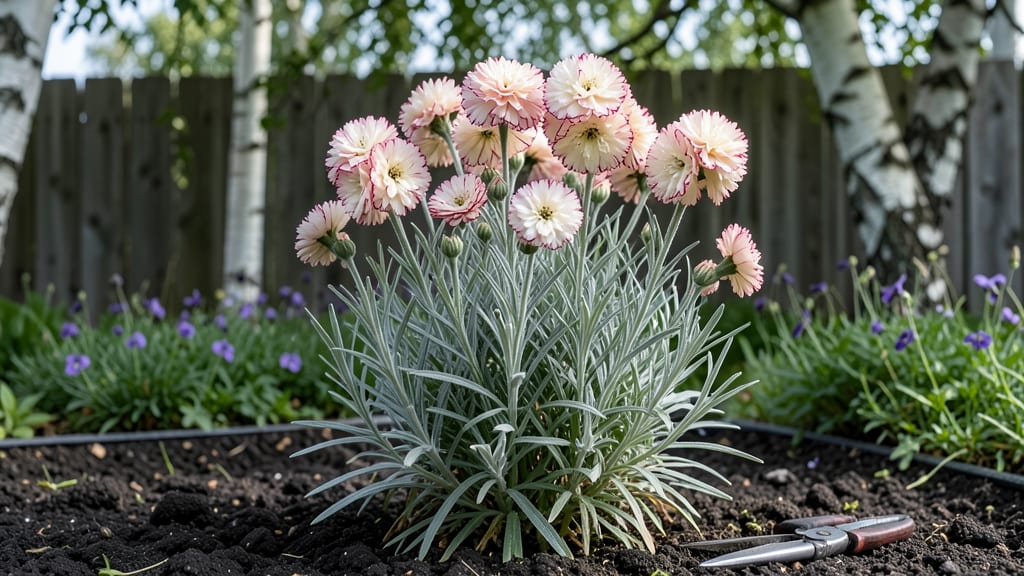
Pink and white flowers transform any garden into a dreamy, fragrant sanctuary that hums with life. 🌸 I fell in love with this palette after designing a border that bloomed from spring peonies through fall asters—each petal soft as morning mist.
The secret isn't just the colors but how they work together: creamy hydrangeas, blush roses, and frothy lamb's ear create layers of texture that move with the light.
This design thrives on contrast—think bold green foliage like hostas or dusty miller to make the blooms pop, plus a few deep purple or burgundy accents (like salvia) to ground the softness. Pollinators adore these combinations, and the scent?
Pure magic—jasmine, gardenias, and sweet alyssum fill the air when everything's in bloom. Even a small container garden can pull it off with just three varieties.
What you'll end up with is a garden that feels like a living painting—romantic, timeless, and always changing. The peonies arrive in May, roses take over in June, and late-season dahlias or chrysanthemums keep things lively until frost.
Add a few evergreen shrubs for winter structure, and you've got year-round interest with minimal effort.
Perfect for cottage-style gardens, romantic wedding backdrops, or even urban balconies with the right container choices. The best part? Every season brings something new while keeping that dreamy, soft aesthetic intact. Let's bring this vision to life—step by step.
📚 In This Guide
- What you need
- Instructions
- Tips and common mistakes
- Wrapping up and next steps
What you need
- ● Pink & white flowering plants: 5–10 Peony plants (e.g., 'Sarah Bernhardt' for lush pink blooms)
- ● 3–5 Dianthus (e.g., 'Firewitch' or 'Matrona' for fragrant pink/white clusters)
- ● 2–3 Roses (disease-resistant varieties like 'Iceberg' for white or 'Double Delight' for soft pink)
- ● 1–2 Clematis (e.g., 'Jackmanii' for climbing white/pink blooms)
- ● 3–5 Lavender (e.g., 'Grosso' for silvery foliage and scent)
- ● 1 Hydrangea (e.g., 'Annabelle' for voluminous white blooms)
- ● Soil & amendments: 50 lbs compost (for enriching soil)
- ● 10 lbs perlite or sand (for drainage, especially in clay soil)
- ● 1 lb slow-release fertilizer (10-10-10 or organic options like fish emulsion)
- ● Tools: 1 garden trowel (for planting)
- ● 1 pruning shears (sharp, bypass-style for clean cuts)
- ● 1 wheelbarrow or bucket (for hauling soil/amendments)
- ● 1 garden hose with spray nozzle (for watering)
- ● 1 measuring tape (to plan spacing)
- ● Prerequisites: Sunlight assessment: 6+ hours of direct sun for most pink/white bloomers (adjust for shade-lovers like Astilbe if needed).
- ● Water source: Drip irrigation or soaker hose recommended for consistent moisture.
- ● Pollinator boosters: 1–2 bee hotels or butterfly feeders
- ● Wildflower seeds (e.g., Coneflower or Black-Eyed Susan for extra nectar)
- ● Design elements: Garden stakes or obelisks (for climbing plants like clematis)
- ● Mulch (e.g., pine straw or gravel to suppress weeds and retain moisture)
- ● Decorative stones or stepping stones (for pathways)
- ● Scent & ambiance: 1–2 citronella candles or scented lanterns (for evening fragrance)
- ● Wind chimes or bird feeders (to enhance the garden’s charm)
How to design a pollinator-friendly pink-and-white flower garden
Here's how to create a fragrant, buzzing garden that blooms from spring to frost.
🌱 Step 1: Plan Your Planting Zones for Season-Long Color
Start by sketching your garden layout with four distinct zones to ensure continuous blooms. I like to divide the space into early spring, mid-season, late summer, and fall interest areas—this keeps your garden vibrant without gaps. For example, plant bleeding heart (Dicentra spectabilis) in the shady corner for early spring color, then layer in peony (Paeonia lactiflora) and lilac (Syringa vulgaris) for mid-season height and fragrance.
Add black-eyed Susan (Rudbeckia hirta) and coneflower (Echinacea purpurea) for late summer, then fill fall gaps with asters (Symphyotrichum) and Japanese anemone (Anemone × hybrida). This sequence ensures your garden never loses its pink-and-white charm. Real talk: if you skip planning zones, you'll end up with a summer-only show—don't let that happen.
☀️ Step 2: Choose the Right Locations for Light and Soil Needs
Pink-and-white blooms thrive in different light conditions, so match plants to their natural habitats. Place sun-lovers like shasta daisy (Leucanthemum × superbum) and lavender (Lavandula angustifolia) in full sun (6+ hours), while hydrangea (Hydrangea macrophylla) and astilbe (Astilbe spp.) prefer partial shade (3-6 hours). I always test soil pH before planting—hydrangeas need acidic soil (5.0-6.0) for those signature blue blooms, while peonies prefer neutral to slightly alkaline soil (6.5-7.5).
Amend heavy clay soil with 2-3 inches of compost to improve drainage, especially for bulbs like daffodils (Narcissus) and tulips (Tulipa), which hate soggy roots. If your soil feels compacted, mix in 1 part perlite per 3 parts soil—this prevents root rot and keeps flowers healthy. Here's the thing: even the prettiest flowers won't thrive if their basic needs aren't met.
🌿 Step 3: Layer Plants for Height, Texture, and Pollinator Appeal
Begin with tall backdrops like crane's bill (Geranium macrorrhizum) and Russian sage (Perovskia atriplicifolia) at 3-4 feet tall, then add mid-height plants such as catmint (Nepeta) and salvia (Salvia nemorosa) at 2-3 feet. Fill the front with low-growing perennials like creeping phlox (Phlox subulata) and ajuga (Ajuga reptans) to create a lush, layered look. This structure keeps your garden visually balanced and gives pollinators easy access to nectar at every level.
Incorporate fragrant picks like mock orange (Philadelphus) and sweet alyssum (Lobularia maritima) to attract bees, butterflies, and hummingbirds. I always plant in odd-numbered clusters (3, 5, or 7 plants) for a natural, fuller appearance—even spacing makes gardens look sparse. Watch for first blooms in late spring; that's your signal the design is working.
💧 Step 4: Water and Mulch for Year-Round Success
Water deeply 1-2 times per week in the first growing season to establish roots, then taper to once weekly once plants are established. I like to water in the early morning to reduce evaporation and fungal risks. Apply 2-3 inches of mulch (like shredded bark) around plants to retain moisture, suppress weeds, and regulate soil temperature. Keep mulch 2 inches away from stems to prevent rot.
Top off mulch in early spring to protect roots from temperature swings. This is the moment that matters: a well-mulched garden stays vibrant through droughts and heatwaves. If leaves yellow or wilt, check soil moisture—overwatering is just as harmful as underwatering. Here's where it gets fun: once your garden is established, you'll spend less time watering and more time enjoying the buzzing activity.
⏰ Step 5: Maintain and Renew for Continuous Blooms
Deadhead spent blooms regularly to encourage reblooming in perennials like bee balm (Monarda) and daylily (Hemerocallis). I snip off faded flowers with clean pruners, leaving 1-2 inches of stem to prevent disease. In late fall, cut back tall perennials by half to tidy the garden, but leave seed heads and dried blooms for winter interest and wildlife.
Divide overcrowded clumps like hostas (Hosta) and daylilies every 3-4 years in early spring to keep them vigorous. This ensures your garden stays lush and full of energy. Real talk: neglecting maintenance leads to floppy, leggy plants—don't let that happen. With consistent care, your pink-and-white haven will thrive for years, attracting pollinators and filling your space with fragrance.
Tips & tricks for perfect pink-and-white flower garden design
Took me a while to figure these out, so here's how to make your fragrant pollinator garden truly shine.
Seasonal Planting Strategy: In Step 1, when planning your four zones, add a fifth "transition zone" between your late summer and fall plants. I use Russian sage (Perovskia atriplicifolia) here—it blooms from early summer through fall and bridges the seasonal gap beautifully. This ensures your garden never looks bare, even during those tricky late-summer transitions when some plants finish blooming while others haven't started yet.
Soil Prep Shortcut: For Step 2's soil amendments, grab a simple soil pH test kit from your garden center—it costs about $10 and saves you from guessing. I've learned the hard way that peonies won't thrive in acidic soil (they need 6.5-7.5), while hydrangeas won't show their signature blue without that 5.0-6.0 range. Test before planting to avoid disappointed blooms later. The 2-3 inches of compost recommendation works perfectly for most garden soils, but if you're working with sandy soil, add an extra inch to help retain moisture.
Pollinator Magnet: In Step 3, when layering your plants, add a small patch of thyme (Thymus vulgaris) at the base of your taller plants—it's not pink or white, but bees absolutely love it, and it stays low enough not to compete with your main blooms. I plant it in clusters of 5-7 plants around the edges of my garden beds. The fragrance alone makes it worth including, plus it deters pests naturally.
Watering Wisdom: For Step 4's watering schedule, consider installing a simple drip irrigation system if you're working with larger garden beds. It delivers water directly to the roots at the soil level, reducing evaporation and fungal risks from overhead watering. Set it to run for 15-20 minutes every other day during the first growing season, then adjust to weekly once established. This method saves time and keeps your pollinator haven thriving with minimal effort.
Pro Tips for Pink White Flowers
- Took me a while to figure these out, so here's how to make your fragrant pollinator garden truly shine.
- Seasonal Planting Strategy: In Step 1, when planning your four zones, add a fifth "transition zone" between your late summer and fall plants.
- Soil Prep Shortcut: For Step 2's soil amendments, grab a simple soil pH test kit from your garden center—it costs about $10 and saves you from guessing.
Frequently asked questions
Got questions about creating a stunning pink-and-white flower garden that thrives year-round? Here are some of the most common queries—and their answers—to help you design with confidence!
What are the best pink-and-white flowers for attracting pollinators?
Opt for bee-balmed blooms like coneflowers (Echinacea), black-eyed Susans, and lavender (pale varieties) alongside classic pinks like peony or dianthus. Milkweed (white) is a butterfly magnet, while shasta daisies add volume with minimal fuss. Pro tip: Mix perennials (for structure) with annuals (like zinnia) for seasonal color bursts!
When is the ideal time to plant pink-and-white flowers for continuous blooms?
For year-round interest, stagger plantings:
- Early spring (March-April): Cool-season bloomers like pansies or snowdrops (white).
- Late spring (May): Perennials (peony, daylily) and bulbs (tulips, daffodils).
- Fall (September-October): Chrysanthemums or asters for autumn color.
How do I keep my pink-and-white flowers looking fresh all season?
Deadhead spent blooms regularly to encourage reblooming, and mulch (2–3 inches) to retain moisture. Water deeply 1–2 times/week (more in heat) and fertilize lightly with balanced 10-10-10 in spring. For perennials, divide clumps every 3–4 years to prevent overcrowding. Pests? Spray neem oil on aphids or use row covers for cabbage moths.
What are some low-maintenance alternatives to traditional pink-and-white flowers?
If you want easy-care options, try:
- Sedum ("stonecrop"): Drought-tolerant, white/pink hues, and thrives in poor soil.
- Russian sage (lavender-blue): Fragrant, deer-resistant, and blooms late summer.
- Ornamental grasses (e.g., Miscanthus): Add texture with soft white plumes.
- Hellebore ("Lenten rose"): Evergreen foliage with nodding white/pink blooms in winter.
Why aren’t my pink-and-white flowers blooming as expected?
Common culprits:
- Too much nitrogen = leafy growth, no flowers. Switch to phosphorus-rich fertilizer (e.g., 5-10-5).
- Overcrowding = competition for sunlight. Thin plants or divide clumps.
- Incorrect light: Some (like peony) need full sun; others (astilbe) tolerate partial shade.
- Stress (drought, pests). Mulch and water consistently to reduce shock.
Wrapping up and next steps
Creating a pink and white flower garden isn’t just about beauty—it’s about crafting a thriving, fragrant haven that supports pollinators year-round! 🌸 From selecting the right blooms to designing for seasonal interest, every step ensures your garden becomes a vibrant, eco-friendly retreat.
Whether you’re a beginner or a seasoned gardener, the key is to start small, stay consistent, and let nature do the rest.
Ready to transform your outdoor space? Pick one or two plants from this guide, sketch a simple layout, and begin planting! Your future visitors—bees, butterflies, and even your neighbors—will thank you. Happy gardening! 🌿