
Flowers
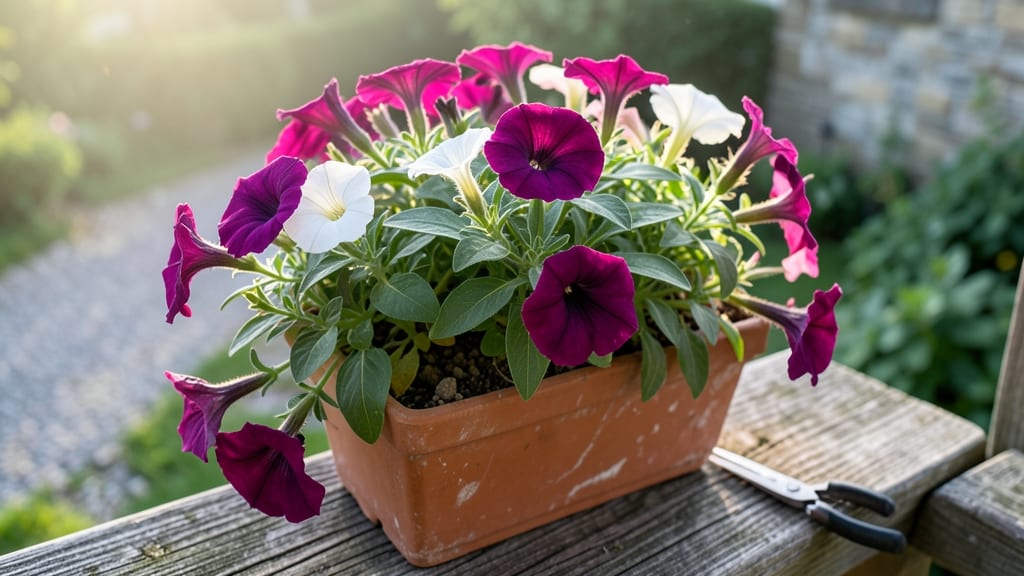
A petunia flower box transforms any porch or balcony into a vibrant, eye-catching centerpiece that neighbors will envy. 🌸 I learned the hard way that petunias thrive in well-draining soil and bright light, but once you get the setup right, they spill over boxes like liquid color.
The secret isn’t just the flowers—it’s how they frame your space, turning a simple container into a showstopper.
Start with a sturdy box (at least 12 inches deep), quality potting mix, and petunias in shades that complement your home’s color palette. Mix trailing varieties like ‘Wave’ or ‘Supertunia’ with upright types for height, and pair them with drought-tolerant companions like sweet alyssum or calibrachoa.
Spacing matters—plant petunias 10-12 inches apart to prevent overcrowding, and water deeply twice a week to keep those blooms bursting.
By summer’s peak, your flower box will be a nonstop parade of blooms, with petunias cascading like a waterfall of color. The scent of evening fragrance varieties adds another layer of charm, while the contrast of deep purples against crisp whites creates a dramatic effect.
With the right care, these boxes stay lush until frost, giving you months of curb appeal.
Works for city balconies or countryside porches—just adjust watering for heatwaves and deadhead faded blooms weekly. The payoff? A garden that turns heads without requiring a green thumb. Let’s make yours the talk of the street.
📚 In This Guide
- What you need
- Instructions
- Tips and common mistakes
- Wrapping up and next steps
What you need
- ● Flower box: 1 wooden, plastic, or metal box (12–18 inches deep, 12–24 inches wide, and 6–12 inches tall). Ensure it has drainage holes!
- ● Petunia seeds or seedlings: 10–15 petunia plants (mix varieties like Wave® for trailing or Millennium for bushy blooms).
- ● OR 1 packet of petunia seeds (sow indoors 8–10 weeks before last frost).
- ● Potting soil: 1 bag (1–2 cubic feet) of high-quality, well-draining potting mix (add perlite or sand for extra drainage).
- ● Drainage material: 1–2 inches of gravel, pebbles, or landscape fabric (to prevent soil from clogging holes).
- ● Fertilizer: 1 slow-release balanced fertilizer (10-10-10 or 20-20-20) or liquid bloom booster.
- ● Gloves & trowel: 1 pair of gardening gloves and 1 sturdy trowel.
- ● Watering can or hose: With a gentle spray nozzle.
- ● Mulch: 1 bag of pine bark or shredded leaves (to retain moisture and suppress weeds).
- ● Companion plants: 2–3 calibrachoa, lobelia, or sweet alyssum seedlings (for texture and pollinator appeal).
- ● Decorative accents: Paint, stain, or weatherproof decor (to personalize your flower box!).
- ● Support stakes: 1–2 small garden stakes or clips (to train trailing varieties).
- ● Self-watering system: A wicking mat or drip irrigation kit (for low-maintenance hydration).
How to create a thriving petunia flower box with year-round color
Here’s the method I’ve perfected for overflowing, traffic-stopping petunia displays that bloom from spring through fall.
🪴 Step 1: Choose the Right Flower Box and Drainage
Select a wooden or metal flower box with a depth of at least 10-12 inches—petunias need room for roots to spread and cascade gracefully. If your box has no drainage holes, drill ¼-inch holes along the bottom and sides, spacing them 6 inches apart. Line the interior with landscape fabric to prevent soil from escaping while still allowing water to drain.
I always position the box where it gets 6-8 hours of direct sunlight daily—petunias thrive in full sun but can tolerate 4-6 hours if your climate is particularly hot. A south- or west-facing wall is ideal. If your box sits on a balcony or deck, ensure it’s secured with brackets to handle the weight of trailing petunias once they’re in full bloom.
🌱 Step 2: Layer Soil and Plant for Maximum Impact
Fill the bottom 2 inches of the box with a moisture-retentive mix—I use 3 parts potting soil to 1 part perlite to keep roots aerated. This layer ensures drainage while holding enough water for deep-rooted petunias. Press it down lightly so it’s firm but not compacted.
Next, add a 2-inch layer of slow-release fertilizer granules—this feeds the roots steadily over 8-12 weeks, reducing the need for frequent feeding. Top this with 4 inches of high-quality potting mix, fluffing it so it’s loose and ready for planting. Avoid garden soil; it compacts and suffocates petunia roots.
🌿 Step 3: Plant Petunias in a Cascading Pattern
For a full, layered look, plant trailing petunias at the back and edges, where they’ll spill over the sides. Space them 8-10 inches apart—this gives them room to bush out while still creating a dense curtain of color. Upright varieties go in the center, 6-8 inches apart, to fill the middle tier.
Dig a hole twice as wide as the root ball but only as deep as the pot’s rim. Gently remove each plant, tease the roots if they’re circling, and place it in the hole. Fill around the roots with soil, pressing lightly to eliminate air pockets. Water deeply until moisture runs out the drainage holes—this settles the soil and encourages roots to spread quickly.
💧 Step 4: Water and Feed for Nonstop Blooms
Water the flower box deeply every morning for the first 7-10 days to help roots establish. After that, water when the top inch of soil feels dry—petunias wilt fast when thirsty, but soggy soil invites root rot. I use a soaker hose to water at the base, avoiding the leaves to prevent fungal diseases like powdery mildew.
Feed with a balanced liquid fertilizer (10-10-10) every 2 weeks during the growing season. This keeps blooms vibrant and encourages new flowers to replace spent ones. Deadhead faded blooms weekly—pinch or snip them off just above the next set of leaves. This trick forces the plant to produce more flowers instead of seed pods.
✂️ Step 5: Prune and Maintain for Long-Lasting Beauty
Pinch back new growth when it reaches 4-6 inches tall to encourage bushier, fuller plants. This step is crucial—if you skip it, petunias grow leggy and sparse. Use clean, sharp scissors to cut just above a set of leaves or a leaf node. Avoid tearing the stems, as this invites disease.
By mid-summer, petunias may look tired from heat or pests. Give them a light trim—cut back one-third of the plant to the strongest stems. This rejuvenates growth and often triggers a second flush of blooms. In fall, when frost threatens, cut back plants to 4 inches tall, move the box indoors to a bright spot, and keep it barely moist until spring.
Tips & tricks for perfect petunia flower boxes
Real talk: The difference between a petunia display that wows and one that wilted comes down to these details. Here's what nobody tells you about keeping your flower box thriving.
Drainage is Non-Negotiable: Those ¼-inch holes spaced 6 inches apart in Step 1 aren't just suggestions—they're essential. If your box lacks drainage, petunias will develop root rot within 7-10 days, and you'll be starting over. I've seen people skip this and lose entire boxes by week 3. Pro tip: Test your drainage by filling the box with water and timing how quickly it drains. It should empty completely within 15 minutes.
Sunlight Strategy: The 6-8 hours of direct sunlight in Step 1 is your sweet spot, but here's the catch: morning sun is gentler than afternoon heat. Position your box to catch those golden morning rays first, then shift it slightly to avoid the harsh afternoon sun if your climate gets particularly hot. Petunias in full afternoon sun can scorch within hours, leaving browned leaves while flowers remain unaffected.
Soil Science: That 2-inch moisture-retentive mix in Step 2 is where the magic happens. The 3:1 ratio of potting soil to perlite isn't arbitrary—it mimics petunias' natural habitat. Too much perlite and roots dry out; too little and drainage suffers. I like to add a handful of worm castings to this layer for extra microbial activity that boosts root health. The castings break down slowly, feeding roots for weeks after planting.
Pruning Precision: When you're pinching back new growth at 4-6 inches in Step 5, aim for the top set of leaves. This encourages branching from lower nodes, creating a bushier plant. I've seen people cut too low, which can expose stems to disease. Use clean scissors and make cuts at a 45-degree angle just above a leaf node. This technique also works for your mid-summer trim—always cut back to the strongest stems to maintain structure.
Pro Tips for Petunia Flower Box
- Real talk: The difference between a petunia display that wows and one that wilted comes down to these details.
- Drainage is Non-Negotiable: Those ¼-inch holes spaced 6 inches apart in Step 1 aren't just suggestions—they're essential.
- Sunlight Strategy: The 6-8 hours of direct sunlight in Step 1 is your sweet spot, but here's the catch: morning sun is gentler than afternoon heat.
Frequently asked questions
Got questions about creating a show-stopping petunia flower box? You’re not alone! Here are answers to the most common queries to help you grow a lush, blooming display with confidence.
When is the best time to plant petunias in a flower box?
Plant petunias in your flower box after the last frost when soil temperatures are consistently above 50°F (10°C). For spring blooms, aim for late April to early June in most U.S. zones. In warmer climates, you can plant as early as February! Pro tip: Use heat mats or cold frames if early planting is tempting.
How often should I water petunias in a flower box?
Petunias thrive on consistent moisture—water them daily during hot, dry spells and aim for 1–1.5 inches of water per week. Since flower boxes dry out faster, check soil moisture with your finger; if the top inch feels dry, it’s time to water. Morning watering prevents fungal issues and keeps blooms vibrant.
Can I mix petunias with other flowers in a flower box?
Pair petunias with complementary plants like sweet alyssum (for trailing texture), calibrachoa (similar care needs), or salvia (for height contrast). Avoid overcrowding—petunias need space to sprawl. Pro tip: Choose plants with the same water and sunlight needs for harmony!
Why are my petunia leaves turning yellow or wilting?
Yellow leaves often signal overwatering or poor drainage. Wilting can mean underwatering or root stress (e.g., from compacted soil). Check for pests like aphids or spider mites too! Fix it: Adjust watering, ensure drainage holes, and fertilize lightly with a balanced 10-10-10 mix if growth stalls.
Do petunias in flower boxes bloom year-round, or do they need winter care?
Petunias are annuals and won’t survive winter in most climates, but you can extend their season! In mild winters (Zones 9–11), protect them with frost cloth or move boxes to a sheltered spot. For year-round color, replace spent plants with winter-friendly annuals like pansies or violas in fall.
What’s the secret to keeping petunias blooming all season?
Deadhead spent blooms regularly to encourage new flowers, and feed them every 2–3 weeks with a balanced liquid fertilizer (like 20-20-20). Prune leggy stems to promote bushiness, and ensure they get 6–8 hours of sun daily. Bonus: Mulch with compost to retain moisture and nutrients!
Wrapping up and next steps
Transforming your space with a petunia flower box is more than just a gardening project—it’s an investment in beauty, joy, and curb appeal that keeps giving all season long! 🌸 Whether you’re a seasoned gardener or a beginner eager to try, these vibrant blooms bring life, color, and a touch of whimsy to any outdoor area.
With the right materials, a little patience, and a dash of creativity, you’ll have a stunning display that turns heads and lifts spirits.
Ready to take the next step? Grab your tools, pick your petunia varieties, and start planting! Your future flower box awaits—let the colors cascade and the compliments begin. 🌿✨