
Planting
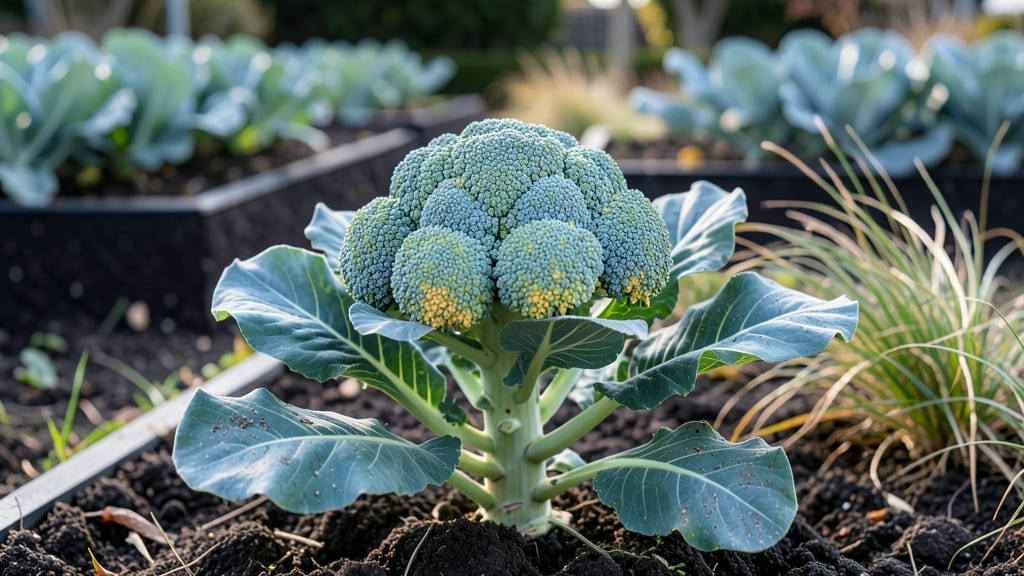
Transform your garden with a stunning broccoli flower plant—it’s simpler than you’d imagine, and those three key trims unlock a year-round floral spectacle while keeping the harvest fresh. 🌿 I learned this after my first broccoli plant sent up a single flower stalk and called it quits, leaving me with just one sad harvest.
Here’s the thing—broccoli plants want to flower, but you can guide them to produce multiple harvests before they go full bloom. Start with rich, well-draining soil mixed with compost, and give them 6+ hours of sunlight daily.
Water deeply at the base (not overhead) to prevent mildew, and watch those side shoots form after each trim. The flowers? Edible, delicate, and packed with flavor—think tiny purple sprouts with a peppery kick.
By the time you master the trims, you’ll have a plant that keeps giving: three harvests per season from the same spot, plus a bonus of edible blossoms.
The first trim happens when the main head is 4-6 inches across—cut it off just below the leaves, and new shoots will sprout within weeks. Repeat twice more, and you’ve got a broccoli bush that’s part vegetable, part floral centerpiece.
This works in containers too—just use a 5-gallon pot for dwarf varieties like ‘Calabrese’ or ‘De Cicco’. The key is patience: broccoli takes 60-80 days to mature, but the payoff is worth it.
Whether you’re growing for food, flowers, or both, this method turns a single plant into a multi-season powerhouse.
📚 In This Guide
- What you need
- Instructions
- Tips and common mistakes
- Wrapping up and next steps
What you need
- ● Broccoli plant (start or seedling): Choose a Calabrese or Romanesco variety (best for flowering). Start with a healthy 4-6 week old seedling or a mature plant from a nursery.
- ● Well-draining potting mix: 5-10 gallons (depending on pot size). Use a blend of peat moss, perlite, and compost (ratio: 40% peat, 30% perlite, 30% compost).
- ● Containers: For seedlings: 4-6 inch pots (1-2 per seedling).
- ● For mature plants: 12-18 inch pots or garden bed (if outdoors).
- ● Fertilizer: Balanced 10-10-10 NPK or organic options like fish emulsion or compost tea. Apply every 4-6 weeks.
- ● Pruning shears: Sharp, clean pair for trimming flowers and foliage.
- ● Watering can or hose: With a gentle spray nozzle for even moisture.
- ● Sunlight access: 6+ hours of direct sunlight daily (south-facing window or grow lights for indoors).
- ○ Support (optional but helpful): Small stakes or trellis for taller varieties.
- ● Grow lights: LED full-spectrum bulbs for indoor setups (12-16 hours/day).
- ● Mulch: Straw or shredded leaves to retain soil moisture.
- ● Epsom salt: 1 tablespoon per gallon of water (monthly) for magnesium boost.
- ● Insecticidal soap: For pest control (aphids or cabbage worms).
- ● pH test kit: To ensure soil pH is between 6.0-7.0 (broccoli loves slightly acidic soil!).
How to grow a broccoli flower plant for continuous blooms
Here's how I keep my ornamental broccoli plants flowering nonstop—no fancy tricks, just smart timing and cuts.
🌱 Step 1: Start with Healthy Broccoli Starts or Transplants
Choose ornamental broccoli varieties like 'Calabrese' or 'Purple Sprouting' from a nursery or grow from seed indoors 8-10 weeks before your last frost. Look for sturdy plants with dark green leaves and no yellowing—those are your best bets for long-term blooms. If starting from seed, sow in well-draining potting mix at ¼-inch depth and keep soil consistently moist until germination, which takes 7-14 days at 65-75°F.
Once seedlings have 2-3 true leaves, transplant them into individual pots or directly into the garden. Harden off seedlings by placing them outside for 1-2 hours daily, gradually increasing time over 7-10 days before planting. This toughens them up so they don’t get shocked when moved to their permanent spot.
✂️ Step 2: First Trim for Initial Flowering
When your broccoli plant reaches 12-18 inches tall and forms a tight head (the dense cluster of buds), it’s time for the first strategic trim. Use clean, sharp pruning shears to cut the head off just above a set of leaves—this is where the magic happens. The plant will redirect its energy from growing the head into producing side shoots that will eventually bloom.
After trimming, fertilize with a balanced 10-10-10 fertilizer to encourage new growth. Water deeply at the base to avoid wetting the leaves, which can lead to disease. You’ll notice new shoots emerging from the leaf axils within 2-3 weeks. These are your future blooms—keep an eye out for small buds forming along the stems.
☀️ Step 3: Maintain Light and Nutrients for Side Blooms
Ornamental broccoli thrives in full sun (6+ hours daily) and well-draining soil. If your plant isn’t getting enough light, side shoots will grow leggy and produce weak flowers. I always move mine to the sunniest spot in my garden and supplement with a grow light if needed during cloudy seasons. You’ll know the light is right when leaves stay dark green and compact—no pale, stretched-out growth.
Feed your plant every 4-6 weeks with a low-nitrogen fertilizer (like 5-10-10) to encourage flowering instead of leafy growth. Water 1 inch per week, adjusting for rain. Overwatering causes the plant to focus on survival rather than blooming, so let the top inch of soil dry out between waterings. You’ll see new flower buds forming along the stems within 3-4 weeks after the first trim.
⏰ Step 4: Second Trim for Extended Blooms
Once the first set of side shoots bloom and start to fade, it’s time for the second trim. Cut back the entire spent flower stalk to just above a new set of leaves or buds. This sends a signal to the plant to produce another round of side shoots from lower down on the stem. You’ll often get 2-3 more harvests from a single plant this way.
After the second trim, reduce fertilizer to half strength to avoid overstimulating new growth. The plant will focus its energy on developing stronger, more abundant blooms rather than excessive foliage. Watch for new buds emerging within 2-3 weeks—these will be your next set of flowers. If your plant looks tired, give it a light pruning to remove any yellow or damaged leaves to keep it healthy.
🌿 Step 5: Final Trim for Winter or Dormancy Prep
As temperatures drop or your plant starts to slow down, it’s time for the final trim. Cut back all remaining flower stalks to 6-8 inches tall, leaving a few healthy leaves at the base. This helps the plant store energy for next season and prevents it from becoming woody or leggy over winter. Mulch around the base with 2-3 inches of organic mulch to protect roots from freezing temperatures.
If you’re in a mild climate, your broccoli plant might still produce a few late-season blooms after the final trim. If not, don’t worry—it’s resting. Water sparingly in winter (just enough to keep soil from drying out completely) and resume regular care in spring. You’ll be amazed how vigorous and productive it becomes after a good rest.
Tips & tricks for year-round broccoli blooms
These simple strategies will help you coax continuous flowers from your ornamental broccoli plants—without the guesswork.
Pruning Precision: When making your first trim in Step 2, look for the spot where the main head meets a set of leaves at about a 45-degree angle. This is your target cut zone. The plant's energy will flow to those leaf axils, producing side shoots within the exact 2-3 weeks mentioned. I always use sterilized pruning shears to avoid introducing diseases that could derail your blooming plan.
Light Optimization: If your ornamental broccoli isn't getting the required 6+ hours of sun daily, supplement with a simple grow light placed just 6-12 inches above the plant for 12-14 hours per day. The key is maintaining those dark green, compact leaves—anything paler means it's stretching toward light and wasting energy that could go to blooms. I've seen plants go from leggy to bushy in just 7 days with proper light adjustments.
Fertilizer Timing: The 4-6 week feeding schedule in Step 3 works best when you fertilize right after a trim. This gives the plant a nutrient boost exactly when it needs to redirect energy into new growth. I always use a low-nitrogen fertilizer like 5-10-10 because too much nitrogen promotes leafy growth at the expense of flowers. After the second trim, halving the fertilizer strength prevents overstimulation that could lead to weak blooms.
Winter Protection: For the final trim in Step 5, I recommend cutting back to 6-8 inches tall and leaving those few healthy leaves at the base. These leaves act as mini solar panels, capturing sunlight to feed the roots during winter. The 2-3 inches of organic mulch creates an insulating blanket that maintains soil temperatures around 40-50°F, which is perfect for root growth without encouraging top growth that could get damaged by frost.
Pro Tips for Broccoli Flower Plant
- These simple strategies will help you coax continuous flowers from your ornamental broccoli plants—without the guesswork.
- Pruning Precision: When making your first trim in Step 2, look for the spot where the main head meets a set of leaves at about a 45-degree angle.
- Light Optimization: If your ornamental broccoli isn't getting the required 6+ hours of sun daily, supplement with a simple grow light placed just 6-12 inches above the plant for 12-14 hours per day.
Frequently asked questions
Got questions about growing and maintaining your broccoli flower plant? You’re not alone!
Here are some of the most common queries—plus quick, actionable answers to keep your plant thriving year-round.
Can I grow a broccoli flower plant from store-bought broccoli?
Yes! Save the stem of your next broccoli head (about 2 inches), let it dry for a day, then place it in water until roots sprout. Once rooted, transplant into soil—just be patient, as it may take months to flower. For faster results, start with seeds or nursery plants.
How long does it take for a broccoli flower plant to bloom?
Timing depends on your climate and growing method. From seed, expect 60–90 days in warm weather or 100+ days in cooler seasons. If growing from a store-bought stem, flowering can take 3–6 months. Consistent sunlight (6+ hours/day) and well-draining soil speed up the process!
Why isn’t my broccoli flower plant producing flowers?
Common culprits include lack of sunlight (move it to a sunnier spot), over-fertilizing (stick to balanced, low-nitrogen feed), or stress (check for pests or root rot). Broccoli plants also need cool weather (50–75°F) to trigger blooms—if temps soar, provide shade.
Can I eat the flowers and buds from my broccoli plant?
Both the yellow flowers and tight buds are edible and packed with nutrients. Snip them before they fully bloom for the best flavor. Use them in salads, stir-fries, or as a gourmet garnish. Just avoid sprayed plants if you’re unsure—organic growing is key!
What’s the best way to keep my broccoli plant flowering year-round?
Success hinges on three strategic trims:
- First cut: Harvest the main head when tight.
- Side shoots: Trim smaller buds as they form.
- Flowers: Snip blooms before they seed to encourage regrowth.
Wrapping up and next steps
Growing a broccoli flower plant isn’t just about harvesting veggies—it’s a rewarding journey to year-round beauty and flavor! 🌸 With just three strategic trims, you can encourage lush blooms while keeping your garden productive.
Whether you’re a seasoned gardener or a curious beginner, these tips make it easy to turn your broccoli patch into a stunning floral display.
Ready to dive in? Start by planting your seeds or seedlings this season, and soon you’ll be enjoying both the flowers and the harvest. Happy gardening—your future blooms (and tasty treats!) are waiting! 🌱✨