
Flowers
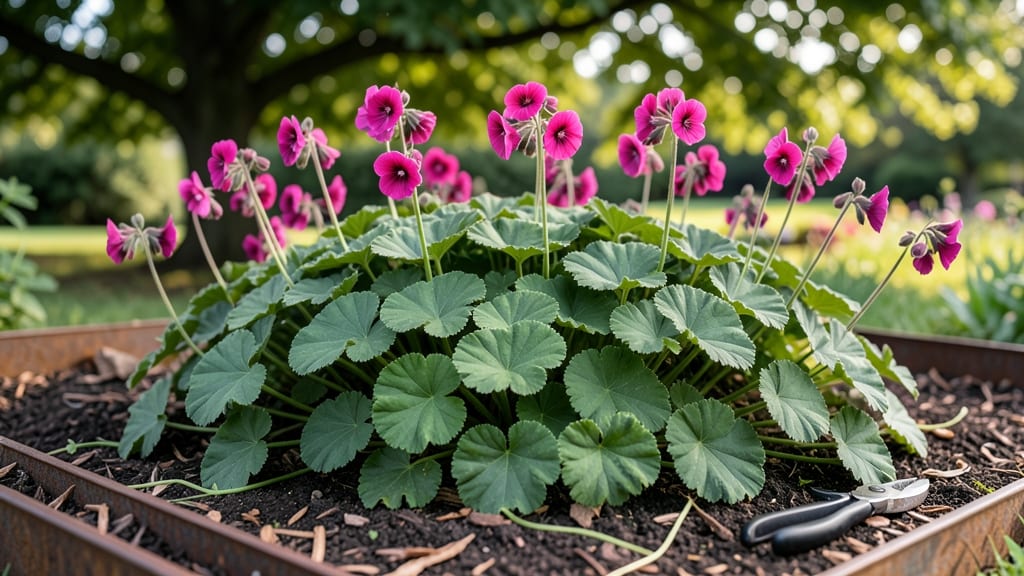
Perennial geranium flowers bring unexpected color to gardens long after annuals fade—my first year planting them in early spring proved just how tough these plants really are. 🌿 The secret lies in their cold-hardy nature, which lets them bounce back from winter with barely a scratch, then burst into blooms from late spring through fall.
I planted mine in a part-shade spot where other perennials struggled, and they thrived where nothing else would grow.
These plants are foolproof once you understand their simple needs: well-draining soil, moderate water (they hate soggy roots), and full sun to light shade. My zone 5 garden saw them survive -20°F winters with no protection, then return with fresh foliage by early May.
The blooms—deep pinks, purples, and whites—keep coming all season if you deadhead spent flowers regularly.
By midsummer, my patch of cranesbill geraniums became the neighborhood showstopper, with bees and butterflies constantly visiting. The foliage stays lush even when blooms slow in late summer, and the plants self-seed where they’re happy, giving you free new plants every year.
Pruning back in early spring keeps them tidy and encourages even more flowers.
Perfect for beginner gardeners or anyone tired of replacing annuals every year. These perennials grow 2-3 feet tall, making them ideal for borders, containers, or even woodland gardens. Let’s get yours planted—your garden will thank you for years to come.
📚 In This Guide
- What you need
- Instructions
- Tips and common mistakes
- Wrapping up and next steps
What you need
- ● Perennial geranium plants: Choose cold-hardy varieties like Geranium macrorrhizum (creeping geranium) or Geranium sanguineum (blooming geranium). Buy 3–5 plants for a full, vibrant display.
- ● Well-draining potting mix: A 5-gallon bag of high-quality, organic soil blend (e.g., Miracle-Gro Potting Mix or FoxFarm Ocean Forest). Avoid heavy clay soil.
- ● Garden soil (if planting outdoors): Test and amend with 1–2 inches of compost or aged manure per square foot to improve drainage.
- ○ Containers (optional for potted geraniums): 5–7-inch diameter pots with drainage holes (terracotta or fabric grow bags work well).
- ● Garden trowel or hand shovel for planting.
- ● Pruning shears (sterilized with rubbing alcohol) for trimming.
- ● Garden gloves to protect your hands.
- ● Watering can or hose with a gentle spray nozzle (avoid overhead watering to prevent fungal issues).
- ○ Mulch (optional but recommended): 2–3 inches of shredded bark or straw mulch to retain moisture and suppress weeds.
- ● Sunlight: Full sun to partial shade (6+ hours of sunlight daily for optimal blooms).
- ● Climate: USDA Zones 3–9 (cold-hardy varieties tolerate frost!).
- ● Watering schedule: Keep soil consistently moist but not soggy (water deeply 1–2 times per week, more in extreme heat).
- ○ Fertilizer (optional): A balanced, slow-release fertilizer (10-10-10) or organic compost tea applied 2–3 times per season.
How to plant and maintain cold-hardy perennial geraniums
Here's my foolproof method for establishing hardy geraniums that return every year with vibrant blooms.
🌱 Step 1: Choose the Right Location and Soil
Perennial geraniums thrive in full sun to partial shade—at least 6 hours of sunlight daily for best flowering. I always pick a spot with afternoon shade in hot climates to prevent leaf scorch. The soil should drain well but retain moisture; amending heavy clay with 2-3 inches of compost improves drainage dramatically.
Test your soil's pH—geraniums prefer 6.0 to 7.0. If your soil is too acidic, mix in 1 pound of garden lime per 100 square feet before planting. I dig a hole twice as wide as the root ball but only as deep—planting too deep suffocates the crown and causes rot.
🌿 Step 2: Plant at the Correct Depth and Spacing
Remove the plant from its container and loosen the roots gently if they're circling. Place it in the hole so the top of the root ball sits level with the surrounding soil—never bury the crown deeper than it was in the pot. This ensures strong regrowth next spring.
Space plants 18-24 inches apart for optimal air circulation, which prevents fungal diseases like powdery mildew. I water deeply right after planting to settle the soil and eliminate air pockets. The first 2-3 weeks are critical—keep soil consistently moist but not soggy until roots establish.
☀️ Step 3: Water and Fertilize for Establishment
Water deeply once a week during the first growing season, aiming for 1 inch of water per week. Overhead watering encourages leaf diseases, so I use a soaker hose or drip irrigation to deliver moisture directly to the roots. You'll know your watering is right when the soil feels moist 2 inches down but not waterlogged.
Apply a balanced, slow-release fertilizer (10-10-10) at planting time, then again in early summer. I avoid high-nitrogen fertilizers—they promote leafy growth at the expense of blooms. Instead, use a phosphate-rich formula (like 5-10-5) in late spring to encourage flowering. Deadhead spent blooms regularly to prolong the season and prevent seed formation.
✂️ Step 4: Prune for Winter Hardiness and Spring Growth
In late fall, cut back the foliage by one-third to reduce winter damage from heavy snow or ice. I leave 3-4 inches of stems to protect the crown from freezing temperatures. Perennial geraniums are hardy down to USDA Zone 4, but mulching with 2-3 inches of shredded bark adds extra insulation.
In early spring, prune again to remove dead or damaged stems. I wait until new growth appears before cutting back further—this ensures I don’t accidentally trim off next year’s blooms. Fertilize lightly in early spring with a low-nitrogen formula (like 5-10-10) to support new growth.
🪴 Step 5: Divide and Renew Every 3-4 Years
Geraniums form dense clumps over time, which can lead to fewer blooms and weaker stems. In early spring, dig up the plant and separate into smaller sections with a sharp spade. Each division should have 3-5 healthy stems and a portion of the root system. Replant immediately in fresh soil and water thoroughly.
This rejuvenation step is crucial—it prevents overcrowding and ensures your geraniums continue thriving for years. I always divide in cool spring weather (before 60°F) to reduce stress on the plants. After dividing, mulch with 1-2 inches of organic mulch to retain moisture and suppress weeds.
Tips & tricks for perfect perennial Geranium care
These hard-earned insights will help your cold-hardy geraniums thrive for seasons to come.
Sunlight Strategy: The 6 hours of sunlight daily is non-negotiable for flowering, but here's the trick: if your climate gets intense afternoon sun, position plants where they receive morning sun and afternoon shade. I've seen geraniums in full afternoon sun develop leaf scorch within weeks—those crispy edges ruin the look. In hot zones, a sheer curtain or nearby shrubs can provide just enough shade without sacrificing light.
Soil Science: When amending heavy clay with 2-3 inches of compost, don't just mix it in superficially. Dig the compost down to the full depth of the planting hole—this creates a proper drainage zone right where the roots will establish. I've seen geraniums in amended surface soil develop root rot because the water still pools below the compost layer. For existing plants, you can side-dress with compost annually to maintain this structure.
Planting Precision: That twice-as-wide hole isn't just for roots—it's about creating space for roots to spread outward naturally. When loosening circling roots, be gentle but thorough. I use my fingers to carefully separate any roots growing in tight circles, which helps prevent girdling as the plant matures. This single step makes all the difference in long-term plant health.
Watering Wisdom: The "moist 2 inches down" test is your best friend, but here's how to really nail it: insert a wooden skewer vertically into the soil after watering. If it comes out clean, you're good. If it's damp only at the surface, water again. I've found that geraniums in containers dry out faster—these need watering every 3-4 days rather than weekly. The key is consistent moisture without waterlogging, which is why I always check that lower depth.
Pro Tips for Perennial Geranium Flowers
- These hard-earned insights will help your cold-hardy geraniums thrive for seasons to come.
- Sunlight Strategy: The 6 hours of sunlight daily is non-negotiable for flowering, but here's the trick: if your climate gets intense afternoon sun, position plants where they receive morning sun and afternoon shade.
- Soil Science: When amending heavy clay with 2-3 inches of compost, don't just mix it in superficially.
Frequently asked questions
Got questions about keeping your perennial geraniums happy?
Here are answers to the most common ones—so you can enjoy those vibrant blooms all season long!
Are perennial geraniums really cold-hardy, or do they need winter protection?
Most perennial geraniums (like Geranium macrorrhizum or Geranium sanguineum) are hardy down to USDA Zones 3-7, but their foliage may die back in harsh winters. While they’re tough, a 3-inch mulch layer or light winter cover (like burlap) helps prevent root damage. Evergreen varieties like Geranium maculatum often stay green year-round!
How often should I water perennial geraniums once established?
Once settled, these plants are drought-tolerant! Water deeply but infrequently—about 1 inch per week in dry spells. Overwatering can rot their roots, so let the soil dry between waterings. Morning watering is best to reduce fungal risks.
Why aren’t my perennial geraniums blooming as much as I expected?
Blooms may wane due to over-fertilizing (too much nitrogen = lush leaves, fewer flowers), shady spots, or old wood. Try deadheading spent blooms, pruning back 1/3 in early spring, and placing them in full sun (6+ hours/day). Some varieties bloom best after a cold snap!
What pests or diseases commonly affect perennial geraniums?
Watch for Japanese beetles (chew leaves), aphids (sticky residue), and powdery mildew (white dust on foliage). Neem oil or insecticidal soap helps with pests, while improved airflow and avoiding overhead watering prevent mildew. Resistant varieties (like Geranium phaeum) are great choices!
Can I grow perennial geraniums in containers, or are they only for gardens?
Dwarf varieties
(like Geranium robertianum) thrive in 5-7 gallon pots with well-draining soil. Use containers with drainage holes, and repot every 2-3 years to refresh nutrients. Just move them indoors before frost if you’re in a colder zone!
Wrapping up and next steps
Perennial geraniums are a low-maintenance, cold-hardy superstar for any garden—packing vibrant blooms, resilience, and year-round charm! Whether you’re a seasoned gardener or a beginner, these hardy beauties reward patience with stunning, long-lasting color and minimal fuss. 🌸
Ready to transform your outdoor space? Start by selecting the perfect variety for your climate, then grab your gloves and get planting! Your future garden will thank you.