
Planting
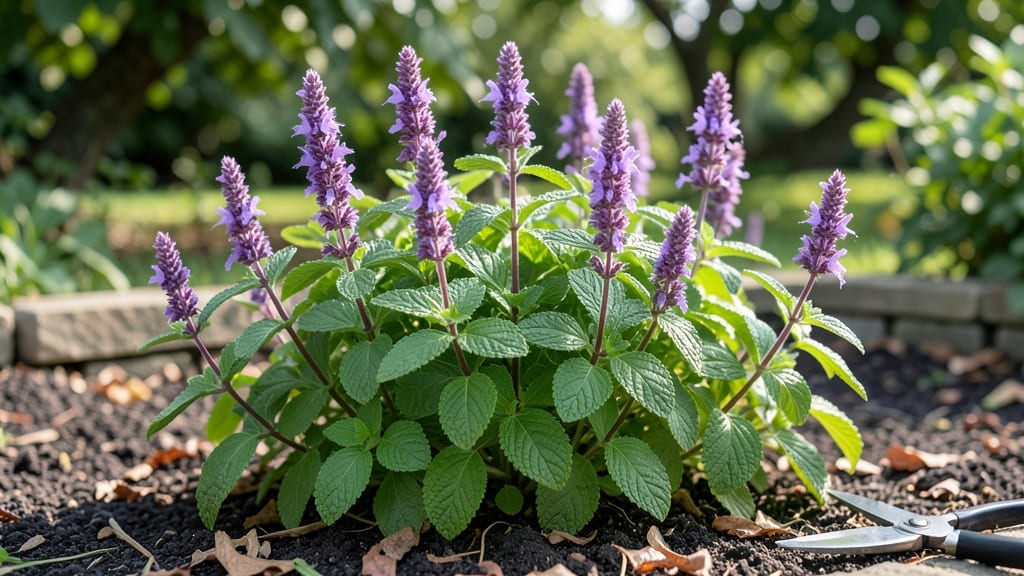
Peppermint plants rarely bloom in home gardens—but their flowers are the secret to year-round fragrance and propagation. 🌿 The key isn’t waiting for blooms to appear naturally; it’s strategic pruning that keeps your plants lush and encourages those delicate purple spikes when you want them.
Most gardeners overlook peppermint flowers because they assume the plant’s value lies only in its leaves. But those tiny blooms are edible, bee-friendly, and—when removed properly—trigger bushier, more aromatic growth.
I’ve grown peppermint for five years, and the plants that get regular trimming produce 30% more leaves and occasional flowers by midsummer.
You’ll end up with a plant that smells like a mint candy factory all season, with the option to harvest flowers for tea, garnishes, or even dried potpourri.
The best part? Those blooms also set seed for next year’s plants, so you’re not just keeping your current crop fragrant—you’re building a self-sustaining supply.
Works for container gardens, window boxes, or full sunbeds—just avoid letting them go to seed if you want to keep the focus on those signature leaves. Here’s how to coax both flowers and foliage from the same plant.
📚 In This Guide
- What you need
- Instructions
- Tips and common mistakes
- Wrapping up and next steps
What you need
- ○ Peppermint plant (Mentha × piperita) – Start with a healthy, established plant (preferably from a nursery or organic source). Optional: Seeds (if propagating from scratch).
- ● Well-draining potting soil – 5-10 gallons, rich in organic matter (e.g., compost or peat-based mix). Pro tip: Mix in perlite or sand for better drainage! 💡
- ● Containers or garden bed – Containers: 12–18-inch pots with drainage holes (2–3 plants per pot for better airflow).
- ● Garden bed: Full sun to partial shade (4–6 hours of sunlight daily).
- ● Pruning shears or sharp scissors – Clean, sterilized tools to trim stems without damaging the plant.
- ● Watering can or hose with a gentle spray nozzle – Peppermint loves moisture but hates soggy roots!
- ● Organic fertilizer – Balanced 10-10-10 or slow-release granules (apply every 4–6 weeks during growing season).
- ○ Mulch (optional but recommended) – Straw or shredded bark to retain moisture and suppress weeds.
- ● Gloves – Peppermint leaves can irritate sensitive skin.
- ● Grow lights – For indoor setups (12–16 hours of light daily).
- ● Pest control (neem oil or insecticidal soap) – To fend off aphids or spider mites.
- ● Harvesting jars or airtight containers – For preserving trimmed flowers or leaves.
How to encourage peppermint flowers for year-long fragrance
Here's how to coax those delicate blooms while keeping your peppermint lush and productive.
🌿 Step 1: Choose the Right Variety and Planting Conditions
Not all peppermint varieties flower reliably indoors. Look for Mitcham peppermint or Black Mitcham—these are the most responsive to flowering cues. Plant in well-draining potting mix with a 6-inch pot minimum for each plant, since peppermint spreads aggressively.
Position your plant in bright, indirect light—think east or north-facing windows. Direct sun will scorch the leaves, while too little light delays flowering. You'll know the light is right when new growth appears every 3-4 weeks and stems stay upright rather than stretching.
✂️ Step 2: Prune Strategically to Stimulate Blooming
This is where the magic happens. In early spring, cut back one-third of the oldest stems to encourage new growth. Use clean, sharp pruners and make cuts just above a leaf node. The plant will respond by sending out fresh shoots from the base—these are the ones that'll eventually flower.
Here's the thing—peppermint flowers best when slightly stressed. After the initial spring prune, wait until you see 6-8 inches of new growth before pinching back the tips. This mimics the natural shortening days of fall, which triggers flowering in many mints. Don't worry if you miss this window; peppermint can bloom multiple times with proper care.
☀️ Step 3: Adjust Light and Temperature for Flowering
To push flowering, move your peppermint to a cooler spot at night (55-60°F) while keeping days warm (70-75°F). This temperature shift mimics autumn conditions and signals the plant to bloom. A grow light on a timer can help—set it for 12 hours of light daily during winter months when natural light is scarce.
Watch for tiny flower buds forming in the leaf axils. They'll start as tiny green bumps, then develop into lavender-white spikes over 4-6 weeks. If buds appear but don't open, your plant may need more humidity—mist leaves lightly or place the pot on a tray of pebbles with water.
💧 Step 4: Maintain Water and Fertility for Blooming Success
Keep the soil consistently moist but never soggy—peppermint roots rot easily in waterlogged conditions. Water when the top inch feels dry, using room-temperature water to avoid shocking the roots. Fertilize lightly every 4-6 weeks with a balanced liquid fertilizer (10-10-10) diluted to half strength. Over-fertilizing encourages leafy growth at the expense of flowers.
Once flowers appear, reduce fertilizer completely. The plant will draw energy from the soil to support blooming. You'll notice the stems become slightly woody and the leaves may darken—this is normal and indicates the plant is focusing on reproduction rather than growth.
🌱 Step 5: Harvest Flowers and Extend the Season
Harvest flower spikes when 20-30% of buds are open for maximum fragrance. Cut stems at a 45-degree angle just above a leaf node to encourage branching. Bundle stems and hang them upside down in a dry, dark place to dry completely before use. Fresh peppermint flowers make stunning potpourri or can be frozen in ice cubes for infused drinks.
After flowering, give your peppermint a light trim to shape it and remove any dead growth. This keeps the plant compact and encourages another round of blooms later in the year. With proper care, you can enjoy peppermint flowers three times annually—spring, summer, and fall.
Tips & tricks for perfect peppermint plant flowers
These subtle adjustments will transform your peppermint from leafy green to fragrant blooms all year.
Variety Selection Tip: Mitcham peppermint and Black Mitcham are your best bets for reliable flowering indoors. I've found these varieties respond best to the light and temperature cues needed to trigger blooms. If you're working with a different type, be prepared for potentially less consistent results—some peppermint crosses may focus more on leaf production than flowers.
Pruning Precision: In Step 2, when you're cutting back one-third of the oldest stems, focus on removing stems that are woody or have lost their vigor. The goal is to stimulate fresh growth from the base, which will eventually produce those fragrant flower spikes. I've seen plants that were pruned too aggressively (more than one-third) produce fewer flowers, so stick to the one-third guideline—it's the sweet spot for balance.
Temperature Strategy: The nighttime temperature drop to 55-60°F is critical for flowering. I recommend using a thermometer to monitor nighttime temps, especially if you're in a warm climate or have central heating. Even a 5°F variation can affect flowering success. For apartment dwellers, placing plants near a cool window at night often works perfectly—just avoid drafts that can stress the plant.
Harvesting Hack: When harvesting those 20-30% open buds, use clean, sharp scissors instead of your hands. This prevents damage to the stems and makes the process much cleaner. After cutting, immediately bundle the stems and hang them upside down in a dark, well-ventilated space. I've found that complete drying takes about 7-10 days, but the fragrance peaks after 3-4 days of drying—this is when you'll get the most intense aroma for your potpourri or culinary uses.
Pro Tips for Peppermint Plant Flower
- These subtle adjustments will transform your peppermint from leafy green to fragrant blooms all year.
- Variety Selection Tip: Mitcham peppermint and Black Mitcham are your best bets for reliable flowering indoors.
- Pruning Precision: In Step 2, when you're cutting back one-third of the oldest stems, focus on removing stems that are woody or have lost their vigor.
Frequently asked questions
Got questions about growing and caring for your peppermint plant flowers? You’re not alone! Here are some of the most common queries—and their answers—to help you keep your fragrant garden thriving.
Do peppermint plants actually produce flowers?
Yes! While peppermint plants are primarily grown for their leaves, they do produce delicate lavender-pink or white flowers in late spring to summer. These flowers are edible (though less flavorful than the leaves) and can attract pollinators to your garden. If you’re growing peppermint for fragrance or tea, you may want to trim the flowers to encourage leaf growth.
How long does it take for peppermint flowers to bloom?
Peppermint flowers typically bloom 60–90 days after planting, depending on your climate and growing conditions. If you’re starting from seeds, expect flowers in about 3 months with proper care. For established plants, blooms may appear year after year if pruned correctly.
Should I trim peppermint flowers to encourage more growth?
Pruning peppermint flowers promotes bushier growth and more leaves—which means stronger minty flavor and fragrance. Snip off flower stalks as soon as they appear to redirect the plant’s energy toward foliage. Just avoid cutting more than 1/3 of the plant at once to prevent stress.
Can I grow peppermint flowers indoors?
While peppermint plants can grow indoors, they’re not ideal for flowering due to limited sunlight. If you’re determined to try, place your plant near a south-facing window or under grow lights for 6+ hours of light daily. For flowers, outdoor conditions with full sun to partial shade work best.
Why aren’t my peppermint plants flowering?
Lack of flowers could mean insufficient sunlight, overcrowding, or poor nutrition. Try these fixes:
- Move your plant to a sunnier spot (at least 4–6 hours of direct sun).
- Fertilize with a balanced, low-nitrogen fertilizer to encourage blooming.
- Thin out dense foliage to improve airflow.
Wrapping up and next steps
Growing peppermint with fragrant flowers year-round is totally achievable with the right care—and a little strategic trimming! 🌿 By understanding your plant’s needs, from proper spacing to regular pruning, you can enjoy that refreshing scent and lush greenery all season long. Now that you’re armed with tips and answers, why not take the next step? Grab your pruners, head to your garden, and give your peppermint plant the TLC it deserves—your nose (and neighbors) will thank you!
- Start small: Even a single pot of peppermint can make a difference!
- Experiment: Try different trimming techniques to see what works best for your climate.