
Flowers
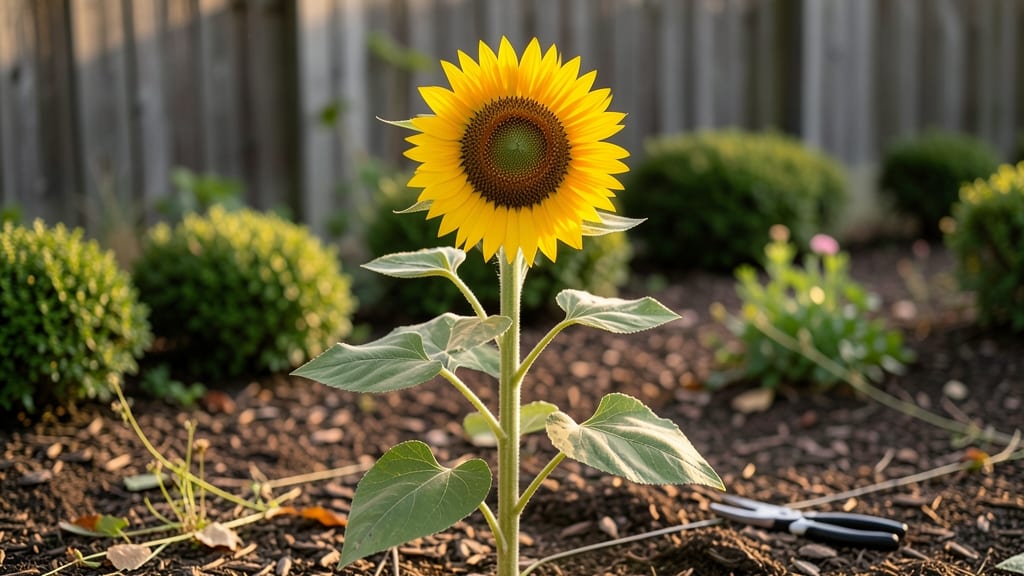
Transforming your garden into a thriving oil sunflower plant haven isn’t just about nurturing towering stems and vibrant blooms—it’s about growing the seeds that produce rich, cold-pressed oil for cooking and skincare.
These aren't your average sunflowers; they're the high-oleic varieties bred specifically for their nutrient-rich seeds, with a 30-40% oil content that makes them a gardener's secret weapon. The difference from ornamental sunflowers?
Oil types stay compact (4-6 feet tall) and produce smaller, denser seed heads packed with edible, oil-rich kernels.
Start with well-draining soil amended with compost—oil sunflowers demand fertile conditions to maximize seed production. Plant seeds ½ inch deep after the last frost, spacing them 18-24 inches apart in rows 2-3 feet apart for airflow.
They thrive in full sun (6+ hours daily) and need 1-1.5 inches of water per week, though drought-tolerant once established. The key? Consistent moisture during flowering to prevent seed drop—skimp here, and you lose your harvest.
By mid-summer, you'll watch velvety green foliage give way to towering stalks crowned with dense, brown seed heads. These aren't the showy blooms of cut flowers—they're the quiet workhorses of the garden, storing oil in every kernel.
Harvest when the back of the seed head turns yellow and the edges brown, then dry seeds indoors for 2-3 weeks before pressing. One plant yields ½-1 cup of oil, enough for salads or DIY beauty treatments.
For larger-scale growers, consider mechanical harvesters or drying racks to process bulk seed. Troubleshoot bolting by ensuring cool nights (below 75°F) during growth—heat accelerates flowering. Watch for sunflower moths (they tunnel into stems) and bird damage (use netting).
With the right care, oil sunflowers deliver both sustenance and profit, proving that even "ugly" seed heads hold liquid gold.
📚 In This Guide
- What you need
- Instructions
- Tips and common mistakes
- Wrapping up and next steps
What you need
- ● Seeds: Oil sunflower seeds (non-hybrid, open-pollinated varieties like Peredovik or Sunchoke—aim for 100-200 seeds for a small harvest).
- ● Soil: Well-draining, fertile soil with a pH of 6.0-7.5 (amend with compost or aged manure if needed).
- ● Sunlight: Full sun (6-8 hours daily).
- ● Water: Consistent moisture (avoid waterlogging).
- ● Fertilizer: Balanced organic fertilizer (e.g., 10-10-10 NPK) or compost tea.
- ● Tools: Garden trowel or transplanting spade
- ● Watering can or hose with a gentle spray nozzle
- ● Pruning shears (for harvesting)
- ● Harvesting basket or bucket
- ● Cold frame or greenhouse: For extending the growing season in cooler climates.
- ● Drip irrigation: Automates watering for consistent moisture.
- ● Pest control: Neem oil or row covers to deter pests like birds or aphids.
- ● Seed-saving kit: For preserving seeds from your best plants.
- ● Cold-press kit: If you plan to extract oil at home (includes a press, filter bags, and storage jars).
Step-by-step guide to growing oil sunflowers for cold-pressed extraction
Here’s how to cultivate sunflowers specifically bred for high oil yield—your first step toward homemade cold-pressed gold.
🌱 Step 1: Select and Prepare the Right Variety
Choose a high-oleic oil sunflower variety like 'NuSun' or 'Hysun 33'—these contain 80%+ oleic acid, perfect for cold-pressing. Start with 4-6 plants to ensure adequate seed production for extraction. Sunflowers are biennial, meaning they flower and set seed in their first year, so plan for a full growing season.
Sow seeds ½ inch deep in well-drained soil with a pH of 6.0-7.5. Oil sunflowers thrive in full sun (6-8 hours daily) and tolerate poor soil better than most edible crops. Space seeds 18 inches apart in rows 2-3 feet apart to allow for robust stalk development—crowding reduces oil yield per head.
☀️ Step 2: Ensure Optimal Growing Conditions
Sunflowers love warmth and need consistent moisture during their 90-120 day growing cycle. Water deeply once a week, aiming for 1-1.5 inches of water per week, and more during flowering. Avoid overhead watering to prevent mildew, which can reduce seed quality. You’ll know your plants are thriving when stalks reach 5-6 feet tall with 3-4 inch diameter stems by mid-summer.
Fertilize lightly at planting with 5-10-10 (1 tablespoon per plant) and again when stalks reach 12 inches tall. Too much nitrogen promotes leafy growth at the expense of seed production. Watch for yellowing leaves—this signals over-fertilization or nitrogen burn. If you see it, flush the soil with water and reduce future applications.
🌿 Step 3: Harvest and Dry Seeds Properly
Harvest sunflower heads when the back of the head turns yellow and the petals droop. Cut the entire head with 6-8 inches of stem attached and hang upside-down in a dry, well-ventilated space for 2-3 weeks. This allows seeds to fully mature and dry. You’ll know they’re ready when the seed shells rattle when shaken.
Once dry, remove seeds by hand or with a seed saver. Store them in an airtight container in a cool, dark place for up to 1 year. For cold-pressing, aim for seeds with <10% moisture content—any higher, and the oil will spoil quickly. If seeds feel damp or moldy, dry them further in a dehydrator at 120°F for 2-3 hours.
⏰ Step 4: Prepare for Cold-Pressing
Clean and dehull seeds before pressing. Spread them on a clean towel and remove any debris or damaged seeds. Use a manual or electric grain mill to crack the seeds—this breaks the hulls without crushing the kernels, which improves oil yield. For 4 plants, expect roughly 1-2 pounds of clean seeds, enough for ½ to 1 cup of oil after pressing.
Cold-press seeds within 2 weeks of dehulling to preserve freshness. Store the pressed oil in a dark glass bottle in the refrigerator to prevent oxidation. The oil will have a light golden hue and a nutty aroma—if it smells rancid or tastes bitter, it’s gone bad and should be discarded. Properly stored, cold-pressed sunflower oil lasts 6-12 months.
Tips & tricks for perfect oil sunflower cultivation
Here's what nobody tells you about growing sunflowers that actually yield premium oil—details that make all the difference between decent and exceptional results.
Variety Selection Matters: While 'NuSun' and 'Hysun 33' are excellent choices for their high oleic acid content, don't overlook regional considerations. Some varieties perform better in cooler climates (like 'Hysun 44'), while others thrive in heat (like 'NuSun 893'). Check with local agricultural extensions for varieties adapted to your specific growing zone—this can improve your oil yield by up to 20%. The right variety ensures your seeds will have the perfect balance of oil content and stability for cold-pressing.
Soil Preparation Secret: Before planting, incorporate 2-3 inches of well-aged compost into your planting area. Oil sunflowers have deep root systems that need nutrients throughout their growing cycle. I've found that adding a handful of bone meal at planting time provides phosphorus for strong root development without promoting excessive leaf growth. The key is creating loose, well-drained soil that mimics their native prairie habitat—this prevents waterlogging that can lead to mold and reduced oil quality.
Watering Strategy: The 1-1.5 inches of water per week recommendation works well, but timing is everything. Water in the early morning to allow foliage to dry completely before evening, preventing mildew that can reduce seed quality. During flowering, increase to 2 inches per week—this critical period determines seed set and future oil yield. I've noticed that consistent moisture during this phase results in heads that are 15-20% heavier, translating to more oil per plant.
Harvesting Cues: That yellow back and drooping petals are your key indicators, but there's one more subtle sign: the seed heads should feel noticeably heavier when you pick them up. This weight indicates full seed maturation. If you harvest too early, you'll get lower oil yields. For maximum freshness, process seeds within 48 hours of harvest—delaying beyond this can reduce oil quality. The 2-3 week drying period is non-negotiable for proper moisture content, but you can speed it up slightly by placing heads in a well-ventilated area with a small fan circulating air.
Pro Tips for Oil Sunflower Plant
- Here's what nobody tells you about growing sunflowers that actually yield premium oil—details that make all the difference between decent and exceptional results.
- Variety Selection Matters: While 'NuSun' and 'Hysun 33' are excellent choices for their high oleic acid content, don't overlook regional considerations.
- Soil Preparation Secret: Before planting, incorporate 2-3 inches of well-aged compost into your planting area.
Frequently asked questions
When is the best time to plant oil sunflower seeds?
Plant oil sunflower seeds after the last frost when soil temperatures reach at least 55°F (13°C). For most U.S. regions, this means late spring (April–May). If you’re in a warm climate, you can plant as early as February. Sunflowers thrive in full sun (6+ hours daily), so choose a sunny spot for optimal oil production!
How long does it take for oil sunflowers to produce seeds?
Oil sunflower plants typically mature in 80–100 days from planting, depending on the variety. Dwarf varieties may take as little as 60 days, while larger ones can stretch to 120 days. Watch for flower heads to dry out and turn brown—this signals seed readiness for pressing!
Can I grow oil sunflowers in containers, or do they need a garden?
Yes! Dwarf oil sunflower varieties (like Helianthus annuus ‘Mordovian’) thrive in 5-gallon containers with drainage. Use well-draining soil and place containers in full sun. Larger varieties need deeper roots, so a garden bed is ideal. Just ensure containers are at least 12–18 inches deep for better stability.
Why aren’t my sunflowers producing oil-rich seeds?
Low oil content can stem from poor pollination, nutrient deficiencies, or overwatering. Hand-pollinate flowers with a brush if bees are scarce. Use a balanced fertilizer (like 10-10-10) and avoid soggy soil. Also, ensure plants get full sun and consistent water—stress reduces oil yield!
Are oil sunflowers drought-tolerant, or do they need frequent watering?
Once established, oil sunflowers are moderately drought-tolerant but perform best with 1–1.5 inches of water weekly. Deep watering (1–2 times per week) encourages strong roots. During flowering, keep soil evenly moist to support seed development. Mulching helps retain moisture and suppress weeds!
Wrapping up and next steps
Growing your own oil sunflower plant isn’t just rewarding—it’s a gateway to fresh, nutrient-rich sunflower oil for cooking, skincare, and even homemade beauty treatments! 🌻 With the right tools, patience, and a little creativity, you can transform seeds into golden liquid gold.
Whether you’re a gardening newbie or a seasoned green thumb, this process is totally doable—and the payoff is delicious (and beautiful!)
Ready to take the next step? Start by planting your seeds this season, then experiment with cold-pressing your harvest for the finest oil. Share your sunflower success with friends or try swapping your store-bought oil for your homemade version—your taste buds (and skin!) will thank you. Happy growing! 🌱✨