
Flowers
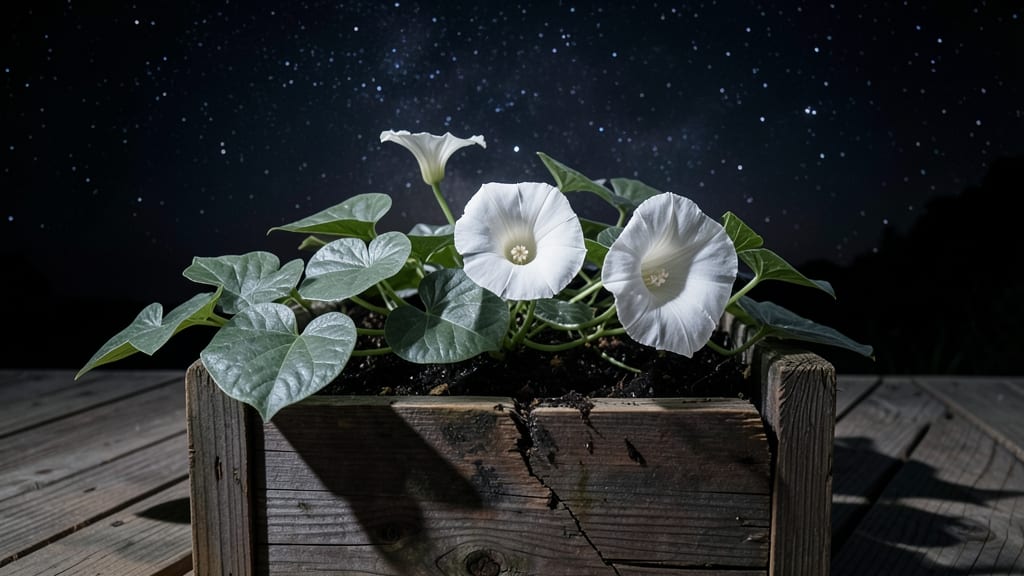
Turn your yard into a secret evening retreat with the right night time flowers, like moonflower and night-blooming jasmine, glowing under artificial light or moonlight. 🌙 The key isn’t just choosing the right varieties—it’s arranging them so their velvety petals shine. moonlight, while their intoxicating scents draw in nocturnal pollinators.
Start with a blue-spiked centerpiece like evening primrose, surrounded by fragrant white blooms that reflect light beautifully. Add companion plants like night-scented stock or four o’clocks to extend the display—these thrive in partial shade and complement the drama.
The secret to making them stand out? Place them near a path or seating area where their glow becomes the focal point after dark.
You’ll end up with a garden that feels magical at dusk, where every evening brings new scents and textures. The fragrance alone—sweet, heavy, and mysterious—will make your garden the talk of the neighborhood.
Lighting plays a role too, but the real magic happens when you let nature take over after the sun sets.
This design works for any yard, from small urban patios to sprawling rural landscapes. The only requirement is patience—night-blooming flowers need time to establish before they put on their best show. But once they do, your garden will feel like a private sanctuary every night.
📚 In This Guide
- What you need
- Instructions
- Tips and common mistakes
- Wrapping up and next steps
What you need
- ● Night-blooming flowers: 12–20 plants (mix of Moonflower (Ipomoea alba), Evening Primrose (Oenothera biennis), and Night-Blooming Cereus (Selenicereus grandiflorus) for variety). Choose disease-resistant varieties for longevity.
- ● Well-draining potting soil: 10–15 lbs (5–7 gallons) of high-quality, organic mix (e.g., Miracle-Gro Potting Mix or FoxFarm Ocean Forest).
- ● Containers or garden beds: 5–10 pots (10–12" diameter) or a 4'x4' raised bed with drainage holes. Terracotta or fabric pots work best.
- ● Slow-release fertilizer: 1 lb of 10-10-10 NPK blend (e.g., Osmocote Smart-Release) to nourish roots over 3–4 months.
- ● Watering can or hose with a gentle spray nozzle: For deep, even hydration without damaging blooms.
- ● Pruning shears: Sharp, sterilized shears (e.g., Fiskars Steel Garden Shears) for trimming spent blooms.
- ● Garden gloves: A pair of durable, breathable gloves (e.g., Workrite by Workpro) to protect hands from thorns or soil.
- ○ Moonlight reflector (optional but magical): A white or silver reflective panel (e.g., Gorilla Silver Insulation Board) to amplify ambient light for extra drama.
- ● Fragrance boosters: A few drops of lavender or jasmine essential oil mixed with water in a spray bottle to enhance scent.
- ● LED grow lights: 2–3 full-spectrum LED bulbs (e.g., Samsung LM301B) for indoor setups or cloudy nights.
- ● Decorative stakes or trellises: 3–5 bamboo or metal stakes (4–6' tall) to guide climbing varieties like moonflowers.
- ● Mulch: 2–3 bags of cocoa hull or straw mulch to retain moisture and deter pests.
- ● Humidity tray: A shallow tray with pebbles and water to create a mini humid environment for tropical varieties.
How to design a moonlit flower garden with fragrant blue blooms
Here’s how to create a dramatic, scent-filled night garden that wows after dark.
🌿 Step 1: Choose the Right Night-Blooming Plants
Start with four fragrant blue-spiked varieties—each with different textures and scents. Moonflower (Ipomoea alba) unfurls creamy white blooms that glow under moonlight, while Evening Primrose (Oenothera biennis) offers delicate yellow flowers with a honey-like fragrance. For true blue, Blue Daze (Eutrochium purpureum) provides striking purple-blue spikes that stand out in twilight. Finally, Night-Scented Stock (Matthiola longipetala) delivers intoxicating evening perfume.
Space them 2-3 feet apart to allow air circulation—crowding invites fungal issues. Plant Moonflower along trellises or fences for vertical drama, while Evening Primrose thrives in open beds where it can spread naturally. Blue Daze and Stock work well in mixed borders, their heights creating layered interest. Here’s the thing—night-bloomers need full sun (6+ hours) to fuel their evening show, so pick a south-facing spot.
☀️ Step 2: Optimize Light and Soil for Nighttime Performance
Even though these plants bloom at night, they require bright daytime light to recharge. Supplement with a grow light if your garden gets less than 6 hours of sun daily, positioning it 12-18 inches above the plants during peak afternoon hours. The goal is strong stems and vibrant blooms—weak light leads to leggy growth and fewer flowers.
Amend the soil with 2 inches of compost mixed into the top 6 inches of native soil. Night-bloomers thrive in well-draining, slightly alkaline soil (pH 6.5-7.5). Test your soil first—amend with pelletized lime if needed. Water deeply once a week (or when the top 2 inches of soil feel dry), focusing on the base of plants to encourage deep root growth. Overhead watering at night can promote fungal diseases like powdery mildew.
💧 Step 3: Enhance Fragrance and Extend the Blooming Season
To maximize scent, prune spent blooms every 2-3 days—this redirects energy to new flowers. Use clean, sharp shears and cut just above a set of leaves to avoid damaging the stem. For Moonflower, trim vines after blooms fade to encourage a second flush. Evening Primrose self-seeds aggressively, so deadhead to control spread if needed.
Add mulch (2-3 inches of shredded bark) around the base to retain moisture and regulate soil temperature. This keeps roots cool in summer and prevents soil-borne diseases. For extra drama, plant scented ground covers like Sweet Alyssum at the base—its tiny white flowers release a sweet fragrance when brushed by evening breezes. Real talk: night gardens need patience. It takes 6-8 weeks for plants to establish and 2-3 months to reach peak fragrance and bloom intensity.
⏰ Step 4: Light It Up for Maximum Impact
Strategic lighting transforms your garden into a moonlit spectacle. Use solar-powered LED path lights along walkways to guide visitors, and spotlights with warm (2700K) bulbs to highlight focal plants like Blue Daze or Moonflower. Angle lights slightly upward to create a "floating" effect. Avoid harsh white lights—they wash out the natural beauty of night-bloomers.
For a magical touch, add string lights draped over trellises or woven through branches. Test your setup at dusk to ensure lights don’t create glare or overshadow the flowers. The best night gardens feel natural, not artificial—so keep lighting soft and ambient. Here’s the moment that matters: when the first evening breeze carries the scent to your porch, you’ll know it’s working.
Tips & tricks for perfect moonlit flower gardens
These simple yet transformative tips will help you create a night garden that truly shines after dark.
Plant Placement Strategy: In Step 1, when arranging your night-blooming varieties, position the Moonflower on the north side of trellises to prevent afternoon shading from taller plants. This ensures they receive the full 6 hours of sunlight needed for vigorous nighttime blooming. The Evening Primrose should be planted at the front of borders—its delicate blooms will catch evening light beautifully while still being visible from seating areas.
Lighting Layering Technique: For Step 4's lighting setup, I recommend installing dimmable LED spotlights that can adjust from 2700K to 3000K warmth. Start with lower brightness at dusk, then gradually increase as night falls. This creates a more natural progression of light that mimics moonlight. Place uplighting near Blue Daze to make its purple-blue spikes appear to glow from within the foliage.
Soil Preparation Secret: Before amending soil in Step 2, mix in 1 cup of bone meal with the 2 inches of compost for an extra phosphorus boost. This nutrient is crucial for root development and flower production in night-bloomers. The bone meal also helps maintain that slightly alkaline pH (6.5-7.5) without needing additional lime adjustments in most soils.
Fragrance Amplification: To maximize scent in Step 3, plant Sweet Alyssum in a circular pattern around your seating area rather than just at the base of plants. The circular arrangement creates a "scent bowl" effect when evening breezes pass through. For an extra boost, lightly mist plants with water at dusk—this releases more volatile aromatic compounds that carry on the air.
Pro Tips for Night Time Flowers
- These simple yet transformative tips will help you create a night garden that truly shines after dark.
- Plant Placement Strategy: In Step 1, when arranging your night-blooming varieties, position the Moonflower on the north side of trellises to prevent afternoon shading from taller plants.
- Lighting Layering Technique: For Step 4's lighting setup, I recommend installing dimmable LED spotlights that can adjust from 2700K to 3000K warmth.
Frequently asked questions
Got questions about cultivating nighttime flowers like the fragrant blue spikes in our recipe? You’re not alone! Here are some of the most common queries—and their straightforward answers—to help you bring moonlit magic to your garden.
What makes some flowers bloom at night?
Night-blooming flowers, like Nicotiana sylvestris or Moonflower (Ipomoea alba), release pollen when nighttime pollinators (like moths) are active. Their petals often open wider in low light, maximizing fragrance and visibility. Pro tip: These flowers also tend to close during the day to conserve moisture—nature’s clever design!
How do I know when my nighttime flowers will bloom?
Timing varies by species, but most night bloomers follow a photoperiodic pattern—triggered by darkness. For example, Moonflowers typically open 2–3 hours after sunset and last until dawn. Check your plant’s care tag or research its native habitat (e.g., tropical vs. desert climates) for clues. Troubleshooting: If blooms are late, ensure they’re getting 6+ hours of direct sunlight daily—they need daytime energy to fuel their nighttime show!
Can I grow nighttime flowers in containers or small spaces?
Many night bloomers, like Evening Primrose or Angel’s Trumpet, thrive in pots (12"+ diameter) as long as they have well-draining soil and adequate airflow. Opt for trailing varieties (e.g., Moonflower) for balconies or trellises. Space hack: Pair them with daytime bloomers (like Lantana) for a 24-hour floral display.
Why aren’t my nighttime flowers opening at all?
Common culprits include temperature stress (too cold or hot), lack of darkness (city lights can confuse them), or over-fertilizing (which encourages foliage over flowers). Try moving your plants to a cooler, darker spot at night and reduce fertilizer to half-strength. Patience tip: Some species (like Night-blooming Cereus) take years to mature—don’t give up!
What are some easy alternatives to Moonflowers for beginners?
If Moonflowers seem tricky, try these low-maintenance night bloomers:
- Night-scented Stock (Matthiola longipetala): Fragrant, cold-hardy, and blooms in shades of white/pink.
- Evening Primrose (Oenothera biennis): Yellow flowers with a citrusy scent; thrives in poor soil.
- Queen of the Night (Selenicereus grandiflorus): A cactus with one massive white bloom per year—dramatic and drought-tolerant!
Wrapping up and next steps
Nighttime flowers aren’t just a moonlit dream—they’re a magical way to transform your garden into a fragrant, twilight sanctuary.
Whether you’re drawn to the elegance of fragrant blue spikes or the allure of blooms that dance under the stars, these plants bring drama, scent, and serenity to your space. With the right care and a little creativity, you can cultivate your own midnight garden oasis.
Ready to dive in? Start by choosing your favorite nighttime blooms—like Moonflower, Evening Primrose, or Nicotiana—and gather your supplies. Then, roll up your sleeves and bring the magic of the moon to life in your own backyard! 🌙✨