
Companion Plants
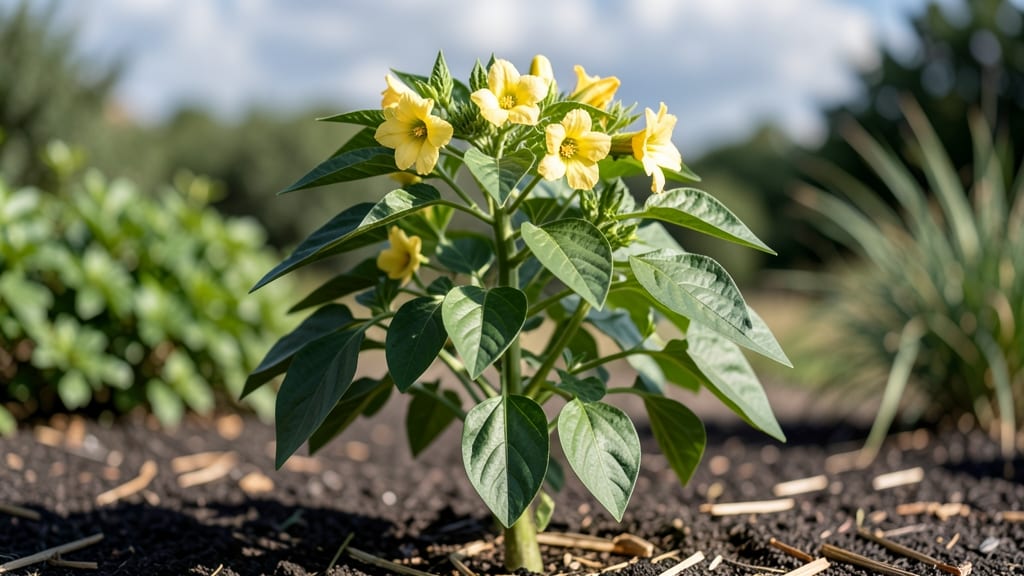
That pepper plant with yellow flowers isn’t just a pretty face—it’s a year-round blooming machine when you trim it right. 🌸 I’ve grown Lemon Drop peppers for years, and the secret to their nonstop flowers (and fruit) is a pruning schedule that keeps them happy in every season.
The bright citrus blooms aren’t just showy—they signal a plant that’s ready to produce sweet, tangy peppers well past the usual harvest window.
You’ll need full sun, well-draining soil, and a sharp pair of pruners—no fancy tools required. The real trick is timing: pinch back leggy stems in early spring to encourage bushier growth, then trim spent flowers through summer to coax more blooms.
Even in winter, a little strategic pruning keeps them flowering indoors under grow lights. It’s not rocket science, but it does take consistency.
What you end up with is a plant that looks like a sunburst of gold and keeps producing peppers from spring through fall—and sometimes even winter. The flowers attract pollinators, the peppers stay sweet, and you’ll have enough to share (or pickle) without buying a single one.
Plus, the ornamental value? Unbeatable. Ready to turn your peppers into a year-round showstopper?
Works for container gardens, raised beds, or sunny windowsills—just adjust your pruning schedule for indoor plants. The key is watching the plant, not the calendar. Let’s get those yellow blooms popping all season long.
📚 In This Guide
- What you need
- Instructions
- Tips and common mistakes
- Wrapping up and next steps
What you need
- ● Pepper plant variety: 1-2 Capsicum annuum or Capsicum frutescens plants (e.g., 'Golden Calico' or 'Lemon Drop' peppers, known for yellow flowers).
- ○ Optional: Seeds or young plants from a nursery (ensure they’re disease-resistant).
- ● Containers or garden bed: 1-2 5-7 gallon pots (with drainage holes) or a well-draining garden plot (6+ inches deep).
- ○ Optional: Self-watering pots for convenience.
- ● Potting mix: 1 bag (1-2 cubic feet) of well-draining, peat-based potting mix (or add perlite/vermiculite for aeration).
- ○ Optional: Compost (10-20%) for extra nutrients.
- ● Pruning tools: 1 pair of sterilized pruning shears (sharp, bypass-style for clean cuts).
- ● 1 small hand pruner (for delicate trimming).
- ● Fertilizer: 1 balanced liquid fertilizer (e.g., 10-10-10 NPK) or organic options like fish emulsion.
- ○ Optional: Slow-release granules for prolonged nourishment.
- ● Sunlight: 6-8 hours of full sun daily (south-facing window or greenhouse if indoors).
- ● Temperature: Ideal range: 70–85°F (21–29°C) for growth.
- ● Critical: Avoid frost (tender perennials in most climates.
- ● Humidity: 40-60% (use a humidifier or pebble tray indoors if air is dry).
- ● Water: 1 watering can (1-2 gallons) or drip irrigation system.
- ● Pro tip: Water at soil level to prevent fungal issues. 💡
- ● Growth regulator (e.g., Paclobutrazol) to encourage bushier, flowering growth.
- ● Support stakes or cages (for taller varieties).
- ● pH test kit (ideal soil pH: 6.0–6.8).
- ● Mulch (straw or shredded leaves) to retain moisture.
How to encourage year-round blooms on your pepper plant
Here's how I keep my peppers flowering nonstop—no matter the season.
🌱 Step 1: Prune for Airflow and Light Penetration
Start by removing any dead or diseased leaves first. These act as energy vampires, sapping resources your plant could use for blooms. Use clean, sharp pruning shears to make clean cuts just above a leaf node—this prevents tearing and encourages new growth.
Next, focus on the plant's center. Pepper plants grow bushy, but dense centers block light and airflow. Snip away any branches growing inward or crossing others. You'll see a natural opening form at the plant's core—this is where new flowers will form. Aim for a shape that looks like an open vase rather than a tight ball.
Here's the thing—don't go overboard. Remove no more than one-third of the plant's foliage at once. You want to maintain enough leaves to keep photosynthesis going. Watch for new growth within 7-10 days—this tells you the plant is responding well.
☀️ Step 2: Maximize Light Exposure for Continuous Flowering
Peppers need 6-8 hours of direct sunlight daily to keep producing flowers. If your plant isn't getting enough light, it will focus on leaf growth instead of blooms. Move it to the sunniest spot in your home or garden—even a south-facing window works if it's bright enough.
If you're growing indoors, supplement with a grow light. Position it 4-6 inches above the plant and keep it on for 14-16 hours a day. You'll notice the difference immediately—the leaves will darken slightly, and new flower buds will form within 2-3 weeks. If the stems start stretching toward the light, it's too far away.
Real talk: If your plant starts flowering but then stops, it's usually a light issue. Peppers are light-hungry, especially when trying to produce flowers year-round. Rotate the pot a quarter turn weekly so all sides get even exposure.
💧 Step 3: Water and Feed for Nonstop Blooms
Consistent moisture is key for continuous flowering. Water your pepper plant when the top inch of soil feels dry to the touch. Overwatering causes root rot, which kills blooms, while underwatering stresses the plant and stops flower production. I like to water deeply in the morning so the plant has moisture all day.
Feed your plant every 2-3 weeks with a balanced fertilizer (like 10-10-10 or 20-20-20). When flowers appear, switch to a low-nitrogen, high-phosphorus fertilizer to encourage blooming. You'll see new flowers form within 7-10 days of feeding. If the leaves turn yellow, you're over-fertilizing—flush the soil with water to correct it.
Don't skip this (I learned the hard way). If you only fertilize with high-nitrogen feed, your plant will grow big leaves but no flowers. The secret is adjusting the feed based on what you want—more flowers, not more foliage.
✂️ Step 4: Deadhead and Trim for Extended Blooming
Deadheading—removing spent flowers—tricks the plant into producing more blooms. Use your fingers or small pruning shears to pinch off flowers that have faded or produced peppers. Cut just above the next set of leaves or buds. You'll see new flower buds form within 5-7 days in the spots where you removed old blooms.
Here's where it gets fun—watch how the plant responds. If you see flower buds forming at the base of the plant (where the main stem meets the roots), that's a sign you're doing it right. These are called "basal flowers," and they're a pepper plant's way of saying, "I've got this!"
Don't over-prune, though. If you remove too many flowers at once, the plant may focus on regrowing foliage instead of producing new blooms. Aim to remove only the spent flowers, not healthy ones. You'll know you're balanced when you see a steady stream of new buds forming.
Tips & tricks for perfect pepper plant blooms
These small but mighty adjustments will keep your pepper plant flowering like a champ all year long.
Pruning Precision: When you're trimming in Step 1, focus on creating that open vase shape by removing only the inward-growing branches. I like to use my thumb and index finger to gently squeeze the stem just above a leaf node—this gives you cleaner cuts than scissors and prevents tearing. After pruning, give your plant a good misting to help it recover faster. You'll notice new growth appearing within those 7-10 days, often right where you made your cuts.
Light Strategy: For indoor growers, the 14-16 hours of grow light in Step 2 works wonders, but timing matters. Set your timer for 14 hours on, 10 hours off to mimic natural daylight cycles. Place a small mirror near the plant to reflect light onto the shaded side—this doubles your effective light coverage without extra equipment. Watch for those stems stretching toward the light; if they're leaning dramatically, it's time to move the light closer.
Fertilizer Timing: The 2-3 week feeding schedule in Step 3 is perfect, but here's the secret: feed right after watering. This prevents fertilizer burn, where concentrated salts damage roots. I use a spray bottle to lightly mist the soil with water before applying fertilizer—it helps distribute nutrients more evenly. When you switch to that low-nitrogen, high-phosphorus feed, you'll see flower buds appear within 7-10 days, often clustered at the base of the plant where those basal flowers love to form.
Deadheading Technique: For Step 4, don't just pinch off the spent flowers—look for the small green buds hiding behind them. These are your next flowers waiting to bloom! Use clean shears and make your cuts at a 45-degree angle just above a leaf node. This angled cut prevents water from pooling on the stem, which could cause rot. I do this every 3-4 days during peak flowering season to keep the plant producing continuously.
Pro Tips for Pepper Plant With Yellow Flowers
- These small but mighty adjustments will keep your pepper plant flowering like a champ all year long.
- Pruning Precision: When you're trimming in Step 1, focus on creating that open vase shape by removing only the inward-growing branches.
- Light Strategy: For indoor growers, the 14-16 hours of grow light in Step 2 works wonders, but timing matters.
Frequently asked questions
Got questions about growing and maintaining your pepper plant with yellow flowers? Here are some of the most common ones—and their answers—to help you keep those vibrant blooms coming year-round!
What’s the best way to encourage more yellow flowers on my pepper plant?
Prune strategically! Focus on removing overly dense foliage and spent blooms to redirect energy toward new growth. Trim just above a leaf node, and avoid cutting more than 1/3 of the plant at once. Yellow-flowering peppers (like Capsicum pubescens) thrive with 6+ hours of sunlight daily—so place them in a bright spot!
How long does it take for a pepper plant to rebound after pruning?
Most pepper plants show new growth within 2–4 weeks after pruning, especially if they’re healthy and well-watered. Yellow-flowering varieties may take slightly longer (4–6 weeks) due to their unique growth patterns. Pro tip: Fertilize lightly with a balanced 10-10-10 mix after trimming to boost recovery!
Can I grow a pepper plant with yellow flowers indoors?
Use a south-facing window or grow lights (12–16 hours/day) to mimic sunlight. Keep temperatures between 65–80°F and maintain humidity with a tray of pebbles and water. Watch out: Indoor plants may need more frequent pruning to compensate for limited airflow.
Why are my pepper plant’s leaves turning yellow, even though I’m pruning correctly?
Yellow leaves often signal overwatering, nutrient deficiency, or pests. Check soil moisture—peppers hate soggy roots! Yellowing edges? It could be low calcium (try crushed eggshells). For pests, inspect undersides of leaves for aphids or spider mites and treat with neem oil if needed.
Are there alternatives to pepper plants with yellow flowers for year-round color?
Yes! Try marigolds (drought-tolerant and pest-repelling), celosia (bold blooms in orange/yellow), or calendula (edible and low-maintenance). For perennials, black-eyed Susans or coreopsis offer similar vibrancy with less pruning.
Wrapping up and next steps
Growing a pepper plant with yellow flowers is a rewarding way to add vibrant color and productivity to your garden year-round—especially when you master the art of strategic trimming! 🌿 By understanding the right tools, timing, and techniques, you can encourage lush blooms, bountiful peppers, and a healthier plant.
Whether you're a seasoned gardener or just starting out, these insights will help you nurture a thriving plant that keeps giving.
Ready to take the next step? Start small: Pick one plant to experiment with trimming this season, and observe how it responds. Before you know it, you’ll be enjoying year-round blooms and a garden that’s the envy of the neighborhood! 🌟