
Flowers
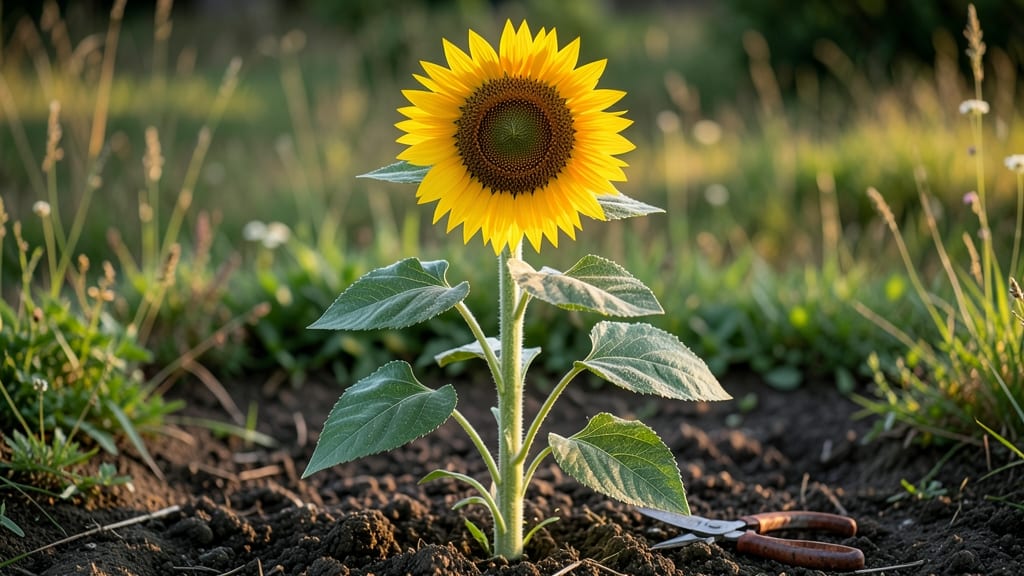
The most beautiful sunflowers aren’t just towering giants—they’re the sun’s golden ambassadors that turn any garden into a pollinator paradise. 🌻 I still remember the first time I planted ‘Moulin Rouge’: its deep burgundy petals contrasted against bright yellow centers, and by midsummer, bees and butterflies were holding court in my backyard.
These varieties aren’t just pretty; they’re the stars of late-summer drama, with some even holding their color into frost.
What makes them truly special is their versatility. You can tuck petite ‘Teddy Bear’ sunflowers (just 2-3 feet tall) into container gardens or let ‘Russian Giant’ varieties (12+ feet!) dominate a backyard border.
The key is pairing them with complementary plants—think purple salvias or silver foliage like lamb’s ear—to make their golden hues pop even more. And here’s the best part: their seeds feed birds through winter, giving you year-round impact.
Imagine a sunflower border that stays vibrant from July through October, with some varieties even blooming into November. The ‘Autumn Beauty’ series, for example, shifts from yellow to deep red as the season progresses—a natural color show that requires zero effort.
Plus, their massive blooms create instant focal points, whether you’re framing a patio or adding height to a mixed border. You’ll never look at a sunflower the same way again.
We’ll cover the top 10 varieties for different garden styles, how to deadhead for continuous blooms, and the best companion plants to extend their season. Even small spaces can accommodate these giants—with the right approach, your sunflowers will be the talk of the neighborhood. Let’s get started!
📚 In This Guide
- What you need
- Instructions
- Tips and common mistakes
- Wrapping up and next steps
What you need
- ● Sunflower seeds: Choose heirloom or hybrid varieties like ‘Moulin Rouge’ (double blooms), ‘Russian Giant’ (towering 12+ ft!), or ‘Teddy Bear’ (compact, 3-4 ft). Start with 5–10 seeds for small gardens or 20+ seeds for a dramatic display.
- ● Well-draining potting mix or garden soil: 1–2 cubic yards (for in-ground planting) or 5–10 gallons (for containers). Amend with compost for nutrient-rich soil.
- ● Organic fertilizer: A balanced 10-10-10 or slow-release granular fertilizer (e.g., 1 lb per 100 sq ft). Sunflowers are heavy feeders!
- ● Watering can or hose with a gentle nozzle: Sunflowers need 1–2 inches of water per week, especially during flowering.
- ● Garden trowel or hand shovel (for transplanting seedlings).
- ○ Containers (optional): Large pots (12+ inch diameter) or grow bags for small spaces. Ensure they have drainage holes!
- ○ Stakes or cages (optional but helpful): Tall varieties may need support. Use 6–8 ft bamboo stakes or tomato cages.
- ● Pruning shears (for deadheading spent blooms and shaping plants).
- ○ Gloves (optional) to protect hands from prickly stems.
- ● Full sun (6+ hours daily): Sunflowers thrive in direct sunlight—no shade allowed!
- ● Warm soil: Wait until after the last frost (soil temp should be at least 50°F/10°C) to plant seeds.
- ● Patience: Germination takes 7–14 days, and mature blooms appear in 8–12 weeks.
How to grow stunning sunflowers that attract pollinators all season
Here's my foolproof method for growing sunflowers that bloom dramatically and keep bees buzzing from spring to frost.
🌱 Step 1: Choose the Right Varieties for Year-Round Beauty
Pick two sunflower types for continuous impact: early-blooming 'Teddy Bear' (60-75 days) and late-season 'Russian Giant' (80-100 days). The Teddy Bears start flowering in mid-summer, while Russian Giants keep going until frost. I always plant 3-4 of each for a full-season display—no gaps in pollinator support.
Check seed packets for days to maturity and stagger planting dates. For example, if your last frost is April 15, start Teddy Bears 3 weeks before and Russian Giants 6 weeks after. This ensures overlapping bloom times. Avoid single-stem varieties—they look sparse. Multi-branched types like 'Autumn Beauty' produce dozens of blooms per plant.
☀️ Step 2: Plant in Full Sun With Rich, Well-Draining Soil
Sunflowers demand 6-8 hours of direct sunlight daily—no compromises. I test my garden spots by placing a white board in the ground for a week. If it gets hotter than 100°F, that's prime sunflower real estate. Amend heavy clay soil with 2 inches of compost mixed into the top 12 inches of soil before planting.
Dig holes twice as wide as the root ball but only as deep as the container they came in. Press soil firmly around roots to eliminate air pockets. Space Teddy Bears 18 inches apart and Russian Giants 24 inches apart. Overcrowding leads to weak stems that flop under heavy blooms. Water deeply right after planting to settle the soil.
💧 Step 3: Water Deeply and Fertilize Strategically
Sunflowers need 1-2 inches of water per week, but deep soaking once a week beats frequent light watering. I use a soaker hose for 30 minutes at the base—never overhead. Wet leaves invite powdery mildew, which turns foliage gray and stunts blooms. Start fertilizing when plants reach 12 inches tall with a balanced 10-10-10 formula. Apply ½ teaspoon per plant every 4 weeks until flowering.
Here's the thing—sunflowers stop growing when they start blooming. If your plants are leggy and pale, they need more light, not more water. Yellowing leaves? That's usually overwatering or nutrient burn from too much fertilizer. Adjust immediately—sunflowers forgive mistakes but not for long.
✂️ Step 4: Deadhead and Support for Longer Blooms
Once the first flowers fade, snip spent blooms ½ inch above the next bud with clean pruners. This redirects energy to side shoots, extending the season by 4-6 weeks. I deadhead every 2-3 days during peak bloom to keep the show going. For tall varieties, install stakes or cages at planting time—waiting until they lean means you'll break stems trying to prop them up.
Watch for bird damage—they love sunflower seeds! Cover young plants with floating row covers until they reach 3 feet tall. Mature plants handle pecking better, but you'll get bigger blooms if birds don't snack on buds. Harvest seeds from 10% of plants to save for next year. Leave them on the stem until fully brown and dry.
🪴 Step 5: Extend the Season With Succession Planting
For year-round impact, make two more plantings: late summer (8 weeks before frost) and early fall (6 weeks before frost). Use fast-maturing varieties like 'Moulin Rouge' (55 days) for these. These late blooms provide winter food for birds and early spring nectar for bees. I always mark these areas with bright flags so I don't accidentally dig them up when cleaning garden beds.
Mulch heavily around fall plantings with 3 inches of straw to insulate roots. Sunflowers are surprisingly cold-hardy—they'll often re-sprout in spring from the base if protected. This turns your "winter garden" into a pollinator magnet the following year with minimal effort.
Tips & tricks for growing stunning sunflowers
Confession: I planted sunflowers for years and still got floppy stems and sparse blooms—until I learned these game-changing tricks.
Variety Selection Matters: When choosing your 3-4 Teddy Bear and 3-4 Russian Giant plants, look for seed packets labeled "multi-branched" or "prolific." These types produce dozens of side shoots instead of just one main stem. I've tried single-stem varieties—they look like sad, lonely stalks compared to the bushy, dramatic displays from multi-branched types. The extra buds mean more blooms for pollinators and a fuller garden appearance.
Sunlight Test That Works: That 6-8 hours of direct sunlight requirement isn't just theory—it's non-negotiable. My trick? Place a white board in potential planting spots for a week. If it gets hotter than 100°F, that's your perfect sunflower location. I've planted in spots that seemed sunny but got only 5 hours of direct light, and the results were always disappointing. Sunflowers will lean dramatically toward any light source, so give them the full sun they crave from day one.
Watering Wisdom: The 30-minute soaker hose session is your secret weapon against powdery mildew. I water at the base in the early morning so leaves have all day to dry completely. Never water overhead—it's the fastest way to turn your beautiful sunflowers into gray, sad plants. And here's the kicker: if your sunflowers start looking leggy and pale, it's not a water problem—it's a light problem. More sun, not more water, is what they need when they start stretching.
Deadheading Discipline: That ½ inch above the next bud when deadheading isn't just a suggestion—it's crucial. I use clean pruners and make the cut at a slight angle to prevent water from pooling. This simple technique extends your bloom season by 4-6 weeks by encouraging new flowers to form. I set a phone reminder to check my sunflowers every 2-3 days during peak bloom—it's amazing how quickly those first flowers fade if you're not paying attention.
Pro Tips for Most Beautiful Sunflower
- Confession: I planted sunflowers for years and still got floppy stems and sparse blooms—until I learned these game-changing tricks.
- Variety Selection Matters: When choosing your 3-4 Teddy Bear and 3-4 Russian Giant plants, look for seed packets labeled "multi-branched" or "prolific."
- Sunlight Test That Works: That 6-8 hours of direct sunlight requirement isn't just theory—it's non-negotiable.
Frequently asked questions
Got questions about cultivating or admiring the most beautiful sunflowers? You’re not alone! Here are answers to the most common queries—from planting tips to troubleshooting—so you can grow a stunning sunflower display with confidence.
When is the best time to plant sunflower seeds for maximum beauty?
For the most vibrant blooms, plant seeds after the last frost when soil temperatures reach at least 55°F (13°C). In warm climates, you can start as early as late winter. Sunflowers thrive in long, sunny days, so aim for a 60- to 90-day growing season before the first frost. Pro tip: Succession planting every 2-3 weeks ensures continuous color!
How do I keep my sunflowers from leaning or falling over?
Sunflowers need sturdy support as they grow taller. If your plants lean, try these fixes:
- Stake them early: Insert a 5-6 ft stake near each plant when seedlings are 6 inches tall.
- Use a cage or spiral tie: Wrap plants gently with soft plant ties or place them in a sunflower-specific cage.
- Choose dwarf varieties: If space is tight, opt for compact types like 'Moulin Rouge' (3-4 ft tall).
Why aren’t my sunflowers attracting pollinators like bees and butterflies?
Sunflowers are natural pollinator magnets, but a few factors can deter them:
- Pesticides: Avoid chemical sprays—opt for neem oil or companion planting (e.g., marigolds) to repel pests naturally.
- Water stress: Ensure consistent moisture (but not soggy soil) to keep flowers hydrated and fragrant.
- Timing: Plant in early summer when pollinators are most active. Deadhead spent blooms to encourage new flowers.
Can I grow sunflowers in containers, and what’s the best variety for small spaces?
Sunflowers thrive in containers with at least 12-inch-deep pots and drainage holes. Top picks for small spaces:
- 'Teddy Bear' (1-2 ft tall, great for cut flowers)
- 'Little Becka' (2-3 ft, compact and prolific)
- 'Sunspot' (1-2 ft, disease-resistant)
How do I overwinter sunflower seeds for next year’s garden?
Sunflowers are annuals, but you can save seeds for replanting:
- Let a healthy flower head dry on the stem until the back turns brown (usually 2-3 weeks after blooming).
- Cut the head and place it in a paper bag in a warm, dry spot for 1-2 weeks to finish drying.
- Rub seeds between your hands to remove chaff, then store them in an airtight container in the fridge for up to 3 years.
Wrapping up and next steps
The most beautiful sunflowers aren’t just a feast for the eyes—they’re vibrant pollinator magnets that bring joy year-round and strengthen your garden’s ecosystem. 🌻 Whether you’re drawn to their towering stems, golden blooms, or bold foliage, these sunflowers prove that beauty and function go hand in hand.
Ready to plant your own pollinator paradise? Start small—pick one variety from this guide, gather your supplies, and let nature do the rest. Your garden (and the bees!) will thank you.