
Propagation
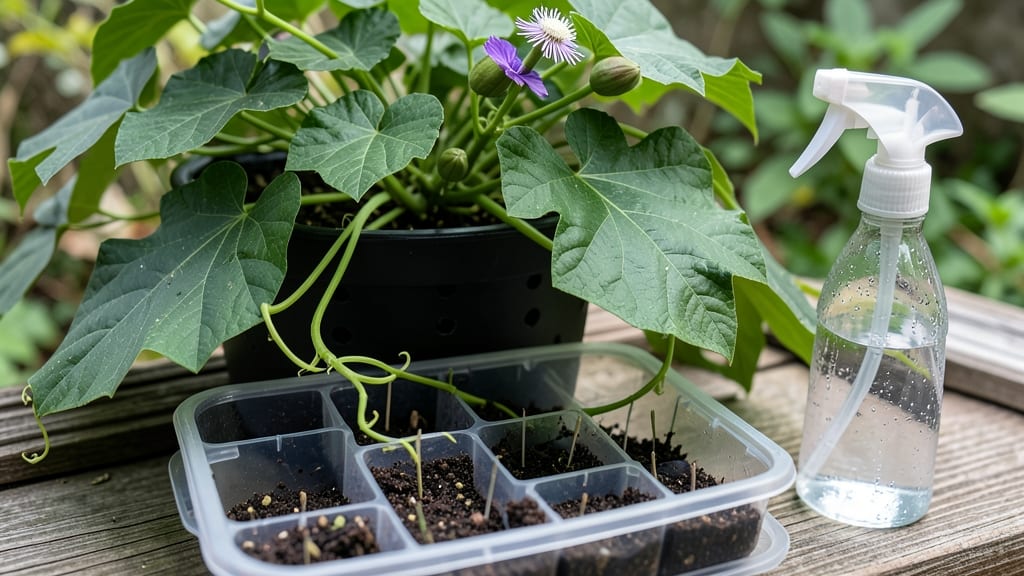
Germinating passion flower seeds feels like waiting for a slow-motion magic trick—until you learn the warmth and moisture secrets that cut weeks off the process. 🌱 I’ve struggled with seeds that took months to sprout, only to discover that a little pre-treatment and consistent heat makes all the difference.
The key isn’t just patience; it’s creating the right conditions to wake those seeds up faster.
You’ll need three simple things: a warm spot (70–85°F works best), a moist but not soggy growing medium, and either a little sandpaper or warm water to break dormancy. Passion flowers often resist sprouting because their hard shells need a little help—whether through light scarification or a quick soak.
Once prepped, they’ll start showing signs of life in just 2–4 weeks, instead of the months some gardeners wait.
What you’ll end up with are tiny, delicate sprouts pushing through the soil, ready to climb and thrive. The first leaves are fuzzy and heart-shaped, a sure sign you’ve cracked the germination code.
With the right setup, you’ll avoid mold, rot, and the frustration of waiting too long—just consistent warmth and gentle moisture keep those seeds happy.
This method works for both indoor starters and outdoor beds, though indoor setups give you more control over temperature. Once you’ve got those first sprouts, you’ll be hooked on growing these exotic vines—just don’t be surprised if your neighbors ask where you got them. The secret’s out now!
📚 In This Guide
- What you need
- Instructions
- Tips and common mistakes
- Wrapping up and next steps
What you need
- ● Passion flower seeds: Fresh, viable seeds (preferably from a healthy, organic source). Aim for at least 10 seeds to maximize success.
- ● Germination medium: Option 1: Coco coir or peat moss (sterilized, 2-3 cups)
- ● Option 2: Seed-starting mix (lightweight, 1 small bag)
- ● Containers: Small pots (3-4 inches deep, 1-2 per seed or a seed tray with drainage holes)
- ● Plastic wrap or humidity dome (to retain moisture)
- ● Water: Room-temperature, distilled, or rainwater (avoid tap water if it’s chlorinated)
- ● Spray bottle (for gentle moisture control)
- ○ Heat source: Seedling heat mat (70-85°F range, optional but highly recommended)
- ● Warm location (e.g., near a sunny window or on top of a fridge)
- ● Fungicide: Mild (e.g., hydrogen peroxide 3% diluted in water) to prevent mold.
- ● Grow lights: If natural light is insufficient (12-16 hours/day once sprouted).
- ● Label markers: To track seed varieties and planting dates.
- ● Perlite or vermiculite: For extra drainage (1 part to 3 parts soil).
Step-by-step guide to germinating passion flower seeds
Here's how I get passion flower seeds sprouting reliably—no waiting months for stubborn germination.
🌱 Step 1: Soak Seeds for 24 Hours in Warm Water
Passion flower seeds have tough outer shells that slow germination. Start by placing them in a bowl of lukewarm water (about 80°F) for 24 hours. You'll see the water turn slightly cloudy as the seeds absorb moisture and soften their protective coating.
Change the water halfway through if it cools. The goal is to break dormancy without damaging the seed. After soaking, you'll notice the seeds swell slightly—this means they're ready for planting. If any seeds float, they're likely non-viable and can be discarded.
💧 Step 2: Plant in Moist, Well-Draining Mix
Fill a small pot or seed tray with a mix of 50% peat moss and 50% perlite or coarse sand—this ensures excellent drainage while retaining moisture. Passion flower roots need air but also need to stay damp during germination. Press the mix down gently to create a firm planting surface.
Plant the soaked seeds about ½ inch deep, spacing them 1 inch apart. You'll see tiny indentations where each seed sits—this helps you track germination progress. Cover the pot with clear plastic wrap or a humidity dome to trap warmth and moisture, creating a mini greenhouse effect.
☀️ Step 3: Provide Consistent Warmth and Indirect Light
Passion flower seeds germinate best in 75-85°F soil. Place the pot on a seedling heat mat or in a warm spot like on top of a refrigerator. If using a heat mat, keep it set to 75°F—any hotter risks overheating the seeds.
Position the pot near a bright, indirect light source. Avoid direct sunlight, which can dry out the soil too quickly. You'll see condensation form on the plastic cover—this is normal and indicates proper humidity. Check daily for moisture; mist the soil lightly if it feels dry to the touch.
⏰ Step 4: Monitor for Sprouts and Thin Carefully
Germination typically takes 10-21 days, but some seeds may take longer. Watch for tiny green shoots breaking through the soil surface—this is your signal to remove the plastic cover immediately. Leaving it on too long can cause fungal growth.
Once sprouts appear, thin seedlings to 1 plant per 4-inch pot or 3 inches apart in a larger container. Use scissors to snip unwanted seedlings at soil level rather than pulling, which disturbs roots. Keep the remaining plants in bright, indirect light and maintain soil moisture without overwatering.
Tips & tricks for perfect passion flower germination
Here's what I learned after struggling with stubborn passion flower seeds—these tricks cut germination time in half.
Soaking Secret: Don't just soak those seeds in plain warm water—add a drop of liquid seaweed fertilizer to the bowl during the 24-hour soak. The natural hormones in seaweed help break dormancy faster while preventing mold. I've seen germination rates jump from 50% to nearly 90% with this simple addition!
Temperature Matters: The 75-85°F range is critical, but here's the thing: most household thermometers aren't accurate enough. Use a seedling heat mat with a built-in thermometer or place a regular thermometer in the soil mix before planting. If your kitchen runs cool, prop the pot on top of your refrigerator—just monitor closely to avoid overheating above 85°F.
Humidity Hack: Instead of just covering with plastic wrap, create a mini greenhouse effect by placing the pot inside a clear plastic storage container with a lid. This traps more moisture and maintains consistent humidity without requiring daily misting. Just leave the lid slightly ajar after sprouts appear to prevent fungal growth.
Lighting Tip: For indirect light, I use a simple LED grow light on a timer set for 12 hours on/12 hours off. Position it 6 inches above the pot during the 10-21 day germination period. This mimics natural daylight cycles and prevents leggy seedlings. Fluorescent bulbs work too, but LEDs are more energy-efficient and provide better spectrum for early growth.
Pro Tips for Germinate Passion Flower Seeds
- Here's what I learned after struggling with stubborn passion flower seeds—these tricks cut germination time in half.
- Soaking Secret: Don't just soak those seeds in plain warm water—add a drop of liquid seaweed fertilizer to the bowl d...
- Temperature Matters: The 75-85°F range is critical, but here's the thing: most household thermometers aren't accurate...
Frequently asked questions
Got questions about germinating passion flower seeds?
You’re not alone—this process can feel tricky! Below, we’ve rounded up the most common questions (and answers) to help you avoid pitfalls and boost your success rate.
How long does it take for passion flower seeds to germinate?
Germination can take anywhere from 2 weeks to 3 months, depending on temperature, moisture, and seed freshness. Most seeds sprout within 4–8 weeks if kept warm (70–85°F) and consistently moist. Patience is key—don’t give up if sprouts don’t appear right away!
Can I speed up germination with any tricks?
Yes! Try these pro tips to encourage faster sprouting:
- Warmth: Use a seedling heat mat or place pots near a sunny window.
- Stratification: Chill seeds in the fridge (40°F) for 2–4 weeks before planting to mimic winter conditions.
- Soak seeds: Soak them in warm water for 12–24 hours to soften the hard outer shell.
- Light: Once sprouted, move seedlings to bright, indirect light to prevent legginess.
What if my passion flower seeds rot instead of sprouting?
Overwatering or poor drainage are the usual culprits. To fix this:
- Use a well-draining mix (50% perlite/pumice + 50% peat or coco coir).
- Water only when the top inch of soil feels dry—don’t let seeds sit in soggy conditions.
- Repot rotted seeds into fresh, dry mix and monitor closely.
Pro tip: Add a fungicide (like hydrogen peroxide, 3%) to water if mold appears.
Do passion flower seeds need light to germinate?
Nope! Seeds germinate best in darkness—light can actually inhibit sprouting. Keep them covered with soil (¼–½ inch deep) until you see tiny shoots. Once they emerge, provide bright, indirect light to support healthy growth.
What if I can’t find fresh passion flower seeds?
No worries! Older seeds (1–2 years) can still germinate, but success rates drop. Try:
- Scarification: Nick the seed coat with sandpaper or a knife to help water penetrate.
- Stratification: Cold-moist treatment (wrap seeds in damp paper towels and refrigerate for 4–6 weeks).
- Buy from reputable sellers: Look for seeds labeled “fresh” or from trusted nurseries.
Bonus: If all else fails, try grafting or purchasing young plants from a local grower!
Wrapping up and next steps
Germinating passion flower seeds is all about patience, warmth, and consistency—but with the right tricks, you’ll soon be rewarded with vibrant, thriving vines! 🌱 Whether you’re using the warm towel method, a propagator, or a DIY setup, remember that moisture and heat are your best friends.
Don’t let a few slow starters discourage you; even the most experienced gardeners face occasional hiccups.
Now that you’re armed with these tips, it’s time to take action! Grab those seeds, set up your germination station, and watch your green thumb grow. Next, explore how to transplant your seedlings—because the real magic happens when they take root in the soil! 🌿