
Planting
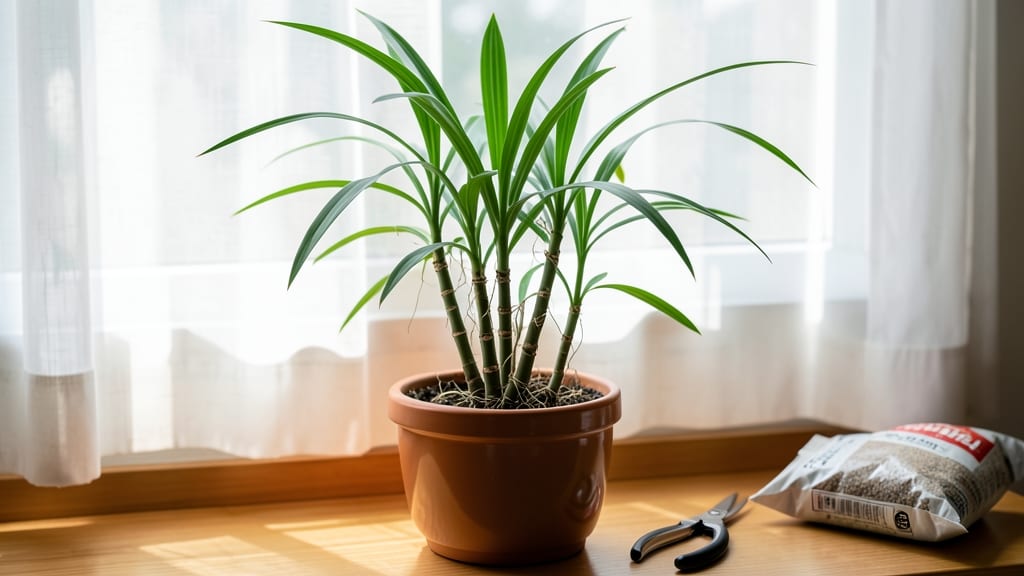
Your mass cane plant flowering depends on one surprising trick—pruning the old canes to force fresh growth. 🌱 I’ve watched mine go from stubbornly bare to bursting with blooms in just six weeks after making this simple cut.
The key isn’t just trimming, though—it’s timing it right with light, water, and a little fertilizer magic.
Most people overlook the light requirement: bright, indirect sunlight for 6+ hours daily triggers blooms, while dim corners keep plants leafless. Pair that with lukewarm water (never soggy soil) and a monthly dose of diluted houseplant fertilizer, and you’ll see those telltale flower spikes emerge by midsummer.
Winter’s the only time to ease up—let the soil dry slightly between waterings.
What you’ll end up with is a towering display of tiny white flowers that last for weeks, followed by bright red berries. The plant itself stays lush and fuller than ever, with new canes shooting up from the base.
Even indoor growers can pull this off—just keep it near an east-facing window or under a grow light.
Here’s the catch: patience pays off. First blooms might take a year, but once you crack the code, your mass cane becomes a year-round flowering machine. Troubleshoot yellow leaves? Usually overwatering. No blooms? Time to prune those old canes again—this time, don’t wait until summer.
📚 In This Guide
- What you need
- Instructions
- Tips and common mistakes
- Wrapping up and next steps
What you need
- ● Mass cane plants (e.g., Dracaena fragrans, Cordyline, or Yucca varieties) – 3–5 mature plants (6+ ft tall for best results).
- ● Pruning shears – Sharp, bypass-style (avoid dull tools that crush stems).
- ● Disinfectant (70% isopropyl alcohol or hydrogen peroxide) – 1 small bottle (for sterilizing tools).
- ● Gloves – 1 pair (nitrile or leather, to protect from sap and thorns).
- ● Potting mix – 1–2 bags (well-draining, cactus/succulent blend or add perlite to regular soil).
- ● Containers – 1–2 pots (1–2 inches larger than current root ball, with drainage holes).
- ● Rooting hormone – 1 small tube (to boost cutting success).
- ● Misting bottle – 1 (for humidity during propagation).
- ● Slow-release fertilizer – 1 packet (balanced 10-10-10 or 20-20-20).
- ● Grow lights – 1–2 LED bulbs (if indoors or low light).
- ● Pruning sealant – 1 small jar (to prevent sap oozing post-cut).
Step-by-Step guide to encouraging mass cane plant flowering
Here's how to coax your mass cane into a nonstop summer bloom show—no guesswork involved.
🌿 Step 1: Identify the Right Pruning Time
Wait until you see at least 3-4 mature leaves on each stem before pruning. This ensures the plant has stored enough energy to rebound and flower. I always prune in early spring or right after the first flush of blooms fades—this gives the plant a fresh start for the growing season.
Use sharp, clean pruning shears to make cuts just above a leaf node. Avoid tearing the stems, which invites disease. If you're unsure where to cut, look for the small bump where leaves attach—this is your target spot. The first pruning sets the stage for future blooms, so take your time here.
✂️ Step 2: Prune Strategically for Bushier Growth
Cut back one-third of the plant's height during your first pruning. This shock may seem harsh, but it triggers the plant to branch out and produce more stems. You'll see new growth sprout from the leaf nodes below your cut within 4-6 weeks.
For established plants, I like to do a second light pruning in midsummer after the first bloom cycle. Simply trim back any leggy stems or spent flowers to encourage a second wave of blooms. Avoid heavy pruning in fall—this gives the plant time to prepare for dormancy.
☀️ Step 3: Optimize Light and Nutrition
Mass cane plants need full sun (6+ hours daily) to flower prolifically. If your plant isn't blooming, check its location—shade-loving varieties exist, but most mass cane types need bright light to trigger flowering. Move potted plants to a sunnier spot if needed, or supplement with a grow light for 12-14 hours daily.
Feed with a balanced liquid fertilizer (10-10-10) every 4-6 weeks during the growing season. I always fertilize after pruning to give the plant nutrients for new growth. Stop fertilizing in late summer to let the plant prepare for dormancy naturally.
💧 Step 4: Maintain Consistent Moisture
Water deeply when the top 2 inches of soil feel dry. Mass cane plants hate soggy roots but also struggle with drought stress—both conditions reduce flowering. I use a moisture meter to check soil levels, especially during hot spells when plants drink more water.
Mulch around the base with 2-3 inches of organic mulch to retain moisture and regulate soil temperature. This simple step prevents soil from drying out too quickly and keeps roots cool. Avoid overwatering in fall, as this can delay dormancy and reduce next year's blooms.
Tips & tricks for perfect mass cane plant flowering
Between us, the difference between a mass cane plant that bursts with blooms and one that fizzles out often comes down to these small but mighty details.
Timing is Everything: The 3-4 mature leaves rule in Step 1 isn't just arbitrary—it's about energy storage. I learned this the hard way after pruning too early and watching my plant struggle to recover. Wait until those leaves are fully unfurled and vibrant green before cutting. The plant needs that energy reserve to push out new growth and eventually flowers.
Pruning Precision: When you cut back one-third of the plant's height in Step 2, focus on removing the oldest stems first. These are often the leggy ones that have already bloomed. The new growth that emerges from those leaf nodes below your cut will be more vigorous and likely to produce flowers. I always make my cuts at a 45-degree angle just above a leaf node to prevent water from pooling and causing rot.
Light and Fertilizer Synergy: The 6+ hours of full sun in Step 3 is non-negotiable for flowering, but here's what nobody tells you—the light needs to be consistent. If you're supplementing with grow lights for 12-14 hours daily, place them about 6-12 inches above the plant. Too high and the light spreads too thin; too low and you risk burning the leaves. Pair this with your fertilizer schedule: that 10-10-10 liquid fertilizer should go on right after pruning to give the plant a nutrient boost when it's most vulnerable.
Moisture Management: The 2-inch soil check in Step 4 is your golden rule, but there's a trick to it. I always water in the morning so the plant has all day to absorb moisture before evening. And that 2-3 inches of organic mulch? It's not just about moisture—it's also about temperature regulation. In hot climates, mulch can keep roots 5-10°F cooler than surface temps, which is crucial for preventing stress that can halt flowering.
Pro Tips for Mass Cane Plant Flowering
- Between us, the difference between a mass cane plant that bursts with blooms and one that fizzles out often comes down to these small but mighty details.
- Timing is Everything: The 3-4 mature leaves rule in Step 1 isn't just arbitrary—it's about energy storage.
- Pruning Precision: When you cut back one-third of the plant's height in Step 2, focus on removing the oldest stems first.
Frequently asked questions
about mass cane plant flowering—because even the greenest thumbs have questions! Here are answers to the most common ones to help you keep those blooms coming.Why isn’t my mass cane plant flowering at all?
Mass cane plants (Dichondra argentea) often need a few key triggers: pruning, bright light (6+ hours of sun), and warmth (60°F+). If you’ve been pruning regularly but still see no blooms, check for nutrient deficiencies (like low phosphorus) or root-bound pots. A gentle transplant or fertilizer boost (like 10-10-10) can kickstart flowering!
How long does it take for mass cane to flower after pruning?
With ideal conditions, you’ll typically see new buds in 4–8 weeks after a hard pruning. Soft trims (just tipping growth) may yield blooms in 2–3 weeks. Patience is key—consistent care (water, light, and pruning) speeds up the process. Think of it like training a marathon runner: gradual progress leads to the best results!
Can I prune mass cane too much? What’s the right balance?
Over-pruning stunts growth, but under-pruning can lead to leggy, sparse plants. Aim to trim 1/3 of the plant every 4–6 weeks during active growth (spring–fall). Focus on brown or woody stems first, then shape for fullness. Pro tip: Never cut more than 1/2 the plant at once—this can shock it into dormancy.
What if my mass cane flowers but then stops?
This usually means the plant is exhausting its energy on blooms instead of foliage. To reset it:
- Trim back all spent flowers (deadheading) to encourage new growth.
- Fertilize lightly with a balanced formula (e.g., 20-20-20) to replenish nutrients.
- Move it to a sunnier spot if possible—more light = more energy for blooms!
Are there alternatives if my mass cane refuses to flower?
If mass cane proves finicky, try these low-maintenance flowering alternatives for summer color:
Each has unique charm—so experiment to find your perfect match!
Wrapping up and next steps
Watching your mass cane plant burst into vibrant summer blooms is a rewarding experience—and with the right pruning triggers, you can turn that one-time spectacle into a nonstop show! 🌸 The key lies in understanding timing, technique, and plant health, whether you’re encouraging first-time blooms or extending their season.
Now that you’re armed with the know-how, there’s no better time to roll up your sleeves and give your plant the care it deserves.
Your next step? Pick a sunny day, grab your pruners, and start experimenting with the methods that work best for your climate and plant. Keep an eye on those buds—they’re your plant’s way of saying, "Thank you!" 🌿✨