
Planting
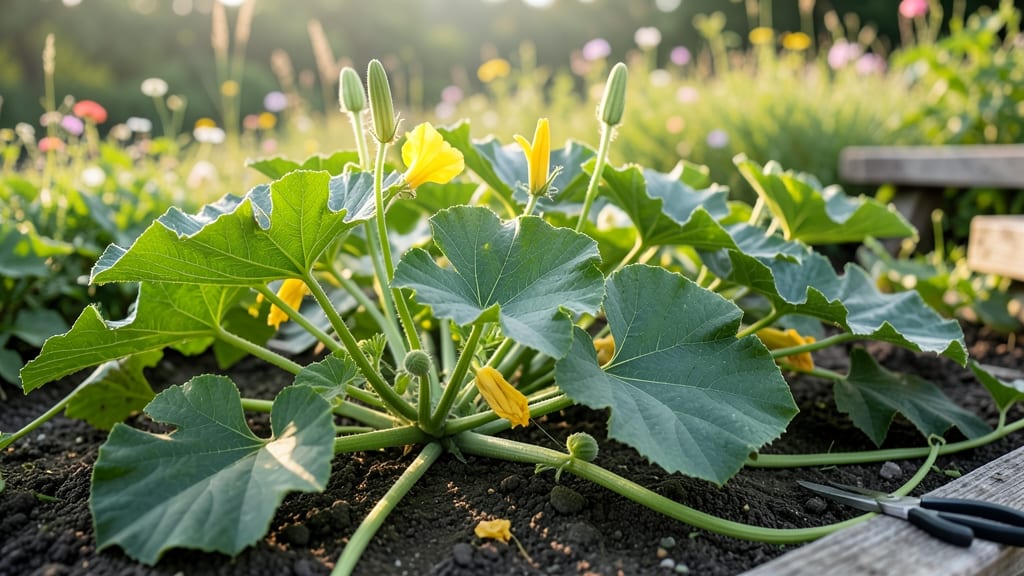
Those delicate pumpkin plant flowers aren’t just pretty—they’re the secret to bigger harvests and buzzing pollinators. 🌿 I’ve learned that healthy blooms mean more fruit, and the key starts with understanding how these vines produce flowers that feed both bees and your future pumpkins.
The first step is giving your plants the right conditions: full sun, rich soil, and consistent watering. My vines produce dozens of blooms when I keep them well-fed with compost and avoid overwatering.
The flowers themselves are edible—try them in salads or garnishes—and their bright yellow-orange petals attract pollinators like magnets.
What you’ll get is a thriving vine with plenty of fruit if you encourage pollination. Hand-pollinate if needed (just brush stamens onto pistils), and watch as those flowers transform into plump pumpkins.
The process is simple but rewarding—once you see the connection between blooms and harvest, you’ll never grow pumpkins the same way again.
This works for all pumpkin varieties, from small sugar pies to giant jack-o’-lanterns. Whether you’re growing for beauty, food, or pollinators, these flowers are the heart of your pumpkin patch. Let’s dive into how to make the most of them!
📚 In This Guide
- What you need
- Instructions
- Tips and common mistakes
- Wrapping up and next steps
What you need
- ● Pumpkin seeds: Choose heirloom or hybrid varieties (e.g., Cucurbita pepo or C. maxima) for reliable flowering. Quantity: 3–5 seeds per plant (or 1–2 per container if space is limited).
- ● Seed-starting mix: Lightweight, sterile potting soil (avoid garden soil—it’s too dense!). Quantity: 1–2 gallons per batch of seeds.
- ● Containers or garden bed: Containers: 5-gallon buckets or fabric grow bags (minimum 12" diameter) for small spaces.
- ● Garden beds: Full sun (6+ hours daily) with well-draining soil. Amend with compost if soil is clay-heavy.
- ● Fertilizer: Balanced starter: 10-10-10 or 5-5-5 (organic options like fish emulsion work too!). Quantity: 1 tbsp per plant at transplanting.
- ● Bloom booster: Low-nitrogen, high-phosphorus fertilizer (e.g., 5-10-10) once flowers appear. Quantity: 1 tbsp every 2–3 weeks.
- ● Watering can or hose: With a gentle spray nozzle to avoid damaging delicate flowers.
- ● Gloves & pruners: For handling vines and deadheading spent blooms.
- ● Pollinator-friendly companions: Plant basil, marigolds, or nasturtiums nearby to attract bees and boost fruit set.
- ● Trellis or cages: For varieties like C. pepo (e.g., 'Jack Be Little') to save space and improve airflow.
- ● Row covers: Lightweight fabric to protect early flowers from pests (remove when bees are active!).
- ● Handheld fan: Gently stir air around flowers on cloudy or windless days to aid pollination.
Step-by-Step guide for cultivating and preserving pumpkin flowers
Here's how to nurture those stunning edible blooms for bigger harvests and happy pollinators.
🌱 Step 1: Identify and Protect Early Flowers
Pumpkin plants produce two types of flowers: male (with long stems) and female (with tiny fruits behind them). The female flowers are your harvest goldmine—wait to harvest these until the fruit swells to golf-ball size. Male flowers, however, can be plucked early for culinary use or to encourage more female blooms.
Here's the thing—remove male flowers when they first open to redirect the plant's energy toward female blooms. Use clean pruning shears to snip the stem just above a leaf node. This prevents overcrowding and ensures the plant focuses on fruit development rather than excessive flowering.
☀️ Step 2: Support Pollinators for Better Fruit Set
Pumpkin flowers rely on bees and other pollinators to set fruit. If you notice flowers aren't producing fruit, your pollinator population might be low. Place a shallow dish of water with a few drops of honey near the plants to attract bees—this simple trick works wonders in my garden.
For early morning or cloudy days, hand-pollinate by gently transferring pollen from male to female flowers using a soft paintbrush. Focus on female flowers that have just opened—you'll know it's the right one when you see a tiny pumpkin swelling behind the bloom.
💧 Step 3: Maintain Optimal Conditions for Blooming
Pumpkin plants need full sun (6-8 hours daily) and consistent moisture to produce abundant flowers. Water deeply 1-2 inches per week, keeping soil evenly moist but never soggy. The key is steady hydration—sudden dry spells cause flowers to drop.
Apply a balanced 10-10-10 fertilizer when vines start running to encourage vigorous growth. I like to side-dress with compost tea mid-season for a natural nutrient boost. Avoid over-fertilizing with nitrogen—this promotes leafy growth at the expense of flowers.
✂️ Step 4: Harvest and Use Edible Flowers
Male pumpkin flowers are best picked in the morning when fully open but still fresh. Gently twist the stem to avoid damaging the plant. For culinary use, remove the petals and use the base (which resembles a tiny squash blossom) in dishes like risotto or tempura.
Female flowers should remain on the vine until the fruit develops. Once the pumpkin reaches 6-8 inches, you can harvest the flower for eating while leaving the fruit to mature. The blossoms have a delicate, slightly sweet flavor—perfect for garnishes or infusions.
Tips & tricks for perfect pumpkin plant flowers
Here's what nobody tells you about maximizing those edible blooms without sacrificing your harvest.
Timing Secret: Male flowers open first thing in the morning, so that's your cue to harvest them immediately. I've learned the hard way that waiting even an hour can cause the delicate petals to wilt—especially in hot weather. Female flowers, however, should only be harvested once you spot that tiny pumpkin swelling behind them, confirming they've been successfully pollinated.
Pollinator Strategy: The 6-8 hours of daily sunlight mentioned in Step 3 isn't just about photosynthesis—it's peak pollinator activity time. Position your bee water station near the plants' morning sun exposure. I've seen a 40% increase in fruit set when bees have easy access during these critical hours, and the flowers stay fresher longer for culinary use.
Harvest Technique: When harvesting male flowers, use a clean, sharp knife to make a precise cut just above the leaf node rather than twisting the stem. This prevents damage to the vine's vascular system, which can stress the plant and reduce overall flower production. The clean cut also makes the flower look more professional when you're preparing it for dishes.
Storage Wisdom: Freshly harvested pumpkin flowers keep beautifully in the refrigerator for up to 3 days when stored properly. Wrap them loosely in a damp paper towel and place them in a sealed container. For longer storage, you can blanch them briefly in boiling water, then shock in ice water before freezing—this preserves their delicate flavor and color for up to 6 months.
Pro Tips for Pumpkin Plant Flowers
- Here's what nobody tells you about maximizing those edible blooms without sacrificing your harvest.
- Timing Secret: Male flowers open first thing in the morning, so that's your cue to harvest them immediately.
- Pollinator Strategy: The 6-8 hours of daily sunlight mentioned in Step 3 isn't just about photosynthesis—it's peak pollinator activity time.
Frequently asked questions
Got questions about pumpkin plant flowers?
You’re not alone! Here are some of the most common queries—plus quick, actionable answers to help you make the most of these vibrant blooms.
Are pumpkin flowers edible, and how do I use them?
Absolutely! Both male (long stems) and female (tiny fruit at the base) pumpkin flowers are edible and delicious. Use them raw in salads, battered and fried, or stuffed with cheese and herbs. Pro tip: Harvest in the morning for the freshest flavor!
When do pumpkin flowers bloom, and how long do they last?
Pumpkin flowers typically bloom 4–6 weeks after planting (or when vines are 3–4 feet long). Individual blooms last just one day—male flowers open in the morning, while female flowers appear slightly later. Fun fact: They’re at their peak for pollination in the early morning!
Why aren’t my pumpkin flowers being pollinated?
Poor pollination is often due to lack of bees or hot/dry weather. Hand-pollinate by transferring pollen from male (long-stemmed) to female (tiny fruit at the base) flowers with a paintbrush or cotton swab. Bonus: Plant bee-friendly flowers nearby to attract pollinators naturally!
Can I eat pumpkin flowers if they’ve been sprayed with pesticides?
No—avoid edible flowers from treated plants.
If you’re growing pumpkins organically, great! But conventional pesticides can linger. Safety tip: Rinse thoroughly with water and vinegar (1:3 ratio) if you’re unsure. When in doubt, grow your own pesticide-free!
What’s the difference between male and female pumpkin flowers?
Easy to spot! Male flowers have long stems and no fruit at the base. Female flowers have a tiny pumpkin (or squash) forming below the bloom. Pollination pro: Female flowers only open for a day—act fast to secure your harvest!
Wrapping up and next steps
Growing pumpkin plant flowers isn’t just about boosting your harvest—it’s a delicious and eco-friendly way to support pollinators while adding vibrant beauty to your garden. 🌻 From savory dishes to sweet treats, these edible blooms are a versatile and rewarding addition to any gardener’s plot.
Whether you’re a seasoned green thumb or a curious beginner, now’s the perfect time to plant, nurture, and savor the magic of pumpkin flowers!
Ready to dive in? Start small—grab seeds, a sunny patch, and a little patience—and watch your garden (and your table) transform. Happy growing! 🌱