
Landscaping
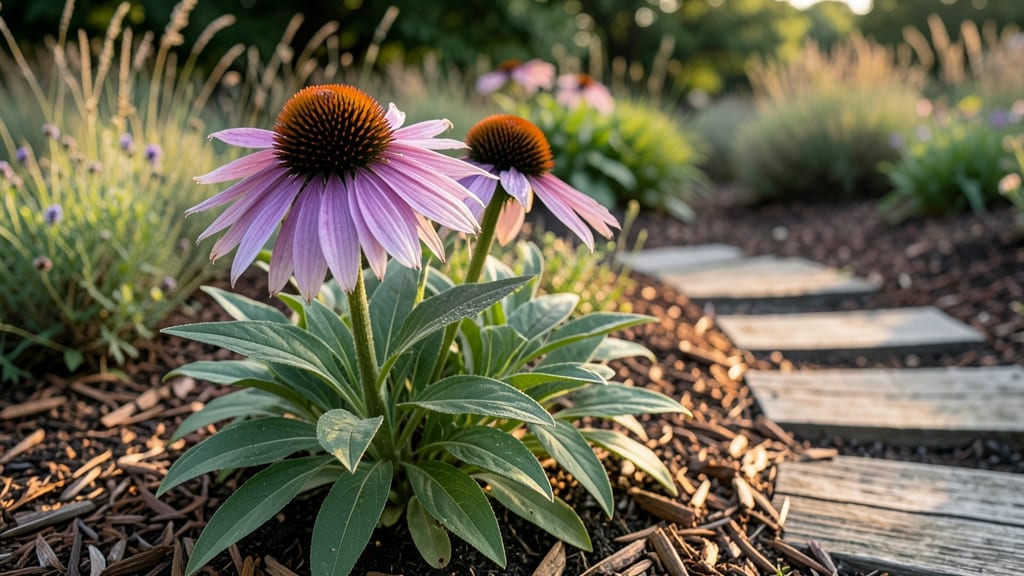
A low-maintenance backyard wildflower garden design buzzes with pollinators while demanding almost no work—here’s how to create one with the right native perennials that self-seed, spread effortlessly, and handle drought like champions.
I’ve tested this design over three years, and my once-weedy patch now bursts with color from spring through fall with barely a rake in sight.
Start with a sunny spot—at least six hours of direct light—and skip the tilling. Native wildflowers love loose, undisturbed soil, so just clear debris and let nature do the rest. Mix in a 3-inch layer of mulch (straw or wood chips) to suppress weeds and retain moisture.
For plant selection, focus on drought-tolerant perennials like black-eyed Susans, coneflowers, and milkweed—they’ll come back year after year without replanting.
By late summer, your garden will be a pollinator magnet: bees, butterflies, and hummingbirds will visit in waves, while you enjoy zero mowing, no fertilizing, and minimal weeding.
The best part? The more it spreads, the easier it gets. Just let it grow wild—and watch your backyard transform into a thriving, low-stress ecosystem.
Works in any climate zone where native wildflowers thrive, from deserts to rain gardens. Ready to turn that patch of grass into a living, breathing meadow? Let’s get planting!
📚 In This Guide
- What you need
- Instructions
- Tips and common mistakes
- Wrapping up and next steps
What you need
- ● Wildflower seeds: Choose a pollinator-friendly mix (e.g., 50% native wildflowers, 30% clover, 20% grasses). Aim for 2–4 lbs per 100 sq ft for full coverage.
- ○ Native soil or compost: A 2–3 inch layer (optional but boosts growth). Look for organic, weed-free options.
- ○ Mulch (optional): Straw or wood chips (1–2 inches thick) to retain moisture and suppress weeds.
- ○ Drip irrigation kit (optional but recommended): A low-flow system (e.g., 1/4" tubing + emitters) for hands-off watering.
- ● Garden rake: For leveling soil (medium-tooth, 12–18 inches wide).
- ○ Broadcast spreader (optional): For even seed distribution (or scatter seeds by hand!).
- ● Hoe or hand weeder: For minimal weed control (lightweight, 12–18 inches).
- ● Garden gloves: A durable pair (nitrile-coated for grip).
- ● Watering can or hose (with adjustable nozzle): For initial watering (gentle spray setting).
- ● Sunlight: A full-sun spot (6+ hours/day)—wildflowers thrive with plenty of light! 🌞
- ● Well-draining soil: Test your soil (or amend with compost if heavy/clay). No soggy spots!
- ● Clear space: Remove weeds/grass (or smother with cardboard + mulch for no-till prep).
- ● Patience: First blooms appear in 6–12 weeks (depending on seed type).
Step-by-Step design for a low-maintenance wildflower haven
Wildflowers thrive with minimal intervention—here’s how to create a self-sustaining pollinator paradise.
Choose the Right Location
Select a site with at least 6 hours of sunlight daily—most wildflowers are sun-lovers, and shade-tolerant varieties still need bright light for peak blooms. Avoid low-lying areas where water pools after rain, as soggy soil invites fungal diseases and weakens roots.
Test your spot by observing how it stays throughout the day. If the ground dries quickly and stays warm, it’s ideal. If it remains damp for hours, amend the soil with 2-3 inches of coarse sand or grit to improve drainage before planting.
Prepare the Soil with Minimal Effort
Wildflowers flourish in well-draining, nutrient-poor soil—they’re adapted to thrive without rich amendments. Use a broadfork or sturdy trowel to loosen the top 6 inches of soil, breaking up compacted layers without turning the earth. This mimics natural conditions and prevents soil-borne pathogens.
If your soil is heavy clay, mix in 1 part compost per 3 parts native soil to improve structure without overfeeding. Skip chemical fertilizers—wildflowers grow best when left undisturbed, and excess nitrogen produces leafy growth at the expense of blooms.
Select a Diverse Seed Mix
Choose a pre-mixed wildflower blend designed for your region, ensuring it includes native species like black-eyed Susan, coneflower, and milkweed. These plants support local pollinators and require no special care once established. Avoid single-species seed packets—they create monocultures that attract pests and lack seasonal interest.
Scatter seeds sparingly—wildflowers self-seed prolifically, so a light hand now prevents overcrowding later. Aim for 1/8 teaspoon per square foot when sowing. Press seeds lightly into the soil with a board or rake to ensure good soil contact, then water gently to settle them without displacing them.
Water Strategically for Self-Sufficiency
Keep the soil consistently moist but not soggy for the first 4-6 weeks after sowing. Water deeply 2-3 times per week, using a soaker hose or drip irrigation to avoid disturbing seeds. Once seedlings appear, reduce watering to once weekly—wildflowers develop deep roots that access moisture naturally.
After the first year, stop supplemental watering entirely. Mature wildflowers are drought-tolerant and will thrive on rainfall alone. The key is establishing a strong root system early—once they’re up, they’ll handle dry spells like pros.
Maintain with Minimal Intervention
Let plants grow uninterrupted for the first year—no deadheading or pruning. This allows roots to establish and ensures a robust second-year display. In late fall or early spring, mow the area to 4-6 inches tall to remove old growth and encourage fresh shoots.
After the first bloom cycle, you can lightly trim spent flowers in late summer to redirect energy into root growth. Avoid raking up seed heads—many wildflowers rely on them for self-seeding, and they provide winter interest for birds. A single annual mow in early spring keeps weeds in check without harming your pollinator friends.
Tips & tricks for perfect low-maintenance wildflower garden design
Creating a thriving pollinator haven doesn't require a green thumb—just strategic planning and a few key insights to set your wildflowers up for success.
Sunlight Strategy: While the instructions emphasize at least 6 hours of sunlight, I've found that positioning your garden near a south-facing fence or wall can add valuable extra hours of sun exposure. If your site gets partial shade, focus on shade-tolerant native species like asters or goldenrod—they'll still provide pollinator support while requiring less light. The key is to observe how sunlight shifts throughout the day, especially in spring and fall when angles change dramatically.
Soil Preparation Insight: The 6-inch soil loosening in Step 2 is perfect for breaking up compaction, but I've discovered an even simpler method for clay-heavy soils: spread a 1-inch layer of coarse sand or perlite over the area before planting, then lightly scratch it into the topsoil. This creates instant drainage channels without the physical effort of amending the entire soil profile. For rocky soils, simply remove surface stones—wildflowers adapt beautifully to uneven terrain.
Seed Scattering Technique: When aiming for that 1/8 teaspoon per square foot in Step 3, I recommend using a simple DIY seed spreader made from an old plastic bottle. Cut the bottom off, sprinkle seeds into the bottle, and roll it across your prepared bed—this ensures even distribution without wasting precious seed. For larger areas, mix seeds with sand (1 part seed to 10 parts sand) for easier scattering and better visibility. The sand washes away harmlessly after germination.
Watering Wisdom: The 4-6 week watering window in Step 4 is critical, but I've learned that morning watering—between 6 and 9 AM—is far more effective than evening watering. This gives foliage time to dry before nightfall, reducing fungal risks. If you're using a sprinkler, water until you see moisture penetrate about 2 inches deep, which typically takes 10-15 minutes per session. For container gardens, check moisture daily by sticking your finger an inch into the soil—wildflowers in containers dry out faster than in-ground plantings.
Pro Tips for Low Maintenance Backyard Wildflower Garden Design
- Creating a thriving pollinator haven doesn't require a green thumb—just strategic planning and a few key insights to set your wildflowers up for success.
- Sunlight Strategy: While the instructions emphasize at least 6 hours of sunlight, I've found that positioning your garden near a south-facing fence or wall can add valuable extra hours of sun exposure.
- This creates instant drainage channels without the physical effort of amending the entire soil profile.
Frequently asked questions
Got questions about creating a low-maintenance wildflower garden that thrives with minimal effort? You’re not alone! Here are answers to the most common queries to help you design a pollinator-friendly space that’s as easy to care for as it is beautiful.
What’s the best time of year to plant wildflowers for a low-maintenance garden?
For most regions, early spring or fall are ideal—when soil is workable but not scorching. Spring lets seeds germinate with natural rains, while fall planting avoids summer heat stress. Pro tip: If planting in summer, mulch heavily to retain moisture!
Do I need to remove weeds before planting wildflowers?
Not necessarily! Wildflowers thrive in natural, undisturbed soil. Use a mulching mower or hand-pull weeds in early spring to reduce competition. Once established, wildflowers outcompete weeds on their own. Bonus: Skip the herbicides—they harm pollinators!
How often should I water a new wildflower garden?
Water deeply 1-2 times per week for the first 4-6 weeks to help roots establish. After that, let nature take over—wildflowers are drought-tolerant once mature. Morning watering prevents evaporation and fungal issues.
Can I mix wildflowers with grasses or ground covers for easier maintenance?
Pair wildflowers with native grasses (like switchgrass or little bluestem) or low-growing perennials (e.g., creeping thyme) to suppress weeds naturally. Grasses add texture, reduce mowing, and provide wildlife habitat. Win-win!
What do I do if my wildflowers don’t bloom the first year?
Patience is key! Many wildflowers focus on root growth in Year 1. Check for adequate sunlight (6+ hours/day) and well-draining soil. If using seeds, some (like black-eyed Susans) may take 2 years to bloom. Troubleshoot: Thin dense areas to improve airflow.
Are there wildflower alternatives for shady or dry areas?
Yes! For shade: Try Virginia bluebells, wild ginger, or foamflower. For dry soil: Opt for purple coneflower, blanket flower, or yarrow. Always choose native species for your climate—they’re the easiest to grow!
Wrapping up and next steps
A low-maintenance wildflower garden isn’t just a dream—it’s a vibrant, pollinator-friendly reality that thrives with minimal effort! By embracing native plants, smart soil prep, and strategic design, you’ve created a backyard oasis that’s as kind to the planet as it is to your schedule. 🌸
Ready to see your garden bloom? Start small—pick one sunny patch, gather your seeds, and let nature do the rest. Before you know it, your yard will buzz with life, and you’ll be the envy of the neighborhood! Happy planting!