
Planting
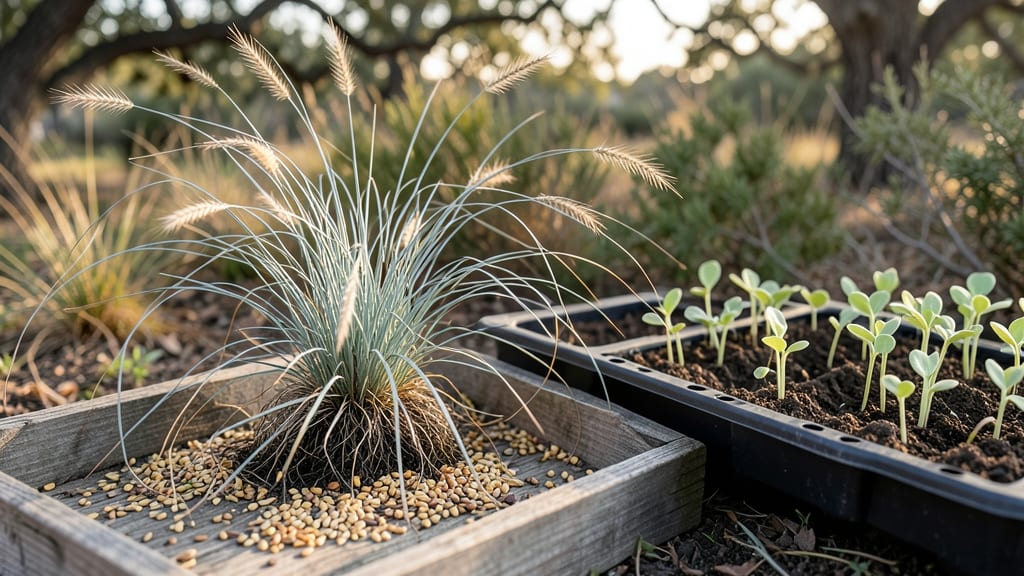
Buying bulk Texas wildflower seeds is how I turned a patch of dry, weedy ground into a riot of color that hums with bees by early spring.
The key isn’t just throwing seeds on the ground—it’s matching them to your soil, timing the planting right, and letting nature do most of the work.
My first attempt failed when I planted in summer, but last fall’s meadow bloomed like clockwork, proving that Texas wildflowers thrive when you follow a few simple rules.
You’ll need a sunny spot with at least 6 hours of light daily, loose soil (or a little help breaking it up), and a hose or sprinkler for the first few weeks.
The best time to plant is late fall or early winter, when cool weather helps seeds germinate before summer heat arrives. Drought-resistant varieties like bluebonnets and Indian paintbrush make this low-maintenance—once established, they’ll outcompete weeds and need almost no extra water. The payoff?
A meadow that looks like a postcard and supports local pollinators year after year.
By spring, you’ll see vibrant blooms in shades of blue, pink, and yellow that attract butterflies and bees you’ve never seen in your yard. The secret is patience: the first year might look sparse, but roots will spread, and the second year will be showstopping.
Weed competition is the biggest challenge, so a quick pull in early spring keeps things tidy without harming the wildflowers. Let the seeds do the heavy lifting—they’re designed to thrive in Texas conditions.
This method works for small yards, large fields, or even container gardens—just scale the seed quantity. Whether you’re restoring native habitat or just want a low-fuss garden, Texas wildflowers deliver. Ready to skip the mowing and start a meadow? Let’s get those seeds in the ground.
📚 In This Guide
- What you need
- Instructions
- Tips and common mistakes
- Wrapping up and next steps
What you need
- ● Bulk Texas Wildflower Seeds: 1–5 lbs (depending on area size; 1 lb covers ~1,000 sq ft for full sun meadows). Choose a blank">pre-mixed blend (e.g., Bluebonnet, Indian Paintbrush, Black-Eyed Susan) or opt for single-species seeds.
- ● Preparation Tools: Rake or cultivator (for clearing debris)
- ● Garden hoe or shovel (for loosening soil)
- ○ Hula hoop or string/flags (to mark planting boundaries, optional but helpful for large areas)
- ● Soil Prep (if needed): Compost (2–3 lbs per 100 sq ft) for nutrient-poor soil
- ● Lime (if soil pH is blank">soil pH kit)
- ● Seeding Tools: Seed spreader (for even distribution; blank">hand-crank models work best for small areas)
- ● Fine-mesh screen or cheesecloth (to sift seeds if hand-sowing)
- ● Watering Supplies: Garden hose with adjustable nozzle or blank">drip irrigation kit
- ● Watering can (for precision in small patches)
- ● Protective Gear: Gloves (nitrile or leather for durability)
- ● Knee pads (for comfort during prep)
- ● Sunscreen & hat (Texas sun is no joke!)
- ● Bonus Touches: Wildflower seed germination mat (to retain moisture in dry climates)
- ● Birdseed mix (to attract pollinators post-planting)
Step-by-step instructions for planting bulk Texas wildflower seeds
Creating a vibrant Texas wildflower meadow is simpler than you think—just follow these straightforward steps.
🌱 Step 1: Prepare the Planting Site
Choose a sunny location with at least 6 hours of direct sunlight daily—Texas wildflowers thrive in full sun. Clear away existing vegetation, including weeds and grass, using a hoe or string trimmer. The goal is bare, exposed soil where wildflower seeds can make direct contact with the earth.
Loosen the top 2-3 inches of soil with a rake or tiller to break up compacted layers. Wildflowers don’t need rich soil, but they do need good drainage. If your area floods or sits in water after rain, amend the soil with sand or compost to improve drainage. A slightly rough, uneven surface helps seeds find purchase and prevents erosion.
Here's the thing—don't till too deeply. Wildflowers have shallow roots, and turning over too much soil can bury seeds too deeply, delaying or preventing germination. A light raking is all you need.
💧 Step 2: Scatter and Lightly Cover the Seeds
Spread the wildflower seeds evenly across the prepared area. For bulk seeds, aim for about ½ pound per 1,000 square feet. Walk slowly and scatter seeds in one direction to avoid gaps or clumps. If you're planting a larger area, divide the seeds into smaller portions and scatter them systematically to ensure even coverage.
After scattering, lightly cover the seeds with a thin layer of soil—no more than ¼ inch deep. This protects them from birds and helps retain moisture. Use a push broom or rake to gently sweep soil over the seeds, but avoid pressing down too hard. The seeds need light to germinate, so keep the covering minimal.
Water the area lightly but thoroughly right after planting. The soil should be damp but not soggy. You want the seeds to make contact with moisture without being displaced. A gentle misting from a hose with a fine spray nozzle works best. Avoid heavy watering, which can wash seeds away.
☀️ Step 3: Maintain Moisture and Wait for Blooms
Keep the soil consistently moist for the first 4-6 weeks after planting. Water deeply 2-3 times per week, early in the morning, to encourage strong root development. Avoid overhead watering once seeds sprout—switch to a soaker hose or drip irrigation to prevent fungal diseases like damping-off, which can kill young seedlings.
Resist the urge to disturb the area while seeds are germinating. Wildflowers can take 10-21 days to sprout, depending on temperature and moisture. Once seedlings appear, reduce watering slightly but continue to keep the soil moist. You'll notice the first true leaves emerge in clusters—this is your signal that the seeds have successfully established.
After the initial 6 weeks, gradually reduce watering to encourage deep root growth. Texas wildflowers are drought-tolerant once established, but they need consistent moisture during their first growing season. Mulch lightly with straw or leaves to retain soil moisture and suppress weeds, but avoid covering the seedlings themselves.
Within 3-6 months, depending on the species mix, you'll see the first blooms appear. Some varieties, like bluebonnets, may take up to a year to reach full bloom. Once established, your meadow will require minimal care—just occasional watering during dry spells and light maintenance to keep weeds in check.
Tips & tricks for planting bulk Texas wildflower seeds
Here's what I learned after planting my first Texas wildflower meadow—these little details make all the difference between a patchy garden and a vibrant showstopper.
Sunlight is non-negotiable: That 6 hours of direct sunlight isn't just a suggestion—it's essential. I planted some in partial shade last year and got sparse blooms. Test your spot first: if it gets afternoon shade for more than 2 hours, find a sunnier location. Morning sun with afternoon shade works, but full sun all day is ideal for Texas natives.
Soil prep matters more than you think: The 2-3 inch soil loosening is perfect for wildflowers, but here's the trick: focus on breaking up the top layer only. I used a broadfork last year and got beautiful results without disturbing the deeper soil. For drainage issues, mix in sand or compost in a 1:3 ratio—just enough to improve drainage without making the soil too sandy.
Seed coverage is an art: That ¼ inch soil covering is critical—any deeper and you'll suffocate the seeds. I use a push broom to gently sweep soil over the seeds, then lightly rake to create a textured surface. This helps seeds make contact while keeping them exposed to light. Pro tip: if birds are a problem in your area, consider covering with a lightweight landscape fabric until seeds sprout.
Watering strategy prevents common mistakes: The 4-6 week watering schedule is your window for success. I set up a drip irrigation system on a timer for 20 minutes every other morning—this keeps soil consistently moist without overwatering. Once seedlings appear, switch to watering every 3-4 days to encourage deep root growth. The key is morning watering to prevent fungal issues from evening moisture.
Pro Tips for Bulk Texas Wildflower Seeds
- Here's what I learned after planting my first Texas wildflower meadow—these little details make all the difference between a patchy garden and a vibrant showstopper.
- Sunlight is non-negotiable: That 6 hours of direct sunlight isn't just a suggestion—it's essential.
- Soil prep matters more than you think: The 2-3 inch soil loosening is perfect for wildflowers, but here's the trick: focus on breaking up the top layer only.
Frequently asked questions
Got questions about transforming your space with bulk Texas wildflower seeds? You’re not alone! Here are answers to the most common queries to help you plant with confidence.
When is the best time to plant Texas wildflower seeds?
The ideal window is late fall (October–November) or early spring (February–March). These periods provide cooler temps and steady rain, giving seeds the best chance to germinate. For summer blooms, sow seeds in early spring—just be sure to keep soil moist until germination!
How long does it take for Texas wildflowers to bloom?
Most Texas wildflowers take 6–12 weeks to sprout and 60–90 days to bloom after planting. Patience pays off—some varieties, like Bluebonnets, may take up to 2 years to reach their full, vibrant display. Check seed packets for specific timelines!
Do I need to water bulk wildflower seeds daily?
Nope! Overwatering can wash seeds away. Instead, water lightly but frequently (2–3 times daily for the first week) to keep soil damp. Once sprouted, reduce to 1–2 times weekly (or when rainfall is scarce). Drip irrigation or soaker hoses work best to avoid disturbing seeds.
Can I plant Texas wildflower seeds in containers or just in the ground?
Containers (like deep pots or window boxes) are great for small spaces, patios, or urban gardens. Use well-draining soil and ensure containers are at least 6–12 inches deep. Just avoid overcrowding—space seeds 6–12 inches apart for optimal growth.
Will Texas wildflowers attract bees or pests? Are they safe for kids/pets?
Yes! Texas wildflowers are bee magnets—perfect for pollinators. Most varieties are non-toxic to pets and kids, but avoid ingesting large quantities (like any plant). Research specific species (e.g., Lantana or Blackfoot Daisy) for safety. Always supervise pets near new plantings.
What if my wildflowers don’t grow? Troubleshooting tips.
No sprouts?
Check soil moisture, depth (seeds need light!), and temperature (too hot/cold can stall growth).
Weeds taking over?
Hand-pull them early or use mulch to suppress growth.
Slow growth?
Thin seedlings to 6–12 inches apart and fertilize lightly (wildflowers prefer lean soil).
Brown patches?
Overwatering or fungal issues—reduce water and improve drainage.
Still stuck? Share photos on Texas Wildflower gardening forums for expert advice!
Wrapping up and next steps
Transforming your Texas landscape into a vibrant wildflower meadow is easier—and more rewarding—than you think! 🌸 With the right bulk Texas wildflower seeds, a little patience, and these simple steps, you’ll soon enjoy a burst of color that attracts pollinators and brings joy for seasons to come.
Whether you’re a seasoned gardener or a curious beginner, now’s the perfect time to take action.
Ready to dive in? Start by choosing your seeds—visit a trusted supplier like Wildseed Farms or Native American Seed—then mark your calendar for fall planting. Your future meadow is waiting!