
Flowers
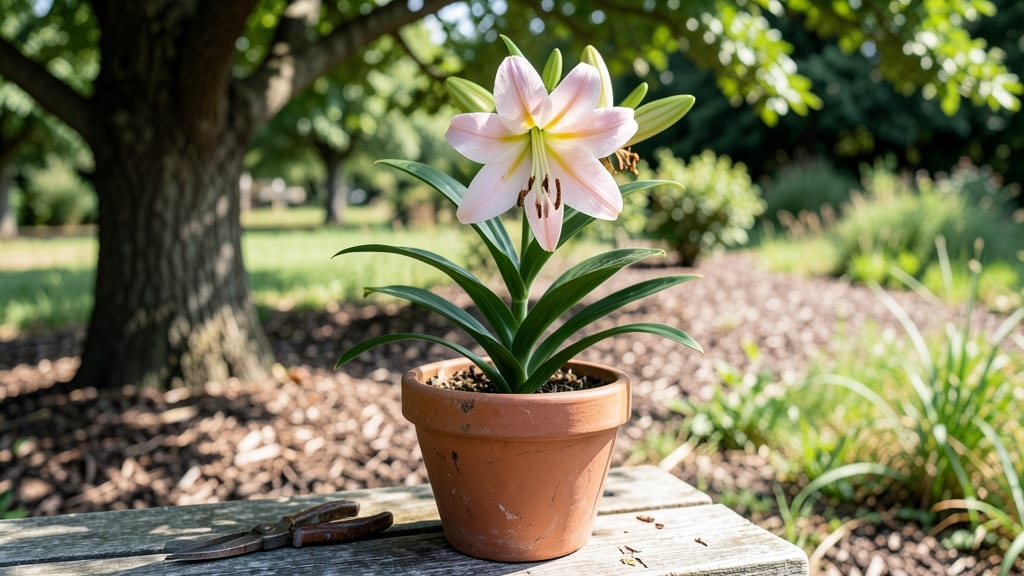
Growing lily flowers in pots lets you enjoy their dramatic blooms without a garden—just the right dwarf variety and a few smart tricks.
I’ve filled my patio with Lilium ‘Stargazer’ and ‘Casa Blanca’ in containers for years, and the secret isn’t just the soil or sunlight—it’s knowing when to coax them into reblooming.
The first year, I nearly gave up after a single flush of flowers, but then I learned the three-month dormancy hack that keeps them blooming until frost.
You’ll need containers at least 12 inches deep (lilies hate being root-bound), well-draining soil mixed with perlite, and a spot with 6+ hours of morning sun. The real game-changer? A slow-release fertilizer at planting time—it eliminates the guesswork of feeding later.
Most people overwater, thinking lilies need constant moisture, but soggy soil is the #1 killer. Stick your finger in the soil first: water only when the top 2 inches feel dry.
By midsummer, you’ll have tall, sturdy stems topped with those iconic trumpet-shaped blooms, and with proper care, they’ll reward you with a second flush in fall. The fragrance alone—sweet, honey-like, and intoxicating—makes the effort worth it.
Even in small spaces, these lilies become the star of your patio, drawing hummingbirds and late-season pollinators. The key to year-round blooms? Cut back faded stems, let the foliage die back naturally, and give them a cool, dry rest in winter.
This works for balconies, rooftops, or sunny windowsills—just adjust the container size for taller varieties. The only real challenge is keeping them happy through winter, but with a little planning, you’ll have lilies blooming long after store-bought flowers have faded.
Let’s get those pots planted right the first time.
📚 In This Guide
- What you need
- Instructions
- Tips and common mistakes
- Wrapping up and next steps
What you need
- ● Dwarf Lily Bulbs: Choose Lilium varieties like ‘Stargazer,’ ‘Casa Blanca,’ or ‘Tiny Bell’ (1-3 bulbs per 6-8" pot). Opt for organic, disease-free bulbs from a reputable nursery.
- ● Well-Draining Flower Pot: A container with drainage holes (6-12" diameter for 1-3 bulbs; wider for larger varieties). Terracotta or ceramic pots work best.
- ● High-Quality Potting Mix: A lightweight, well-draining blend (e.g., 60% peat moss/coco coir, 30% perlite/pumice, 10% compost). Avoid garden soil—it’s too dense!
- ● Slow-Release Fertilizer: A balanced, bulb-specific formula (e.g., 10-10-10 or 5-10-10 NPK ratio). Follow package instructions for dosage.
- ● Watering Can or Spray Bottle: With a gentle spray nozzle to avoid displacing soil.
- ● Garden Gloves (to protect hands from sharp bulb edges).
- ● Trowel or Small Shovel (for planting and soil adjustments).
- ○ Mulch (Optional): Pine bark or straw (1-2" layer) to retain moisture and suppress weeds.
- ○ Plant Stakes or Support (Optional): For tall varieties (e.g., ‘Stargazer’), use bamboo stakes or soft ties to prevent flopping.
- ○ Lily Food or Bulb Booster (Optional): A phosphorus-rich supplement (e.g., bone meal) to encourage blooming.
- ○ Self-Watering System (Optional): A wick or reservoir tray for consistent moisture in dry climates.
Step-by-step guide for growing dwarf lilies in containers
Here’s how to keep your potted lilies thriving and blooming season after season.
Choose the Right Dwarf Lily Varieties and Containers
Dwarf lilies like ‘Little Sister,’ ‘Stargazer,’ or ‘Casa Blanca’ thrive in containers, but their roots need room to spread. Select a pot at least 12 inches deep and wide—shallower containers restrict root growth and limit blooms. Ensure the pot has drainage holes; lilies hate soggy roots, and excess moisture leads to bulb rot.
I always use terracotta or ceramic pots because they breathe better than plastic, helping moisture evaporate naturally. If your pot lacks drainage, add a 2-inch layer of pebbles or broken pottery at the bottom before filling with soil. This creates a barrier that prevents soil from clogging the holes while still allowing water to escape.
Prepare Soil and Plant the Bulbs Correctly
Fill your pot with a well-draining potting mix—never garden soil, which compacts and suffocates roots. I blend equal parts potting mix, perlite, and compost for the perfect balance of aeration and nutrients. Moisten the mix until it’s damp but not soggy; bulbs need moisture to sprout, but standing water drowns them.
Plant the bulbs 6 inches deep, with the pointed end facing up. Space them 4-6 inches apart—crowding leads to weak stems and fewer blooms. After placing each bulb, cover it with soil and gently press down to eliminate air pockets. Water lightly to settle the soil around the bulbs, but avoid soaking the mix at this stage.
Position for Sunlight and Water Regularly
Dwarf lilies need 6-8 hours of direct sunlight daily for strong blooms. A south- or west-facing spot works best, but if your space is shadier, supplement with a grow light for 12-14 hours per day. Without enough light, stems grow leggy and flowers stay small or fail to open.
Water when the top 2 inches of soil feel dry—about once a week, depending on heat and humidity. Overwatering is the fastest way to kill potted lilies. I always check soil moisture with my finger before watering; if it’s still damp, wait another day. Mulch the soil surface with 1 inch of bark or straw to retain moisture and keep roots cool.
Fertilize and Support for Healthy Blooms
Feed your lilies every 4-6 weeks starting in early spring with a balanced, water-soluble fertilizer (10-10-10 ratio). Dilute it to half-strength to avoid burning roots. Stop fertilizing 8 weeks before the first frost—this encourages bulbs to store energy for next year’s blooms.
As stems grow, they’ll need support. Insert 3-4 bamboo stakes or a small trellis into the pot beside each plant and tie stems loosely with soft twine. Lilies grow top-heavy, and without support, they’ll flop over. Avoid tight ties—bulbs swell as they grow, and constriction can damage stems.
Overwinter and Prepare for Next Season
When temperatures drop below 40°F, move pots to a cool, dark place (like a garage or shed) where temps stay between 40-50°F. Reduce watering to once every 3-4 weeks—bulbs go dormant and need minimal moisture. Check soil occasionally; it should stay barely damp, not wet.
In late winter (around 6-8 weeks before last frost), repot bulbs if they’ve outgrown their container. Divide congested clumps and replant in fresh potting mix. This refreshes nutrients and gives bulbs space to multiply. Resume regular watering and sunlight once you move them back outdoors in spring.
Tips & tricks for perfect dwarf lilies in containers
These practical insights will help you nurture vibrant, long-blooming dwarf lilies in pots—without the common pitfalls that frustrate gardeners.
Container Selection: While terracotta or ceramic pots are ideal, you can also use fiberglass containers if they have proper drainage. The key is avoiding plastic without holes—it traps moisture and accelerates bulb rot. If repurposing decorative pots, drill drainage holes yourself; lilies will forgive you for the mess if it means they survive. Remember, those 12-inch dimensions aren't arbitrary—they give roots space to establish before blooming season.
Soil Science: The equal parts potting mix, perlite, and compost ratio creates the perfect air-to-moisture balance, but don't skip the perlite if you're short on time. A 10% substitution of coarse sand works in a pinch, though it drains faster. The critical factor is avoiding compacted soil—run your finger through the mix before planting. If it feels dense, add more perlite or vermiculite until it crumbles easily between your fingers.
Lighting Strategy: For those 6-8 hours of direct sunlight, position your pots where they'll catch morning sun and afternoon shade during peak summer heat. If using grow lights for the 12-14 hour supplement, place them 6-12 inches above the foliage—closer for cooler bulbs, farther for warmer growing conditions. I've found that LED grow lights with a full spectrum (especially red and blue wavelengths) produce the best results without overheating the bulbs.
Winter Care: That 40-50°F temperature range during dormancy is non-negotiable, but achieving it requires planning. If your garage fluctuates wildly, move pots to an interior closet with a small space heater set to maintain 45°F. The key is consistency—bulbs stored in freezing conditions may not sprout in spring, while those above 50°F can wake up prematurely and rot. Check soil moisture monthly during dormancy; even slightly damp soil is better than bone-dry bulbs.
Pro Tips for Lily Flowers In Pot
- These practical insights will help you nurture vibrant, long-blooming dwarf lilies in pots—without the common pitfalls that frustrate gardeners.
- Container Selection: While terracotta or ceramic pots are ideal, you can also use fiberglass containers if they have proper drainage.
- Soil Science: The equal parts potting mix, perlite, and compost ratio creates the perfect air-to-moisture balance, but don't skip the perlite if you're short on time.
Frequently asked questions
Got questions about keeping lily flowers thriving in pots? You’re not alone! Here are answers to the most common queries—from blooming secrets to troubleshooting—so your dwarf lilies stay happy and vibrant all year.
How often should I water potted lilies?
Water your potted lilies when the top 1-2 inches of soil feel dry. In warm weather, this may mean watering every 2-3 days, while cooler months might stretch it to once a week. Drainage is key! Ensure pots have holes, and empty saucers after watering to avoid root rot. Overwatering is the #1 enemy of container lilies.
Why aren’t my potted lilies blooming?
Lilies need 6+ hours of sunlight daily and a balanced fertilizer (like 10-10-10) every 4-6 weeks during growing season. If they’re not blooming, check for:
- Insufficient light (move to a sunnier spot)
- Poor nutrition (feed with phosphorus-rich fertilizer)
- Temperature stress (they love 60–75°F)
Can I keep potted lilies indoors year-round?
Yes! But they thrive best near bright windowsills (south or west-facing) or under grow lights. In winter, reduce watering and fertilizing. If indoors, rotate the pot weekly for even sunlight exposure. Pro tip: A humidity tray (pebbles + water) mimics their outdoor moisture needs.
What pests should I watch for in potted lilies?
Common culprits include:
- Aphids (suck sap; blast off with water or use neem oil)
- Slugs/snails (set beer traps or diatomaceous earth)
- Spider mites (tiny webs on leaves; wipe with soapy water)
Are there low-maintenance lily alternatives for pots?
If lilies seem fussy, try these container-friendly bloomers:
- Dwarf Daylilies (hardy, drought-tolerant)
- Miniature Roses (repeat bloomers, fragrant)
- Caladiums (shade-loving, colorful leaves)
- African Violets (thrive in indirect light)
Wrapping up and next steps
Growing lily flowers in pots is a rewarding way to enjoy their stunning blooms year-round—even with dwarf varieties! With the right container, soil, and care, you’ll create a thriving mini garden that brightens any space. Whether you’re a beginner or a seasoned gardener, these tips make it simple and stress-free.
Ready to dive in? Start small—pick your favorite dwarf lily, grab a pot, and get planting! 🌱 And don’t forget to share your progress with fellow plant lovers—your green thumb will inspire others to try too.