
Flowers
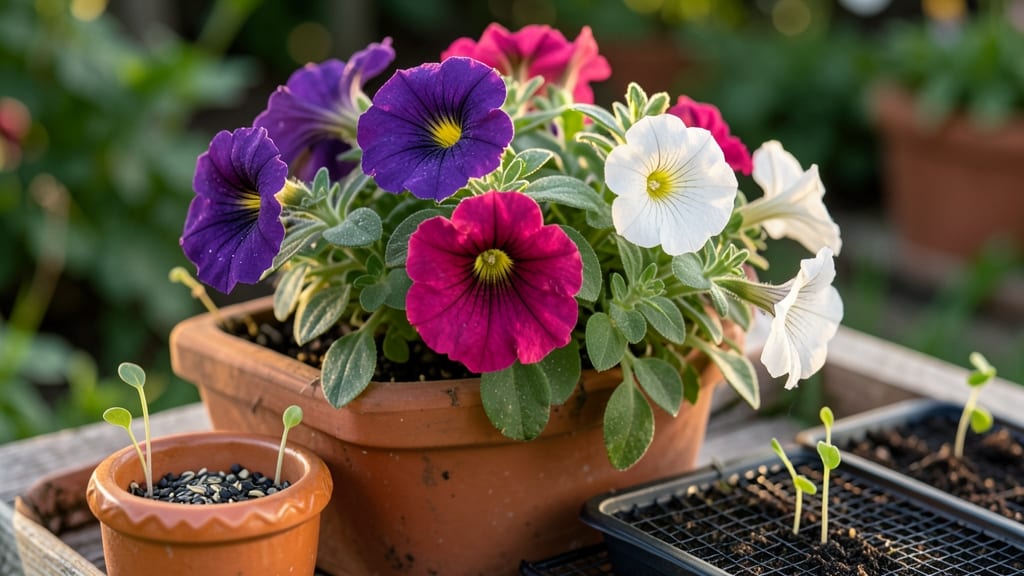
Mixed flowers in pots turn any balcony or patio into a vibrant, ever-changing garden without the upkeep of an in-ground plot.
I’ve designed dozens of these containers—some that lasted a single summer, others thriving for years—and the secret isn’t complicated: layering plants with different heights, bloom times, and care needs creates a self-sustaining display that looks fresh all season long.
The first time I saw a pot with deep purple salvia, chartreuse sweet potato vine, and white daisies spill over the edges, I knew I’d never go back to single-plant arrangements again.
You don’t need a green thumb or expensive supplies—just a few key ingredients: a sturdy container with drainage, a well-draining potting mix, and a mix of three types of plants: thrillers (tall, dramatic foliage or blooms), fillers (mid-height plants for bulk), and spillers (trailing plants that cascade over the edges).
My go-to combo uses 14-inch pots for small spaces and 20-gallon containers for bold statements, but even a 6-inch window box can work with the right scale.
The soil mix should be light and airy—think one part peat or coconut coir, one part perlite, and one part compost—to keep roots happy without waterlogging.
What you’ll end up with is a pot that blooms from spring through fall, with minimal deadheading and no bare spots. Imagine salvia’s purple spikes reaching for the sky while lobelia’s blue cascades frame the edges, and zinnia’s bright pops keep changing colors as the season progresses.
The best part? These combinations repel pests naturally—mixed plantings confuse insects, so you’ll spend less time spraying and more time admiring. Even my neighbor’s skeptical “that’ll wilt by July” comment was silenced when my pots stayed lush while his single-plant containers faded.
This approach works for any climate—swap heat-loving geraniums for cool-season pansies in Zone 5, or use evergreen ferns and hellebores for winter interest in milder areas. The key is flexibility: start with one tried-and-true combo, then tweak as you learn what thrives in your space.
Once you master the basics, you’ll be designing pots that make passersby stop and ask, “What’s in there?”—and the answer is always, “Better plants than yours.”
📚 In This Guide
- What you need
- Instructions
- Tips and common mistakes
- Wrapping up and next steps
What you need
- ● Containers: 1–3 pots (size depends on desired display; 6–12 inches in diameter for small arrangements, 14+ inches for bold statements). Choose pots with drainage holes or add a layer of pebbles if using cachepots.
- ● Potting Soil: 1–2 gallons of high-quality, well-draining potting mix (avoid garden soil—it compacts and retains too much moisture). Look for blends labeled for container gardening or flowering plants.
- ● Mixed Flowers: A variety of 3–5 different plants (per pot) with complementary colors, heights, and bloom times. Popular choices: Tall: Snapdragons, Delphiniums, or Salvia (1–2 plants per pot).
- ● Medium: Petunias, Geraniums, or Zinnias (2–3 plants per pot).
- ● Spiller: Bacopa, Lobelia, or Sweet Alyssum (3–5 plants per pot).
- ● Slow-Release Fertilizer: 1–2 tablespoons of granular fertilizer (10-10-10 or 20-20-20 ratio) mixed into the soil for a nutrient boost.
- ● Watering Can or Spray Bottle: A gentle spray nozzle helps avoid disturbing soil or flowers.
- ● Hand Trowel: For easy soil scooping and plant placement.
- ● Pruning Shears: To trim leggy stems or deadhead spent blooms.
- ● Mulch or Gravel: 1/4 inch layer on top of soil to retain moisture and add a polished look.
- ● Plant Labels: Wooden or metal tags to track varieties (especially useful for beginners!).
- ○ Decorative Elements: Optional but fun—think painted pebbles, moss, or small figurines for a whimsical touch.
- ● 🌡️ Climate Check: Verify your flower varieties’ hardiness zones and sunlight needs (e.g., full sun vs. partial shade).
- ● ✨ Color Theory: Use the 60-30-10 rule for harmony: 60% dominant color, 30% secondary, 10% accent.
- ● 💧 Watering Prep: Fill your watering can halfway to avoid oversaturating small pots.
How to create stunning mixed flower pots that thrive all season
Here’s my foolproof approach to designing vibrant, low-maintenance flower pots that keep blooming from spring through fall.
Choose the Right Containers and Drainage
Start with containers that are at least 12 inches deep—shallow pots dry out too fast and stress roots. I prefer terracotta for its breathability, but any material with drainage holes works. If your pot lacks holes, drill them yourself—two or three per container ensures excess water escapes.
Real talk: Skimping on drainage is the fastest way to kill your flowers. Roots rot when water pools, and soggy soil invites fungal diseases. Place a layer of 1-2 inches of gravel or broken pottery at the bottom before adding soil. This keeps roots lifted and prevents clogging.
Layer Soil and Fertilizer for Long-Lasting Blooms
Fill the pot halfway with a lightweight potting mix—avoid garden soil, which compacts and drains poorly. Mix in 1 tablespoon of slow-release granular fertilizer per 1 gallon of soil to feed roots steadily. This ensures your flowers get nutrients without frequent feeding.
Press the soil down gently but firmly—you want it snug enough to support stems but loose enough for roots to spread. Tap the pot lightly on the table to settle the mix evenly. The top ½ inch should feel slightly crumbly when squeezed; if it sticks together, add a little more potting mix.
Select Complementary Flowers for Height and Color
For a 4-pot arrangement, I pair one tall flower (like snapdragons or delphiniums), two mid-height blooms (such as petunias or geraniums), and one trailing plant (like sweet potato vine or lobelia). This creates visual balance—tall flowers anchor the design, mid-heights fill the middle, and trailers spill over the edges.
Here’s the thing—color matters just as much as height. Group flowers by cool tones (blues, purples) or warm tones (reds, oranges) for cohesion. Mixing too many colors can look chaotic unless you anchor it with a dominant hue. Plant the tallest flowers in the center or back, mid-heights around them, and trailers at the edges.
Plant Deeply and Water Thoroughly
Dig holes twice as wide as the root ball but only as deep as the container’s drainage layer. Gently remove each plant from its nursery pot and tease the roots apart if they’re circling. Place it in the hole so the top of the root ball sits just below the soil line—burying stems too deep suffocates new growth.
After planting, water deeply until water runs out the drainage holes. This settles the soil and eliminates air pockets around roots. Let the pot drain completely, then wait 24 hours before watering again. Overwatering at this stage can drown tender roots.
Provide Light and Maintenance for Season-Long Color
Most mixed flower pots thrive in full sun (6+ hours daily), but some varieties (like impatiens) tolerate partial shade. If your pot sits in low light, expect fewer blooms—flowers need sunlight to produce energy for vibrant colors. Rotate the pot quarter-turn weekly so all sides get even exposure.
Water when the top inch of soil feels dry—stick your finger in to check. In hot weather, this might mean daily watering, while cooler months may stretch it to every 2-3 days. Mulch the soil surface with ½ inch of decorative stones or bark to slow moisture loss and keep roots cool.
Tips & tricks for perfect mixed flower pots
Between us, these small details make the difference between a pot that thrives and one that fades after two weeks. I learned this the hard way after watching my first arrangement turn into a sad, wilted mess.
Drainage Layer Depth: The 1-2 inches of gravel or broken pottery at the bottom isn't just about drainage—it's about creating an air pocket that prevents root rot. I've seen pots with only ½ inch of gravel where water pools against the roots. Use a ruler to measure your layer precisely, especially in wider pots where you might be tempted to skimp.
Soil Texture Test: When you press that top ½ inch of soil after Step 2, it should crumble easily between your fingers. If it sticks together, you need more potting mix—not water. Overly dense soil suffocates roots and prevents proper drainage. Think of it like making a cake batter: you want it just combined, not packed down.
Color Harmony Strategy: For that cohesive look, I recommend creating a color palette before buying plants. Grab a few paint swatches or use a color wheel app to pick 3-4 dominant hues. For example, pair deep purple salvia with lavender petunias and white lobelia for a monochromatic elegance. This prevents that "haphazard garden center" look many arrangements end up with.
Watering Rhythm: The 24-hour wait after initial planting might seem excessive, but it's crucial. This period lets roots establish without drowning in moisture. Mark your calendar or set a phone reminder—consistent watering is more important than frequency. In my experience, most people overwater in the first week from excitement, then neglect later.
Pro Tips for Mixed Flowers In Pots
- Between us, these small details make the difference between a pot that thrives and one that fades after two weeks.
- Drainage Layer Depth: The 1-2 inches of gravel or broken pottery at the bottom isn't just about drainage—it's about creating an air pocket that prevents root rot.
- Soil Texture Test: When you press that top ½ inch of soil after Step 2, it should crumble easily between your fingers.
Frequently asked questions
Got questions about keeping your mixed flowers in pots thriving? You’re not alone—here are the answers to the most common ones!
What’s the best soil mix for mixed flowers in pots?
Use a well-draining potting mix blended with perlite or sand (20% ratio) to prevent root rot. For heavy feeders like petunias, add compost or worm castings (10-15%) for nutrients. Avoid garden soil—it compacts and suffocates roots! Pro tip: Sterilize soil with a 10-minute bake at 200°F to kill pests.
How often should I water mixed flowers in pots?
Check soil moisture daily in summer—water when the top 1 inch feels dry. Pots dry out faster than ground soil! In winter, reduce to once a week (or less). Morning watering prevents fungal diseases. Overwatering is the #1 killer—yellow leaves? You’re likely drowning them! Pro tip: Use a moisture meter for accuracy.
Can I mix annuals and perennials in the same pot?
Yes, but plan carefully! Pair fast-growing annuals (like marigolds) with slow perennials (like lavender) to balance space and sunlight needs. Avoid mixing water hogs (e.g., impatiens) with drought-tolerant plants (e.g., sedum). Rule of thumb: 2-3 plants per 6-inch pot, with similar care needs.
Why are my mixed flowers wilting or dropping leaves?
Wilting usually means underwatering or overwatering, while leaf drop often signals stress from pests (aphids, spider mites) or root rot. Check for:
- Yellow leaves: Overwatering or nutrient deficiency (add balanced fertilizer).
- Brown edges: Underwatering or low humidity.
- Sticky residue: Pests! Spray with neem oil or insecticidal soap.
What’s a low-maintenance alternative to mixed flowers in pots?
Try succulents (e.g., sedum, echeveria) or herbs (thyme, rosemary)—they thrive in pots with minimal water. For color, opt for self-cleaning annuals like zinnias or nasturtiums, which reseed easily. Bonus: Air plants (tillandsias) need zero soil—just mist them weekly! Pro tip: Use self-watering pots to cut maintenance in half.
Wrapping up and next steps
Transforming your space with mixed flowers in pots is easier—and more rewarding—than you think! Whether you’re a seasoned gardener or just starting out, these vibrant combinations bring year-round joy with minimal effort. The key is choosing the right plants, balancing sun and care needs, and letting nature do the rest.
Ready to dive in? Start small—pick one pot, a few favorite blooms, and experiment! Before you know it, your patio, balcony, or windowsill will be a burst of color that keeps giving. Happy planting! 🌸✨