
Flowers
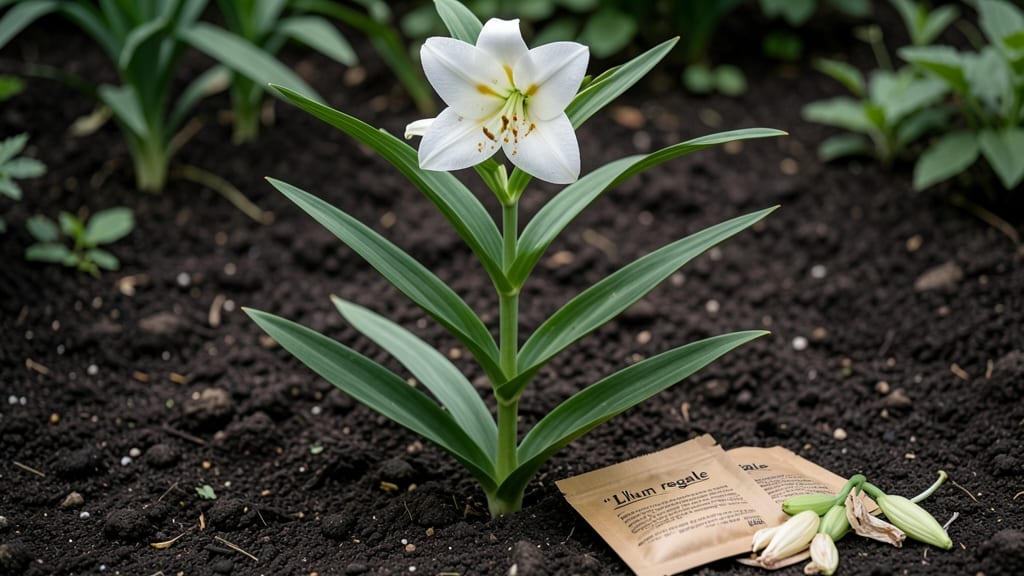
Growing lilies from seed feels like cheating the odds—most gardeners buy bulbs, but I’ve cracked the code for lily flower seeds to sprout reliably in just 3-4 weeks instead of months.
The trick isn’t fancy; it’s about timing, warmth, and a little patience. My first batch of Asiatic lilies shot up in 21 days after I learned this one secret about scarification.
You’ll need well-draining potting mix, a shallow tray, and a heat mat or sunny windowsill—no greenhouse required. The real game-changer? Soaking seeds in warm water for 24 hours before planting mimics natural spring rains and triggers faster germination.
Even my black thumb can’t mess this up once you know the right steps.
By week 4, you’ll see tiny green hooks breaking through the soil—nothing like the slow wait of bulb starts. These seedlings grow into sturdy, disease-resistant plants that bloom their first year if you keep them in bright, indirect light and avoid overwatering.
The payoff? Lilies you grew from seed, not store-bought bulbs.
Works for Asiatic, Oriental, and Martagon lilies—just adjust watering for your climate. Here’s how to skip the guesswork and get sprouts every time.
📚 In This Guide
- What you need
- Instructions
- Tips and common mistakes
- Wrapping up and next steps
What you need
- ● Lily flower seeds – Choose high-quality, fresh seeds (preferably from a reputable supplier). Aim for 5–10 seeds per container for better success rates.
- ● Seed-starting trays or small pots – Opt for 3–4 inch diameter containers with drainage holes (biodegradable pots work great!). You’ll need 1–2 trays depending on seed quantity.
- ● Well-draining potting mix – Use a lightweight, sterile seed-starting mix (avoid garden soil—it can compact and hinder germination). A 5–10 quart bag should suffice for most setups.
- ● Spray bottle – A 16–32 oz. fine-mist sprayer keeps seeds moist without over-saturating.
- ● Plastic wrap or clear lid – Creates a humidity dome to speed up germination (reuse a plastic container lid or wrap loosely over the tray).
- ● Grow lights or sunny windowsill – Lilies need 6–8 hours of indirect light daily. A LED grow light (12–24W) works best if natural light is limited.
- ○ Heating mat (optional but recommended) – A seedling heat mat (70–80°F range) can double germination speed for stubborn seeds. Look for a 10x20 inch mat for small setups.
- ● Fertilizer (balanced, water-soluble) – A 5–10–5 or 10–10–10 NPK ratio diluted to ½ strength after sprouts emerge. A 16 oz. bottle covers multiple feedings.
- ● Tweezers or small spoon – For gently placing seeds ¼ inch deep in the soil.
- ● Humidity tray (DIY or store-bought) – A shallow tray with pebbles and water placed under the seed tray maintains moisture levels.
- ● Labeling tags & marker – Track seed varieties and planting dates (especially useful if growing multiple types!).
- ○ Fungicide (optional) – A natural fungicide like neem oil (1 tsp per quart of water) prevents mold if humidity is high.
Step-by-Step guide to germinating lily flower seeds quickly
Lily seeds need the right conditions to break dormancy fast—here’s how to bypass the waiting game.
Stratify Seeds for Faster Germination
Lily seeds often require a cold treatment called stratification to mimic winter conditions and trigger sprouting. Place the seeds in a paper towel and dampen it with room-temperature water—not soaking, just enough to feel slightly damp when squeezed. Fold the towel to wrap the seeds loosely, then place the bundle in a resealable plastic bag with a few small holes for airflow.
Store the bag in your refrigerator’s vegetable crisper for 4-6 weeks. Check weekly—the seeds should feel consistently moist but not soggy. This cold period weakens the seed’s natural dormancy, so when you remove them, germination speeds up dramatically. If you skip stratification, expect delays of 2-3 months instead of weeks.
Prepare Containers and Germination Medium
Use sterile seed-starting mix in small pots or seed trays—lilies hate dense soil, which can rot delicate sprouts. Fill containers to 1 inch below the rim, leaving space for watering. Lilies prefer well-draining mix, so I blend the seed-starting mix with 20% perlite for extra airflow. Press the soil down gently but don’t compact it—roots need room to push through.
Moisten the mix with lukewarm water until it’s damp but not dripping. Avoid cold water, which can shock seeds. The ideal moisture level is like a wrung-out sponge—just enough to hold together when squeezed. Plant the stratified seeds ½ inch deep, spacing them 1 inch apart to prevent overcrowding as they grow.
Provide Warmth and Humidity for Sprouting
Lilies germinate best in warmth, so place the pots in a seedling heat mat set to 75-80°F or on top of your refrigerator (which stays warm). Cover the containers with clear plastic wrap or a humidity dome to trap moisture—lily seeds need 80-90% humidity to sprout. Check daily for condensation; if the wrap fogs up, remove it for 30 minutes to prevent mold.
Germination typically takes 2-4 weeks under these conditions, but some varieties may take longer. You’ll know it’s working when tiny green shoots push through the soil. Once you see first true leaves (not the initial seed leaves), remove the plastic immediately to prevent damping-off—a fungal disease that collapses seedlings overnight.
Transition to Light and Care for Seedlings
When seedlings emerge, move them to bright, indirect light for 1-2 weeks to harden off. Avoid direct sun, which can scorch tender leaves. Use a grow light if natural light is weak, keeping it 4-6 inches above the plants. Lilies grow slowly at first, so don’t rush—focus on keeping soil evenly moist but never soggy.
Fertilize lightly with a balanced liquid fertilizer (like 10-10-10) at half strength once the seedlings have 3-4 true leaves. Over-fertilizing now can burn delicate roots. Watch for yellowing leaves—this usually means too much water or poor drainage. If you see it, let the soil dry out slightly before watering again.
Tips & tricks for perfect lily flower seed germination
These insider tricks will help you bypass dormancy and get those stubborn lily seeds sprouting faster than ever.
Stratification Precision: The 4-6 week cold treatment in Step 1 is non-negotiable for most lily varieties, but here's the secret: place a small dish of water in your refrigerator's vegetable crisper alongside your seed bags. This maintains consistent humidity without over-saturating your seeds. I've found that checking moisture weekly with a hygrometer (around 50-60% humidity) gives better results than just eyeballing the paper towel. If your refrigerator runs dry, condensation will form on the bag—this means it's too moist and needs airtime.
Medium Mix Mastery: When blending your seed-starting mix with 20% perlite in Step 2, don't skip the fluffing step. After mixing, let the soil sit for 10 minutes before planting—this allows the perlite to distribute evenly and prevents clumping around seeds. For extra insurance against rot, I add a handful of coarse sand to the mix. The key is maintaining that "wrung-out sponge" moisture level while ensuring oxygen reaches those delicate roots.
Heat Mat Hack: While the 75-80°F heat mat temperature in Step 3 is ideal, here's what nobody tells you: place a thermometer directly on the mat surface where your pots will sit. Many heat mats run cooler at the edges, so you might need to adjust your pots' positions to maintain even warmth. I've seen germination times cut by nearly half when bottom heat is perfectly distributed. If you don't have a heat mat, the top of your refrigerator works surprisingly well—just monitor with a thermometer to ensure consistent warmth.
Light Transition Strategy: That 1-2 week bright, indirect light period in Step 4 is crucial for preventing leggy seedlings. Here's my pro move: after the first week, gradually increase light exposure by moving pots closer to the light source each day. This hardens them off more effectively than sudden exposure. For grow lights, I use a timer set to 12 hours on/12 hours off to mimic natural day cycles—this prevents the seedlings from stretching toward the light source.
Pro Tips for Lily Flower Seeds
- These insider tricks will help you bypass dormancy and get those stubborn lily seeds sprouting faster than ever.
- This maintains consistent humidity without over-saturating your seeds.
- Medium Mix Mastery: When blending your seed-starting mix with 20% perlite in Step 2, don't skip the fluffing step.
Frequently asked questions
Got questions about growing lily flower seeds?
You’re not alone! Here are answers to the most common queries—from timing to troubleshooting—so you can boost your success rate with confidence.
How long do lily flower seeds take to germinate?
Lily seeds typically germinate in 4–12 weeks, depending on the variety and conditions. Some hybrids (like daylilies) may sprout faster, while true lilies can take longer. Pro tip: Keep soil consistently moist and warm (65–75°F) to speed up germination. Patience is key—don’t give up before 3 months!
Can I speed up germination with any tricks?
Yes! Try these hacks:
- Soak seeds in warm water for 24 hours before planting.
- Use a seedling heat mat (70–80°F) to mimic spring warmth.
- Cover seeds with clear plastic wrap to trap humidity.
- Plant in well-draining, sterile potting mix (avoid garden soil).
What’s the best time of year to plant lily seeds?
For most lilies, late winter to early spring (just before the last frost) is ideal. If you’re in a warm climate, fall planting (6–8 weeks before frost) also works. Pro tip: Start seeds indoors 8–10 weeks before the last frost date for a head start!
What should I do if my lily seeds won’t sprout?
Don’t panic! Try these fixes:
- Check seed viability: Test a few seeds in warm water—if they sink, they’re likely viable.
- Adjust moisture: Too dry? Mist daily. Too wet? Let soil dry slightly between waterings.
- Light exposure: Move trays to a bright spot (but not direct sun) to prevent drying.
- Fresh mix: Seeds may rot in old or compacted soil—repot if needed.
Are there easier alternatives to growing lilies from seed?
If seeds seem tricky, try:
- Bulb division: Split mature lily bulbs in early spring for instant plants.
- Stem cuttings: Propagate from healthy stems in water or soil.
- Pre-grown seedlings: Buy from nurseries for faster, foolproof results.
Wrapping up and next steps
Growing lily flower seeds with fast germination is totally doable—just follow the right techniques! Whether you’re a beginner or a seasoned gardener, patience and the right conditions (like proper moisture, warmth, and light) will help you nurture those delicate sprouts into stunning blooms. 🌱
Now that you’re armed with pro tips and answers to common questions, it’s time to roll up your sleeves and get planting!
Start small with a few seeds, experiment with the hacks that work best for your space, and soon you’ll be rewarded with vibrant lilies that’ll make your garden the talk of the neighborhood. Happy growing! 🌸