
Flowers
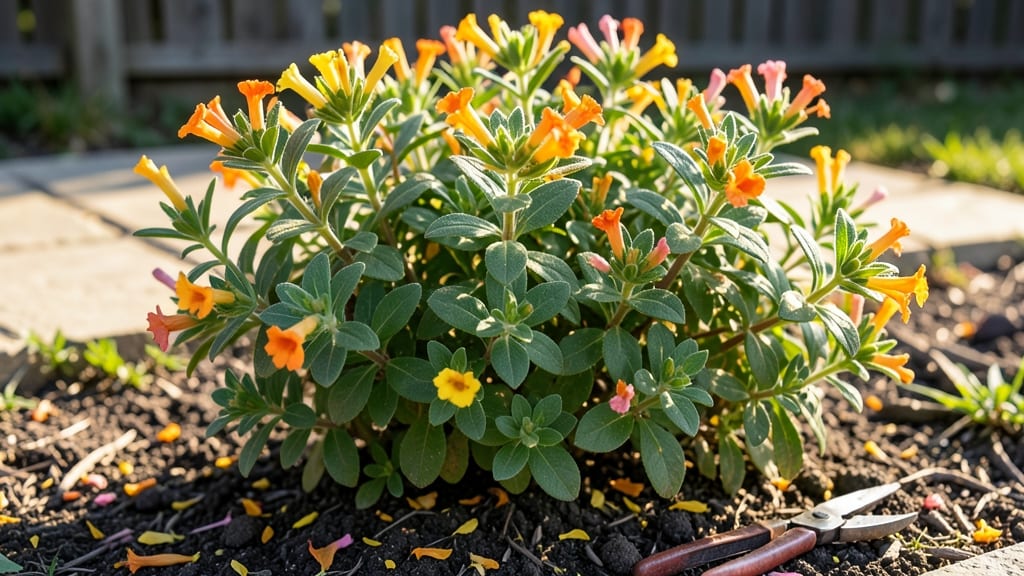
The lantana flower—whether annual or perennial—depends entirely on your climate, since this vibrant shrub bursts into bloom in warmth but wilts under frost. 🌿 In zones 8-11, it thrives. year-round, returning bigger and bushier each season, while gardeners in zones 7 and below treat it as an annual (or bring it indoors).
The secret to keeping lantana alive through winters isn’t complicated: prune it back hard in fall, dig up containers, or mulch heavily to protect roots. Even in colder zones, a little prep turns this "annual" into a repeat performer—just like my lantana that’s now a 5-year-old stunner on my patio.
With minimal care, you’ll get those cheerful clusters of yellow, pink, or purple blooms back every year.
Once established, lantana practically grows itself—drought-tolerant, pest-resistant, and happy in full sun. You’ll spend more time admiring its nonstop blooms than fussing over it, and that’s the beauty of this plant. The only real work comes in early spring when you trim it back to encourage fresh growth.
Whether you’re in a frost-free zone or a place where winter means moving it inside, lantana rewards patience with bold color from spring to frost. The key is knowing your climate and adjusting your approach—no fancy tricks required.
📚 In This Guide
- What you need
- Instructions
- Tips and common mistakes
- Wrapping up and next steps
What you need
- ● Lantana plants: 6-12 healthy nursery-grown Lantana camara plants (choose varieties like 'New Gold,' 'Miss Huff,' or 'Bandana Series' for color diversity)
- ○ Optional: Seeds (if starting from scratch—requires more patience!)
- ● Soil: Well-draining potting mix (5-10 gallons, depending on pot size) or native soil amended with compost (1 part compost to 3 parts soil)
- ○ Optional: Perlite or sand (10-20% mix) for extra drainage in heavy clay soils
- ● Containers (if not planting in-ground): 5-7 gallon fabric or terracotta pots (lantanas thrive in slightly root-bound conditions)
- ● Drainage trays (1 per pot to catch excess water)
- ● Fertilizer: Balanced slow-release granular fertilizer (10-10-10 or 20-20-20, 1-2 tbsp per plant)
- ○ Optional: Liquid seaweed fertilizer (diluted to 1:10 ratio for a growth boost)
- ● Watering tools: Watering can or hose with a gentle spray nozzle
- ○ Optional: Drip irrigation kit (for automated care)
- ● Pruning tools: Sharp bypass pruners (for shaping and deadheading)
- ● Hand pruners (for smaller stems)
- ● Sunlight: Full sun (6+ hours daily)—lantanas love basking!
- ● Climate: USDA Zones 8-11 (perennial); Zones 3-7 (treat as annual or overwinter indoors)
- ○ Optional: Greenhouse or cold frame for overwintering in colder zones
- ● Patience: 4-6 weeks for seeds to germinate (if starting from scratch)
- ● Knowledge: Basic pruning skills to encourage bushier growth and blooms
How to grow lantana for season-long blooms
Here's the simple approach I've used to keep lantana flowering nonstop—even in tough climates.
🌱 Step 1: Choose the Right Location and Soil
Lantana thrives in full sun—at least 6-8 hours daily—so pick the sunniest spot in your yard. If you're in a hot, dry climate, afternoon shade helps prevent leaf scorch, but morning sun is non-negotiable. The soil should drain well because lantana roots rot easily in soggy conditions.
Amend heavy clay with 2-3 inches of coarse sand or perlite to improve drainage. I like to work in a handful of compost too—just enough to feed the roots without making the soil too rich. Lantana grows best in slightly acidic to neutral soil (pH 6.0-7.5), so test your soil if your area is particularly alkaline.
☀️ Step 2: Plant at the Right Time and Spacing
Plant lantana in early spring after the last frost date in your zone. If you're in a warm climate, you can plant in fall or even winter—lantana handles heat better than cold. Space plants 2-3 feet apart for shrub varieties or 1-2 feet apart for trailing types. Crowding leads to leggy growth and fewer flowers.
Dig a hole twice as wide as the root ball but no deeper. Loosen the roots gently if they're pot-bound, then place the plant so the top of the root ball sits level with the soil surface. Backfill with native soil and water deeply to settle everything. Mulch with 2-3 inches of organic mulch (like pine straw or shredded bark) to retain moisture and suppress weeds.
💧 Step 3: Water and Fertilize for Continuous Blooms
Water lantana deeply once a week during the first growing season to encourage deep root growth. Once established, it's drought-tolerant—water only when the top 2 inches of soil feel dry. Overwatering is the fastest way to kill lantana, so let the soil dry between waterings. You'll know it's thirsty when the leaves start to wilt slightly in the afternoon.
Feed with a balanced, slow-release fertilizer (10-10-10) in early spring and again in mid-summer. I avoid high-nitrogen fertilizers—they promote leafy growth at the expense of flowers. A light application of granular bloom booster in late spring can trigger extra flowering. Stop fertilizing in late summer to let the plant prepare for winter.
✂️ Step 4: Prune for Shape and More Flowers
Prune lantana twice a year—once in early spring to shape the plant and again in mid-summer to encourage a second flush of blooms. Cut back one-third of the oldest stems in spring to promote new growth. In summer, trim back any leggy or overgrown branches by half their length. This keeps the plant compact and flowering heavily.
Deadhead spent blooms regularly to encourage more flowers, but don’t worry about it too much—lantana blooms so prolifically that deadheading isn’t always necessary. If you notice yellowing leaves, prune those branches back to healthy green growth. Lantana is tough and rebounds quickly, so don’t fear the pruners!
Tips & tricks for perfect lantana blooms
Here's what nobody tells you about keeping lantana flowering like clockwork—these are the tricks I've picked up after years of growing it in different climates.
Sunlight Secret: While lantana loves those 6-8 hours of daily sun, I've found that in extremely hot climates, providing afternoon shade actually makes the flowers last longer. The leaves won't scorch as quickly, and you'll get more consistent blooms throughout the season. Try placing it where it gets morning sun and afternoon shade if you notice leaf burn.
Soil Strategy: That 2-3 inches of sand or perlite isn't just about drainage—it's about creating air pockets around the roots. I've seen lantana plants with perfect soil pH still fail because of poor drainage. If you're in an area with heavy clay, consider building a raised bed for your lantana to give it the best possible start. The roots will thank you with more vibrant blooms.
Watering Wisdom: The "water only when top 2 inches are dry" rule works, but I've learned to pay attention to the plant's natural rhythm. In my experience, lantana actually prefers slightly drier conditions than many other plants. Let the soil dry out completely between waterings, especially once established. You'll know it's ready when the leaves start to wilt slightly in the afternoon—this is normal and actually encourages more flowers.
Pruning Payoff: When you're cutting back those one-third of oldest stems in spring, don't just grab any branches. Look for the thickest, most woody stems—they'll produce the most vigorous new growth. In summer, when you trim back leggy branches by half, you're not just shaping the plant—you're triggering a second flush of blooms. This is how I get my lantana to flower continuously from spring through fall.
Pro Tips for Lantana Flower Annual Or Perennial
- Here's what nobody tells you about keeping lantana flowering like clockwork—these are the tricks I've picked up after years of growing it in different climates.
- Sunlight Secret: While lantana loves those 6-8 hours of daily sun, I've found that in extremely hot climates, providing afternoon shade actually makes the flowers last longer.
- Soil Strategy: That 2-3 inches of sand or perlite isn't just about drainage—it's about creating air pockets around the roots.
Frequently asked questions
about whether the lantana flower is annual or perennial—and how to care for it—can save you time and frustration. Here are answers to the most common queries from gardeners just like you!Is lantana a perennial or annual plant?
Lantana is perennial in warm climates (USDA Zones 8-11) but often grown as an annual in colder regions. In frost-prone areas, it dies back in winter but can be replanted each spring. If you love its vibrant blooms, consider overwintering it indoors or in a greenhouse!
Can lantana survive winter in cold climates?
No, lantana is not frost-tolerant—it’ll die if temperatures drop below 25°F (-4°C). To extend its life, cut back stems before frost and replant in spring. Alternatively, grow it in containers and move them indoors or to a sheltered spot during winter.
How do I keep lantana blooming all season?
Prune regularly to encourage new growth and flowers! Deadhead spent blooms and trim leggy stems in early spring. Lantana thrives in full sun (6+ hours/day) and well-draining soil. Fertilize lightly with a balanced, water-soluble fertilizer every 4-6 weeks for best results.
Are there any downsides to growing lantana?
Lantana is invasive in some areas (e.g., Florida, Hawaii) and can spread aggressively. It also attracts bees—great for pollinators, but be cautious if you or someone in your home has allergies. Always check local regulations before planting!
What are some low-maintenance alternatives to lantana?
If you love lantana’s easy-care, colorful blooms, try these perennials for warm climates:
- Salvia – Drought-tolerant with long-lasting flowers
- Zinnias – Annual but self-seeds easily (great for pollinators!)
- Verbena – Heat-loving and low-maintenance
- Portulaca (Moss Rose) – Thrives in poor soil and full sun
Wrapping up and next steps
So, is the lantana flower annual or perennial? The answer is clear—it thrives as a perennial in warm climates, gifting you vibrant blooms year after year with minimal fuss!
Whether you’re a seasoned gardener or just starting, its hardiness and low-maintenance charm make it a fantastic choice for adding color to your space. 🌸
Ready to bring some sunshine to your garden? Start planting today and enjoy the beauty of lantanas blooming effortlessly—your outdoor oasis will thank you! 🌿