
Flowers
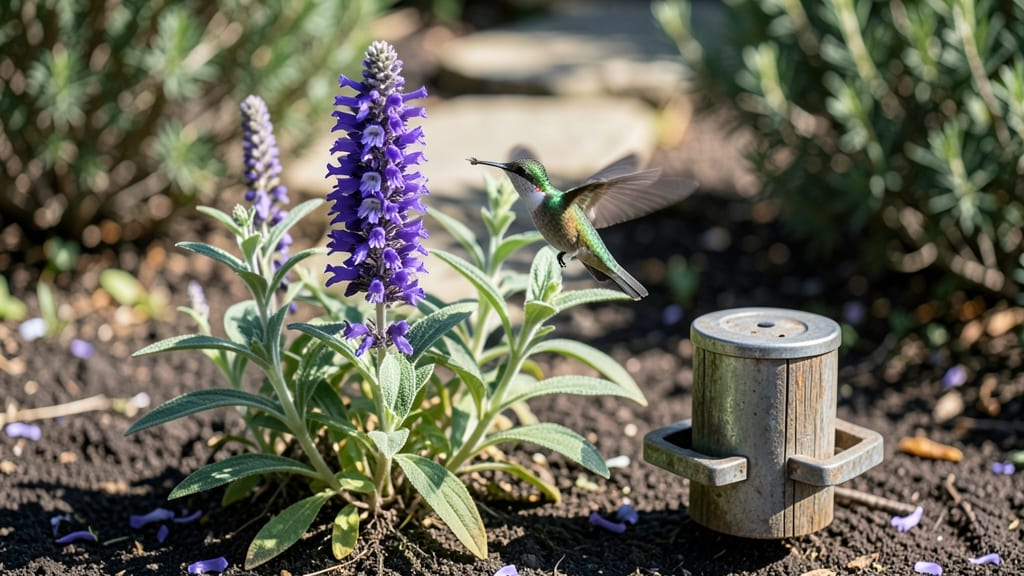
Transforming your garden into a hummingbird flower attraction begins with the right blooms—bright reds, tubular shapes, and endless nectar. 🌸 I’ve watched these iridescent visitors turn my quiet corner into a buzzing, jewel-toned spectacle, and it only takes a few key... plants to make it happen.
The trick isn’t just picking pretty blooms; it’s choosing varieties that hummingbirds crave—like bee balm, salvia, or trumpet vine—while timing your plantings to keep the buffet open from spring to frost.
The best hummingbird gardens blend vertical interest with easy access. Tall spikes of cardinal flower or columbine let birds hover effortlessly, while trailing nasturtiums or fuchsia add cascading nectar sources they can’t resist.
A shallow water feature—even a saucer with pebbles and fresh water—turns your yard into a stopover point during migration. I’ve seen ruby-throated hummingbirds return year after year to my setup, and the payoff isn’t just the show—it’s the pollination boost for your entire garden.
What you’ll end up with is a garden that hums with life, where every visit feels like a private performance. The air vibrates with wings, the flowers stay vibrant longer, and you’ll notice other pollinators—bees, butterflies—flocking in too.
The secret? Plant in clusters, avoid pesticides, and refresh blooms before they fade. By summer’s end, your neighbors will be asking for your recipe—and you’ll have the satisfaction of knowing you’ve created a tiny ecosystem that thrives.
This works in containers or full beds, urban balconies or rural acres. The only rule? Start small, observe what the hummingbirds love, and expand next season. Let’s get your garden ready for its first visitor—because once they find you, they’ll never leave.
📚 In This Guide
- What you need
- Instructions
- Tips and common mistakes
- Wrapping up and next steps
What you need
- ● Nectar-rich flowers: 5–10 plants (or more for larger gardens) of hummingbird favorites like Salvia, Bee Balm, Fuchsia, or Trumpet Vine (native varieties preferred).
- ● Hummingbird feeders: 1–2 glass or plastic feeders (4:1 sugar-water ratio, no artificial sweeteners).
- ● Sugar: 1 cup white granulated sugar (for 4 cups of water).
- ● Water: Filtered or boiled (to kill bacteria).
- ● Pruners: Sharp, clean pair for trimming dead blooms.
- ● Potting soil: Well-draining mix (if planting new flowers).
- ● Red feeder accessories (hummingbirds are drawn to red!)
- ● Perches or stakes for feeders (for safety).
- ● Native plants list (check local wildlife guides for best regional picks).
- ● Ant moat (to keep ants out of feeders—use petroleum jelly on the feeder rim!).
Step-by-Step guide for creating a hummingbird-friendly garden
Here's how I transform any space into a buzzing, nectar-filled paradise these tiny birds can't resist.
🌱 Step 1: Select the Right Nectar-Rich Annuals and Perennials
Choose plants with red, orange, or tubular flowers—hummingbirds' favorite colors and shapes. I always include bee balm, cardinal flower, and trumpet vine for their high nectar production. These species bloom for 6-8 weeks and attract birds from May through September. Plant 3-5 of each variety to ensure continuous blooms as some fade.
Look for plants labeled "hummingbird magnet" or "nectar-rich" on seed packets. Avoid double-flowered varieties—they often lack accessible nectar. For instant impact, I mix annuals like salvia and fuchsia with perennials like columbine and penstemon to create layered blooms throughout the season.
☀️ Step 2: Position Plants for Maximum Sunlight and Visibility
Hummingbirds need full sun exposure (6+ hours daily) to spot flowers easily. Place your nectar plants near sheltered feeding spots like trellises or dense shrubs. I position tall varieties (like bee balm) at the back and shorter blooms (like fuchsia) in front to create visual depth that guides birds into your garden.
Add a few flat rocks or perches at varying heights—hummingbirds use these to rest between feeding bouts. Avoid placing feeders or flowers near predator hotspots like dense thickets where cats might lurk. The goal is open visibility while providing quick escape routes through your planting arrangement.
💧 Step 3: Maintain Consistent Blooms Through Deadheading and Watering
Deadhead spent blooms weekly to encourage new flower production. I pinch off faded blossoms with my fingers—no need for pruners—while inspecting for aphids or spider mites, which can deter hummingbirds. Keep soil evenly moist (but not soggy) by watering deeply 2-3 times per week during dry spells. Drought-stressed plants produce less nectar.
For perennial varieties, I lightly prune back leggy growth in early spring to promote bushier, more productive plants. This also prevents mold growth at the base of stems, which can spread to flowers. The key is balancing hydration—hummingbirds prefer plants that are thirsty but not waterlogged.
✂️ Step 4: Add Supplemental Feeders for Peak Season Activity
While flowers provide natural nectar, supplemental feeders ensure birds visit even when blooms are scarce. I use 4:1 sugar-water ratio (4 parts water to 1 part white granulated sugar) and avoid honey or artificial sweeteners—they can harm birds. Place feeders 10-15 feet from dense foliage so birds have clear flight paths and can spot predators easily.
Clean feeders weekly with hot water and vinegar to prevent mold growth. Replace nectar every 3-5 days during warm weather to prevent fermentation. Position feeders near brightly colored flowers so birds associate your garden with food. You'll see increased activity within 24 hours—watch for the telltale zigzag flight patterns as they approach.
🪴 Step 5: Create Year-Round Interest with Strategic Planting
Extend the feeding season by planting early bloomers like crocus and winter aconite in fall, and late-season varieties like goldenrod and asters in late summer. I also include evergreen shrubs like boxwood or holly to provide winter shelter and early spring perches. This creates a continuous food source that keeps hummingbirds returning year after year.
Add native plants to your mix—they've evolved alongside local hummingbird species and produce perfectly adapted nectar. For example, red columbine blooms early spring while jewelweed provides late summer nectar. The diversity ensures something is always in bloom, even during transitional months when other gardens go dormant.
Tips & tricks for hummingbird flower attraction
Creating a hummingbird haven requires more than just planting flowers—it's about crafting an ecosystem these tiny dynamos will adore. Here's what I've learned from years of watching them visit my garden.
Plant Diversity is Key: While Step 1 highlights the essentials like bee balm and trumpet vine, I've found that adding 3-5 different varieties of tubular flowers creates a banquet effect. Hummingbirds follow nectar trails, so the more options you provide, the longer they'll linger. For example, I always include salvia for its long bloom season and fuchsia for its vibrant color contrast. The goal is to have something in bloom from early spring through late fall—think of it as creating a floral buffet that never closes.
Sunlight Strategy Matters: The 6+ hours of full sun requirement in Step 2 isn't just about plant health—it's about visibility. Hummingbirds spot flowers from a distance, so positioning is critical. I create "flight lanes" by placing taller plants behind shorter ones, which guides their approach. For instance, I'll put cardinal flower at the back of a border and columbine in front. This layered approach also prevents flowers from being shaded by their own foliage, which reduces nectar production. Remember, these birds have incredible vision—they can see red flowers from up to 15 feet away!
Deadheading with Purpose: The weekly deadheading in Step 3 does more than encourage new blooms—it's a health check for your plants. When I pinch off spent flowers, I'm also inspecting for pests like aphids, which can deter hummingbirds. I've noticed that plants with fewer pests produce more nectar, likely because the energy isn't diverted to fighting off insects. For perennial varieties, I make it a habit to prune back leggy growth in early spring, which promotes bushier plants that produce more flowers—and therefore more nectar—for the hummingbirds.
Feeder Placement Psychology: The 10-15 feet distance from dense foliage in Step 4 isn't arbitrary—it's about safety and visibility. Hummingbirds need clear flight paths to approach feeders without feeling vulnerable. I've found that placing feeders near bright red or orange flowers creates a visual anchor that helps them locate the food source more quickly. Also, positioning feeders at varying heights (some on poles, some on hooks) caters to different bird sizes and flight patterns. This simple adjustment can triple your feeder activity within days!
Pro Tips for Hummingbird Flower Attraction
- Creating a hummingbird haven requires more than just planting flowers—it's about crafting an ecosystem these tiny dynamos will adore.
- Plant Diversity is Key: While Step 1 highlights the essentials like bee balm and trumpet vine, I've found that adding 3-5 different varieties of tubular flowers creates a banquet effect.
- Sunlight Strategy Matters: The 6+ hours of full sun requirement in Step 2 isn't just about plant health—it's about visibility.
Frequently asked questions
Got questions about attracting hummingbirds with flowers? You’re not alone! Here are answers to the most common queries—so you can create a buzzing, bird-friendly garden with confidence.
What are the best flowers for attracting hummingbirds year-round?
While trumpet honeysuckle and bee balm are top picks, focus on native species like red columbine (spring) and salvia (summer/fall). Non-native options like fuchsia and pentas also work well. Pro tip: Choose tubular, red-orange, or pink blooms—hummingbirds adore them!
When is the best time to plant flowers for hummingbird attraction?
Plant perennials in early spring or fall (after the last frost) for established roots before summer blooms. Annuals can go in late spring once soil warms. Fast growers like cleome or cardinal flower may need a head start indoors if your zone has a short season. Timing hack: Stagger plantings for continuous nectar from May to October!
How often should I water hummingbird flowers to keep them blooming?
Newly planted flowers need 1–1.5 inches of water weekly (more in droughts). Once established, most thrive on rainwater alone, but deep water 1–2x/week during dry spells. Morning watering prevents fungal issues. Drip irrigation near roots is ideal—hummingbirds love hydrated blooms!
Can I use artificial nectar if hummingbirds aren’t visiting my flowers?
Yes! Mix 1 part sugar (white or raw) to 4 parts water (boil & cool to prevent mold). Avoid honey, artificial sweeteners, or red dye—they’re harmful. Place feeders in shady spots and clean them every 3–5 days. Warning: Feeders should supplement, not replace, real flowers—hummingbirds need pollen and insects too!
Why aren’t hummingbirds visiting my garden even with the right flowers?
Check these fixes:
- Location: Plant near shelter (trees/shrubs) and 10+ feet from feeders to avoid stress.
- Pesticides: Skip them—hummingbirds eat pests! Use neem oil instead.
- Timing: Blooms must be open daily (some close at night).
- Predators: Cats or sparrows? Add dense foliage for cover.
Wrapping up and next steps
Attracting hummingbirds to your garden is easier than you think—just plant the right nectar-rich blooms and create a welcoming space! 🌸 From vibrant red salvias to fragrant bee balms, these flowers aren’t just beautiful; they’re nature’s way of fueling tiny, energetic visitors all season.
With a few strategic choices and simple care, you’ll turn your yard into a hummingbird hotspot in no time.
Ready to get started? Pick 2-3 flowers from our list, add a shallow water source, and watch your garden come alive with fluttering wings. Your next step? Grab some seeds, plant with confidence, and enjoy the show! 🦋