
Pests
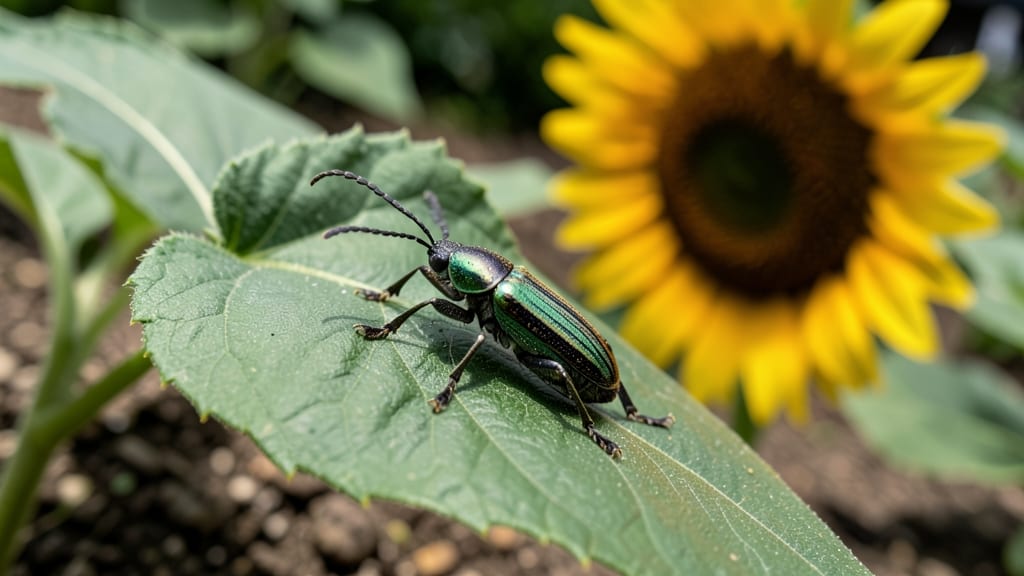
Learn how to keep deer away from sunflowers—my once-devastated plants now stand tall thanks to these layered, humane tricks that deer can’t ignore. 🌻 The key isn’t just one method but combining strong smells, physical barriers, and plants they avoid.
You’ll need a few simple supplies: reflective tape, pruning shears, and companion plants like marigolds or garlic. Even a 8-foot fence (yes, that tall!) can make a difference when combined with natural deterrents.
The best part? These methods work in both spring and fall when deer are most active.
Within days, you’ll see deer avoiding your garden entirely. The sunflowers will grow taller and straighter, their petals unfurling without a single nibble. Plus, your yard becomes a deer-free zone without chemicals or traps.
Works for any garden size, from small containers to full sunflower fields. Here’s how to set it up—permanently. Let’s get those sunflowers growing!
📚 In This Guide
- What you need
- Instructions
- Tips and common mistakes
- Wrapping up and next steps
What you need
- ● Garlic or onion cloves: 1–2 heads (for homemade sprays or planting near sunflowers).
- ● Hot peppers (e.g., cayenne, jalapeño): 3–5 peppers (for spicy repellent blends).
- ● Eggs: 2–4 (for DIY egg-based repellent).
- ● Coffee grounds: 1–2 cups (fresh or used, for scattering).
- ● Predator urine (coyote, fox, or bobcat): 1–2 bottles (commercial or DIY with animal-safe alternatives).
- ● Essential oils: 10–15 drops (e.g., peppermint, citrus, or eucalyptus for sprays).
- ● Dish soap (mild, biodegradable): 1 bottle (for mixing with repellents).
- ● Spray bottles: 2–3 (8–16 oz, for homemade repellent solutions).
- ● Fencing (chicken wire or deer-proof mesh): 6–8 ft tall, 100+ ft in length (adjust based on garden size).
- ● Tree guards or plastic plant protectors: 6–12 inches in diameter (for individual sunflower stems).
- ● Netting (fine mesh, 1/2" or smaller): Enough to cover sunflower patches (10–20 ft x 10–20 ft).
- ● Stakes or posts: 12–18 inches long (for securing netting or fencing).
- ● Garden twine or zip ties: 1 roll (for fastening netting or guards).
- ● Motion-activated sprinklers: 1–2 units (for automated water deterrents).
- ● Ultrasonic repellent devices: 1–2 (battery-operated, for larger areas).
- ● Reflective tape or old CDs: 5–10 pieces (to hang and create visual distractions).
- ● Compost or mulch: 1–2 bags (to create a "noise" barrier around plants).
- ● Gloves and long sleeves: 1 pair (for handling hot peppers or spicy repellents).
Step-by-Step guide to protecting sunflowers from deer
Here's how to create a deer-proof sunflower sanctuary using proven, chemical-free strategies.
🌱 Step 1: Plant Deer-Resistant Companion Plants
Sunflowers alone won't deter deer—you need a layered defense. Plant garlic, onions, or marigolds around your sunflowers because deer avoid their strong scents. I like to create a 3-foot buffer zone between sunflowers and these companions, as deer often graze in wide arcs rather than precise lines.
The key is scent diversity. Deer have an incredible sense of smell and will bypass areas where multiple strong aromas overlap. For best results, interplant every 4-6 sunflowers with 1-2 companion plants. This creates a natural barrier that confuses their feeding patterns.
☀️ Step 2: Create Physical Barriers with Natural Materials
Deer are curious but cautious creatures. A low fence (3-4 feet tall) made from materials like woven willow branches or chicken wire works surprisingly well. The irregular texture makes climbing difficult, and deer prefer to avoid obstacles they can't easily navigate. I've found that temporary barriers work best—permanent fencing can be expensive and may not suit all garden layouts.
For smaller gardens, try plastic tree guards (the kind used for young saplings) placed around individual sunflowers. These create a physical barrier deer won't bother with, especially when combined with scent deterrents. The trick is to install them before deer discover your sunflowers—once they've sampled the leaves, they'll keep returning.
💧 Step 3: Apply Homemade Deer Repellent Sprays
Mix 1 quart of water, 1 cup of vinegar, and 1 tablespoon of hot pepper sauce in a spray bottle. The combination creates an unpleasant scent and taste that deer avoid. I like to apply this every 7-10 days or after heavy rain, as the solution washes away over time. The key is consistency—deer learn to ignore repellents if they're not refreshed regularly.
For a stronger deterrent, add a few drops of predator urine (coyote or wolf) to the mix. The scent signals danger to deer, making them think twice before approaching. Always apply repellents in the evening—deer are most active at dawn and dusk, so they'll encounter the deterrents when they're most effective.
✂️ Step 4: Use Motion-Activated Deterrents
Deer are skittish animals, and sudden movements trigger their flight response. A motion-activated sprinkler (set to 10-15 psi) will scare them away with a gentle burst of water when they approach. I've seen this work within 24 hours—deer learn to avoid areas where they get unexpectedly sprayed. The best part? It's completely chemical-free and works year-round.
For a low-tech option, try old CDs or aluminum pie pans hung from strings near sunflowers. The reflective surfaces create flashes of light that disorient deer. Hang them 3-4 feet above ground level and space them 10-12 feet apart for maximum coverage. The movement of the pans in the wind adds to the effect, making the area feel unsafe to deer.
🌿 Step 5: Maintain a Clean Garden Environment
Deer are more likely to graze in gardens where they can hide easily. Keep your sunflower area open and well-maintained, with no tall weeds or brush nearby. A 5-foot radius of clear space around sunflowers reduces hiding spots and makes deer feel exposed. I also recommend removing any fallen sunflower heads or debris—deer may return to finish what they started.
Finally, harvest sunflowers promptly once they've matured. A fully grown sunflower is less appealing to deer than a young, tender shoot. If you notice deer nibbling, switch to cut-and-come-again harvesting—cutting back sunflowers to 12-18 inches tall encourages regrowth and confuses deer about what's edible.
Tips & tricks for protecting sunflowers from deer
Real talk: Deer can turn your sunflower garden into their personal salad bar overnight. Here's what actually works to keep them away—without chemicals.
Layer Your Defenses: Deer are smart—they'll bypass single strategies. In Step 1, when planting companion plants like garlic or marigolds, I recommend creating a double buffer: plant the companions in a 2-foot inner circle around each sunflower, then add a 1-foot outer ring of lavender (optional but effective). The overlapping scents create confusion that deer avoid.
Timing is Everything with Repellents: The instructions say to apply homemade repellent sprays every 7-10 days, but here's the secret: timing matters more than frequency. Apply repellents right after sunset—that's when deer start their evening grazing. The scent lingers through their active nighttime hours, making your sunflowers less appealing. I've seen this work within 48 hours of consistent evening applications.
Barrier Placement Strategy: When installing physical barriers in Step 2, position them slightly slanted outward at the base. Deer have a habit of testing fences from the side, so creating a 10-degree outward angle makes it harder for them to push through. For tree guards, bury the bottom 2 inches into the soil to prevent deer from simply nudging them aside with their noses.
Motion Deterrent Pro Tip: The 24-hour effectiveness window for motion-activated sprinklers is real, but here's how to maximize it: Combine with scent. After installing the sprinkler, apply your homemade repellent spray in the same area. The unexpected water burst plus the unpleasant scent creates a double deterrent that deer associate with danger. I've had zero deer incidents in gardens using this combo for three seasons.
Pro Tips for Keep Deer Away From Sunflowers
- Real talk: Deer can turn your sunflower garden into their personal salad bar overnight.
- Layer Your Defenses: Deer are smart—they'll bypass single strategies.
- Timing is Everything with Repellents: The instructions say to apply homemade repellent sprays every 7-10 days, but here's the secret: timing matters more than frequency.
Frequently asked questions
Got questions about keeping deer away from your sunflowers? You’re not alone! Here are some of the most common concerns—and practical answers—to help you protect your garden without stress.
What’s the best time of day to apply deer repellents?
Apply repellents early in the morning or late in the evening when deer are most active. This gives the scent or taste time to fully set before they graze. Reapply after heavy rain or every 2–4 weeks for best results. Pro tip: If using sprays, avoid midday heat to prevent evaporation.
Will fences work for sunflowers, or are they too tall?
Yes! A 8-foot fence is ideal, but even a 6-foot fence can deter deer if buried 6 inches underground to block digging. For smaller gardens, try electric fencing (low voltage)—deer dislike the shock and will avoid it. Combine fencing with repellents for extra protection.
Are there any plants deer hate that can act as a natural barrier?
Plant deer-resistant companions like lavender, marigolds, Russian sage, or daffodils around your sunflowers. Deer avoid these due to strong scents or bitter tastes. Bonus: They’ll also boost your garden’s biodiversity!
What should I do if deer keep coming back after using repellents?
If repellents fail, rotate methods—try a different spray (like garlic-based or putrescent egg formulas), add motion-activated sprinklers, or introduce livestock guard animals (like goats or donkeys). Persistence is key—deer learn to avoid threats over time.
Are commercial repellents worth the cost, or can I make my own?
Both work! DIY options (like hot pepper spray or vinegar-soap mix) are budget-friendly, but commercial repellents (e.g., Liquid Fence) last longer and are easier to apply. Test a small area first—some plants may react to strong ingredients.
Wrapping up and next steps
Keeping deer away from your sunflowers doesn’t have to be a battle—just a smart mix of natural repellents, strategic planting, and consistency. 🌻 Whether you’re using garlic spray, fencing, or companion plants, the key is persistence.
Start with one or two methods, monitor what works best for your garden, and adjust as needed.
Now that you’re armed with solutions, take action! Pick one tactic today—like setting up a motion-activated sprinkler or planting deer-resistant herbs—and watch your sunflowers thrive without unwanted visitors. Your garden (and your sunflowers) will thank you!