
Flowers
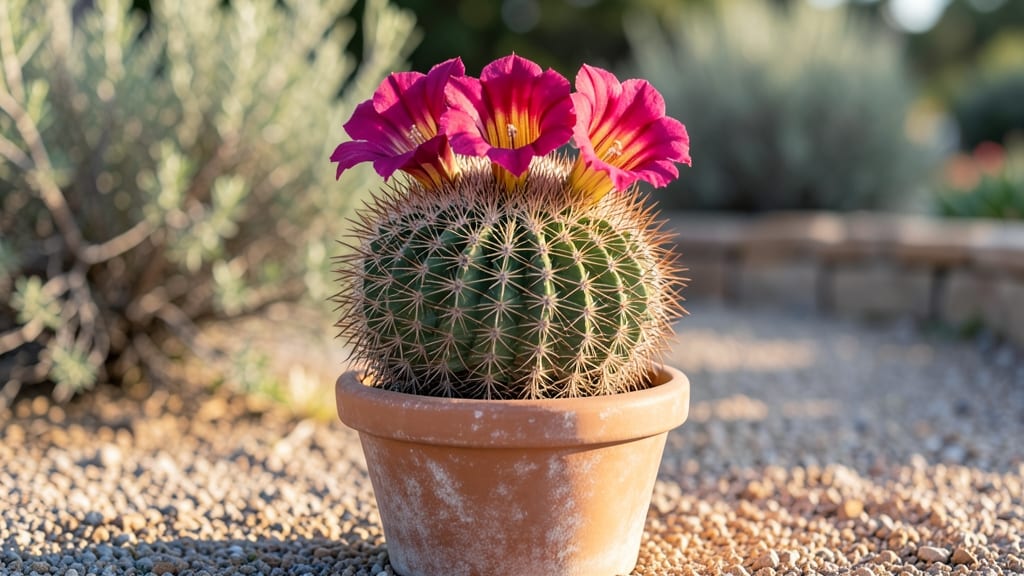
Arizona cactus with flowers turn your desert landscape into a living gallery of sun-drenched color. 🌵 I’ve watched my Arizona Barrel Cactus burst into vibrant yellow blooms after years of patient care—proof that these tough plants reward dedication with breathtaking displays.
The key isn’t coddling them but understanding their rhythm: deep roots, minimal water, and full sun.
Most flowering cacti thrive in well-draining soil with 3-4 inches of water every 3-4 weeks once established. Prickly Pear and Saguaro love rocky, alkaline soil, while Barrel Cactus prefers sandy mixes. Plant in spring after last frost, spacing them 6-10 feet apart to mimic their natural desert spacing.
By late spring or early summer, you’ll see buds forming—sometimes even in winter for species like the Night-Blooming Cereus. The blooms last just 24-48 hours, so timing your visits becomes part of the magic. With proper care, these cacti live for decades, becoming desert landmarks.
Common challenges? Overwatering kills them faster than drought. Use gravel mulch to regulate moisture, and watch for mealybugs—spray with soapy water if you spot them. Winter care is minimal: just protect young plants from hard freezes with burlap wraps.
📚 In This Guide
- What you need
- Instructions
- Tips and common mistakes
- Wrapping up and next steps
What you need
- ● Flowering cactus plants: Choose from species like Echinocactus, Ferocactus, or Opuntia (1–3 plants per container or in-ground). Opt for mature plants (3+ years old) for faster blooms!
- ● Well-draining soil: 5–10 gallons of cactus/succulent mix (or 60% potting soil + 40% perlite/pumice). Avoid garden soil—it retains too much moisture!
- ○ Containers (optional but recommended): Terracotta pots (12–18 inches in diameter) with drainage holes
- ● OR raised beds with gravel at the bottom (for in-ground planting)
- ● Drainage materials: Small gravel (½ inch) or coarse sand (1–2 inches) for the pot’s bottom layer.
- ● Hand trowel or small shovel for planting
- ● Gloves (thick gardening gloves to protect from spines!)
- ● Watering can with a narrow spout (or a spray bottle for seedlings)
- ● Sunlight access: Full sun (6+ hours daily) or a grow light (for indoor setups). South-facing windows or desert-like climates are ideal!
- ○ Fertilizer (optional): Balanced 20-20-20 or cactus-specific fertilizer (diluted to half-strength). Apply once every 2–3 months during growing season (spring–fall).
- ● Pruning tools: Sterilized scissors or a pruning saw (for removing dead blooms or offsets).
- ● 🌡️ Temperature: Most Arizona cacti thrive in 70–100°F (21–38°C). Avoid frost—bring potted plants indoors if temps drop below 32°F (0°C).
- ● ✨ Bloom trigger: Some cacti (like Barrel Cactus) need a temperature drop (e.g., 50–60°F/10–15°C at night) to flower. Simulate this with a fan or cooler evening!
- ● 💧 Watering hack: Water only when the soil is bone-dry (every 2–4 weeks). Overwatering = root rot!
Step-by-Step guide to cultivating stunning Arizona cacti that bloom
Here’s how to nurture desert-adapted cacti that reward you with vibrant blooms—no matter the season.
🪴 Step 1: Select the Right Cactus Varieties for Arizona’s Climate
Choose native or well-adapted species like Saguaro (Carnegiea gigantea), Barrel Cactus (Ferocactus), or Prickly Pear (Opuntia)—these thrive in 100-110°F heat and bloom reliably. I always pick mature plants (3+ years old) from reputable nurseries, as younger specimens often skip flowering for years. Avoid tropical cacti like Christmas cactus; they’ll sulk in Arizona’s dry heat.
Check the plant’s flowering season—Saguaro blooms at night in May-June, while Prickly Pear puts on daytime shows in spring. Plant in full sun (6+ hours daily); even partial shade can delay or prevent blooms. If your yard has afternoon shade, opt for Barrel Cactus—it tolerates slightly less sun than others.
☀️ Step 2: Plant in Well-Draining Soil and the Right Location
Use cactus/succulent mix (never garden soil—it compacts and rots roots). Amend with 50% coarse sand or pumice to mimic desert conditions. The goal is soil that drains so fast you’d swear it’s sand. I dig holes twice as wide as the root ball but only as deep—burying too deep suffocates the base.
Space plants 3-6 feet apart, depending on variety. Saguaro need room to grow (they can reach 50+ feet over decades!), while Barrel Cactus can huddle closer. Water deeply once after planting, then let the soil dry completely before watering again. Overwatering here is the fastest way to kill a cactus—roots rot in just 48 hours if soggy.
💧 Step 3: Master Watering for Year-Round Blooms
Water only when the soil is bone-dry to 4+ inches deep—stick your finger in; if it feels damp, wait. In summer, that might mean every 3-4 weeks; in winter, once a month is plenty. I use a soaker hose on low setting for 10 minutes to avoid wetting the plant itself (which invites fungal issues). Never water in the evening—wet foliage + nighttime humidity = disaster.
Fertilize once a year in early spring with a low-nitrogen, high-phosphorus formula (like 5-10-10). Too much nitrogen makes cacti grow leaves instead of flowers. I skip fertilizer entirely in the second year—healthy soil and proper watering are all most Arizona cacti need to bloom spectacularly.
✂️ Step 4: Prune Strategically to Encourage More Flowers
Deadhead spent blooms only if they’re brown and crispy—healthy, wilted flowers can still feed the plant. For Prickly Pear, I remove large, woody pads that crowd the base, but leave smaller ones to photosynthesize. Never prune in summer; wait until fall when the plant is entering dormancy. Use sterilized pruners to avoid spreading disease.
If your cactus develops pups (offsets), decide whether to remove them. For Saguaro, leave them—pups are how the plant reproduces. For Barrel Cactus, I usually separate pups in early spring to propagate new plants. Never prune more than 20% of the plant at once, or you’ll shock it into dormancy.
🌿 Step 5: Protect from Pests and Extreme Conditions
Watch for cactus moths (they’ll defoliate a plant in days) and scale insects (tiny white bumps on stems). I spray with neem oil in late summer—it’s organic, safe, and deters pests without harming pollinators. For coyotes or javelina (common in Arizona), plant 3-foot-tall wire cages around young Saguaro until they’re established.
During monsoon season, move potted cacti to covered areas. Sudden downpours can double the soil moisture overnight, leading to root rot. If your cactus gets sunburn (white or yellow patches), move it to partial shade for a week—it’ll recover, but blooms may be delayed that season.
Tips & tricks for perfect Arizona cactus blooms
Here's what I've learned after years of watching desert cacti transform into flowering masterpieces.
Selection Wisdom: When choosing mature cacti (3+ years old), look for plants with established root systems—these are the ones that'll bloom reliably. I always check for signs of recent blooming (dried flower stalks) at the nursery, as this indicates a plant that's already proven its flowering potential. For Barrel Cactus specifically, look for those with multiple ribs—the more ribs, the more potential bloom sites.
Soil Science: The 50% sand or pumice amendment in Step 2 is non-negotiable for Arizona's extreme heat. I've seen roots rot in just 48 hours when using regular garden soil—this isn't just about drainage, it's about mimicking the mineral composition of natural desert soils. For container gardening, add a layer of small gravel at the bottom of pots to create an additional drainage barrier that prevents soggy roots.
Watering Precision: That 10-minute soaker hose rule in Step 3 is your best friend during Arizona's brutal summers. I've learned to set a timer and move the hose when it beeps—overwatering is the silent killer of cacti. For potted plants, I weigh them before watering; when they're 20% lighter than their dry weight, it's time to water again. This method eliminates the guesswork of finger tests in hot weather.
Pruning Strategy: The fall pruning window in Step 4 is crucial because it aligns with the plant's natural dormancy period. I mark my calendar for early October—this timing helps prevent disease transmission that often occurs when pruning during active growth. For Prickly Pear specifically, I use long-handled pruners to remove woody pads while standing back, as the spines can be surprisingly aggressive when close up.
Pro Tips for Arizona Cactus With Flowers
- Here's what I've learned after years of watching desert cacti transform into flowering masterpieces.
- Selection Wisdom: When choosing mature cacti (3+ years old), look for plants with established root systems—these are ...
- Soil Science: The 50% sand or pumice amendment in Step 2 is non-negotiable for Arizona's extreme heat. I've seen root...
Frequently asked questions
Got questions about Arizona’s stunning flowering cacti? You’re not alone! Here are answers to the most common queries—whether you’re a gardener, a desert lover, or just curious about these resilient beauties.
When do Arizona cactus flowers bloom, and how long do they last?
Arizona cactus flowers typically bloom in spring through early summer (March–June), though some varieties like the Saguaro or Prickly Pear may flower sporadically year-round. Blooms last 1–3 days per flower, but new buds often open in succession, extending the show for weeks! Night-blooming cacti (e.g., Queen of the Night) are especially magical—open only after sunset.
How much water do flowering cacti need in Arizona’s heat?
Less than you’d think! Most Arizona cacti thrive on deep watering every 2–4 weeks (spring/fall) and minimal water in summer (once a month or less). Overwatering is the #1 killer—stick your finger in the soil first. Drainage is key! Use pots with holes or well-draining desert soil to prevent root rot. Pro tip: Water at the base, not the top, to avoid fungal issues.
Can I grow flowering cacti in containers, or do they need to be planted in the ground?
Many Arizona natives—like Barrel Cactus or Hedgehog Cactus—thrive in containers with 3–5 gallons of space. Just ensure the pot has drainage holes and use a cactus/succulent mix. For larger varieties (e.g., Saguaro), ground planting is ideal, but young cacti adapt well to pots for 2–3 years before transplanting. Warning: Avoid moving mature cacti—roots are fragile!
Why aren’t my cactus flowers opening, even though it’s spring?
Several factors could be at play:
- Lack of sunlight: Most Arizona cacti need 6+ hours of direct sun daily. Move yours to a sunnier spot.
- Improper watering: Too much (root rot) or too little (stress) can stall blooms. Adjust your schedule!
- Age/maturity: Some cacti (like Saguaro) only flower after 35–50 years!
- Nutrient deficiency: Add a low-nitrogen fertilizer (like 5-10-10) in early spring.
Are there non-flowering cactus alternatives for Arizona’s climate?
If you love the look but want low-maintenance greenery, consider these flowerless Arizona natives:
- Agave (e.g., Century Plant) – Bold, architectural, and drought-tolerant.
- Yucca – Sword-like leaves with minimal care.
- Desert Spoon (Dasylirion wheeleri) – Soft, fan-like foliage.
- Pincushion Cactus (Escobaria) – Tiny, non-flowering (but still stunning) varieties.
Wrapping up and next steps
Arizona’s cacti with flowers are a testament to the desert’s resilience and beauty—proving that even in harsh conditions, life thrives in vibrant, stunning forms. 🌵✨ Whether you’re a gardener, nature lover, or simply inspired by their hardiness, these desert blooms remind us that patience and care yield extraordinary rewards.
Ready to bring a piece of Arizona’s charm into your own space? Start by researching the perfect cactus for your climate, then nurture it with the love it deserves!