
Lawn
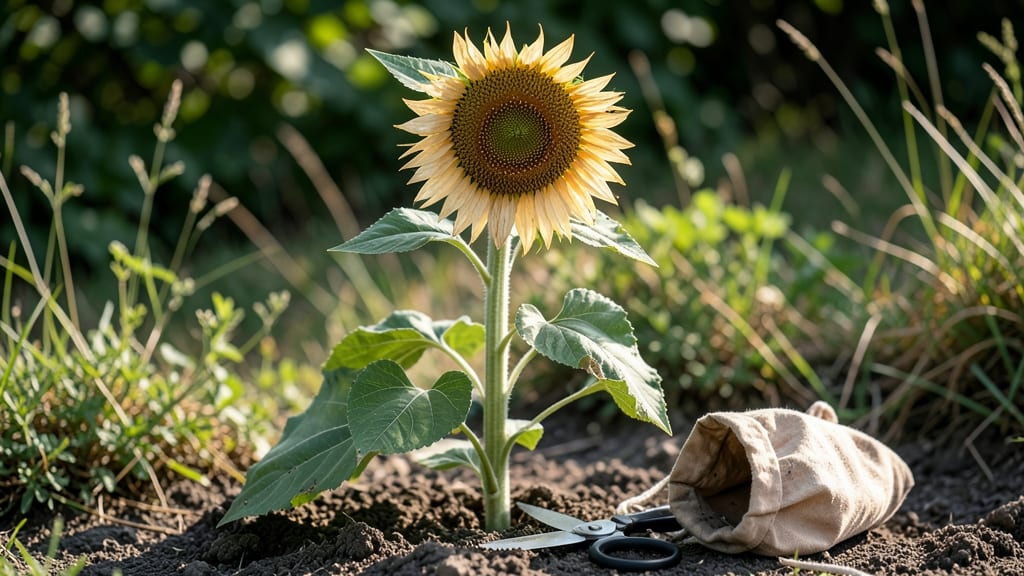
Sunflower seed heads aren't just pretty—they're the backbone of a thriving Ozark garden. 🌻 I've learned that letting them mature fully means bigger harvests, fewer pests, and creative projects that last all year. The secret starts with choosing the right varieties and giving them space to grow.
You'll need sturdy stems, full sun, and well-drained soil to avoid moldy heads. My favorite varieties for Ozark gardens are 'Moulin Rouge' for color and 'Autumn Beauty' for hardiness. Once they reach 5-6 feet tall, they need support—especially in windy areas—and regular checks for spider mites or bird damage.
By late fall, you'll have perfectly dried seed heads perfect for bird feeders, crafts, or even culinary uses. The process is simple: harvest when the back of the head turns brown, hang them upside down in a dry, dark place, and wait 2-3 weeks.
Store seeds in airtight containers for next year's planting.
This method works year-round—save seeds for spring planting, use dried heads as winter decor, or turn them into natural bird feeders. The Ozark climate actually helps with natural drying, so you'll spend less time fussing and more time enjoying the harvest.
📚 In This Guide
- What you need
- Instructions
- Tips and common mistakes
- Wrapping up and next steps
What you need
- ● Sunflower seeds: Choose Helianthus annuus varieties suited for your climate (e.g., ‘Mammoth’ for towering heads or ‘Teddy Bear’ for compact, decorative types). Buy 1–2 lbs of seeds per 100 sq ft for optimal spacing.
- ● Well-draining soil: Amend garden beds with 2–3 inches of compost or aged manure to enrich nutrients. Aim for a pH of 6.0–7.5.
- ● Watering can or hose: With a gentle spray nozzle to avoid displacing seeds during germination.
- ○ Fertilizer (optional but recommended): Balanced 10-10-10 fertilizer (1 tbsp per plant at planting) or
- ● Organic options like fish emulsion or bone meal for phosphorus-rich growth.
- ● Garden trowel or transplanting spade for digging holes (depth: 1 inch, spacing: 12–24 inches apart for large varieties).
- ● Pruners or sharp scissors for trimming dead foliage or harvesting seed heads.
- ○ Gloves (optional) to protect hands from thorns on mature seed heads.
- ● Stakes or trellis (for tall varieties) to support stems in windy Ozark conditions.
- ● Sunlight: Full sun (6–8+ hours daily)—sunflowers thrive in Ozark’s abundant sunlight!
- ● Temperature: Plant after the last frost (50°F+ soil temp) or start indoors 4–6 weeks early.
- ● Rainfall: 1–1.5 inches per week; supplement with water during dry spells.
- ● Pest control (preemptive): Neem oil spray or row covers to deter birds/squirrels from snacking on seeds.
- ● Decorative mulch (straw or pine needles) to retain moisture and suppress weeds.
- ● Dried flower preservative (e.g., silica gel) if saving seed heads for crafts.
- ● Camera or sketchbook to document your sunflower’s growth—Ozark gardens make the best backdrops!
Step-by-step guide for cultivating sunflower seed heads in Ozark gardens
Here's how I keep sunflower seed heads thriving—from planting to winter prep.
🌱 Step 1: Select and Prepare the Right Varieties
Choose dwarf sunflower varieties like 'Teddy Bear' or 'Moulin Rouge' for Ozark gardens—they handle our humid summers and cool nights better than giants. I always pick heirloom seeds for better seed head retention. Start seeds indoors 6-8 weeks before last frost in biodegradable pots to avoid root disturbance later.
Fill pots with sterile seed-starting mix and plant ½ inch deep. Keep soil moist but not soggy—sunflower seeds rot easily if overwatered. Place pots in a warm spot (70-75°F) until germination, which takes 7-14 days. Once sprouts appear, move them to a sunny window or under grow lights for 12-14 hours daily.
☀️ Step 2: Transplant and Support for Strong Seed Heads
Transplant seedlings outdoors after all frost danger has passed and soil reaches 60°F. Space them 18-24 inches apart in rows 2 feet apart—crowding weakens stems and reduces seed head quality. I always add 1 inch of compost to planting holes for extra nutrients.
Stake taller varieties with 3-foot bamboo stakes tied loosely at the base. Sunflowers grow fast, but wind and rain in the Ozarks can snap stems. Mulch with 2 inches of straw to retain moisture and suppress weeds. Water deeply 2-3 times weekly—focus on the base of plants to avoid fungal diseases on leaves.
🌿 Step 3: Prune and Maintain for Optimal Seed Production
Remove side buds when they're 1-2 inches tall to direct energy into one strong central flower. This ensures larger, more stable seed heads. I use clean pruners and sterilize them with rubbing alcohol between cuts to prevent disease spread.
Watch for Japanese beetles—they skeletonize leaves and weaken plants. Handpick them early in the morning when they're sluggish, or spray with neem oil if infestations appear. Deadhead spent blooms after they fade to encourage secondary flowering and more seed heads.
⏰ Step 4: Harvest and Store Seed Heads Properly
Harvest seed heads when back of the head turns yellow and petals drop naturally. Cut stems 4-6 inches below the head with clean shears. Hang heads upside down in a dry, well-ventilated area for 2-3 weeks until fully dry. I use brown paper bags over the heads to catch falling seeds.
Once completely dry, rub heads gently to release seeds. Store them in airtight containers in a cool, dark place for up to 2 years. For winter interest, leave a few mature seed heads on stems—they provide food for birds and add rustic texture to gardens.
Tips & tricks for sunflower seed head cultivation
Here's what I've learned after years of growing sunflowers in the Ozarks—these tricks make all the difference.
Variety Selection: The dwarf varieties like 'Teddy Bear' and 'Moulin Rouge' might seem small, but they're tougher than you think. They handle our humid summers and cool nights better than giant varieties, and their compact size makes them perfect for small gardens or containers. I've found heirloom seeds produce the most stable seed heads—hybrids sometimes sacrifice quality for size.
Germination Conditions: Sunflower seeds need that 70-75°F warmth to germinate properly, but don't let the soil get soggy. I use a heat mat under my seed trays for faster germination, and I always check moisture by sticking my finger in—it should feel like a damp sponge, not a wet sponge. Once sprouts appear, that 12-14 hours of light becomes critical. If your windows aren't sunny enough, grow lights are worth the investment.
Transplanting Timing: Wait until soil reaches 60°F before transplanting—any cooler and the plants will struggle. I always harden off seedlings first by placing them outside in partial shade for a few hours each day, gradually increasing exposure. The 18-24 inch spacing might seem generous, but crowded plants develop weak stems that snap easily in our windy Ozark summers. Trust me on this—you'll thank me when your seed heads don't topple over.
Drying Strategy: For that 2-3 week drying period, I've found the best results come from hanging heads in a garage with a fan blowing gently on them. This creates airflow without drying too quickly. The brown paper bags are a game-changer—they catch seeds without letting them scatter everywhere. I always double-check that the heads are completely dry by gently squeezing a seed—if it crushes easily, it's ready for storage.
Pro Tips for Sunflower Seed Head
- Here's what I've learned after years of growing sunflowers in the Ozarks—these tricks make all the difference.
- Variety Selection: The dwarf varieties like 'Teddy Bear' and 'Moulin Rouge' might seem small, but they're tougher than you think.
- Germination Conditions: Sunflower seeds need that 70-75°F warmth to germinate properly, but don't let the soil get soggy.
Frequently asked questions
Got questions about nurturing your sunflower seed head? You’re not alone! Whether you're a first-time gardener or a seasoned Ozark green thumb, these common queries will help you grow stunning, healthy blooms year-round. Let’s dive in!
How long does it take for a sunflower seed head to fully mature?
A sunflower seed head typically reaches full maturity—ready for harvest—in 80 to 120 days after planting, depending on the variety. Dwarf varieties (like 'Teddy Bear') may mature in as little as 50-60 days, while giant varieties (like 'Mammoth') can take up to 130 days. Keep an eye on the back of the petals: when they turn brown and dry, it’s harvest time!
Why are my sunflower seed heads turning brown before they’re fully grown?
Brown seed heads before maturity usually signal stress, often caused by underwatering, overcrowding, or nutrient deficiencies. Sunflowers need 1-2 inches of water per week and plenty of space (12-24 inches apart). Check soil moisture—if it’s dry 2 inches below the surface, water deeply. A balanced fertilizer (like 10-10-10) can also help revive struggling plants.
Do sunflowers need pollinators to produce seed heads?
Yes! While sunflowers can self-pollinate, bees, butterflies, and other pollinators dramatically improve seed production by transferring pollen between flowers. Planting native pollinator-friendly flowers (like coneflowers or bee balm) nearby can boost your harvest. Avoid pesticides during bloom time to keep these helpful visitors around.
Can sunflowers survive frost, or should I protect them?
Sunflowers are frost-sensitive and will die back if exposed to temperatures below 28°F (-2°C). If frost is forecasted before harvest, cover mature seed heads with frost cloth or move potted plants indoors. For overwintering, cut back dead foliage in late fall and mulch the base to protect roots. Most sunflowers are annuals, so replant in spring.
What can I do with sunflower seed heads after they’re done blooming?
Don’t toss those dried seed heads! They’re versatile and eco-friendly:
- Bird feeders: Hang them in your garden to attract finches and chickadees.
- Crafts: Use them for wreaths, centerpieces, or DIY potpourri.
- Compost: Chop and add to your compost pile for nutrient-rich soil.
- Seeds: Save seeds for next year’s garden (clean and store in a cool, dry place).
Wrapping up and next steps
There you have it—a complete guide to nurturing sunflower seed heads in your Ozark garden, whether you're aiming for a stunning seasonal display or year-round greenery! 🌻 With the right soil, watering routine, and a little seasonal TLC, these cheerful blooms will reward you with vibrant color and even edible treats.
Now that you’re equipped with the know-how, why not take the next step?
- Start small: Plant a few seed heads this season and observe how they thrive in your space.
- Experiment: Try different varieties or companion plants to see what flourishes best in your Ozark climate.
- Share the joy: Gift sunflower seed heads to neighbors or friends—it’s a simple way to spread beauty and sustainability!
Your garden is a living canvas—let your sunflower seed heads shine as the star! 🌟