
Flowers
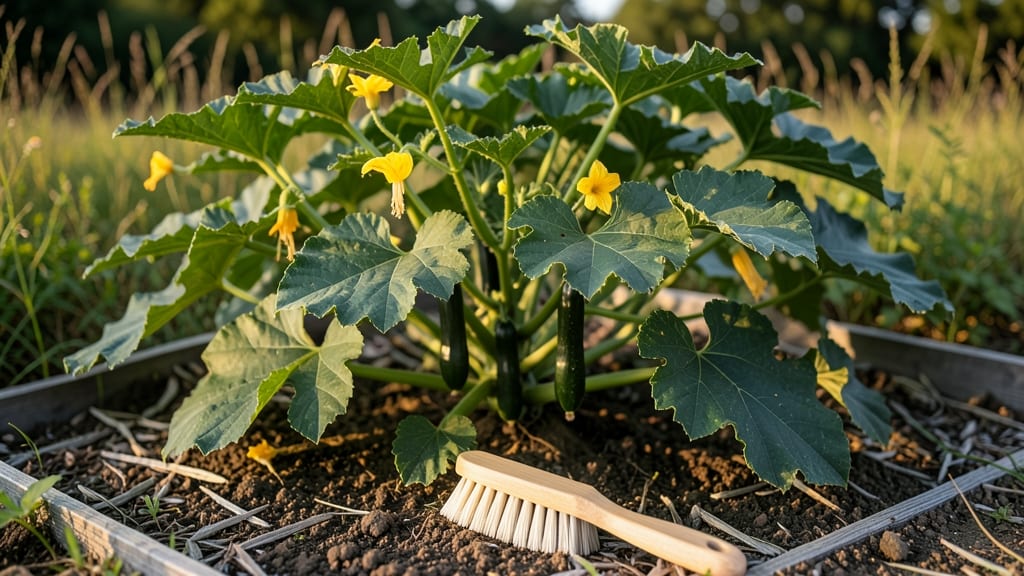
Cleaning zucchini flowers is the secret to bigger fruit and fewer wasted blooms. 🌿 Those delicate petals hide pollen-heavy stamens and sometimes pests—if you skip this step, you might end up with misshapen squash or no harvest at all.
The good news? It only takes a few minutes and a gentle touch.
You’ll need a spray bottle filled with plain water, a soft paintbrush or cotton swab, and a clean towel. Avoid soap or harsh chemicals—they’ll damage the delicate tissue and scare off pollinators. The goal is to refresh the flower without harming its ability to attract bees or self-pollinate.
Start by misting the flower lightly to loosen pollen and debris. Then, use the brush to gently sweep away excess pollen from the stamens, being careful not to disturb the pistil in the center.
Check for pests like aphids or spider mites—if you spot them, isolate the flower and treat the plant separately.
Once clean, let the flower dry in a shady spot before returning it to the plant. This simple routine keeps your zucchini plants productive and ensures every bloom has the best chance of turning into a plump, edible squash. Do this every morning for peak results!
📚 In This Guide
- What you need
- Instructions
- Tips and common mistakes
- Wrapping up and next steps
What you need
- ● Fresh zucchini flowers – Harvest them in the morning for the best cleanliness and freshness. 🌿
- ● Cold water – Use room-temperature or chilled water to avoid shocking the delicate petals.
- ● Soft-bristled brush – A small, clean paintbrush or toothbrush (dedicated to gardening) works best.
- ● Paper towels or clean kitchen towel – Unbleached, lint-free for gentle drying.
- ● Small bowl or colander – For rinsing without damaging the flowers.
- ● White vinegar (1:3 ratio with water) – For a light disinfecting rinse if flowers look dusty.
- ● Salad spinner – Speeds up drying without rough handling.
- ● Glass jar with lid – For storing cleaned flowers in the fridge (up to 24 hours).
Step-by-Step guide for prepping zucchini flowers
Here's how to keep those delicate blooms pristine for pollination and harvest.
💧 Step 1: Gather Your Supplies
You won't need much—just a few basics. Grab a soft-bristled paintbrush or makeup brush (the kind with fine, gentle bristles) and a large bowl of lukewarm water (around 70°F). Avoid cold water, as it can shock the petals and cause them to close prematurely. I like to use a small handheld spray bottle filled with the same lukewarm water for precision cleaning.
Here's the thing—zucchini flowers are extra delicate. Any rough handling can damage them, so skip the paper towels or rough cloths. Instead, keep a clean, lint-free microfiber cloth nearby to pat them dry. If you don’t have one, a cotton T-shirt works in a pinch (just make sure it’s clean and free of detergent residue).
🌿 Step 2: Rinse Gently in the Bowl
Fill the bowl with lukewarm water and place it on a stable, flat surface near your garden. Hold each flower by its stem (never the petals!) and dip it into the water, petals facing down. Let it soak for no more than 5 seconds—longer can cause the petals to wilt or close. Swirl the flower gently to rinse away dirt or debris from the petals.
Real talk: If a flower feels sticky or has pollen clumps, don’t scrub. Instead, use the soft brush to very lightly sweep away debris. Think of it like dusting a butterfly’s wings—gentle pressure only. Avoid touching the center of the flower where the reproductive parts are located. This ensures you don’t disrupt pollination later.
✂️ Step 3: Dry Thoroughly Before Handling
After rinsing, immediately transfer the flower to the microfiber cloth or cotton T-shirt. Gently press the petals together to absorb excess water, but don’t rub—this can damage the delicate tissue. Let the flower air-dry for 10-15 minutes in a shaded, breezy spot. Direct sunlight or heat can cause the petals to crisp or close up.
Here’s where it gets fun—watch the flower open back up naturally as it dries. If a flower stays closed after drying, it’s best to discard it, as it may not reopen properly. You’ll know you’ve done it right when the petals lay flat and vibrant, ready for pollination or your kitchen.
🌱 Step 4: Store or Use Immediately
Once dry, place the cleaned flowers in a paper towel-lined container or mesh produce bag to keep them fresh. Store them in the fridge for up to 2 days if you’re not using them right away. For immediate use, like stuffing or garnishing, handle them by the stem and avoid touching the petals again.
Don’t skip this step if you’re saving them for later. Flowers left damp in a sealed container will sweat and develop mold within hours. I like to label the container with the date to keep track of freshness. If you’re prepping them for pollination, place them back on the plant as soon as possible—these blooms are short-lived and work best when fresh.
Tips & tricks for perfectly preserved zucchini flowers
Took me a while to figure these out, so here goes—these little details make all the difference when handling such delicate blooms.
Temperature Precision: That 70°F lukewarm water from Step 1 is non-negotiable. Too cold and the petals will close up; too hot and you risk damaging the delicate tissue. I keep a thermometer nearby to double-check—especially if I'm working in a cool kitchen. For extra safety, test the water on your wrist first; it should feel like a warm bath, not a sauna.
Timing Secret: The 5-second rinse in Step 2 is your golden window—any longer and you risk wilting. I set a timer on my phone as a visual cue. If you're working with a large batch, process them in small batches of 5-6 flowers at a time to maintain that exact timing without rushing.
Drying Technique: The 10-15 minute air-drying in Step 3 is where most people go wrong. I've learned to create a mini drying station: a wire rack over a bowl (to catch any stray petals) in a breezy spot. Never use a hairdryer—even on low heat—no matter how tempting it is to speed things up. The gentle breeze is all these flowers need.
Storage Wisdom: For the 2-day fridge storage mentioned in Step 4, I've found that adding a damp paper towel to the container keeps the environment just right—not too dry, not too damp. Place the flowers in a single layer on top of the towel, then loosely cover with another dry towel. This prevents condensation buildup that leads to mold.
Pro Tips for Clean Zucchini Flowers
- Took me a while to figure these out, so here goes—these little details make all the difference when handling such delicate blooms.
- Temperature Precision: That 70°F lukewarm water from Step 1 is non-negotiable.
- Timing Secret: The 5-second rinse in Step 2 is your golden window—any longer and you risk wilting.
Frequently asked questions
Got questions about cleaning zucchini flowers? You’re not alone—these delicate blooms require a gentle touch! Here are answers to the most common queries to help you prep them like a pro.
Can I reuse water when cleaning zucchini flowers?
It’s best to use fresh, cool water each time. Reused water can harbor bacteria or debris, which may damage the delicate petals or attract pests. Drain and refresh the water after each batch for the cleanest results.
How long should I soak zucchini flowers before rinsing?
No soaking is needed! Gently swirl the flowers in water for just 10–15 seconds—longer exposure can cause them to wilt or absorb too much moisture. Pat them dry immediately afterward to preserve their freshness.
What if my zucchini flowers have dirt stuck in the center?
Use a soft-bristle toothbrush or a clean, damp cloth to gently loosen debris from the stamen. Avoid scrubbing too hard—focus on the center while keeping the petals intact. A quick rinse afterward removes any lingering residue.
Can I clean zucchini flowers ahead of time and store them?
Clean them right before use for the best texture and flavor. If storing, place them in a paper towel-lined container in the fridge for up to 2 days, but clean them again before cooking to avoid sogginess.
Are there alternatives if I don’t have fresh flowers?
If you’re in a pinch, frozen zucchini blossoms (thawed and drained) work in a bind, though they’ll be softer. For a substitute in recipes, try squash blossoms or even chive blossoms—just adjust cooking times as needed!
Wrapping up and next steps
Cleaning zucchini flowers is a breeze once you know the right steps—just a gentle rinse, a soft pat dry, and you’re ready to enjoy their beauty (or savor their flavor!).
These delicate blooms deserve tender care, but with this simple process, you’ll keep them fresh and vibrant for all your culinary or decorative adventures. 🌸
Now that you’re a zucchini flower cleaning pro, why not put your new skills to use? Try them in a recipe—whether it’s a frittata, pasta, or stuffed flowers—your kitchen (and taste buds) will thank you!