
Flowers
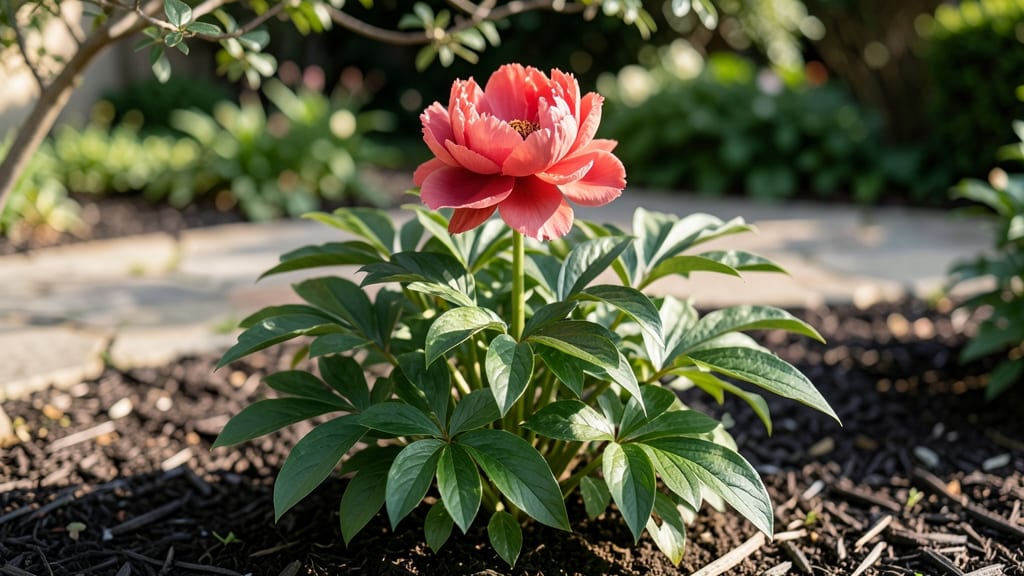
Nothing says "summer in full bloom" like large peony flowers spilling over garden borders with their velvet petals and intoxicating fragrance.
I still remember the first time I saw a peony bush in my neighbor's yard—it was like a living painting, all soft pinks and creamy whites, drawing every passerby to pause and admire. These aren't just flowers; they're statement pieces that turn ordinary gardens into showstopping landscapes with minimal effort.
The secret to their dramatic impact lies in placement and companions. Use them as focal points near pathways or patios where their 3-6 inch blooms will catch the eye.
Pair deep red peonies with silver foliage like lamb's ear for a striking contrast, or let pale yellow varieties glow against dark green hostas. Their lush, bushy growth also makes them perfect for cottage garden borders, where they blend romance with structure.
By mid-June, your garden will feel like a luxurious retreat—the air thick with their honeyed scent, the petals so plush they feel like silk. Peonies thrive with minimal fuss, rewarding you with decades of blooms once established.
The key is giving them full sun and well-draining soil, then stepping back to let nature do the rest. Their natural elegance needs no extra flair.
For small spaces, try dwarf varieties in containers near entryways, while larger gardens can feature them in mass plantings for a dramatic wave of color. The best part?
Their long vase life means you'll have cut flowers long after the garden season ends. Let's make your outdoor space unforgettable—one peony at a time.
📚 In This Guide
- What you need
- Instructions
- Tips and common mistakes
- Wrapping up and next steps
What you need
- ● Peony roots: Choose Paeonia lactiflora or Paeonia officinalis varieties for large blooms. Opt for 1-year-old roots (3–5 eyes) or 2-year-old roots (5+ eyes) for faster establishment. Quantity: 1–3 roots per planting site, depending on desired fullness.
- ● Well-draining soil: Amend heavy clay or sandy soil with compost (3–4 inches) and perlite or coarse sand (1 part per 3 parts soil) to improve aeration and drainage.
- ● Balanced fertilizer: Use a 10-10-10 or 5-10-10 NPK fertilizer (organic options like bone meal or composted manure work too). Apply 1–2 cups per plant in early spring.
- ● Mulch: 3–4 inches of organic mulch (straw, shredded bark, or wood chips) to retain moisture and regulate soil temperature.
- ● Garden trowel or spade for digging planting holes (12–18 inches deep and wide).
- ● Pruning shears (clean and sharp) for trimming dead foliage in late fall.
- ● Garden hose or watering can with a gentle spray nozzle to avoid damaging roots.
- ● Gloves (heavy-duty for handling roots and mulch).
- ○ Soaker hose (optional) for deep, consistent watering during establishment.
- ● Peony supports: Install bamboo stakes or small cages (4–6 inches tall) to prevent flopping stems as blooms mature.
- ● Epsom salt (magnesium sulfate) (1 tbsp per gallon of water) to boost bloom size if yellowing leaves appear.
- ● Disease-resistant varieties (e.g., ‘Sarah Bernhardt’ or ‘Bowl of Beauty’) if your area has high humidity or fungal risks.
- ● Slow-release granules (like Osmocote) for seasonal feeding without over-fertilizing.
How to cultivate stunning large peony flowers
Peonies reward patience with bold, velvety blooms that become the centerpiece of any garden.
Select and Prepare the Planting Site
Peonies thrive in full sun—at least 6-8 hours daily—and well-draining soil. Choose a location sheltered from strong winds, which can damage their delicate stems. I dig a hole twice as wide as the root ball but only as deep as the top of the root crown (the swollen area where roots meet the stem). Planting too deep smothers the plant and prevents blooming.
Amend the soil with 2-3 inches of compost mixed into the native dirt. Peonies hate soggy roots, so if your soil drains poorly, add a layer of coarse sand or perlite to the hole’s base. Test the depth by placing the plant in the hole—once settled, the crown should sit just below the soil surface, never buried.
Plant with Care to Ensure Future Blooms
Gently loosen the roots of your peony (if they’re tightly bound) and position the plant in the hole. The crown should face upward—never sideways or downward. This ensures proper growth and flowering. Backfill with the amended soil, tamping lightly to remove air pockets but avoiding compaction.
Water deeply after planting to settle the soil and encourage root contact. Mulch around the base with 2-3 inches of organic mulch, like shredded bark or straw, to retain moisture and suppress weeds. Keep mulch away from the crown—too much can smother the plant. Peonies establish slowly, so avoid fertilizing for the first year; their roots need time to settle.
Provide Consistent Care for Healthy Growth
Water peonies once a week during the first growing season, ensuring the soil stays evenly moist but not waterlogged. Once established, they’re drought-tolerant but bloom best with regular moisture. You’ll know they’re thriving when their foliage is deep green and sturdy, not wilted or yellowing.
In early spring, apply a balanced, slow-release fertilizer (10-10-10) around the base, keeping it 6 inches away from the crown. Avoid high-nitrogen fertilizers—they encourage leafy growth at the expense of blooms. Deadhead spent flowers in late spring to redirect energy into next year’s buds, but leave the foliage until it yellows naturally in fall. This process stores nutrients for future blooms.
Protect and Prune for Long-Term Success
Peonies are hardy but benefit from winter mulch in colder climates. After the ground freezes, add 4-6 inches of straw or leaves over the crown to insulate roots. Remove mulch in early spring once new shoots appear. Prune back dead foliage in late winter or early spring, cutting stems just above the soil line—never leave stubs, as they can rot.
Watch for peony leaf blight or botrytis fungus, which cause brown spots on leaves. Improve airflow by spacing plants 3-4 feet apart and avoid overhead watering. If you notice wilting or discolored leaves, remove affected foliage immediately and treat with a copper fungicide if needed. With proper care, your peonies will reward you with lush, large blooms for decades.
Tips & tricks for cultivating stunning large peony flowers
Peonies are divas of the garden—demanding but utterly rewarding when you get their care just right. Here’s how to ensure those velvety blooms thrive for decades.
Site Selection Secret: The 6-8 hours of full sun requirement isn’t just about light—it’s about warmth. Peonies need consistent afternoon sun to develop strong stems that support those heavy blooms. I’ve seen peonies planted in morning sun only struggle with weak stems that flop under the weight of flowers. If your yard has partial shade, choose the sunnier side of structures or trees, even if it means moving the plant later.
Planting Depth Precision: That crown placement—just below soil level—is non-negotiable. I learned this the hard way after burying a peony too deeply, which led to years of no blooms. Use a ruler to verify depth after backfilling. For container growing, ensure the pot has drainage holes and the crown sits at the soil surface level, never covered. The root ball should settle naturally without forcing it down.
Watering Wisdom: The once-a-week guideline works for average conditions, but peonies actually prefer consistent moisture without soggy roots. I test soil moisture by sticking my finger 2 inches down—if it’s dry, water deeply until it runs out the drainage holes. In clay soil, reduce frequency to every 10 days once established, as clay holds moisture longer. Mulch helps, but don’t let it touch the crown—this prevents rot while maintaining even soil temperature.
Fertilizer Strategy: That first-year no-fertilizer rule is crucial for root development. In subsequent years, I apply the 10-10-10 fertilizer in early spring when shoots emerge, not when leaves appear. The key is timing: fertilizing too late can stimulate new growth that won’t harden off before winter. For organic options, use composted manure or worm castings—these provide nutrients without the risk of burning roots that synthetic fertilizers can pose.
Pro Tips for Large Peony Flowers
- Peonies are divas of the garden—demanding but utterly rewarding when you get their care just right.
- Site Selection Secret: The 6-8 hours of full sun requirement isn’t just about light—it’s about warmth.
- Planting Depth Precision: That crown placement—just below soil level—is non-negotiable.
Frequently asked questions
about large peony flowers—because every gardener deserves clarity before diving in!When is the best time to plant large peony flowers?
Plant peonies in early fall (4–6 weeks before the ground freezes) or early spring (as soon as the soil is workable). This gives roots time to establish before extreme heat or cold. Avoid transplanting mature peonies—they hate being moved once established! Learn more.
How do I care for large peony flowers after they bloom?
After blooming, never cut back foliage until it yellows (late fall). This feeds the roots for next year’s flowers. Deadhead spent blooms to encourage reblooming varieties, but leave seed pods for wildlife. Mulch lightly in winter to protect roots—but don’t smother them!
Why aren’t my peony flowers opening fully?
Peonies may stay budded due to overcrowding, poor sunlight (they need 6+ hours of sun), or young plants (wait 2–3 years for full blooms). Check for pests like peony sawfly larvae (they skeletonize leaves). If buds swell but don’t open, try pruning spent blooms earlier to redirect energy.
Can I grow large peonies in containers?
Yes! Use a large pot (18"+ diameter) with well-draining soil and a trellis for herbaceous types. Dwarf varieties like ‘Sarah Bernhardt’ thrive in containers. Just ensure the pot doesn’t dry out—peonies hate soggy roots. Repot every 3–4 years to refresh soil.
Do large peonies need winter protection?
Hardy in USDA Zones 3–8, peonies tolerate cold but benefit from mulch (2–3 inches of straw or leaves) in harsh winters. In Zone 9+, they may need partial shade and consistent moisture to prevent dormancy stress. Avoid heavy mulch—it can rot crowns!
What’s a good alternative if peonies don’t thrive in my climate?
Try tree peonies (more heat-tolerant) or daylilies (similar lush foliage, easier care). For fragrant blooms, Daphne or Philadelphus (mock orange) are stunning substitutes. Just note: Peonies’ bold, velvety petals are hard to replace!
Wrapping up and next steps
Large peony flowers aren’t just a garden showstopper—they’re a symbol of timeless elegance and effortless beauty. Whether you’re drawn to their lush blooms for pollinators, bouquets, or pure aesthetic joy, these velvety giants reward patience and care with stunning results.
Now that you’re armed with the right knowledge, why not plant your own or share the magic with a friend? Grab those clumps, dig in, and let your garden bloom with confidence! 🌸
Next step: Mark your calendar for early spring—it’s prime time to get those peonies in the ground! 🌱