
Flowers
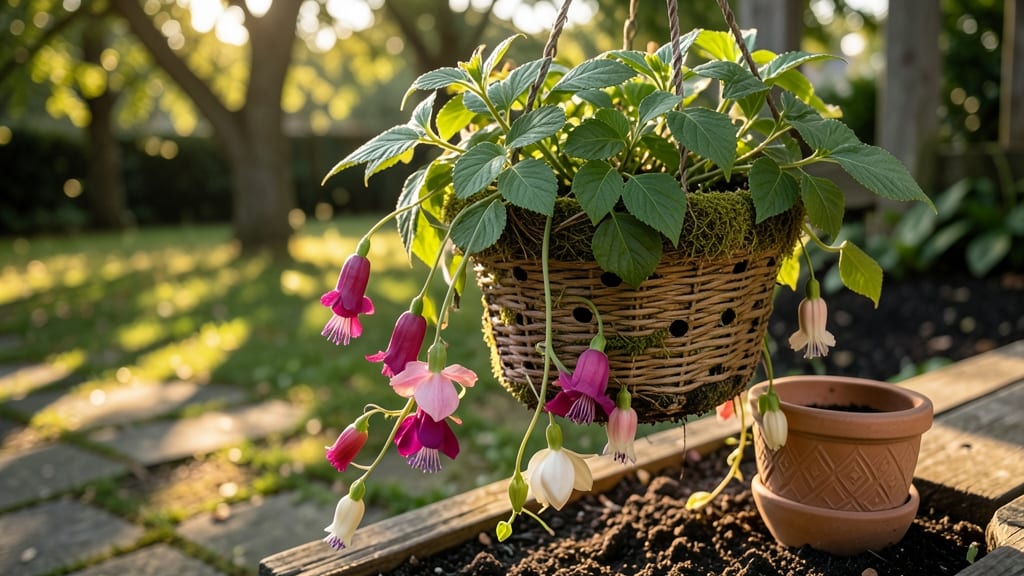
Choosing the right types of hanging flowers can instantly turn bare walls into a vibrant vertical garden—here’s how to pick cascading blooms that thrive in any corner. 🌸 The secret? Choosing flowers that thrive in containers, spill beautifully, and complement each other’s colors and growth habits.
Petunias, fuchsias, and lobelia top the list for their vibrant colors and trailing habits, but don’t overlook ivy geraniums for their heat tolerance or nasturtiums for their edible blooms. Each variety brings something unique: some bloom nonstop, others offer foliage interest, and a few even repel pests naturally.
The best part? Most thrive in partial shade to full sun, making them adaptable to almost any spot.
Imagine your space transformed—velvety pink petunias spilling over edges, deep purple fuchsias adding drama, and tiny blue lobelia creating a waterfall effect. These flowers don’t just fill gaps; they create a living tapestry that evolves with the seasons, from spring’s first blooms to autumn’s final bursts of color.
Whether you’re decorating a city balcony or a country porch, the right mix of trailing flowers turns hanging baskets into year-round focal points. Let’s dive into the 15 best varieties and how to pair them for maximum impact—your vertical garden awaits!
📚 In This Guide
- What you need
- Instructions
- Tips and common mistakes
- Wrapping up and next steps
What you need
- ● Hanging planters: 3–10 (depending on size; 6–12 inches in diameter for balanced weight). Opt for self-watering or fabric grow bags for flexibility.
- ● Hanging hardware: Ceiling hooks or brackets (adjustable, 10–20 lbs weight capacity each).
- ● Eyebolt screws (for drywall/wood) or tension rods (for ceilings without studs).
- ● Potting mix: 5–10 gallons of lightweight, well-draining blend (e.g., 60% peat moss, 30% perlite, 10% compost).
- ● Hanging flowers: 3–5 plants per planter (choose trailing varieties like fuchsias, petunias, or ivy or cascading types like begonias or string of pearls).
- ● Mulch or pebbles: 1–2 cups per planter (for moisture retention and aesthetics).
- ● Basic tools: Drill/driver, measuring tape, level, scissors, and gloves.
- ● Safety gear: Safety glasses (if drilling into ceilings) and a step stool (for overhead work).
- ● Prerequisites: Access to a ceiling or sturdy overhead structure (e.g., porch, balcony, or indoor beams).
- ● Natural or artificial light source (6+ hours of sunlight or grow lights for indoor setups).
- ● Self-watering planters or drip irrigation kit for low-maintenance care.
- ● Decorative trays or saucers (to catch water and add flair).
- ● Plant labels or stakes (for tracking varieties).
- ● Fertilizer (balanced liquid or slow-release granules for blooming plants).
How to choose and arrange stunning hanging flower displays
Transform any small space into a lush vertical garden with these versatile blooms.
🌿 Step 1: Select Flowers Based on Light and Season
Start with petunias or fuchsias for full sun areas—they thrive in 6+ hours of direct light and bloom continuously from spring to frost. For shadier spots, begonias or impatiens handle 4-6 hours of filtered light beautifully. I always check bloom cycles: petunias last all summer, while calibrachoas offer nonstop color but need consistent moisture to prevent wilting.
Seasonal timing matters too. Plant pansies in early spring for cool-weather blooms, then transition to geraniums by late spring for heat tolerance. Mixing varieties ensures year-round interest. Here's the thing—trailing nasturtiums add edible blooms and a pop of orange, but they grow aggressively, so I limit them to one basket per display.
🪴 Step 2: Choose Containers for Drainage and Weight
Use 10-12 inch diameter hanging baskets with multiple drainage holes—this prevents root rot from excess moisture. I line the bottom with sphagnum moss to retain water while allowing airflow. For heavier bloomers like fuchsias, opt for metal or woven baskets with sturdy frames that won't sag under weight.
Container size directly impacts root health. A 12-inch basket holds 1-2 plants comfortably, while 16-inch baskets can accommodate 3-4 plants if you choose compact varieties. Avoid overcrowding—roots compete for nutrients, leading to leggy growth and fewer blooms. I test drainage by filling the basket with water and ensuring it drains completely within 5 minutes.
☀️ Step 3: Layer Plants for Full, Cascading Beauty
Fill the basket with moistened potting mix (never garden soil—it compacts and suffocates roots). Place the tallest plant (like a spike fuchsia) in the center, then add mid-height fillers (such as petunias) around it. Finish with trailing varieties (like string of pearls or lobelia) at the edges to create that dramatic spillover effect.
Here's where it gets fun—watch how the trailing plants grow toward the light. If one side looks bare after 3-4 weeks, rotate the basket quarter-turn weekly to encourage even growth. I always tuck fertilizer spikes into the soil at planting time for a slow-release nutrient boost that lasts the season.
💧 Step 4: Water and Feed for Continuous Blooms
Water deeply every morning until water runs freely from the drainage holes—this ensures roots stay hydrated without sitting in soggy soil. I use a gentle spray attachment to avoid disturbing the soil surface. Afternoon watering risks fungal diseases, so stick to early morning sessions. You'll know you're doing it right when the soil feels moist 1 inch down but not saturated.
Feed with a balanced liquid fertilizer (10-10-10) every 2 weeks during the growing season. Cut back to monthly feedings in late summer to encourage blooming over foliage. I swear by fish emulsion for a mid-season boost—it adds organic matter and revives tired baskets. Watch for yellowing leaves, which usually means overwatering or nutrient deficiency.
✂️ Step 5: Prune and Maintain for Long-Lasting Displays
Deadhead spent blooms weekly to encourage new flowers—this simple step doubles your bloom time. I pinch back leggy stems to promote bushier growth, especially with geraniums and petunias. For trailing plants, trim any stems that grow longer than 18 inches to maintain a neat appearance and prevent breakage.
By late summer, growth slows naturally. I reduce watering slightly and switch to a low-nitrogen fertilizer to support root health. If pests appear (like aphids on new growth), spray with neem oil in the evening when bees aren't active. Most hanging flowers reward consistent care with months of vibrant color—proof that small spaces can pack big impact.
Tips & tricks for perfect hanging flower arrangements
Here's what I've learned after years of transforming small spaces with lush vertical gardens.
Light Matching: Pay close attention to the 4-6 hours of filtered light requirement for shade-loving plants like begonias. I've found that east-facing windows provide perfect morning light without harsh afternoon sun. For full sun spots, place baskets where they'll receive direct light for at least 6 hours—south or west-facing areas work best. The key is observing how your specific space behaves throughout the day.
Container Weight Strategy: When testing drainage for 5 minutes, also check the weight distribution of your basket. I've learned to hang metal baskets slightly higher than plastic ones—they're heavier when saturated. For 16-inch baskets with 3-4 plants, consider adding a small hook to your ceiling mount to support the extra weight as they grow.
Seasonal Transition Hack: Instead of uprooting plants when seasons change, I've started using a "staggered planting" approach. Plant cool-weather pansies in early spring, then add geraniums around late May. This creates a seamless transition without disturbing established roots. The secret is choosing varieties with overlapping bloom times—like petunias and calibrachoas that both thrive in summer heat.
Pest Prevention: That neem oil recommendation isn't just for pests—it also acts as a natural fungicide. I apply it preventatively every 4 weeks during humid months. For aphid-prone plants like fuchsias, I've found that introducing ladybugs to the baskets creates a natural defense system that eliminates the need for chemical treatments entirely.
Pro Tips for Types Of Hanging Flowers
- Here's what I've learned after years of transforming small spaces with lush vertical gardens.
- Light Matching: Pay close attention to the 4-6 hours of filtered light requirement for shade-loving plants like begonias.
- Container Weight Strategy: When testing drainage for 5 minutes, also check the weight distribution of your basket.
Frequently asked questions
Got questions about creating your dream hanging flower display? Here are some of the most common ones—and their answers—to help you grow with confidence!
What are the easiest hanging flowers for beginners?
Start with petunias, begonias, or fuchsias—they’re hardy, fast-growing, and thrive in most climates. String of pearls (a succulent) is another low-maintenance pick for sunny spots. Choose self-watering planters to simplify care!
How often should I water hanging flowers?
Most hanging flowers need water every 1-2 days in hot weather, but check soil moisture first—stick your finger in 1 inch deep. Succulents (like sedum) only need water when soil is bone-dry. Pro tip: Use self-watering planters or place them where they catch morning sun to slow evaporation.
Can hanging flowers survive winter?
It depends! Annuals (like impatiens) won’t survive frost, but perennials (e.g., heuchera or ivy) can with protection. Bring pots indoors or wrap them in burlap and mulch. For tropical plants (like orchids), move them to a bright, cool spot (50–60°F).
Why are my hanging flowers wilting or turning yellow?
Yellow leaves often signal overwatering or nutrient deficiency. Check drainage—roots need air! Brown edges? Underwatering or sunburn (move to partial shade). Pests (like spider mites) can also cause stress. Fix it: Trim damaged leaves, adjust watering, and treat with neem oil if needed.
What’s the best alternative for small balconies with no hooks?
No hooks? No problem! Use wall-mounted planters, freestanding tiered stands, or hanging macramé pockets (attach to railings with bungee cords). For vertical space, try felt pockets or cascading planters that lean against walls. Bonus: Mix in air plants (tillandsias) for zero-maintenance greenery!
Wrapping up and next steps
From cascading petunias to elegant ferns and fragrant jasmine, hanging flowers bring life, color, and charm to small spaces—proving that vertical gardens are a game-changer for urban and cozy decor! 🌿 Whether you’re drawn to bold blooms, lush foliage, or low-maintenance options, there’s a perfect fit for your balcony, patio, or windowsill.
Ready to transform your space? Start small—pick one or two varieties that match your style and sunlight conditions, then experiment with arrangements. Happy gardening! 🌸✨