
Flowers
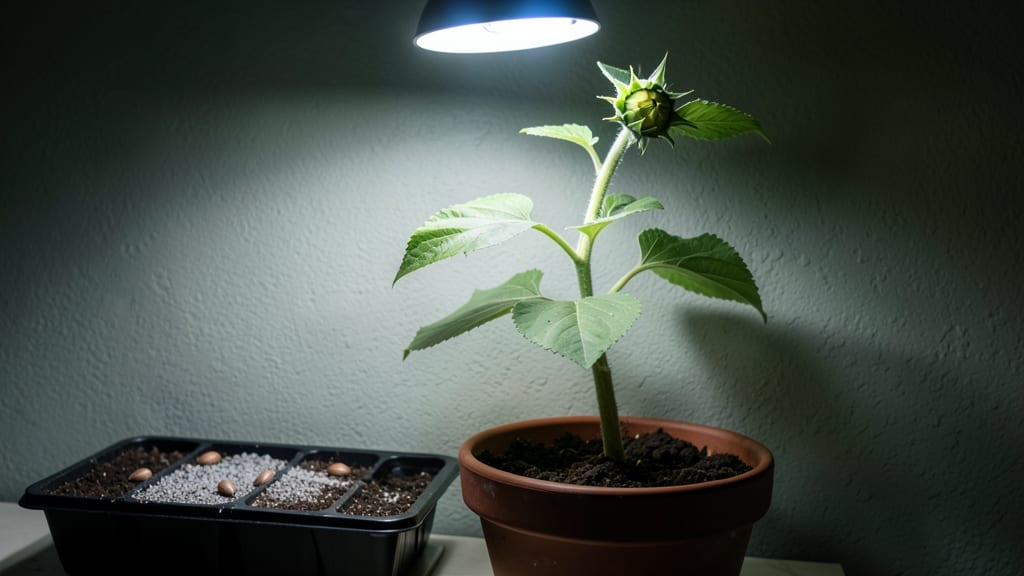
Growing sunflowers indoors is easier than you think—no greenhouse or bright windowsill required. 🌻 I’ve watched these cheerful giants thrive in my living room using just a simple grow light and a few key tricks.
The secret isn’t sunlight; it’s patience and the right setup to coax those towering stems upward.
You’ll need a 5-gallon container (or larger), well-draining potting mix, and a 12-hour grow light placed 12-18 inches above the plant. Sunflowers like it cozy—too much space makes them flop.
Start with dwarf varieties like ‘Moulin Rouge’ or ‘Teddy Bear’ for manageable indoor heights, but even standard types can reach 6-8 feet with proper support.
By week 4, you’ll see those first true leaves unfurl, followed by rapid growth that’ll have you measuring progress daily. The blooms might be smaller than outdoor counterparts, but the joy of watching them turn toward your grow light—heliotropism in action—makes it worth every inch.
Just be ready to stake them early or they’ll lean like drunken sailors.
Works in apartments, offices, or even sun-starved basements. The only real challenge? Keeping them upright. Trust me, the first yellow face peeking through those green bracts is a reward no outdoor garden can match. Let’s get those seeds started!
📚 In This Guide
- What you need
- Instructions
- Tips and common mistakes
- Wrapping up and next steps
What you need
- ● Sunflower seeds: Choose a compact variety like Moulin Rouge or Teddy Bear (height: 3–5 ft). Buy 2–3 seeds per pot.
- ● Containers: 1–2 large pots (12–14 inches deep) with drainage holes or a self-watering planter.
- ● High-quality potting mix: 2–3 bags of well-draining, nutrient-rich soil (avoid garden soil).
- ● Grow lights: 1–2 full-spectrum LED grow lights (12–16 watts per square foot) or a south-facing window (if natural light is strong).
- ● Watering can or spray bottle: For gentle hydration (avoid soggy soil!).
- ● Fertilizer: Balanced liquid fertilizer (10-10-10 or 20-20-20) or slow-release granules.
- ● Support stake or trellis: 1–2 bamboo stakes or a small cage to keep stems upright.
- ● Seed starter kit (for germinating seeds indoors before transplanting).
- ● Humidity dome or plastic wrap (to retain moisture during germination).
- ● Soil moisture meter (to track hydration levels).
- ● Decorative pot or saucer (for a cute, finished look!).
- ● Pruning shears (to trim dead leaves or encourage bushier growth).
Step-by-step instructions for growing sunflowers indoors
Here's how to coax those towering sunflowers indoors—no greenhouse needed.
🌱 Step 1: Select the Right Variety and Prepare Containers
Start with dwarf sunflower varieties like 'Teddy Bear' or 'Moulin Rouge,' which thrive indoors and reach 3-5 feet tall without sprawling. Avoid giant varieties—they'll outgrow your space and topple over. Use 6-8 inch diameter pots with drainage holes for each plant, since sunflowers develop deep taproots.
Fill the bottom 2 inches of each pot with fast-draining mix (I blend 50% perlite and 50% coco coir). This prevents root rot—a common killer of indoor sunflowers. The extra air space mimics their native dry soil conditions. Tap the pot gently to settle the mix without compacting it too tightly.
☀️ Step 2: Provide Supplemental Light and Warmth
Sunflowers need 12-14 hours of bright light daily, but no direct sunlight. Place pots under a full-spectrum LED grow light positioned 6-12 inches above the plants. I use a 24-inch T5 fluorescent bulb for my 4 plants—it covers all of them evenly. Raise the light as stems grow to maintain that distance.
Keep the room temperature between 65-75°F during the day and no lower than 55°F at night. Sunflowers are cold-sensitive and may drop buds if chilled. A simple seedling heat mat under pots during germination speeds things up, but remove it once true leaves appear.
💧 Step 3: Water Deeply and Monitor Soil Moisture
Water only when the top 2 inches of soil feel completely dry to the touch. Stick your finger in—if it comes out clean, it's time. Sunflowers hate soggy roots, which rot quickly in containers. I use a watering can with a narrow spout to direct moisture straight to the base without wetting leaves (which invites fungal diseases).
After watering, let excess drain completely for 10-15 minutes, then empty the saucer. Stagnant water in the tray is a fast track to root rot. If you notice yellowing lower leaves, cut back on watering immediately—it's the first sign of overwatering.
🌿 Step 4: Support Growth and Prune for Stronger Stems
Once stems reach 12 inches tall, insert 3-4 inch bamboo stakes beside each plant and tie them loosely with soft garden twine. Sunflowers grow top-heavy, and without support, they'll flop over. I like to use twist ties instead of knots—they're easier to adjust as the plant grows.
Pinch off any side buds that form below the top flower head to direct energy upward. This ensures one strong, showy bloom instead of multiple weak ones. Watch for aphids on new growth—spray with neem oil at the first sign of sticky residue on leaves.
⏰ Step 5: Encourage Blooming with Proper Care
Sunflowers need long daylight hours to trigger flowering. If natural light is insufficient, extend grow light exposure to 14 hours daily once stems reach 2 feet. Reduce watering slightly as buds form—they're more drought-tolerant at this stage but still need consistent moisture.
The moment the central disk of the flower turns brown and papery, it's fully open and ready to enjoy. Cut the stem at a 45-degree angle just above a leaf node for the longest vase life. Here's the thing—indoor sunflowers often bloom smaller than outdoor ones, but their cheerful faces more than make up for it.
Tips & tricks for growing sunflowers indoors
Here's what nobody tells you about bringing sunflowers to life indoors—these tricks make all the difference between wilting disappointment and vibrant success.
Lighting Strategy: Position your grow light so it's just 6-12 inches above the plants during the 12-14 hour daily period. I've found that adjusting the height as stems grow (every 4-5 inches of vertical growth) prevents leggy, weak stems. If you notice stems stretching toward the light, you're too far away—bring it closer.
Temperature Watch: The 65-75°F daytime range is critical, but don't overlook nighttime temps. If your home dips below 55°F at night, move plants near a sunny window or use a small space heater on low setting. Cold nights are the #1 reason indoor sunflowers drop buds before blooming—trust me on this.
Container Depth Matters: While 6-8 inch diameter pots work for dwarf varieties, go deeper if possible—sunflowers develop 2-3 foot taproots. I've had success with 12 inch deep containers that give roots room to establish before hitting the bottom. This prevents the plant from becoming root-bound and stunted.
Pruning Secret: When you pinch off those side buds below the main flower head, don't just snip—use your thumb and forefinger to gently crush the growth point. This prevents damage to the main stem while redirecting all energy upward. I do this every 2 weeks once buds appear, and it makes a noticeable difference in bloom size.
Pro Tips for Grow A Sunflower Indoors
- Here's what nobody tells you about bringing sunflowers to life indoors—these tricks make all the difference between wilting disappointment and vibrant success.
- Lighting Strategy: Position your grow light so it's just 6-12 inches above the plants during the 12-14 hour daily period.
- Temperature Watch: The 65-75°F daytime range is critical, but don't overlook nighttime temps.
Frequently asked questions
Can sunflowers really grow indoors without sunlight?
Yes! With the right setup—like a grow light or a south-facing window—you can grow sunflowers indoors. Dwarf varieties (like 'Teddy Bear' or 'Moulin Rouge') are ideal since they thrive in containers and need less space. Just ensure they get 6–8 hours of light daily to mimic sunlight.
How long does it take for an indoor sunflower to bloom?
Indoor sunflowers typically bloom in 8–12 weeks from seed, depending on the variety and growing conditions. Smaller varieties may flower faster, while larger ones could take longer. Patience is key—consistent light and warmth speed up the process!
What if my sunflower isn’t growing tall? How can I fix it?
If your sunflower is stunted, check these fixes:
- Light: Move it closer to a grow light or brighter window.
- Water: Keep soil consistently moist (not soggy).
- Support: Use a stake or trellis to prevent bending.
- Nutrients: Fertilize lightly with a balanced plant food every 2–3 weeks.
Are there sunflower alternatives for indoor growing?
If sunflowers seem tricky, try these low-light-friendly alternatives:
- Calendula (edible, bright blooms)
- Marigolds (drought-tolerant, pest-repelling)
- Zinnias (fast-growing, vibrant colors)
- Dwarf sunflowers (like 'Pocket Sun'—only 12–18" tall!)
Will my indoor sunflower survive winter?
Most indoor sunflowers are annuals and won’t survive winter long-term, but you can extend their life by:
- Moving them to a cool, bright spot (like a greenhouse or sunroom).
- Harvesting seeds before frost if outdoors.
- Repotting and keeping them indoors as a houseplant (though blooms may fade).
Wrapping up and next steps
Growing sunflowers indoors is a rewarding way to bring nature’s joy into your space—no backyard required! 🌻 With the right setup, patience, and a little sunlight, you can nurture a thriving sunflower from seed to bloom.
Whether you’re a beginner or a plant enthusiast, this journey is as fulfilling as it is beautiful.
Ready to take the next step? Start by picking your favorite sunflower variety and gathering your supplies. Then, dive in and watch your indoor garden grow—one sunny day at a time! 💪