
Flowers
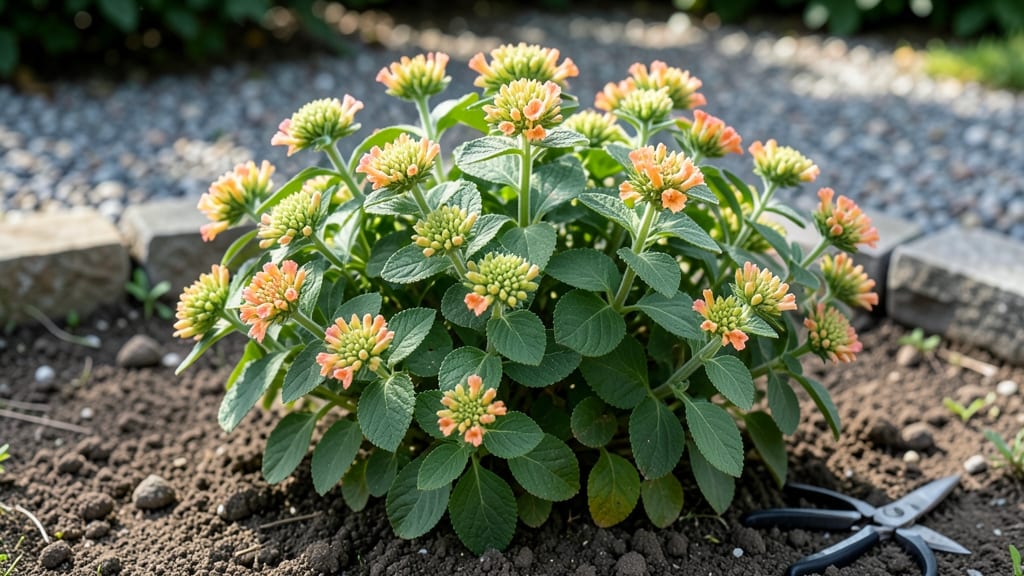
Those greenish yellow flowers don’t just brighten your garden—they turn it into a buzzing, humming pollinator paradise. 🌼 I’ve spent years collecting plants that blend soft greens with golden hues, and the results never fail to impress.
These aren’t your typical showy blooms; they’re the quiet stars that keep bees, butterflies, and hummingbirds visiting all season long.
The magic happens when you pair them right. Coreopsis with its papery petals, Rudbeckia’s sunburst centers, and Solidago’s airy plumes create movement and texture that no single plant could match.
Their subtle colors also make them perfect for borders, cottage-style gardens, or even modern landscapes where you want a natural, understated look. Plus, they thrive in full sun to part shade, so placement is flexible.
Imagine a border where greenish yellow flowers fade into purple salvias or deep red coneflowers—suddenly, your garden feels layered and alive. The pollinators adore them, and the color shifts with the light, giving you a garden that’s always evolving.
This isn’t just about pretty blooms; it’s about creating a living ecosystem that hums with activity.
Whether you’re designing a pollinator garden, a low-maintenance border, or a wildflower meadow, these plants deliver. They’re tough, adaptable, and their soft hues harmonize with almost any palette. Let’s dive into the best combinations to make your garden sing—without shouting.
📚 In This Guide
- What you need
- Instructions
- Tips and common mistakes
- Wrapping up and next steps
What you need
- ● Greenish-yellow flowering plants (3-5 varieties): Coreopsis (Tickseed) – 3-5 plants
- ● Rudbeckia (Black-Eyed Susan) – 3-5 plants
- ● Ligularia (Ragwort) – 2-3 plants (for bold foliage + blooms)
- ● Helenium (Sneezeweed) – 3 plants (drought-tolerant)
- ● Solidago (Goldenrod) – 3-5 plants (late-season nectar)
- ● Soil amendments: Compost (5-10 lbs, well-aged)
- ● Organic matter (e.g., leaf mold or peat moss, 2-3 lbs)
- ● Mulch: Shredded bark or straw (2-3 inches, 1 cubic yard for 100 sq ft)
- ● Garden trowel or hand shovel
- ● Pruning shears (for deadheading)
- ● Gloves (gardening or work gloves)
- ● Watering can or hose with adjustable nozzle
- ○ Optional: Soil pH tester (to ensure 6.0-7.0 range)
- ○ Optional: Drip irrigation kit (for low-maintenance watering)
- ● Sunlight: Full sun (6+ hours/day) for most varieties
- ● Well-draining soil (amend clay soil with sand if needed)
- ● Space: 12-24 inches apart for most plants (check tags for specifics)
- ● Pro tip: 💡 Plant in clusters of 3-5 for a dramatic, pollinator-friendly display!
How to create a pollinator-friendly garden with greenish yellow blooms
Here's how to design a vibrant, low-maintenance garden that keeps bees and butterflies buzzing all season.
🌱 Step 1: Select the Right Greenish Yellow Varieties
Start with a mix of native and pollinator-loved species that thrive in your hardiness zone. Core options include black-eyed Susan (Rudbeckia hirta), coreopsis (Coreopsis verticillata), and goldenrod (Solidago spp.)—all of which produce cheerful greenish-yellow blooms while supporting pollinators. I always include at least one early bloomer like creeping phlox (Phlox stolonifera) to kick off the season, followed by mid-to-late bloomers like butterfly weed (Asclepias tuberosa) for continuous color.
Check your local nursery for region-specific varieties—some, like sneezeweed (Helenium autumnale), bloom later in the season and provide nectar when other flowers fade. The key is diversity: aim for plants that flower at different times to ensure pollinators always have food. I like to sketch a quick layout before planting, grouping similar-height plants together for a natural, layered look.
☀️ Step 2: Choose Sun Exposure and Soil Conditions
Most greenish-yellow pollinator favorites thrive in full sun (6+ hours daily), though a few like golden ragwort (Packera aurea) tolerate partial shade. Test your garden’s sunlight by marking a stake at eye level and observing shadows throughout the day. If your site gets less than 4 hours of sun, opt for shade-tolerant varieties like wild bergamot (Monarda fistulosa), which still attracts pollinators with its fragrant blooms.
Soil prep is critical—these plants prefer well-draining, moderately fertile soil with a pH between 6.0 and 7.5. Amend heavy clay with 2-3 inches of compost before planting, and avoid over-fertilizing, which can lead to lush foliage but fewer flowers. I always do a simple soil test (available at garden centers) to check pH and adjust with lime or sulfur if needed. Mulch with 2-3 inches of organic mulch (like shredded leaves or straw) to retain moisture and suppress weeds.
💧 Step 3: Plant for Pollinator Success
Dig holes twice as wide as the root ball but no deeper—this encourages roots to spread outward for stability. Space plants according to their mature size: 18-24 inches apart for perennials like coreopsis, and 12-18 inches apart for shorter varieties like black-eyed Susan. I like to plant in clusters of 3-5, mimicking natural groupings that pollinators recognize easily. Water deeply after planting to settle the soil and eliminate air pockets around roots.
Here’s the thing—pollinators need both nectar and pollen sources. Pair your greenish-yellow bloomers with complementary colors like purple coneflower (Echinacea purpurea) or white yarrow (Achillea millefolium) to create a visually striking, functional garden. Avoid pesticides entirely—even "organic" sprays can harm pollinators. If aphids appear, blast them off with a strong stream of water instead.
✂️ Step 4: Maintain for Season-Long Blooms
Deadhead spent blooms regularly to encourage continuous flowering, but leave some seed heads for late-season pollinators and birds. I deadhead black-eyed Susan every 2-3 weeks, cutting back to the first set of healthy leaves. For perennials like goldenrod, I wait until late fall to cut back, as the seed heads provide winter interest and food for finches.
Water 1-2 inches per week, either from rainfall or supplemental irrigation, focusing on the soil rather than the foliage to prevent fungal diseases. Most of these plants are drought-tolerant once established, but consistent moisture during the first growing season helps roots develop deeply. In hot climates, water in the early morning to reduce evaporation and fungal risks.
🪴 Step 5: Extend the Season With Companion Plantings
To keep your garden buzzing from spring to frost, layer plants with staggered bloom times. Start with early bloomers like creeping phlox (March-April), followed by coreopsis (June-August), and finish with goldenrod (August-October). Add a few biennials like foxglove (Digitalis purpurea) for a late-summer splash of height and color.
Incorporate native grasses like little bluestem (Schizachyrium scoparium) for texture and additional pollinator support. These grasses provide shelter for beneficial insects and pair beautifully with the soft hues of greenish-yellow flowers. I also add a small water feature—a shallow dish with pebbles and a few inches of water—where butterflies can drink safely. This simple addition can double the number of pollinators visiting your garden.
Tips & tricks for perfect greenish yellow pollinator gardens
Here's what nobody tells you about creating a thriving pollinator haven that actually works.
Plant Diversity is Non-Negotiable: In Step 1, when selecting your greenish-yellow varieties, focus on creating a staggered bloom timeline. I've learned the hard way that planting all coreopsis together means a two-week window where pollinators have nothing to feed on. Mix early bloomers like creeping phlox with mid-season coreopsis and late-season goldenrod to ensure continuous nectar. The difference between a garden that buzzes all season and one that gets abandoned after two weeks comes down to this simple layering technique.
Soil Prep Makes or Breaks Success: The soil preparation in Step 2 is where many gardens fail before they even begin. Don't just eyeball that 2-3 inches of compost—use a level to create consistent depth across your planting area. I test my soil pH annually (it shifts over time) and adjust with pelletized lime if it drops below 6.0. The right soil conditions mean your plants will establish roots quickly and flower prolifically, while poor soil leads to weak growth and fewer blooms. This is especially critical for goldenrod, which thrives in leaner soils but struggles when over-fertilized.
Pollinator Pairing Strategy: When implementing the companion planting in Step 5, think about color contrast rather than just complementary hues. Purple coneflower next to coreopsis creates visual interest, but also provides a color spectrum that attracts different pollinator species. I've noticed monarch butterflies prefer the purple blooms while bees gravitate toward the yellow. This color diversity not only makes your garden more beautiful but also increases the variety of pollinators you'll attract, which means better pollination for your plants overall.
Watering Wisdom: The 1-2 inches per week guideline in Step 4 is perfect, but timing matters just as much as quantity. In hot climates, morning watering prevents evaporation and fungal growth, but in cooler regions, evening watering can help maintain soil moisture. I use a rain gauge to track precipitation and only supplement when needed. Overwatering is just as damaging as underwatering—it leads to root rot and weak plant structures that can't support blooms. Pay attention to your local climate patterns and adjust accordingly.
Pro Tips for Greenish Yellow Flowers
- Here's what nobody tells you about creating a thriving pollinator haven that actually works.
- Plant Diversity is Non-Negotiable: In Step 1, when selecting your greenish-yellow varieties, focus on creating a staggered bloom timeline.
- Soil Prep Makes or Breaks Success: The soil preparation in Step 2 is where many gardens fail before they even begin.
Frequently asked questions
Got questions about those stunning greenish-yellow blooms?
You’re not alone! Here are answers to the most common queries about growing, caring for, and enjoying these vibrant pollinator magnets.
What plants have greenish-yellow flowers?
Greenish-yellow flowers are a signature of Coreopsis (tickseed), Rudbeckia (black-eyed Susan), and Ligularia (ragwort). Other stars include Helenium (sneezeweed) and Solidago (goldenrod). These perennials thrive in full sun and add a unique twist to traditional yellow blooms.
When do greenish-yellow flowers bloom?
Timing varies by species! Most bloom from late spring to early fall, with Coreopsis and Rudbeckia starting as early as May and lasting through October. Ligularia often blooms later (July–September) and may rebloom with deadheading. Check your zone for precise timing.
Are greenish-yellow flowers good for pollinators?
Absolutely!
These flowers are a bee and butterfly magnet thanks to their nectar-rich blooms. Rudbeckia and Solidago are especially beloved by monarchs, while Coreopsis attracts hoverflies. Plant them in clusters to maximize their pollinator appeal.
How do I keep greenish-yellow flowers blooming all season?
Deadhead spent blooms regularly to encourage reblooming. Fertilize lightly with a balanced formula in spring, and mulch to retain moisture. Ligularia may need winter protection in colder zones. Water deeply but avoid soggy soil—these plants prefer consistency over sogginess.
What are some alternatives if I don’t like the greenish tint?
If you prefer pure yellow, try Helenium ‘Moorheadi’ or Helianthus (sunflower) varieties like ‘Lemon Queen.’ For chartreuse hues, Achillea ‘Moonshine’ (yarrow) offers a similar vibe. Mix textures with Echinacea (coneflower) for contrast.
Why aren’t my greenish-yellow flowers opening?
Check for these common issues: too much shade (most need 6+ hours of sun), overwatering (root rot can stunt blooms), or nutrient deficiency (yellowing leaves? Feed with phosphorus-rich fertilizer). Also, bud blast (from pests like Japanese beetles) can prevent opening—spray with neem oil if needed.
Wrapping up and next steps
From vibrant greenish yellow flowers like Coreopsis and Rudbeckia to pollinator-friendly blooms that brighten gardens year-round, these cheerful hues are nature’s way of inviting life into your space. 🌼 Whether you’re a seasoned gardener or just starting, these flowers prove that beauty and sustainability go hand in hand—so get inspired and plant with purpose!
Ready to transform your garden? Start small:
- Pick one greenish yellow variety to test your soil and sunlight.
- Check local nurseries for native species—your pollinators will thank you!
- Share your blooms on social media with #PollinatorHaven for extra joy (and tips from fellow gardeners!).