
Shrubs
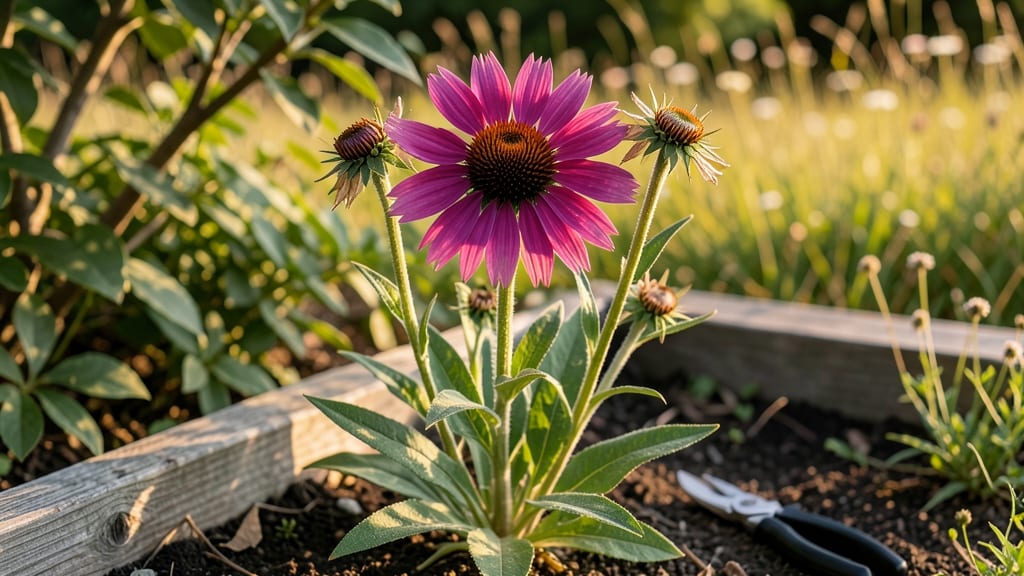
The care of purple coneflower is shockingly simple—dry spells, poor soil, even neglect barely faze it. 🌿 I’ve watched mine stand tall through droughts while neighbors’ plants wilted, and the secret isn’t complicated: this plant wants to grow.
The key lies in mimicking its natural prairie habitat, where it faces heat, wind, and irregular rain without breaking a sweat.
You’ll need full sun (at least six hours daily) and well-draining soil—even sandy or rocky ground works. Water deeply but infrequently once established; overwatering is the real enemy. A light feeding in early spring with compost or balanced fertilizer keeps it happy without fuss.
Pruning? Just snip back dead blooms in late summer to encourage next year’s flowers.
What you’ll end up with is a vibrant pollinator magnet—bees, butterflies, and hummingbirds will flock to those iconic purple blooms from midsummer until frost. The roots even improve soil over time, making it a low-maintenance workhorse for any garden. Once it’s settled in, it’s basically self-sufficient.
Perfect for borders, meadows, or even containers—this plant adapts to almost any spot. Here’s how to keep it thriving year after year without the usual perennial drama.
📚 In This Guide
- What you need
- Instructions
- Tips and common mistakes
- Wrapping up and next steps
What you need
- ● Purple coneflower seeds or nursery-grown plants: Choose Echinacea purpurea varieties (e.g., 'Magnus,' 'White Swan,' or 'Hot Papaya'). For seeds, opt for organic, untreated varieties for best germination.
- ● Well-draining soil: A mix of native soil + compost (ratio 3:1) or potting mix for containers. Aim for a pH of 6.0–7.0.
- ● Sunlight access: A spot with full sun (6+ hours/day) or partial shade (4–6 hours) in hot climates.
- ● Watering can or hose with a gentle spray nozzle: For deep watering (1–1.5 inches per week), especially during establishment.
- ● Garden trowel or transplant spade: For digging holes 2–3 times wider than the root ball.
- ● Pruning shears: Sharp, sterilized shears for deadheading and shaping (size: 5–7 inches blade).
- ○ Gloves (optional but recommended): Heavy-duty garden gloves to protect against thorns on mature plants.
- ○ Mulch (optional): 2–3 inches of organic mulch (e.g., shredded bark or straw) to retain moisture and suppress weeds.
- ● 🔥 Test your soil: Use a soil test kit to check nutrient levels before planting.
- ● 🌡️ Harden off seedlings: If starting indoors, acclimate plants to outdoor conditions over 7–10 days before transplanting.
- ○ ✨ Fertilizer (optional): A balanced, slow-release fertilizer (e.g., 10-10-10) once a year in early spring.
Step-by-step guide to thriving purple coneflower plants
This drought-tolerant beauty needs just a few key steps to flourish year after year.
🌱 Step 1: Plant in Well-Draining Soil with Full Sun
Purple coneflower thrives in full sun—at least 6-8 hours daily—and adapts beautifully to dry conditions once established. Choose a site with well-draining soil; these plants despise soggy roots. If your soil is heavy clay, amend it with 2-3 inches of compost or sand before planting to improve drainage.
Dig a hole twice as wide as the root ball but only as deep—planting too deep can suffocate the crown. Gently loosen the roots if they’re circling the pot, then place the plant so the top of the root ball sits just below soil level. This ensures the crown stays exposed but protected from erosion.
☀️ Step 2: Water Deeply but Infrequently After Establishment
During the first year, keep the soil consistently moist but not waterlogged—water 1-2 times per week depending on rainfall. Once established (after 6-12 months), purple coneflower becomes extremely drought-tolerant. Water deeply every 2-3 weeks during dry spells, focusing on the root zone rather than overhead watering. This encourages deep root growth and resilience.
Here’s the trick: water until the soil 6 inches deep feels damp. Stick your finger in the soil—if it’s dry at that depth, it’s time to water. Overhead watering can promote fungal diseases, so aim for the base of the plant. Mulch with 2-3 inches of organic mulch (like shredded bark) to retain moisture and suppress weeds.
✂️ Step 3: Prune Strategically for Longevity and Blooms
Deadhead spent blooms in late summer or early fall to encourage a second flush of flowers and prevent self-seeding if you don’t want volunteers popping up everywhere. Use clean, sharp pruners to snip back the flower heads just above the first set of healthy leaves. This redirects the plant’s energy toward root growth and next year’s blooms.
In early spring, cut back the previous year’s stems to 4-6 inches tall. This removes dead foliage and makes room for fresh growth. Avoid heavy pruning in fall—it can leave the plant vulnerable to winter damage. If you notice leggy stems or weak growth, trim them back to encourage bushier, stronger plants.
🌿 Step 4: Fertilize Lightly and Only When Needed
Purple coneflower is a low-maintenance perennial that doesn’t need much fertilizer. In early spring, apply a balanced, slow-release fertilizer (like 10-10-10) at half the recommended rate—over-fertilizing leads to lush foliage but fewer blooms. Alternatively, top-dress with 1-2 inches of compost in spring for a gentle nutrient boost without risking overfeeding.
Skip fertilizer entirely if your soil is already rich in organic matter. These plants prefer lean conditions and can become leggy or floppy if overfed. If you notice yellowing leaves, it’s more likely a sign of overwatering or poor drainage than nutrient deficiency—adjust your watering routine first.
⏰ Step 5: Protect from Winter and Encourage Long-Term Health
Purple coneflower is hardy in USDA zones 3-9, but young plants may need winter protection in colder climates. In zone 3-5, mound 2-3 inches of mulch around the base after the first hard frost to insulate the roots. Avoid heavy mulch in warmer zones—it can cause rot. The plant’s deep roots naturally protect it from most winter damage once mature.
Every 2-3 years, divide mature clumps in early spring to rejuvenate the plant. Dig up the entire plant, separate the roots into 3-4 inch sections, and replant immediately. This prevents overcrowding and keeps blooms abundant. Choose a cloudy day for transplanting to reduce stress on the roots.
Tips & tricks for perfect purple coneflower care
Here's what I've learned after years of growing these resilient beauties—small details make all the difference.
Sunlight Strategy: While purple coneflower thrives in full sun, I've found that 6-8 hours of direct sunlight is ideal, but morning sun with afternoon shade works too, especially in hotter climates. The key is avoiding midday scorching which can stress the plant. If you notice leaves turning crispy or yellowing, it's a sign they're getting too much intense afternoon sun.
Soil Science: The 2-3 inches of compost or sand recommendation for heavy clay soils can't be overstated. I once planted mine in unamended clay and struggled with poor drainage for years. Test your soil first—if it feels dense when wet, amend it. For sandy soils, add a bit of organic matter to help retain moisture during the critical first year.
Watering Wisdom: That 6-inch deep watering guideline is crucial—it encourages deep root growth that makes these plants so drought-tolerant later on. I use a screwdriver to check moisture at that depth. If it comes out clean, it's time to water. The 2-3 inch mulch layer helps maintain even moisture without smothering the plant, which is especially important in hot, dry climates.
Pruning Precision: When deadheading in late summer, I always look for the first set of healthy leaves below the spent bloom—this ensures we're cutting at the right spot to encourage new growth. For spring pruning, I never cut below 4-6 inches unless the plant is severely leggy. The plant stores energy in its roots, and cutting too low can weaken it for the next season's blooms.
Pro Tips for Care Of Purple Coneflower
- Here's what I've learned after years of growing these resilient beauties—small details make all the difference.
- Sunlight Strategy: While purple coneflower thrives in full sun, I've found that 6-8 hours of direct sunlight is ideal, but morning sun with afternoon shade works too, especially in hotter climates.
- Soil Science: The 2-3 inches of compost or sand recommendation for heavy clay soils can't be overstated.
Frequently asked questions
Got questions about growing and maintaining your Echinacea purpurea? Here are some of the most common concerns—plus expert tips to keep your purple coneflower thriving!
How often should I water my purple coneflower?
Once established (after the first year), purple coneflowers are extremely drought-tolerant and only need watering during prolonged dry spells. Water deeply 1-2 times per week during the first growing season to help roots develop. After that, let Mother Nature handle it—unless you’re in a severe drought.
Why aren’t bees visiting my coneflower?
If pollinators seem scarce, check these fixes:
- Timing: Blooms peak in mid-to-late summer—bees may be busy elsewhere earlier in the season.
- Pesticides: Avoid chemicals; coneflowers thrive on beneficial insects.
- Location: Plant in full sun (6+ hours/day) and near other pollinator-friendly flowers.
When and how should I prune purple coneflower?
Prune in early spring (before new growth) or late fall to remove dead stems. Cut back 1/3 of the plant to encourage bushier growth. Skip pruning in winter—the seed heads provide food for birds! Use clean, sharp shears to avoid disease.
Can I grow purple coneflower in containers?
Yes! Choose a large pot (12+ inches wide) with drainage holes and well-draining soil. Use a balanced fertilizer in spring, and repot every 2-3 years to refresh the soil. Containers dry out faster, so monitor moisture closely during hot spells. Bonus: Container-grown coneflowers often bloom earlier!
What pests should I watch for, and how do I treat them?
Common pests include Japanese beetles, aphids, and spider mites. For light infestations, spray with water to dislodge pests. For severe issues, use neem oil or insecticidal soap. Avoid chemical pesticides—they harm pollinators! Prevention tip: Healthy plants (full sun, good drainage) resist pests better.
Wrapping up and next steps
Caring for purple coneflower is a rewarding way to support pollinators while adding beauty to your garden with minimal effort! With its drought-resistant nature and striking blooms, this perennial thrives in sunny spots with well-drained soil—making it perfect for both beginners and seasoned gardeners. 🌻
Now that you’re equipped with the right tips, roll up your sleeves and give your purple coneflower the love it deserves!
Start by planting one today, and soon you’ll enjoy a vibrant, pollinator-friendly garden that keeps coming back year after year. Ready to dive in? Check out our planting guide for step-by-step instructions!