
Pests
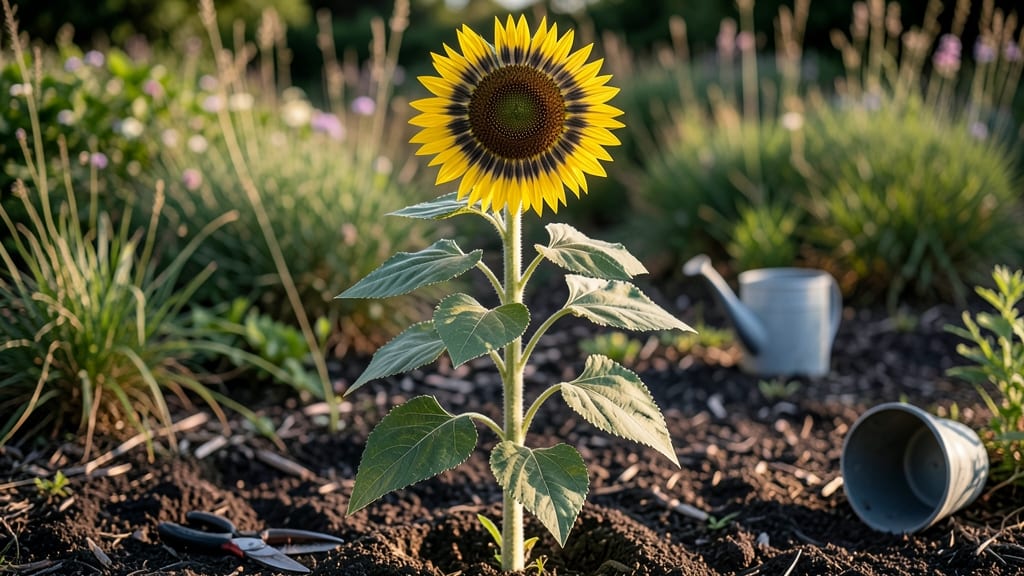
Growing gray stripe sunflowers means adding striking vertical drama to your garden with almost no fuss—these cold-hardy beauties thrive where others falter.
I planted mine last spring in a shady corner where tomatoes refused to grow, and they shot up 6 feet tall by July, their silvery foliage shimmering in the breeze. The real magic?
Their minimalist care routine: forget weekly deadheading or staking—just plant, water occasionally, and watch them create a living privacy screen that hummingbirds adore.
Their secret weapon is that silver-gray striped foliage, which stays vibrant even in heatwaves and looks stunning against deep green perennials. They handle poor soil better than most sunflowers, though well-draining earth with a touch of compost will reward you with bolder stems and more prolific blooms.
Spacing them 18-24 inches apart lets them grow tall without crowding, and they self-seed reliably if you leave the seed heads—though I deadhead mine for cleaner lines.
By midsummer, you’ll have a drought-tolerant vertical garden that blooms from top to bottom, with cheerful yellow flowers attracting pollinators all season. The plants stay sturdy even in light breezes, so no staking needed—just enjoy their architectural presence while they outperform high-maintenance varieties.
Perfect for cottage gardens, pollinator patches, or even container growing in small spaces.
Here’s the best part: they’re cold-hardy down to zone 3, so you can plant them early or late without worry. No pruning required unless you want to shape them, and they handle neglect like a champ.
Once established, they’re basically a set-it-and-forget-it sunflower with a modern, artistic edge. Ready to grow one?
📚 In This Guide
- What you need
- Instructions
- Tips and common mistakes
- Wrapping up and next steps
What you need
- ● Gray stripe sunflower seeds – 50–100 seeds (or 1–2 seed packets for a small garden; 5+ for larger spaces). Look for Helianthus annuus varieties like 'Lemon Queen' or 'Moulin Rouge'.
- ● Well-draining potting mix or garden soil – 5–10 gallons (for containers) or amended native soil (for in-ground planting). Aim for a pH of 6.0–7.5.
- ○ Containers (optional for early starts) – 5–7" deep pots with drainage holes (if sowing indoors or in cooler climates).
- ● Garden trowel or transplanting tool – For digging holes (3–4" deep) and spacing seeds.
- ● Watering can or hose with a gentle nozzle – Sunflowers hate soggy roots! Keep soil consistently moist but not waterlogged.
- ○ Organic fertilizer (optional but helpful) – Balanced 10-10-10 or compost (1–2 tbsp per plant at planting time).
- ● Mulch (straw or shredded leaves) – 1–2 inches to retain moisture and suppress weeds.
- ● Seed-starting heat mat – Speeds up germination if starting indoors in cool climates (70–75°F ideal).
- ● Plant labels – To track varieties (especially if mixing seeds!).
- ● Pest deterrents – Neem oil or row covers (for early seedlings vulnerable to birds/squirrels).
- ● Tall stakes or trellis – For varieties that may lean (though gray stripe sunflowers are typically sturdy!).
- ● Pruning shears – For minimal deadheading (though these sunflowers thrive with zero pruning!).
Step-by-step instructions for planting and cultivating gray stripe sunflowers
Here's how to establish these striking, low-maintenance sunflowers that thrive in cooler climates.
🌱 Step 1: Select and Prepare the Planting Site
Gray stripe sunflowers thrive in full sun—choose a location receiving at least 6-8 hours of direct sunlight daily. These sunflowers are particularly cold-hardy, tolerating temperatures as low as 20°F once established, so they're ideal for early spring or fall plantings in most climates.
Amend the soil with 2-3 inches of compost to improve drainage and fertility, especially if your native soil is heavy clay. Gray stripe sunflowers have deep taproots, so avoid working the soil more than 6 inches deep—disturbing deeper layers can hinder root development. Test the soil pH; these sunflowers prefer a slightly acidic to neutral range of 6.0-7.0.
🌱 Step 2: Plant Seeds at the Correct Depth and Spacing
Direct-sow seeds ½ inch deep in early spring, 2-3 weeks before your last frost date, or in late summer for fall blooms. Space seeds 12-18 inches apart in rows 24 inches apart to allow for their mature 3-5 foot height and 2-3 foot spread. I like to plant them in clusters of 3-4 seeds every 3 feet to create a natural, wind-resistant grouping.
Water the soil to a depth of 1 inch before planting to encourage rapid germination. Gray stripe sunflowers typically sprout within 7-14 days at soil temperatures above 50°F. If planting in cooler climates, consider using a seedling heat mat to maintain consistent 60-70°F soil temperatures during germination.
☀️ Step 3: Maintain Moisture and Fertility Without Overhead Watering
Once seedlings emerge, water deeply 2-3 times per week, aiming for 1-1.5 inches of water per week. Gray stripe sunflowers are drought-tolerant once established but produce their best foliage and blooms with consistent moisture. Water at the base of the plant in the early morning to prevent fungal diseases like powdery mildew, which can affect sunflowers in humid conditions.
Apply a balanced 10-10-10 fertilizer at ½ the recommended rate when seedlings reach 4-6 inches tall, then again when they begin flowering. These sunflowers are not heavy feeders, so avoid excessive nitrogen, which promotes leafy growth at the expense of striking gray-and-yellow striped blooms. Mulch with 2-3 inches of straw or wood chips to retain soil moisture and suppress weeds.
✂️ Step 4: Minimize Pruning and Support as Needed
Gray stripe sunflowers require minimal pruning—simply remove any dead or damaged foliage as needed. Unlike some sunflower varieties, these plants are naturally sturdy and rarely require staking unless grown in windy locations. If you notice stems leaning excessively, insert 3-foot bamboo stakes near the base and loosely tie the main stem with soft twine to provide support without restricting growth.
Deadhead spent blooms by snipping the stem ½ inch above the next set of leaves to encourage additional flowering. However, if you're growing these sunflowers primarily for their striking foliage and winter interest, you can leave some blooms to seed. The resulting seed heads add texture to winter gardens and attract birds.
⏰ Step 5: Extend the Season with Cold-Hardy Care
Gray stripe sunflowers retain their architectural beauty well into winter, making them excellent for seasonal interest. Once the first frost blackens the foliage, cut back the stems to 12 inches tall in early spring to encourage fresh growth. These sunflowers are perennial in USDA zones 3-9, though they may self-seed prolifically in warmer climates.
In colder regions, the taproots often survive winter, allowing the plants to regrow from the base in spring. If you notice any winter dieback, simply trim back any dead growth in early spring and fertilize lightly to promote new growth. Their resilience makes them a perfect low-maintenance addition to perennial borders or cottage gardens.
Tips & tricks for perfect gray stripe sunflower cultivation
These practical insights will help you maximize the striking beauty of your cold-hardy sunflowers with minimal effort.
Sunlight Optimization: While the instructions specify 6-8 hours of direct sunlight, I’ve found that positioning your sunflowers slightly east-west rather than north-south can extend their sunlight exposure by up to 2 hours in early spring or late fall. This is especially useful if your garden has afternoon shade—morning sun is gentler and helps prevent leaf scorch, which can dull those gorgeous gray-and-yellow stripes.
Soil Preparation Secret: The 2-3 inches of compost mentioned is a great start, but for heavier clay soils, I recommend mixing in 10% perlite or coarse sand to improve aeration without disturbing those critical deep taproots. This prevents waterlogging, which can lead to root rot and stunted growth. Test your soil’s drainage by digging a hole, filling it with water, and timing how long it takes to drain—ideal is under 6 hours.
Germination Boost: If you’re planting in cooler climates where soil temperatures dip below 50°F, I’ve had the most success using a seedling heat mat set to maintain 60-70°F soil temps. These mats are affordable and can cut your germination time from 14 days to as little as 7 days. Just remember to remove the mat once sprouts emerge to avoid overheating the delicate seedlings.
Winter Care Strategy: For the 12-inch pruning after frost, I recommend using clean, sharp pruners and cutting at a 45-degree angle just above a leaf node. This encourages bushier regrowth in spring and prevents disease entry points. In zones 3-5, I also mound 4-6 inches of straw mulch around the base for extra insulation—this can protect roots down to 15°F without smothering the plant.
Pro Tips for Gray Stripe Sunflower
- These practical insights will help you maximize the striking beauty of your cold-hardy sunflowers with minimal effort.
- This is especially useful if your garden has afternoon shade—morning sun is gentler and helps prevent leaf scorch, which can dull those gorgeous gray-and-yellow stripes.
- This prevents waterlogging, which can lead to root rot and stunted growth.
Frequently asked questions
Got questions about growing gray stripe sunflowers? You’re not alone—this striking variety has unique traits that spark curiosity! Here are answers to the most common queries, from planting tips to pest troubleshooting.
How cold-hardy are gray stripe sunflowers compared to other varieties?
Gray stripe sunflowers are exceptionally cold-tolerant, often surviving light frosts (25–30°F) and thriving in USDA zones 3–9. Unlike standard sunflowers, they won’t bolt prematurely in cool weather, making them ideal for early spring or fall plantings. For extra protection, mulch around the base to retain warmth.
When is the best time to plant gray stripe sunflowers for maximum height?
Plant seeds 2–4 weeks after your last frost date for optimal growth. These sunflowers mature slowly (90–120 days), so avoid late summer plantings—they may not reach full height before winter. For a taller canopy, sow seeds in full sun (6+ hours/day) and space them 18–24 inches apart.
What pests are most likely to attack gray stripe sunflowers, and how do I prevent them?
Common pests include aphids, sunflower moths, and beetles. To deter them:
- Neem oil spray (weekly preventative)
- Plant marigolds nearby (natural repellent)
- Remove yellowing leaves (moths lay eggs there)
- Handpick beetles early in the day
Can I grow gray stripe sunflowers in containers, or do they need in-ground planting?
Yes! They adapt well to large containers (18"+ diameter) with drainage holes. Use a lightweight potting mix and a 5-gallon pot per plant for stability. Container-grown sunflowers may need staking (especially in windy areas) but still reach 6–8 feet tall.
Do gray stripe sunflowers require pruning, or can I let them grow wild?
One of their biggest perks? Minimal pruning! Remove only dead or diseased leaves and trim back overcrowded stems to improve airflow. If you want a neater look, prune 10–15% of the top growth in early summer—but this isn’t required. Their striped foliage stays vibrant with little effort!
Bonus Tip: How can I extend the blooming season?
For longer color, succession plant seeds every 2–3 weeks (until 6 weeks before your first frost). Deadhead spent blooms to encourage new flower production, and water deeply 1–2 times per week during dry spells. Gray stripe sunflowers often rebloom if given consistent care!
Wrapping up and next steps
The gray stripe sunflower is a stunning, low-maintenance addition to any garden, thriving in cold climates with minimal fuss. Its striking foliage and hardy nature make it a favorite for both beginners and seasoned gardeners alike—and you’re now ready to grow one! 🌱
Take the next step by marking your planting spots, gathering your supplies, and watching your garden transform. Whether you’re adding it for beauty, shade, or pest control, your gray stripe sunflower will reward you with effortless elegance. Happy planting! 🌞