
Flowers
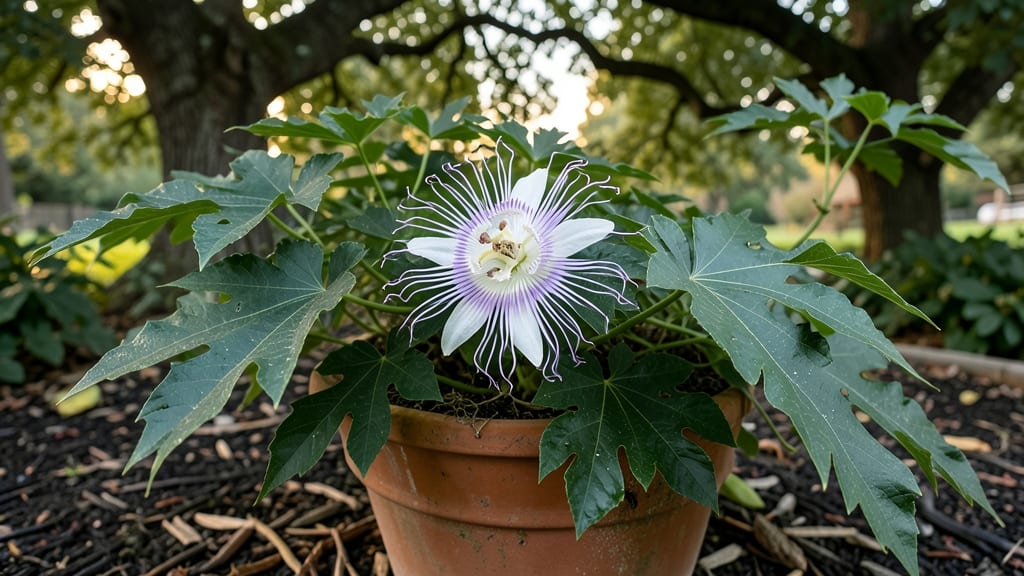
Growing white passion fruit flowers in the Ozarks means transforming your garden into a fragrant, frost-tolerant canopy that thrives where others fail. ✨ These cold-hardy vines produce striking white blooms and sweet, tropical-tasting fruits—even when temperatures dip below freezing.
My first harvest surprised me: the vines survived a late spring frost, while nearby citrus plants wilted.
The key is mimicking their natural habitat: well-draining soil, 6+ hours of sunlight daily, and a sturdy trellis for their vigorous growth. Unlike tropical passion fruits, these varieties handle Zone 6 winters with proper mulching and winter protection.
You’ll need patience—the vines take 2-3 years to fully mature, but once established, they reward you with 100+ fruits per plant each season.
Imagine morning air filled with their honey-scented blooms, followed by clusters of golden, grape-sized fruits that burst with flavor. The white flowers contrast beautifully against deep green foliage, creating a dramatic focal point.
With the right care, your Ozark garden will become the talk of the neighborhood—no tropical climate required.
Here’s the catch: white passion fruit vines demand consistent moisture and regular pruning to prevent disease. But the payoff—frost-resistant vines, stunning flowers, and homegrown fruit—makes every effort worth it. Let’s get those roots in the ground!
📚 In This Guide
- What you need
- Instructions
- Tips and common mistakes
- Wrapping up and next steps
What you need
- ● Passion flower seeds or rooted cuttings: 3–5 plants (choose a cold-hardy variety like 'May Poppins' or 'Conquistador').
- ● Well-draining potting mix: 10–15 gallons (blend 60% garden soil, 20% compost, 20% perlite/sand).
- ○ Containers (optional but recommended for cold climates): 5-gallon fabric grow bags or pots (12–14 inches deep) with drainage holes.
- ● Support structure: 6–8 ft trellis, fence, or sturdy wire mesh (passion vines need vertical space!).
- ● Hand trowel or transplant spade (for planting).
- ● Pruning shears (sterilized with rubbing alcohol).
- ● Mulch: 2–3 inches of straw or wood chips (to retain moisture and protect roots).
- ● Drip irrigation or soaker hose (for consistent watering).
- ● Fertilizer: Balanced 10-10-10 or organic compost tea (apply every 4–6 weeks).
- ● Row covers or frost cloth (for young plants in early spring/fall).
- ● Black plastic mulch (to warm soil in early spring).
- ● Thermometer (to monitor nighttime temps—below 28°F can damage flowers).
- ● Epsom salt (1 tbsp/month for magnesium-rich blooms).
- ● Bee-attracting companion plants (e.g., borage or lavender).
- ● Hummingbird feeder (to encourage pollination!).
Step-by-Step instructions for cultivating cold-hardy white passion flower vines
Here’s how I’ve mastered growing these stunning vines in the Ozarks’ cooler climate.
🌱 Step 1: Select and Prepare the Planting Site
White passion flowers (Passiflora caerulea or P. incarnata) thrive in partial shade to morning sun—critical for Ozark summers. Choose a spot with dappled sunlight or 6 hours of morning sun to prevent leaf scorch. The soil must drain well, so amend heavy clay with 2-3 inches of compost mixed into the top 12 inches of soil.
I always test soil pH first—these vines prefer 6.0-7.0. If your soil is too acidic, work in 1-2 pounds of dolomitic lime per 100 square feet and mix it in deeply. Avoid low spots where water pools, as soggy roots will rot quickly. A 6-inch-deep trench filled with gravel can help if drainage is poor.
🪴 Step 2: Plant Bare-Root or Container-Grown Vines
For bare-root plants, soak the roots in lukewarm water for 1-2 hours before planting to rehydrate them. Dig a hole twice as wide as the root ball but only as deep—never bury the crown (the swollen base where roots meet stems). This prevents rot and encourages strong growth.
If using container-grown vines, remove the plant gently and loosen the roots if they’re circling. Place it in the hole so the top of the root ball sits level with the surrounding soil. Backfill with native soil mixed with 1 cup of bone meal per plant to boost phosphorus for flowering. Water deeply to settle the soil and eliminate air pockets.
☀️ Step 3: Establish Support and Early Care
Passion vines grow 15-25 feet per season, so install a strong trellis, arbor, or pergola immediately. I use metal T-posts with 2-inch mesh wire for durability—wood rots too quickly in our humid summers. Train the main stem along the support as it grows, tying it loosely with soft plant ties every 3-4 feet.
Water deeply once a week during the first 4-6 weeks to encourage deep root growth. Check soil moisture by sticking your finger 2 inches down—if it’s dry, water again. Avoid overhead watering, especially in the morning, to prevent fungal diseases like powdery mildew. Mulch with 3 inches of shredded bark to retain moisture and regulate soil temperature.
✂️ Step 4: Prune for Cold Hardiness and Flowering
In early spring, prune back one-third of the previous year’s growth to stimulate new, vigorous shoots. Remove any dead or weak stems at the base. This is also the time to thin out crowded growth—healthy vines produce more flowers when air circulates freely. I prune in late February when new buds form but before active growth begins.
In fall, cut back all growth by half after the first frost. This helps the plant survive Ozark winters (down to 0°F) by reducing the amount of foliage that could freeze. Leave 3-4 strong canes for next year’s growth. Apply a 2-inch layer of mulch around the base after pruning to insulate roots.
🌿 Step 5: Encourage Blooms and Overwintering
White passion flowers bloom on new wood, so regular pruning (as in Step 4) is key. Fertilize in early spring with a balanced 10-10-10 fertilizer—use 1 tablespoon per plant to avoid overfeeding, which reduces flowering. I also side-dress with 1/4 cup of compost in late spring to support steady growth.
Once established, vines need minimal watering—only during prolonged dry spells. Watch for aphids or spider mites, common pests in Ozark summers. Spray infested areas with neem oil or insecticidal soap at the first sign of damage. In late fall, wrap young vines in burlap if temperatures drop below 10°F for extended periods.
Tips & tricks for perfect cold-hardy white passion flower vines
These game-changing strategies will help you cultivate thriving white passion flower vines that flourish in Ozark's challenging climate.
Site Selection Insight: When evaluating sunlight exposure in Step 1, pay close attention to seasonal sun patterns. Morning sun provides gentle warmth without the intense afternoon heat that can scorch delicate leaves. I've found that east-facing locations with afternoon shade from trees or structures create the perfect microclimate. Consider testing your site for 6 hours of morning sun during the summer months before committing to a permanent location.
Planting Technique: The 1-2 hour root soaking in Step 2 is non-negotiable for bare-root plants. I recommend using a bucket of lukewarm water with a handful of seaweed extract to stimulate root growth during this process. For container-grown vines, gently teasing apart circling roots creates a more favorable environment for establishing new root growth in the native soil. This simple step can make the difference between a struggling plant and one that thrives from day one.
Support System Strategy: When installing your trellis in Step 3, position it to catch prevailing winds. In our Ozark region, this often means orienting it north-south to prevent wind damage to the delicate vines. I've had success using metal T-posts with 2-inch mesh wire that can support the vines' impressive 15-25 foot growth per season. Remember to leave enough space between the trellis and other structures for easy maintenance access.
Pruning Precision: The late February timing in Step 4 is crucial for stimulating new growth while avoiding frost damage. Look for the first signs of bud swell—these tiny green bumps indicate the plant's readiness to respond to pruning. When thinning crowded growth, aim to maintain a spacing of about 6 inches between canes to ensure proper air circulation, which is essential for preventing fungal diseases in our humid climate.
Pro Tips for Passion Fruit Flower White
- These game-changing strategies will help you cultivate thriving white passion flower vines that flourish in Ozark's challenging climate.
- Site Selection Insight: When evaluating sunlight exposure in Step 1, pay close attention to seasonal sun patterns.
- Planting Technique: The 1-2 hour root soaking in Step 2 is non-negotiable for bare-root plants.
Frequently asked questions
Got questions about growing Passiflora incarnata (maypop) with its stunning white flowers? Here are answers to the most common ones—from timing to troubleshooting!
When is the best time to plant white passion flower seeds or cuttings?
Plant seeds indoors 8–10 weeks before your last frost date (they need warmth to germinate). For cuttings, late spring or early summer is ideal—when new growth is vigorous but not yet flowering. If you’re in the Ozarks, aim for April–May for outdoor planting once soil warms to 60°F+.
Is the white passion flower truly cold-hardy? How do I protect it in winter?
Yes! This native variety tolerates USDA Zones 5–9, but young plants or harsh winters may need help. Mulch heavily with straw or leaves (4–6 inches) and wrap the base with burlap. In extreme cold (<10°F), add a cloche or row cover for extra insulation. Prune back dead growth in early spring.
Why aren’t my white passion flowers attracting pollinators?
These flowers rely on bees, butterflies, and hummingbirds—but sometimes they’re shy! Ensure your plant gets full sun (6+ hours/day) and plant native pollinator-friendly companions like bee balm or coneflowers nearby. Avoid pesticides, and hand-pollinate with a soft brush if flowers aren’t setting fruit.
Can I grow white passion flower in containers? What’s the best setup?
Use a large pot (15+ gallons) with drainage holes and a well-draining mix (60% potting soil, 30% perlite, 10% compost). Place in full sun and water when the top 2 inches of soil dry out. Winterize by moving pots to a garage or wrapping them in insulation.
My white passion flower leaves are yellowing or dropping. What’s wrong?
Yellow leaves often signal overwatering, root rot, or nutrient deficiency. Check soil moisture—let it dry slightly between waterings. If roots smell foul, repot in fresh soil. For deficiencies, feed with a balanced fertilizer (10-10-10) in spring and summer. Fungal issues? Prune affected leaves and apply neem oil.
Wrapping up and next steps
Growing white passion fruit flowers in your Ozark garden isn’t just rewarding—it’s a thrilling adventure that brings vibrant beauty and resilience to your landscape. 🌸 With the right soil, sunlight, and care, these cold-hardy vines will flourish, offering stunning blooms and delicious fruit.
Whether you’re a seasoned gardener or just starting, this guide gives you everything you need to succeed.
Now that you’re armed with knowledge, roll up your sleeves and plant your first vine! Start small, experiment with varieties, and watch your garden transform into a fragrant, fruiting paradise. Happy gardening! 🌱