
Flowers
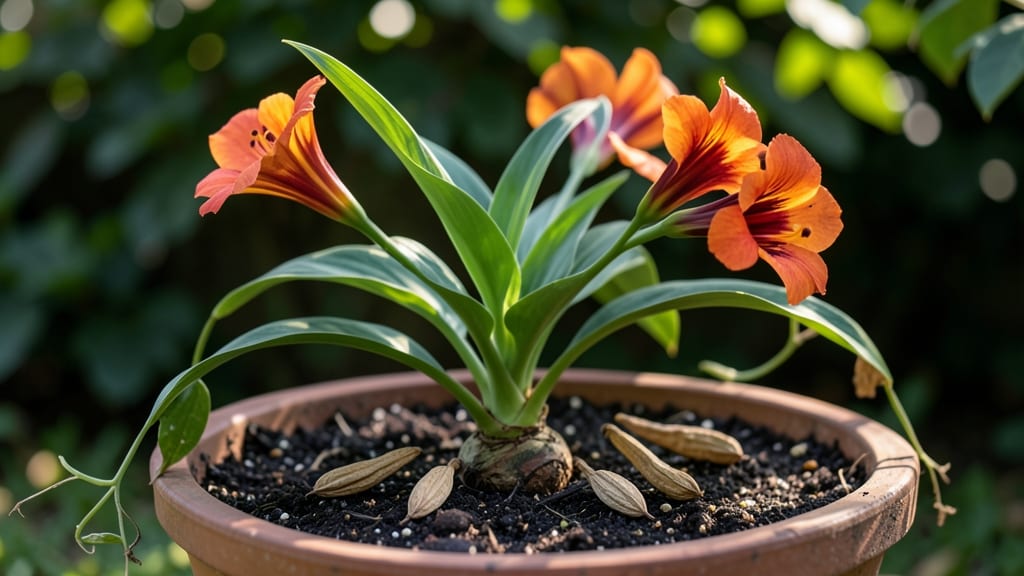
Growing gloriosa daisy flowers means bringing a tropical showstopper to your garden—those striking, nodding blooms with fiery orange petals and dramatic black centers. 🌺 I fell for them after seeing how they climb like vines but bloom like showy perennials, and now I can't imagine a garden without their bold presence.
The secret to their success lies in mimicking their native habitat: rich, well-draining soil, bright indirect light, and consistent warmth.
These plants thrive in USDA zones 9-11, but with the right care, they can even survive cooler climates as annuals or in containers you can bring indoors.
They need 6+ hours of sunlight daily but appreciate afternoon shade in hot zones—think of them as the divas of the plant world. The soil should be moist but never soggy, and a mix of compost with regular potting soil works wonders for their tropical roots.
What makes gloriosa daisies truly special is their year-round blooming potential when grown in ideal conditions. With proper support (like a trellis or sturdy fence), they'll climb 6-10 feet tall, draping your garden in cascading flowers.
The trade-off? They're toxic to pets and humans, so keep them out of reach—though that won't stop you from admiring their dramatic beauty from afar.
Ready to transform a shady corner or patio into a tropical paradise? These plants reward patience with months of vibrant blooms, and once established, they're surprisingly low-maintenance. Let's get those tubers planted and turn your space into a gloriosa daisy haven!
📚 In This Guide
- What you need
- Instructions
- Tips and common mistakes
- Wrapping up and next steps
What you need
- ● Gloriosa daisy seeds or cuttings: Choose high-quality seeds (e.g., Gloriosa superba) or healthy cuttings from a trusted nursery.
- ● Well-draining potting mix: 10–15 lbs of a blend with perlite, coco coir, and orchid bark (60% peat/40% perlite ratio).
- ● Containers or garden bed: For pots: 12–16" diameter containers with drainage holes (1–2 plants per pot).
- ● For outdoor planting: A sunny, sheltered spot with loose, fertile soil (pH 6.0–7.5).
- ● Slow-release fertilizer: 5–10 lbs of balanced 10-10-10 or organic options like worm castings.
- ● Hand trowel or small shovel: For transplanting or soil prep.
- ● Watering can with a rose nozzle: For gentle hydration (avoid soggy roots!).
- ○ Misting bottle (optional): To maintain humidity for seedlings.
- ● Pruning shears: For trimming dead leaves or shaping vines.
- ● Support stakes or trellis: 4–6 ft tall for climbing varieties.
- ○ Thermometer (optional): To monitor ideal temps (65–85°F/18–29°C).
- ● Patience: Gloriosa daisies thrive in warmth—wait until after the last frost (Zone 9–11) or grow indoors year-round.
- ● Light: Bright, indirect sunlight (6+ hours daily). Avoid harsh midday sun.
- ● Humidity: 50%+ (use a humidity tray if indoor conditions are dry).
- ● Toxicity note: All parts are toxic to pets—keep out of reach!
Step-by-Step guide to cultivating gloriosa daisy flowers
Here's how to coax these bold tropical blooms into your space—no greenhouse required.
🌱 Step 1: Select the Right Container and Soil Mix
Gloriosa daisies thrive in well-draining, airy soil that mimics their native tropical forest floor. Choose a 10-12 inch diameter pot with drainage holes—these plants hate soggy roots. I blend 2 parts peat moss with 1 part perlite and 1 part coarse sand to create the perfect light, fluffy mix. The goal is soil that holds moisture but never stays waterlogged.
Fill the pot ¾ full with your mix, leaving space for the plant's root ball. Tap the container gently on the table to settle the soil without compacting it. The surface should feel firm enough to support the plant but still allow roots to penetrate easily. Real talk: If you skip the sand, roots will suffocate and rot within weeks.
☀️ Step 2: Position for Bright, Indirect Light
Gloriosa daisies crave bright, filtered light—think dappled shade under a canopy. Place your pot near an east-facing window where it gets morning sun and gentle afternoon light. If your space only has south-facing windows, position the plant 6-8 feet back from the glass to prevent leaf scorch.
Watch for these cues: Leaves that darken or develop yellow patches mean too much direct sun. If growth slows dramatically, the plant needs more light. I rotate my pot quarter-turn weekly to ensure even exposure—you'll see straighter stems and fuller blooms within a month.
💧 Step 3: Master the Watering Routine
Water when the top 2 inches of soil feel dry to the touch. Stick your finger in—if it comes out clean, it's time. Gloriosa daisies prefer consistent moisture but will forgive occasional dry spells better than standing water. I water deeply until liquid runs from the drainage holes, then empty the saucer immediately to prevent root rot.
Here's the thing—these plants are drought-tolerant once established, but young specimens need weekly watering in warm months. Reduce to every 10-14 days in winter when growth slows. Overwatering is the #1 killer; yellowing leaves usually mean you're watering too much, not too little.
✂️ Step 4: Prune for Bushier Growth and Blooms
Pinch back the top set of leaves when the plant reaches 12 inches tall to encourage branching. Use clean, sharp scissors to make the cut just above a leaf node. This might seem counterintuitive—why cut when you want flowers?—but it triggers lateral growth where those bold blooms will appear.
Deadhead spent flowers by snipping the stem ½ inch below the bloom. This redirects the plant's energy toward new buds instead of seed production. I do this every 2-3 days during peak bloom season. After flowering, cut back one-third of the plant's height to maintain shape and encourage a second flush of blooms.
🪴 Step 5: Fertilize for Continuous Blooming
Feed every 4-6 weeks during spring and summer with a balanced liquid fertilizer (10-10-10 ratio). I dilute it to half-strength—stronger concentrations burn roots. The key is consistency: Gloriosa daisies respond dramatically to regular feeding, producing larger, more vibrant blooms within weeks.
In fall and winter, switch to a low-nitrogen, high-phosphorus formula (like 5-10-5) to support root development. You'll notice new growth slows in cooler months, but this is normal. Reduce fertilizing to every 8 weeks until spring. Never fertilize a thirsty plant—always water first to prevent root burn.
Tips & tricks for perfect gloriosa daisy cultivation
These insider secrets will help you coax vibrant, long-lasting blooms from your tropical canopy plants.
Soil Science: The 2:1:1 ratio of peat moss, perlite, and coarse sand isn't just arbitrary—it creates the perfect air-to-moisture balance. If you're concerned about peat moss sustainability, substitute coconut coir for equal parts while maintaining the same sand-to-perlite ratio. I've found adding a handful of worm castings to the mix at planting boosts early root development without altering the structure.
Light Strategy: That quarter-turn weekly rotation in Step 2 isn't just about even exposure—it's a growth hack. Plants develop toward light sources, so rotating prevents lopsided growth. For indoor growers without ideal windows, consider a grow light on a timer (12-14 hours daily) positioned 12-18 inches above the plant. The key is mimicking natural dappled shade conditions.
Watering Wisdom: The "top 2 inches dry" rule works, but here's the pro move: Use a moisture meter for accuracy, especially in winter when soil dries more slowly. I've noticed plants develop root rot when saucers aren't emptied promptly—always check for standing water after watering. For established plants, you can actually let the top 3 inches dry out between waterings in summer without stressing the roots.
Pruning Payoff: That 12-inch height for pinching in Step 4 is your growth multiplier. The magic happens at the leaf nodes—these are where lateral buds form. I use sterilized pruning shears and make clean cuts at 45-degree angles just above the node. For dramatic results, you can even pinch back multiple sets of leaves to encourage bushier growth, though this may delay first flowering by 2-3 weeks.
Pro Tips for Gloriosa Daisy Flower
- These insider secrets will help you coax vibrant, long-lasting blooms from your tropical canopy plants.
- Soil Science: The 2:1:1 ratio of peat moss, perlite, and coarse sand isn't just arbitrary—it creates the perfect air-to-moisture balance.
- Light Strategy: That quarter-turn weekly rotation in Step 2 isn't just about even exposure—it's a growth hack.
Frequently asked questions
Got questions about growing gloriosa daisies? You’re not alone! Here are answers to the most common queries—so you can cultivate these stunning tropical bloomers with confidence.
How long does it take for a gloriosa daisy to bloom after planting?
A gloriosa daisy typically takes 6 to 12 months to produce its first flowers, depending on growing conditions. Young plants need time to establish strong roots and foliage before blooming. Patience pays off—once mature, they reward you with vibrant blooms year-round in warm climates!
Are gloriosa daisies toxic to pets or humans?
Yes, all parts of the gloriosa daisy are toxic if ingested. The plant contains colchicine, a compound that can cause nausea, vomiting, or worse if consumed. Keep it out of reach of pets and children, and wear gloves when handling.
Can I grow gloriosa daisies indoors in pots?
They thrive in large containers with well-draining soil and bright, indirect light. Place them near east or west-facing windows. In winter, supplement with grow lights to mimic their tropical needs. Just ensure pots have drainage holes to prevent root rot.
Why aren’t my gloriosa daisy leaves turning green?
Yellowing or pale leaves often signal nutrient deficiency (like nitrogen) or overwatering. Check soil moisture—it should stay slightly damp but never soggy. Feed with a balanced fertilizer every 4–6 weeks. If pests like spider mites are present, treat with neem oil.
What’s the best alternative if I can’t grow gloriosa daisies?
If your climate is too cool, try similar tropical climbers like:
- Bird of Paradise (Strelitzia) – Bold, exotic blooms
- Plumeria – Fragrant flowers, drought-tolerant
- Passionflower (Passiflora) – Unique, edible varieties
Wrapping up and next steps
The gloriosa daisy flower is a stunning tropical treasure that rewards patience and care with vibrant, year-round blooms. By mastering its light, soil, and humidity needs—and staying vigilant against pests—you’ll unlock a lush, flowering canopy that brightens any space.
Whether you’re a seasoned gardener or just starting, this beauty is well worth the effort!
Ready to bloom with confidence? Grab your supplies, pick a sunny spot, and get growing—your gloriosa daisy’s first blossoms are just around the corner! 🌺✨