
Flowers
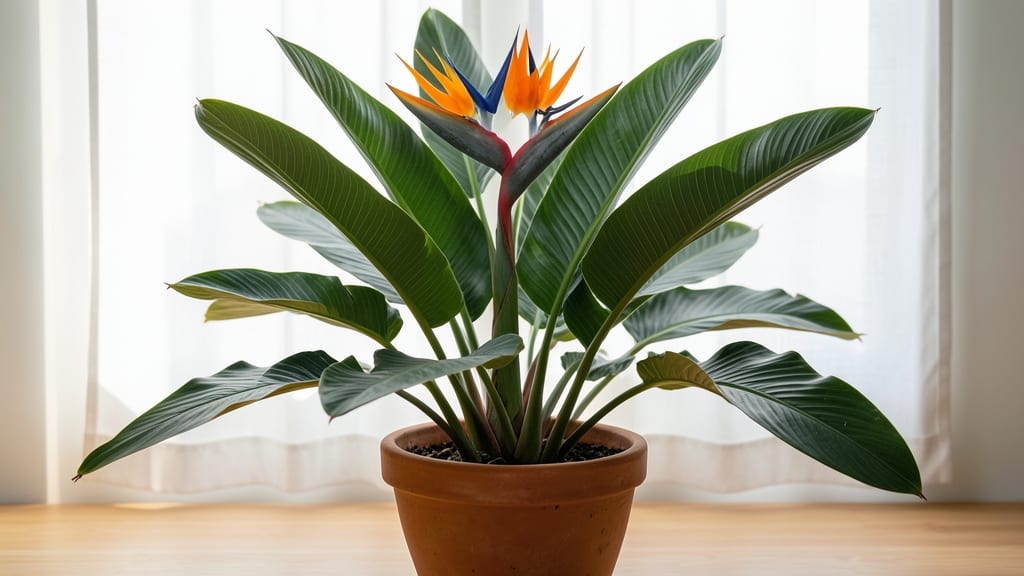
Growing the red bird of paradise flower means bringing a splash of fiery orange and vibrant yellow to your garden—no matter where you live. 🌺 This tropical stunner thrives in zones 9-11 but can be grown as a container plant in cooler climates, offering year-round blooms that look like exotic birds in full flight.
The secret lies in mimicking its native habitat: bright light, well-draining soil, and minimal fuss once established.
You’ll need a sunny spot that gets at least 6 hours of direct light daily, a mix of sandy loam soil, and patience—this plant rewards slow growth with bold, showy flowers that attract hummingbirds and butterflies.
Pruning after blooming keeps it bushy, and propagation from seeds or cuttings makes it easy to share with fellow plant lovers. Even beginners can master its care with the right approach.
The payoff? A tropical canopy that blooms continuously, with glossy green foliage and fiery flowers that stand out against any backdrop. Whether in pots on a patio or planted in the ground, this plant becomes the star of your garden—no green thumb required.
Let’s get you growing one that’ll turn heads all season long.
Bonus: It’s drought-tolerant once established, making it a low-maintenance superstar for busy gardeners. Just avoid overwatering, and you’ll have a plant that thrives with minimal effort. Ready to add some drama to your space?
📚 In This Guide
- What you need
- Instructions
- Tips and common mistakes
- Wrapping up and next steps
What you need
- ● Red Bird of Paradise Plant: A healthy nursery-grown Strelitzia reginae (size depends on preference—smaller plants adapt faster, while larger ones offer instant impact).
- ● Well-draining potting mix: 3–4 gallons (for containers) or amend garden soil with 50% perlite/sand (to prevent root rot).
- ○ Container (optional but recommended for indoor/urban growers): Minimum 12-inch diameter (15+ inches for mature plants).
- ● Drainage holes mandatory—use a cache pot if needed.
- ● Material: Terracotta (breathable) or plastic (retains moisture).
- ● Fertilizer: Balanced 10-10-10 or 20-20-20 (diluted to half-strength).
- ● Slow-release osmocote (3–4 months’ coverage).
- ● Gloves (gardening or heavy-duty for handling large leaves).
- ● Trowel or shovel (for transplanting or soil prep).
- ● Watering can or hose with gentle spray nozzle (avoid over-saturating roots).
- ○ Mulch (optional but helpful): 3–4 inches of bark or pine needles to retain moisture.
- ● Support stake (for outdoor plants): 5–6 ft bamboo or metal stake (if growing in windy areas).
- ● Sunlight assessment: Confirm 6+ hours of indirect light daily (direct sun may scorch leaves).
- ● 🌡️ Temperature: Ideal range is 60–80°F—avoid drafts or frost (below 30°F kills the plant).
- ● ✨ Humidity boost: Group plants together or use a pebble tray with water for indoor growers.
- ● 🎯 Pruning shears (for trimming dead leaves or spent blooms—sterilize with rubbing alcohol!).
Step-by-step instructions for cultivating red bird of paradise
Here's how to coax this bold tropical into thriving bloom—starting with the right conditions.
🪴 Step 1: Select the Perfect Container and Soil Mix
Choose a 12-15 gallon container with drainage holes—these plants despise soggy roots. I opt for unglazed terra cotta because it breathes and mimics their native rocky soil. The mix should be 60% well-draining potting soil, 30% perlite, and 10% coarse sand to prevent compaction.
Fill the pot halfway, then add a 2-inch layer of gravel at the bottom for extra drainage. This prevents root rot, which is the #1 killer of bird of paradise. Press the soil lightly but don't compact it—you want air pockets for those fibrous roots to spread.
☀️ Step 2: Position for Maximum Sunlight and Shelter
Red bird of paradise craves full sun (6+ hours daily) but needs protection from harsh afternoon rays in hot climates. I place mine near a south-facing window or under a 30% shade cloth during peak summer heat. If outdoors, a sheltered patio with morning sun works best.
Watch for yellowing leaves—this signals either too much direct sun or insufficient water. Rotate the pot quarter-turn weekly so growth stays even. In winter, move it near a bright window or supplement with a grow light to maintain 12 hours of light daily.
💧 Step 3: Water Deeply and Maintain Consistent Moisture
Water when the top 2-3 inches of soil feel dry—stick your finger in to check. I use lukewarm water to avoid shocking the roots, pouring until it drains freely from the bottom. Never let it sit in saucers; empty them after 10 minutes to prevent root suffocation.
This plant thrives on regular moisture but won't tolerate soggy soil. Here's the trick: water deeply every 5-7 days in summer, reducing to every 10-14 days in winter when growth slows. Yellowing leaf edges mean you're overwatering; crispy tips mean underwatering.
✂️ Step 4: Prune for Shape and Encourage New Growth
Prune in early spring before new growth begins. Cut back 1/3 of the oldest stems to the ground—this stimulates fresh, vibrant shoots. Use clean, sharp shears to avoid tearing the leaves. I also trim any dead or damaged foliage year-round to keep the plant tidy.
Here's where it gets fun: Pinch back the tips of new growth when they reach 6-8 inches tall. This encourages bushier growth and more blooms. Remove spent flower stalks by cutting them at the base—this redirects energy to producing new blooms rather than seeding.
Tips & tricks for cultivating red bird of paradise
Between us, these tropical beauties reward patience—but only if you nail a few key details. Here's what nobody tells you about keeping yours thriving.
Container Selection: Unglazed terra cotta isn't just my preference—it's a game-changer for root health. The porous material wicks away excess moisture, which is critical since these plants hate soggy conditions. If you must use plastic, drill extra drainage holes and elevate the pot to prevent waterlogging. Remember, the 2-inch gravel layer at the bottom isn't optional—it's your first line of defense against root rot.
Light Management: That 6+ hours of full sun requirement is non-negotiable, but timing matters just as much. In hot climates, I've seen leaves scorch when exposed to unfiltered afternoon sun (2 PM onward). The 30% shade cloth during peak heat isn't just a suggestion—it's how I've prevented leaf burn every summer. For indoor growers, supplementing with 12 hours of grow light in winter makes all the difference between sparse growth and lush foliage.
Watering Wisdom: The finger-check method for top 2-3 inches of soil is foolproof, but here's the secret: water until it drains freely from the bottom, then wait those full 10 minutes before returning excess to the saucer. I've ruined plants by rushing this step—don't make my mistake. And those crispy tips? They're your plant's way of screaming "I'm thirsty!" before it's too late.
Pruning Precision: When you're pinching back those 6-8 inch tips, aim for just above a leaf node where new growth will emerge. I use clean shears every time to avoid spreading disease—this isn't a plant that forgives sloppy cuts. The early spring pruning (before new growth begins) is your chance to reset the plant's energy for the season, so don't skip it.
Pro Tips for Red Bird Of Paradise Flower
- Between us, these tropical beauties reward patience—but only if you nail a few key details.
- Container Selection: Unglazed terra cotta isn't just my preference—it's a game-changer for root health.
- Light Management: That 6+ hours of full sun requirement is non-negotiable, but timing matters just as much.
Frequently asked questions
Got questions about nurturing your red bird of paradise flower (Caesalpinia pulcherrima)? You’re not alone! Here are answers to the most common curiosities—from care tips to troubleshooting—so you can keep those vibrant blooms thriving year-round.
How fast does the red bird of paradise grow, and when can I expect flowers?
The red bird of paradise is a fast grower, often reaching 6–10 feet tall within 2–3 years under ideal conditions. Flowers typically appear within 1–2 years of planting, especially if given full sun (6+ hours daily) and well-draining soil. Patience pays off—once established, it blooms continuously in warm climates (zones 9–11) or as an annual in cooler areas. Pro tip: Prune lightly after flowering to encourage bushier growth and more blooms next season!
Why aren’t my red bird of paradise flowers opening, or they’re dropping early?
This stunning flower is sensitive to stress, so drooping or closed blooms often signal overwatering, underwatering, or poor drainage. Check these fixes:
- Watering: Let soil dry 2–3 inches deep between waterings—this tropical beauty hates soggy roots!
- Sunlight: Ensure it gets bright, indirect light (direct midday sun can scorch leaves).
- Nutrients: Feed with a balanced fertilizer (10-10-10) every 4–6 weeks during growing season.
- Pests: Inspect for aphids or spider mites—they sap energy from blooms.
Quick fix: Trim affected buds to redirect energy to new growth.
Can I grow red bird of paradise in containers, and what’s the best pot size?
This flower thrives in containers with at least 18–24 inches in diameter to accommodate its deep root system. Use a fast-draining mix (60% potting soil, 30% perlite, 10% compost) and ensure pots have drainage holes. For long-term container growth, upgrade to a 30-gallon pot every 2–3 years. Move pots indoors (near a sunny window) if temps drop below 40°F (4°C).
Are there cold-hardy alternatives to red bird of paradise for cooler climates?
If your zone is below 9, consider these hardy, similarly vibrant alternatives:
Plant
Hardiness Zone
Bloom Color
Care Notes
Mexican Sunflower (Tithonia rotundifolia)
8–11
Orange-red
Drought-tolerant; annual or short-lived perennial.
Firecracker Flower (Russelia equisetiformis)
9–11 (can be grown as annual in 8+)
Red-orange
Trailing habit; loves heat and full sun.
Blanket Flower (Gaillardia pulchella)
3–10
Red/yellow
Drought-resistant; blooms all summer.
Bonus: Try growing red bird of paradise as a houseplant near a south-facing window—it’ll reward you with blooms year-round with proper light and humidity!
What pests or diseases should I watch for, and how do I treat them?
While resilient, red bird of paradise can fall prey to:
- Pests:
- Aphids (sticky leaves) → Spray with neem oil or blast off with water.
- Spider mites (yellowing leaves) → Increase humidity and use insecticidal soap.
- Whiteflies (tiny white bugs) → Trap with yellow sticky cards.
- Diseases:
- Root rot (wilting, brown stems) → Improve drainage and repot.
- Powdery mildew (white dust) → Prune affected leaves and space plants for airflow.
Prevention tip: Avoid overhead watering to keep foliage dry and reduce fungal risks!
Wrapping up and next steps
The red bird of paradise flower is a stunning, low-maintenance tropical beauty that rewards gardeners with vibrant blooms and lush foliage year-round. Whether you’re a seasoned gardener or just starting, its adaptability and striking appearance make it a fantastic addition to any outdoor space. 🌺
Now that you’re armed with the right knowledge—from soil prep to troubleshooting—take the next step! Plant yours today and watch your garden transform into a breathtaking tropical oasis. Share your progress with fellow plant lovers, and don’t forget to experiment with companion plants to maximize its dazzling impact.