
Planting
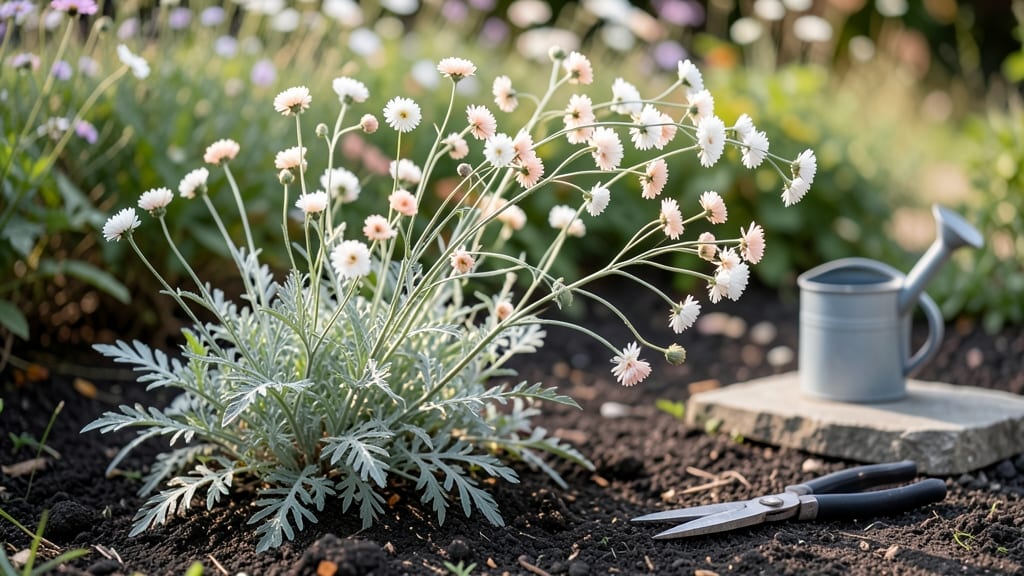
Planting gaura flowering plants means adding a drought-tolerant superstar to your garden that blooms from spring until frost—with minimal fuss. 🌸 I fell for gaura after watching mine thrive in my dry, hot summers, putting out delicate, airy flowers for months without so much as a sip of extra water.
The secret lies in its native Texas roots and the way it grows in clumps that spread naturally over time.
You’ll need full sun (at least 6 hours daily), well-draining soil, and patience—gaura takes 3 years to hit its full bloom potential but rewards you with 3-4 months of flowers once established.
The plants handle poor soil better than most perennials, making them perfect for slopes, borders, or even containers where other plants might struggle. Varieties like 'Siskiyou Pink' and 'Whirling Butterflies' add movement to the garden with their dancing stems.
Expect a cloud of tiny, lacy blooms that flutter in the breeze, attracting bees and butterflies while repelling deer. The foliage stays tidy with minimal pruning—just snip back leggy stems in early spring to encourage bushier growth.
By summer’s end, you’ll have a low-maintenance showstopper that outlasts most annuals and requires less water than your lawn.
Works in zones 5-9, making it one of the most adaptable perennials for dry climates. Once planted, it’s a set-it-and-forget-it beauty that keeps giving year after year. Ready to add some effortless charm to your garden?
📚 In This Guide
- What you need
- Instructions
- Tips and common mistakes
- Wrapping up and next steps
What you need
- ● Gauras seeds: 1 packet (50-100 seeds) or pre-started seedlings (2-4 plants for a small garden bed).
- ● Well-draining potting mix: 1-2 bags (10-15 quarts each) of a blend designed for perennials or succulents (e.g., Black Gold Natural & Organic).
- ○ Garden soil (optional but recommended): 1-2 bags (10-15 quarts each) of compost-amended topsoil for planting outdoors.
- ● Containers (for seedlings): 6-12 4-inch biodegradable pots or small plastic trays with cell packs.
- ● Grow lights or sunny windowsill: A full-spectrum LED grow light (if starting indoors) or a south-facing window with 6+ hours of sunlight.
- ● Hand trowel: 1 ergonomic stainless-steel model (for transplanting seedlings).
- ● Garden gloves: 1 pair (to protect hands from soil and thorns).
- ● Watering can or hose with a gentle spray nozzle: For even moisture without disturbing seedlings.
- ● Pruning shears: 1 pair (for trimming dead blooms or shaping plants).
- ○ Mulch (optional): 1 bag of pine bark nuggets or straw mulch (to retain moisture and suppress weeds).
- ○ Fertilizer (optional): A balanced, slow-release granular fertilizer (e.g., 10-10-10) or an orgánico liquid fertilizer like fish emulsion.
- ● Drought-resistant plant food (e.g., Miracle-Gro Shake ‘n Feed) for established plants.
- ● A sunny spot with at least 6-8 hours of full sun daily (gauras thrive in heat!).
- ● Access to well-draining soil (gauras hate soggy roots—amend clay soil with sand or gravel if needed).
- ● Patience! Gauras may take 2-3 years to reach their full, showy bloom potential.
Step-by-step guide to planting and maintaining gaura for long-lasting blooms
Here's how to establish gaura for its signature 3-year flowering cycle—drought-tolerant once rooted.
🌱 Step 1: Select the Perfect Planting Site and Prepare the Soil
Gaura thrives in full sun to partial shade (minimum 6 hours of direct sun daily). Choose a spot with well-draining soil—this plant despises soggy roots. If your soil is heavy clay, amend it with 2-3 inches of coarse sand or perlite mixed into the top 12 inches of soil to improve aeration.
I dig a hole twice as wide as the root ball but only as deep as the container it came in. The plant's crown (where stems meet roots) should sit just above soil level. Gaura's taproot is delicate when young, so handle it carefully—don't let it dry out before planting.
🪴 Step 2: Plant and Water for Initial Establishment
Place the gaura in the hole and backfill with native soil, pressing gently to eliminate air pockets. Water deeply right after planting—about 1 gallon per plant—to settle the roots. You'll see the soil surface darken slightly as water soaks in; this confirms proper absorption.
Mulch around the base with 2-3 inches of organic mulch (like shredded bark) to retain moisture and suppress weeds. Keep mulch 2 inches away from the stem to prevent rot. Gaura's drought tolerance kicks in after 4-6 weeks, but consistent moisture during its first season encourages strong root development.
☀️ Step 3: Provide Minimal Care for Maximum Blooms
Once established, gaura needs very little water—about 1 inch per week during dry spells. Let the soil dry out between waterings; you'll know it's time when the top 2 inches feel dry to the touch. Overwatering causes yellowing leaves and stunted growth.
Fertilize lightly in early spring with a balanced 10-10-10 fertilizer (use ½ teaspoon per plant). Gaura's delicate blooms respond poorly to heavy feeding. Deadhead spent flowers by snipping stems just above a set of leaves to encourage continuous blooming from late spring through fall.
✂️ Step 4: Prune Strategically for Year-Round Health
After the first hard frost (when foliage turns brown), cut back stems to 4-6 inches tall. This prevents disease buildup in dead growth and promotes vigorous new shoots in spring. Gaura's airy habit means it rarely needs shaping, but you can trim leggy stems in early summer to maintain a bushier form.
Divide clumps every 3-4 years in early spring to rejuvenate plants. Dig up the entire plant, separate sections with clean pruners, and replant immediately. Gaura spreads easily, so division keeps it from becoming overcrowded.
Tips & tricks for perfect gaura planting and maintenance
These practical insights will help you coax the most vibrant blooms from your gaura while avoiding common pitfalls that stifle growth.
Site Selection Secret: While gaura tolerates partial shade, I've found plants in morning sun with afternoon shade in hot climates produce the most prolific blooms. The key is avoiding the intense 3-6 PM afternoon sun that can scorch delicate foliage, especially in zones 7 and above. Test your spot by observing how much direct sun hits it between 10 AM and 3 PM—this is the sweet spot for gaura.
Root Handling Technique: Gaura's taproot is surprisingly fragile during transplanting. To minimize shock, I always water the plant 24 hours before moving—this pre-hydration makes the root ball easier to extract intact. When removing from containers, gently squeeze the sides to loosen soil while supporting the root ball with your other hand. Never pull by the stems! The root ball should maintain its shape when lifted.
Watering Wisdom: The 1 gallon per plant initial watering isn't just about settling roots—it's about creating a moisture reservoir. In sandy soils, this water will drain quickly, so I recommend adding a 2-inch layer of hydro-mulch (like coconut coir) around the base to slow evaporation. For clay soils, the opposite approach works: water less frequently but more deeply to encourage deep root penetration. Check soil moisture by sticking your finger 2 inches down—if it's dry, it's time to water.
Pruning Precision: When cutting back after frost, I use clean, sharp pruners and make cuts at a 45-degree angle just above a leaf node. This angled cut prevents water from pooling on the stem, reducing rot risk. For leggy stems in summer, I remove only the top 1/3 of the stem—never more than half—to maintain the plant's airy structure. The goal is to encourage branching from lower nodes while preserving the gaura's signature wispy habit.
Pro Tips for Gaura Flowering Plant
- These practical insights will help you coax the most vibrant blooms from your gaura while avoiding common pitfalls that stifle growth.
- Site Selection Secret: While gaura tolerates partial shade, I've found plants in morning sun with afternoon shade in hot climates produce the most prolific blooms.
- Root Handling Technique: Gaura's taproot is surprisingly fragile during transplanting.
Frequently asked questions
Got questions about growing and caring for gaura flowering plants? You’re not alone! Here are some of the most common queries—plus quick, actionable answers to keep your garden blooming beautifully.
How long does it take for gaura to bloom after planting?
Gaura typically takes 60–90 days to bloom after planting, depending on conditions. If you start seeds indoors, expect flowers in 3–4 months. For transplants, blooms may appear sooner—sometimes within 4–6 weeks in warm climates. Patience pays off, though!
Can gaura survive drought once established?
Gaura is a drought-tolerant superstar once its roots are well-established (usually after the first year). After that, water deeply but infrequently—about once a week in dry spells. Overwatering is the real enemy here!
What pests commonly affect gaura, and how do I prevent them?
Gaura is generally pest-resistant, but watch for aphids or spider mites in hot, dry weather. Spray plants with water to dislodge pests, or use neem oil as a preventive. Healthy soil and good airflow keep problems at bay.
Are there any low-maintenance alternatives to gaura for drought-prone gardens?
If gaura isn’t quite your style, try these drought-tolerant perennials:
- Lavender – Fragrant and thrives in poor soil.
- Russian sage – Purple blooms with minimal fuss.
- Black-eyed Susan – Bright yellow flowers, super hardy.
- Sedum (Stonecrop) – Succulent-like and nearly indestructible.
How do I protect gaura from winter damage in colder climates?
Gaura is hardy to USDA Zones 5–9, but young plants or harsh winters may need help. Mulch heavily (2–3 inches) with straw or leaves to insulate roots. In Zone 5, cut back stems to 2–3 inches in late fall for better regrowth. Avoid mulching too early—wait until temps drop consistently below 40°F.
Wrapping up and next steps
Incorporating a gaura flowering plant into your garden is a fantastic way to enjoy colorful, low-maintenance blooms that thrive even in dry conditions. With its unique 3-year bloom cycle and drought-resistant nature, this perennial is perfect for both novice and experienced gardeners looking to add beauty without the fuss. 🌸
Now that you’re armed with the right knowledge, why not take the next step? Pick your spot, gather your supplies, and let this resilient beauty brighten up your outdoor space—your future garden will thank you!