
Companion Plants
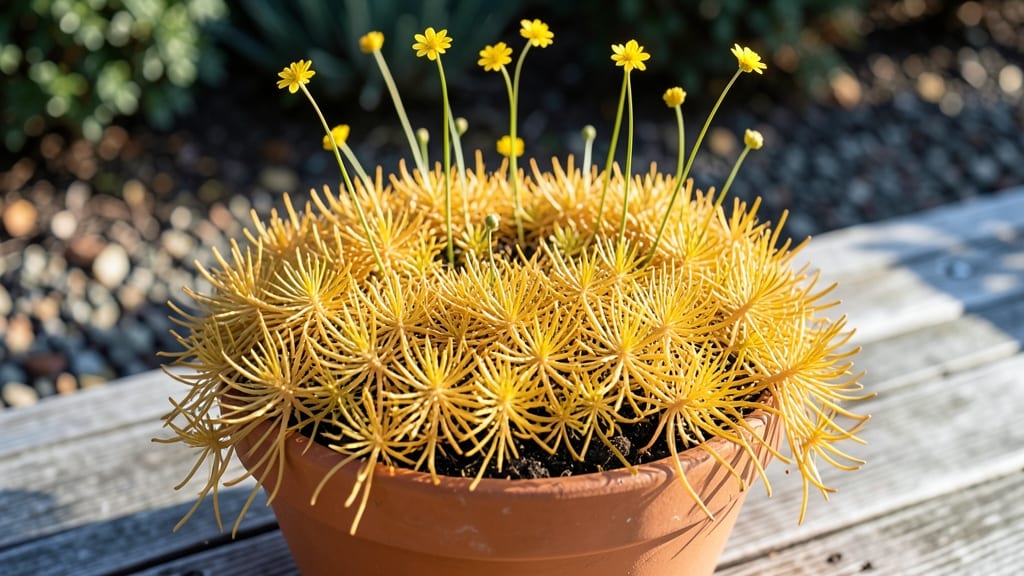
Sedum plants with yellow flowers bring a golden glow to any sunny spot, and I’ve learned their secret: they thrive where most plants wilt. 🌻 These drought-tolerant stars need full sun to burst into vibrant blooms, making them perfect for borders, rock gardens, or even container displays.
The key lies in well-draining soil and minimal fuss—ideal for busy gardeners who still want drama.
My go-to varieties, Sedum 'Angelina' and Sedum 'Matrona', deliver that signature yellow hue year-round, with Matrona boasting striking red stems that contrast beautifully. Start with a mix of sand and native soil to prevent rot, and water only when the top inch feels dry.
Prune back leggy stems after flowering to keep them compact and encourage next year’s blooms.
You’ll love how these plants reward patience with low-maintenance beauty—think golden cascades in summer and fiery foliage in fall. Pair them with lavender or ornamental grasses for a sun-loving dream team. Once established, they’ll spread happily, filling gaps with cheerful color while demanding almost no attention.
For winter care, a light mulch protects roots, and spring’s first pruning sets the stage for another season of sunlit brilliance. Whether you’re filling a dry patch or adding height to a border, these sedums deliver effortless elegance. Ready to transform your sunniest spot into a golden oasis?
📚 In This Guide
- What you need
- Instructions
- Tips and common mistakes
- Wrapping up and next steps
What you need
- ● Sedum plants with yellow flowers: 1–3 plants per container (6–12" pots) or 3–5 plants per square foot in garden beds
- ● Varieties like Sedum ‘Angelina’, ‘Golden Mop’, or ‘Stardust’ (ensure they’re labeled for yellow blooms)
- ● Well-draining potting mix: 1–2 bags (1–2 cubic feet) of cactus/succulent mix or regular potting soil amended with 20–30% perlite or coarse sand
- ○ Containers (optional for pots): Terracotta, ceramic, or fabric pots (5–12" diameter) with drainage holes
- ● Or a raised garden bed with at least 6" depth
- ○ Gravel or decorative stones: Small pebbles (1–2 lbs) for mulching (optional but recommended)
- ● Garden trowel or small shovel (for planting)
- ○ Gloves (optional, for handling soil or thorns)
- ● Watering can or hose with a gentle spray nozzle
- ● Pruning shears (for deadheading or shaping after blooming)
- ● Sunny location: Full sun (6+ hours/day) or partial shade (4–6 hours) for cooler climates
- ● Drought tolerance: Sedum thrives with minimal water—no need for fancy irrigation!
- ● Slow-release fertilizer (balanced 10-10-10, sprinkle lightly at planting)
- ● Companion plants: Pair with lavender, salvia, or Russian sage for a pollinator-friendly display
- ● Decorative stakes or trellis (if growing trailing varieties like Sedum morganianum ‘Burro’s Tail’)
- ● Soil moisture meter (to avoid overwatering—sedum hates soggy roots!)
Step-by-Step guide to cultivating thriving yellow-flowered sedum
Here's how to coax vibrant, sun-loving sedum into full bloom year after year.
🌱 Step 1: Choose the Right Variety and Site
Select a sun-loving sedum variety like 'Autumn Joy' or 'Stardust' for those golden-yellow blooms. These thrive in full sun (6+ hours daily) but tolerate partial shade in hot climates. I always check the plant tag—some sedum varieties bloom in pink or red, so yellow-flowered types need special attention.
Pick a well-draining spot—sedum hates soggy roots. If your soil drains poorly, amend with 2-3 inches of coarse sand or gravel mixed into the top 12 inches. Test drainage by digging a hole, filling it with water, and watching how fast it drains. If it takes longer than 30 minutes, improve the site.
☀️ Step 2: Plant at the Right Time and Depth
Plant in early spring or fall when temperatures hover around 50-70°F. This gives roots time to establish before summer heat. Dig a hole twice as wide as the root ball but only as deep—sedum roots spread horizontally, not downward. Gently loosen the roots if they're circling in the pot.
Space plants 18-24 inches apart for mature size. Press soil firmly around the base to eliminate air pockets, then water deeply. You'll know it's right when water pools on the surface but drains within 15 minutes. Mulch with 1-2 inches of gravel or coarse bark to prevent soil splash on leaves and retain moisture.
💧 Step 3: Water Wisely for Vibrant Blooms
Sedum's beauty comes from its drought tolerance, but yellow flowers need consistent care. Water deeply once a week in established plants, letting water penetrate 6-8 inches deep. You'll see this when the soil 2 inches down feels dry to touch. Overwatering causes yellowing leaves—always let the top inch dry between waterings.
During bloom season (late summer to fall), increase water slightly to every 5-7 days to support those golden flowers. Cut back watering after blooms fade to encourage next year's growth. I never water from above during flowering—wet petals attract pests and promote fungal diseases.
✂️ Step 4: Prune and Maintain for Next Year's Flowers
After the first frost blackens foliage, cut back stems to 2-3 inches above ground with clean, sharp shears. This prevents disease and encourages fresh growth from the base. I always sterilize my pruners with rubbing alcohol between cuts—sedum's sap can harbor bacteria.
Remove spent flower stalks in late winter to redirect energy to new growth. Apply a balanced 10-10-10 fertilizer in early spring when new shoots appear. You'll notice fresh, vibrant foliage within 3-4 weeks—that's your signal the plant's ready for another spectacular bloom season.
Tips & tricks for perfect yellow-flowered sedum blooms
Here's what nobody tells you about keeping those golden blooms thriving all year—details that make the difference between good and spectacular.
Drainage is Non-Negotiable: That 30-minute drainage test in Step 1 is your best friend. If water pools longer than 30 minutes, you're risking root rot. I've seen sedum plants recover from heat stress but never from soggy roots. For containers, use a mix that's at least 30% perlite or pumice—this creates the perfect air pockets sedum craves.
Timing Secret for Transplanting: The 15-minute drainage check after planting (Step 2) tells you more than you think. If water disappears too fast, your hole might be too shallow—sedum roots need that horizontal space. Press soil firmly around the base to eliminate air pockets, but don't compact it like clay. Think "light hug" not "tight squeeze."
Bloom Season Watering Hack: During those late summer to fall blooms, I switch to a drip irrigation system set for 5-minute cycles every 5 days. This mimics natural rainfall without wetting the petals. The key is keeping the soil moist to 2 inches down without creating soggy conditions—exactly what the instructions call for, but with less mess.
Pro Tips for Sedum Plants Yellow Flowers
- Here's what nobody tells you about keeping those golden blooms thriving all year—details that make the difference between good and spectacular.
- Drainage is Non-Negotiable: That 30-minute drainage test in Step 1 is your best friend.
- Timing Secret for Transplanting: The 15-minute drainage check after planting (Step 2) tells you more than you think.
Frequently asked questions
When do sedum plants with yellow flowers bloom?
Most yellow-flowering sedums, like Sedum ‘Angelina’ or Sedum ‘Matrona’, bloom in late summer to early fall (August–October). However, some varieties, such as Sedum ‘Autumn Joy’, may produce secondary blooms in spring. Deadheading spent flowers can encourage repeat blooming!
Why aren’t my sedum flowers yellow? Are they dying?
Yellow flowers may fade or shift colors due to stress (underwatering, overwatering, or poor soil drainage). If leaves turn yellow or wilt, check drainage—sedums hate soggy roots! Ensure they’re in well-draining soil and receive 6+ hours of sunlight daily. If flowers turn brown, it’s likely natural aging.
Can I grow yellow sedum indoors?
While sedums are outdoor stars, some compact varieties (like Sedum morganianum) can thrive indoors near bright windows. Use a shallow pot with cactus/succulent mix, and limit watering to once every 2–3 weeks. Expect fewer flowers indoors—sunlight is key for blooming!
Are yellow sedum plants good for pollinators?
Absolutely!
Yellow sedum flowers attract bees, butterflies, and hoverflies with their nectar-rich blooms. For extra pollinator power, pair them with lavender, coneflowers, or bee balm. Just avoid pesticides—keep your sedum chemical-free to support local wildlife.
What’s a great alternative if I want yellow flowers but no maintenance?
If sedum’s drought tolerance isn’t your style, try Coreopsis (tickseed) or Gaillardia (blanket flower)—both offer cheerful yellow blooms with low fuss. For ground cover, Thyme ‘Golden Queen’ adds golden foliage and attracts pollinators too!
Still stumped? Drop your sedum questions in the comments—we’re happy to help!
Wrapping up and next steps
Sedum plants with their vibrant yellow flowers are a fantastic addition to any sunny garden, offering low-maintenance beauty and year-round interest. Whether you're drawn to their drought tolerance, pollinator appeal, or striking foliage, these sun-loving perennials deliver effortless charm. 🌻
Ready to transform your outdoor space? Start by selecting the perfect sedum variety for your climate and design goals, then give it the care it thrives on—sun, well-draining soil, and minimal fuss. Your sunny oasis is just a bloom away!