
Flowers
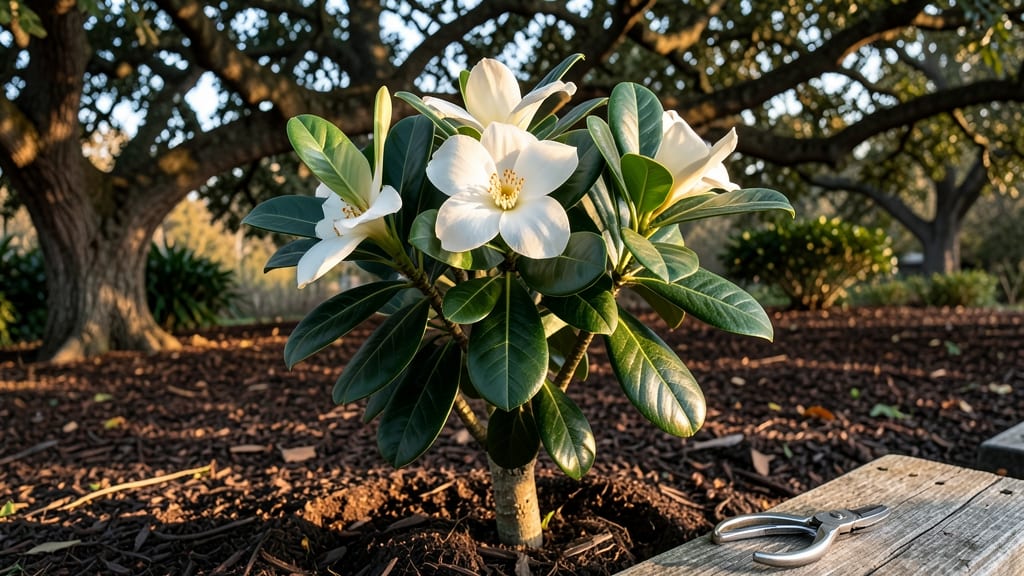
Finding a gardenia frostproof shrub with white flowers that thrives in your climate feels like winning the gardening lottery—until you realize it’s actually possible. 🌿 I’ve grown these fragrant beauties for years, and the right variety (like 'Kleim’s Hardy') keeps blooming even when temperatures dip below freezing.
The secret isn’t just the plant—it’s the prep work: acidic soil, smart placement, and a little winter TLC.
These cold-hardy gardenias demand well-draining, slightly acidic soil (think pine mulch or peat moss) and morning sun with afternoon shade to protect their delicate blooms. Plant them in USDA zones 7-10, spacing them 3-5 feet apart for airflow.
The payoff? Creamy white flowers that perfume your yard from late spring to fall, even after a light frost. Just avoid heavy clay or alkaline soil—those kill the roots faster than cold does.
Winter care is the game-changer. Mulch 3-4 inches deep with pine straw or shredded bark to insulate roots, and wrap young plants in burlap if your zone borders 7.
Prune back dead branches in early spring (never fall!) to encourage fresh growth. With this routine, you’ll skip the bud drop and enjoy year-round fragrance—no greenhouse needed.
Perfect for foundation plantings, privacy screens, or container gardens in colder climates. The key is patience: these shrubs take 2-3 years to fully mature but reward you with low-maintenance, frost-tolerant blooms for decades. Let’s get yours planted right the first time.
📚 In This Guide
- What you need
- Instructions
- Tips and common mistakes
- Wrapping up and next steps
What you need
- ● Gardenia plant: Choose a cold-hardy variety (e.g., Gardenia jasminoides ‘Radicans’ or Gardenia augusta hybrids) labeled as frost-resistant (USDA Zones 7-10+). Opt for a 3-5 gallon container-grown plant for best survival rates.
- ● Well-draining potting mix: 5-10 gallons of a blend with 50% peat moss or coconut coir, 30% perlite/pumice, and 20% compost (avoid heavy clay soil!).
- ● Container (if not planting in-ground): Minimum 15-gallon pot for small shrubs, 30+ gallons for mature plants.
- ● Must have drainage holes + a cache pot (to prevent root rot).
- ○ Fabric grow bag (optional but recommended for flexibility).
- ● Slow-release fertilizer: 10-10-10 or 14-14-14 (organic options like fish emulsion or worm castings work too!). Use 1-2 tbsp per gallon of soil.
- ● Garden trowel or transplant spade (for digging/planting).
- ● Pruning shears (sterilized with rubbing alcohol).
- ● Gloves (gardening or heavy-duty for thorny stems).
- ● Watering can or hose with a gentle spray nozzle (gardenia hates soggy roots!).
- ○ Mulch (optional but helpful): 2-3 inches of pine bark or straw to insulate roots in colder zones.
- ● Frost cloth or bubble wrap (for Zones 7-8—wrap young plants if temps dip below 25°F).
- ● pH testing kit (ideal soil pH: 4.5-6.0—gardenia is pickier than most!).
- ● Sunlight access: 6+ hours of partial shade (morning sun + afternoon shade in hot climates).
- ● 💡 Avoid tap water! Use rainwater or distilled water (chlorine/fluoride can harm gardenias).
- ● 🌡️ Harden off nursery plants 1-2 weeks before transplanting if moving from a greenhouse.
- ● ✨ For container growers: Elevate pots on feet or bricks to improve drainage.
Step-by-Step guide to planting and caring for cold-tolerant gardenias
Here’s how to establish a hardy gardenia that thrives in cooler climates.
🌱 Step 1: Choose the Right Frostproof Cultivar and Location
Select a cold-hardy gardenia variety like Gardenia jasminoides ‘Kleim’s Hardy’ or Gardenia augusta ‘Radicans,’ which tolerate temperatures down to 15°F. These varieties are bred to withstand frost without losing their signature fragrant white blooms. Plant in a sheltered spot where winter winds won’t scorch tender new growth—think near a south-facing wall or under the dappled shade of a deciduous tree.
Gardenias crave morning sun and afternoon shade, especially in warmer months. In colder climates, they’ll handle more sun, but avoid harsh afternoon rays that can stress the plant. Amend the soil with 3-4 inches of organic matter (like compost or aged manure) to improve drainage—gardenias despise soggy roots. Test your soil’s pH; these shrubs thrive in acidic soil (5.0–6.0). If your soil is alkaline, mix in sulfur or peat moss to lower the pH before planting.
🪴 Step 2: Plant with Proper Spacing and Soil Prep
Dig a hole twice as wide as the root ball but no deeper—gardenias hate being buried too deeply, which can suffocate the roots. Gently loosen the roots if they’re circling in the container, then place the shrub in the hole so the top of the root ball sits 1 inch above ground level. This prevents water from pooling around the stem, a common cause of rot.
Backfill with a mix of native soil and peat moss (50/50 ratio) to maintain acidity and looseness. Water deeply to settle the soil, then add a 2-inch layer of mulch (pine bark or pine needles work best) around the base, keeping it 3 inches away from the stem. Mulch insulates roots in winter and retains moisture in summer. Space plants 6–8 feet apart to allow airflow and prevent fungal diseases like powdery mildew.
☀️ Step 3: Water and Fertilize for Cold-Resistant Growth
Water gardenias deeply once a week during the first growing season, ensuring the soil stays evenly moist but not waterlogged. Overwatering in winter can lead to root rot, while drought stress weakens the plant’s ability to handle frost. In established plants, reduce watering in fall to every 10–14 days, allowing the roots to harden off naturally before winter.
Feed with an acid-loving plant fertilizer (like 8-3-9 or 10-10-10) in early spring and again after flowering. Avoid high-nitrogen fertilizers, which promote leafy growth at the expense of blooms. For extra cold hardiness, apply a thick layer of mulch (3–4 inches) in late fall to protect roots from freezing temperatures. Gardenias are sensitive to salt, so use rainwater or filtered water if your tap water is heavily treated.
✂️ Step 4: Prune and Protect for Year-Round Blooms
Prune gardenias right after flowering (late spring to early summer) to shape the shrub and encourage next year’s blooms. Remove dead, diseased, or crossing branches first, then thin out overcrowded areas to improve airflow. Cut back leggy growth by one-third to promote bushier, more compact growth—this also makes the plant sturdier against winter winds.
In late fall, apply a winterizing spray of anti-desiccant (like Wilt-Pruf) to protect leaves from drying out in cold snaps. Wrap young or newly planted gardenias in burlap or frost cloth if temperatures dip below 20°F, but avoid plastic, which traps moisture and causes rot. In early spring, remove the wrap once new growth appears—this signals the plant has survived the cold and is ready to rebound.
⏰ Step 5: Monitor and Adjust for Long-Term Cold Resistance
Watch for yellowing leaves, which often signal overwatering or nutrient deficiencies. If leaves drop prematurely in fall, it’s a sign the plant is struggling with temperature fluctuations—consider moving it to a slightly more sheltered spot. Gardenias are slow to show stress, so act quickly if you notice wilting or brown edges on leaves, which can indicate root rot or frost damage.
Every 2–3 years, refresh the mulch and top-dress with compost to replenish organic matter. If your gardenia stops blooming, it may need more sunlight or a light pruning in late winter to stimulate new growth. Cold-resistant varieties will reward you with fragrant white blooms from late spring through summer, and with proper care, they’ll return year after year—even in cooler climates.
Tips & tricks for perfect cold-Hardy gardenia care
These expert insights will help you cultivate gardenias that defy winter's chill while showcasing their signature white blooms.
Variety Selection: When choosing between 'Kleim's Hardy' and 'Radicans', consider your climate extremes. 'Kleim's Hardy' handles 15°F better in northern regions, while 'Radicans' shows slightly more resilience to late spring frosts. For urban gardens with microclimates, position 'Radicans' where it receives afternoon shelter from buildings or fences.
Soil Preparation: The 3-4 inches of organic matter specified isn't just about drainage—it's about creating a sponge-like environment that holds moisture while preventing compaction. I recommend mixing in one part perlite to the 50/50 soil-peat moss blend for even better aeration. This becomes especially critical when temperatures drop below 20°F, as properly aerated soil insulates roots more effectively.
Winter Protection Strategy: That 3-4 inch fall mulch layer is your first line of defense, but don't stop there. For young plants in zones where temperatures dip below 20°F, create a protective dome using straw bales around the base—this traps radiant heat while allowing airflow. I've seen gardenias survive -5°F with this method when combined with the anti-desiccant spray.
Pruning Precision: The one-third reduction of leggy growth in Step 4 isn't just about aesthetics—it's about redirecting the plant's energy. Cut just above leaf nodes where new growth emerges, and always use sterilized pruners to prevent introducing fungal spores. For maximum cold hardiness, avoid heavy pruning in late summer as new growth won't have time to harden off before winter.
Pro Tips for Gardenia Frostproof Shrub With White Flowers
- These expert insights will help you cultivate gardenias that defy winter's chill while showcasing their signature white blooms.
- Variety Selection: When choosing between 'Kleim's Hardy' and 'Radicans', consider your climate extremes.
- Soil Preparation: The 3-4 inches of organic matter specified isn't just about drainage—it's about creating a sponge-like environment that holds moisture while preventing compaction.
Frequently asked questions
about frostproof gardenias with white flowers—because every gardener deserves peace of mind!How cold can a frostproof gardenia actually handle?
A true frostproof gardenia (like Gardenia jasminoides 'Kleim's Hardiness') typically tolerates temperatures down to 15–20°F (-9 to -6°C). However, severe or prolonged freezes may cause leaf damage—though the roots often survive. For extra protection, mulch heavily in winter or plant in a sheltered spot.
When is the best time to plant a frostproof gardenia?
Plant in early spring or fall (4–6 weeks before the first frost) for the best root establishment. Avoid extreme heat or cold—ideal soil temps are 60–75°F (15–24°C). Container-grown plants can also be planted year-round in mild climates, but spring is safest for most gardeners.
What’s the easiest way to keep my gardenia blooming all year?
Consistency is key! Ensure bright, indirect light (6+ hours/day), well-draining soil (pH 6.0–7.0), and regular watering (keep soil moist but not soggy). Feed monthly with an acid-loving plant fertilizer in growing season, and prune spent blooms to encourage new flowers. Pro tip: Deadhead flowers promptly to prevent energy drain!
Why aren’t my frostproof gardenia flowers opening?
Common culprits include:
- Too much shade—gardenias crave light!
- Overwatering (root rot kills blooms).
- Nutrient deficiency (yellow leaves = nitrogen; poor blooms = phosphorus).
- Stress from transplant shock (give it 6–8 weeks to adjust).
Are there frostproof gardenia alternatives with similar flowers?
If gardenias prove tricky, try these cold-hardy white-blooming shrubs:
- Abelia 'Kaleidoscope' (Zones 6–9): Fragrant white/pink blooms, tolerates 0°F (-18°C).
- Pieris japonica 'Little Heath' (Zones 5–8): Delicate white flowers, handles 10°F (-12°C).
- Weigela florida 'Wine & Roses' (Zones 4–8): Pink/white blooms, survives -30°F (-34°C).
Wrapping up and next steps
Adding a gardenia frostproof shrub with white flowers to your garden is a fantastic way to enjoy year-round beauty without worrying about cold snaps. These resilient plants thrive in various climates, offering fragrant blooms and lush greenery that elevate any outdoor space.
Whether you're a seasoned gardener or just starting, now’s the perfect time to plant, nurture, and enjoy these stunning shrubs!
Ready to transform your garden? Start by choosing the right variety—like Gardenia jasminoides ‘Kleim’s Hardy’—and follow the care tips shared above. With a little patience and love, you’ll soon be rewarded with 🌸 breathtaking, frost-resistant blooms that last all season!