
Flowers
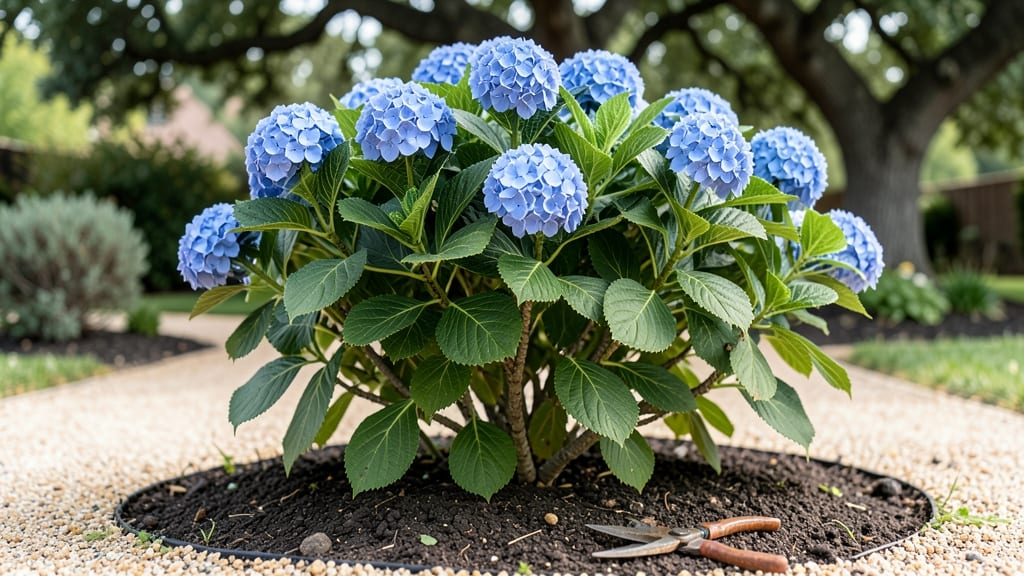
Those cascading branched clusters of flowers are the secret weapon of pollinator gardens—especially when you choose blue-hued varieties that bloom from spring through frost. 🌿 I’ve designed my backyard borders around them, and the difference in butterfly activity is night and day compared to my old, sparse plantings.
The magic lies in their natural branching habit—each stem becomes a tiny landing pad for bees and butterflies, while the blue tones create a cohesive look that’s easier to style than you’d think.
Pair them with ornamental grasses for texture, then tuck in white flowers to make the blues pop even more. Pruning after flowering keeps them bushy and encourages next year’s blooms.
By midsummer, your garden won’t just look stunning—it’ll hum with life. The clusters attract hummingbirds too, and the scent lingers long after the blooms fade. I’ve even seen monarchs overwintering on my late-season varieties.
The best part? These plants thrive in partial shade, so they’re perfect for tricky spots where others fail.
Whether you’re lining a path, filling a mixed border, or creating a pollinator hotspot, these blue-branched beauties deliver year-round interest with minimal effort. Let’s talk placement—some spots bring out their best colors and shapes more than others.
📚 In This Guide
- What you need
- Instructions
- Tips and common mistakes
- Wrapping up and next steps
What you need
- ● Flowering plants: Choose pollinator magnets like Agapanthus (blue lilies), Salvia, Delphinium, or Lavender (10–20 plants, depending on cluster size). Opt for dwarf varieties for compact clusters.
- ● Branches or trellises: 3–5 sturdy branches (1–2 inches thick) or a metal/wooden trellis (4–6 feet tall) for structural support.
- ● Potting soil: 5–10 gallons of well-draining, organic-rich soil (mix in perlite or sand for aeration).
- ● Slow-release fertilizer: A balanced 10-10-10 or low-phosphorus option (1–2 lbs per cluster).
- ● Pruning shears (for shaping and trimming)
- ● Garden gloves (to protect your hands)
- ● Watering can or hose (with a gentle spray nozzle)
- ● Mulch (2–3 inches of pine bark or straw to retain moisture)
- ○ Optional: Decorative stones or pebbles (for a polished look)
- ● Solar-powered garden lights (to highlight your cluster at night)
- ● Pollinator-friendly companion plants (e.g., bee balm or catmint) for extra color.
How to design a pollinator-friendly branched flower cluster
Here's how to craft a stunning, functional floral arrangement that thrives year-round and keeps bees buzzing.
🌱 Step 1: Select Year-Round Blue-Blooming Perennials
Choose plants with staggered bloom times to ensure continuous color. Start with Russian sage (Perovskia atriplicifolia) for its airy lavender-blue spikes that bloom from midsummer through fall. Add catmint (Nepeta) varieties like 'Walker's Low' for early spring and late fall blooms, plus salvia (Salvia nemorosa) for midseason blue-purple clusters.
For winter interest, incorporate ornamental grasses like blue fescue (Festuca glauca) or miscanthus (Miscanthus sinensis 'Zebrinus'), whose seed heads provide structure and subtle blue-gray hues. I always include lavender (Lavandula) for its fragrant, drought-tolerant spikes that bloom from early summer through frost.
Space plants 12-18 inches apart to allow airflow and prevent fungal diseases. Group plants with similar water needs together—Russian sage and lavender are drought-tolerant, while catmint prefers slightly more moisture.
🪴 Step 2: Prepare the Planting Site
Test your soil's drainage—pollinator plants hate soggy roots. Amend heavy clay with 2-3 inches of compost and 1 inch of coarse sand to improve aeration. For sandy soils, mix in 1 inch of peat moss to retain moisture. I use a soil test kit to check pH; most blue-blooming perennials prefer 6.0-7.0. Adjust with lime or sulfur if needed.
Dig holes twice as wide as the root ball but only as deep. Loosen the roots gently if they're circling—this encourages outward growth. Place a slow-release granular fertilizer (10-10-10) in the bottom of each hole and mix it with the native soil before planting.
Water each hole deeply before inserting the plant. The soil should settle slightly, so fill gaps with additional native soil and press lightly. Avoid compacting too firmly—roots need room to expand.
☀️ Step 3: Arrange for Maximum Pollinator Appeal
Design your cluster in three tiers: tall backrow plants (Russian sage at 3-4 feet), mid-height fillers (catmint at 18-24 inches), and low ground covers (creeping thyme or ajuga at 6-12 inches). This creates visual depth and guides pollinators through the space.
Include native milkweed (Asclepias) for monarch butterflies and bee balm (Monarda) for hummingbirds. Position these near seating areas so you can watch pollinators up close. I always add a small water feature—even a shallow dish with pebbles—within 10 feet of the cluster to provide hydration.
Mulch with 2-3 inches of shredded bark to retain moisture and suppress weeds. Keep mulch 2 inches away from plant stems to prevent rot. Water deeply once a week during the first growing season to establish roots.
✂️ Step 4: Maintain for Continuous Blooms
Deadhead spent blooms every 2-3 weeks to encourage new growth. For Russian sage, I snip back one-third of the oldest stems in early spring to promote bushier growth. Catmint benefits from a light pruning after its first bloom cycle to trigger a second flush of flowers.
Fertilize lightly in early spring with a balanced organic fertilizer (5-5-5). Avoid high-nitrogen feeds—these produce lush foliage but fewer flowers. I use fish emulsion diluted to half-strength for a gentle nutrient boost without burning plants.
Monitor for pests like aphids or spider mites, which thrive in dry conditions. Spray affected plants with neem oil in the evening to avoid harming pollinators. Most blue-blooming perennials are pest-resistant, but consistent care keeps them thriving.
⏰ Step 5: Extend the Season with Strategic Planting
For spring blooms, plant crocus (Crocus vernus) in fall—they naturalize quickly and provide early nectar. Add lungwort (Pulmonaria) for its spotted foliage and early spring flowers. In late summer, tuck in coneflowers (Echinacea) for bold purple blooms that attract butterflies.
Incorporate winter-flowering hellebores (Helleborus) for late-season color. These shade-tolerant perennials bloom in January-February, providing critical food for early pollinators. Group them near evergreens like boxwood (Buxus) for year-round structure.
Rotate plants every 3-5 years to prevent soil depletion. Divide overcrowded clumps in early spring and replant sections in new areas to refresh the design. This keeps your pollinator paradise vibrant and dynamic.
Tips & tricks for perfect pollinator-friendly flower clusters
Creating a thriving pollinator paradise takes thoughtful planning—and these insider tricks will make all the difference.
Plant Selection Strategy: Focus on native plants first—they've evolved alongside local pollinators and provide the most reliable food sources. For example, Russian sage's airy blooms create perfect landing platforms for bees, while catmint's square stems offer grip for butterflies. I always include at least three plants with staggered bloom times to ensure continuous nectar flow from spring through fall.
Soil Preparation Secret: The 2-3 inches of compost and 1 inch of coarse sand combination is non-negotiable for pollinator plants. I've learned this the hard way—soggy roots lead to fungal diseases that devastate blooms. For heavy clay soils, mix in a handful of perlite with the compost to create tiny air pockets that roots will thank you for. Test your soil's pH first; most blue-blooming perennials thrive in that 6.0-7.0 range.
Design Layout Tip: When creating your three-tier arrangement, think vertically like a pollinator does. Place your tallest plants (Russian sage at 3-4 feet) at the back, then mid-height fillers (catmint at 18-24 inches) in the middle, and finally low ground covers (creeping thyme) in front. This creates visual layers that guide bees and butterflies through the space. I always add a small water feature within 10 feet—even a shallow dish with pebbles works—to provide essential hydration for thirsty pollinators.
Maintenance Game-Changer: The key to continuous blooms lies in that 2-3 week deadheading schedule. For Russian sage, I use clean pruning shears to snip back one-third of the oldest stems in early spring—this prevents woody growth and encourages fresh new blooms. Catmint responds beautifully to a light pruning after its first bloom cycle, which triggers that second flush of flowers. Remember to always use sterilized tools to prevent spreading diseases between plants.
Pro Tips for Branched Cluster Of Flowers
- Creating a thriving pollinator paradise takes thoughtful planning—and these insider tricks will make all the difference.
- Plant Selection Strategy: Focus on native plants first—they've evolved alongside local pollinators and provide the most reliable food sources.
- Soil Preparation Secret: The 2-3 inches of compost and 1 inch of coarse sand combination is non-negotiable for pollinator plants.
Frequently asked questions
Got questions about creating or caring for a branched cluster of flowers? You’re not alone! Here are some of the most common queries—plus quick, practical answers to help you grow a thriving pollinator paradise.
What’s the best way to prune a branched cluster of flowers to encourage more blooms?
Prune in late winter or early spring before new growth starts. Cut back one-third of the oldest stems to the ground, and trim any dead or crossing branches. For year-round blooms, lightly prune after each flowering cycle to promote bushier growth. Always use clean, sharp shears to avoid disease!
How long does it take for a branched cluster of flowers to establish and bloom?
With proper care, most varieties (like Agastache or Salvia) take 6–12 months to establish roots and begin flowering. Fast growers like Buddleia may bloom in their first year, while slower varieties might need a full season. Patience pays off—once established, they’ll reward you with vibrant color for years!
Are there any flowers in these clusters that aren’t attractive to pollinators?
Most branched clusters (e.g., Lavender, Catmint, or Coneflower) are pollinator magnets! However, some ornamental grasses (like Miscanthus) focus on texture over nectar. Stick to native, open-flowering varieties—they’re the best for bees, butterflies, and hummingbirds. Pro tip: Double-flowered varieties often lack pollen, so avoid those!
Can a branched cluster of flowers survive harsh winters or drought?
Many varieties (like Russian Sage or Butterfly Bush) are drought-tolerant once established and handle cold down to -20°F. For extra protection, mulch the base in winter and water deeply during dry spells. If your area has extreme heat or freeze-thaw cycles, choose hardy perennials over tender annuals.
What’s a good alternative if I don’t have space for a full cluster?
No room for a sprawling cluster? Try container gardening! Compact varieties like Dwarf Lavender, Miniature Coneflowers, or Potted Salvia thrive in pots (12"+ diameter) and still attract pollinators. Hang window boxes with trailing flowers like Fuchsia for vertical interest. Even a small balcony can become a pollinator hotspot!
Wrapping up and next steps
A branched cluster of flowers isn’t just a stunning addition to your garden—it’s a pollinator’s paradise that brings color, life, and joy year-round! 🌸 By choosing the right blooms (like salvia, lavender, or Russian sage) and following simple care tips, you can create a thriving, low-maintenance haven for bees, butterflies, and hummingbirds.
Whether you’re a seasoned gardener or just starting, this vibrant project is a rewarding way to support local ecosystems and elevate your outdoor space.
Ready to dive in? Start small—pick one or two plants to test, then expand as you gain confidence. Grab your tools, sketch a simple layout, and let nature do the rest! 🌿 Plan your first cluster today!